English

Caribou (Reindeer)
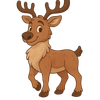
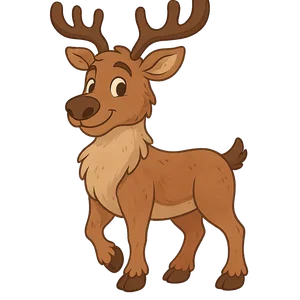
Caribou, also known as reindeer in Eurasia, are a species of deer native to Arctic and sub-Arctic regions.
Reads at Grades 6–8 Listens at Grades 4–8
Print & create
Answer keys·No prep·Free with an account
28 worksheets · answer keys · full story · quiz · Ages 10-12 · CEFR B2
Plus adds 244,000+ more stories in 27 languages, audio for every one, and printables for all of them.
Just want Caribou (Reindeer)?
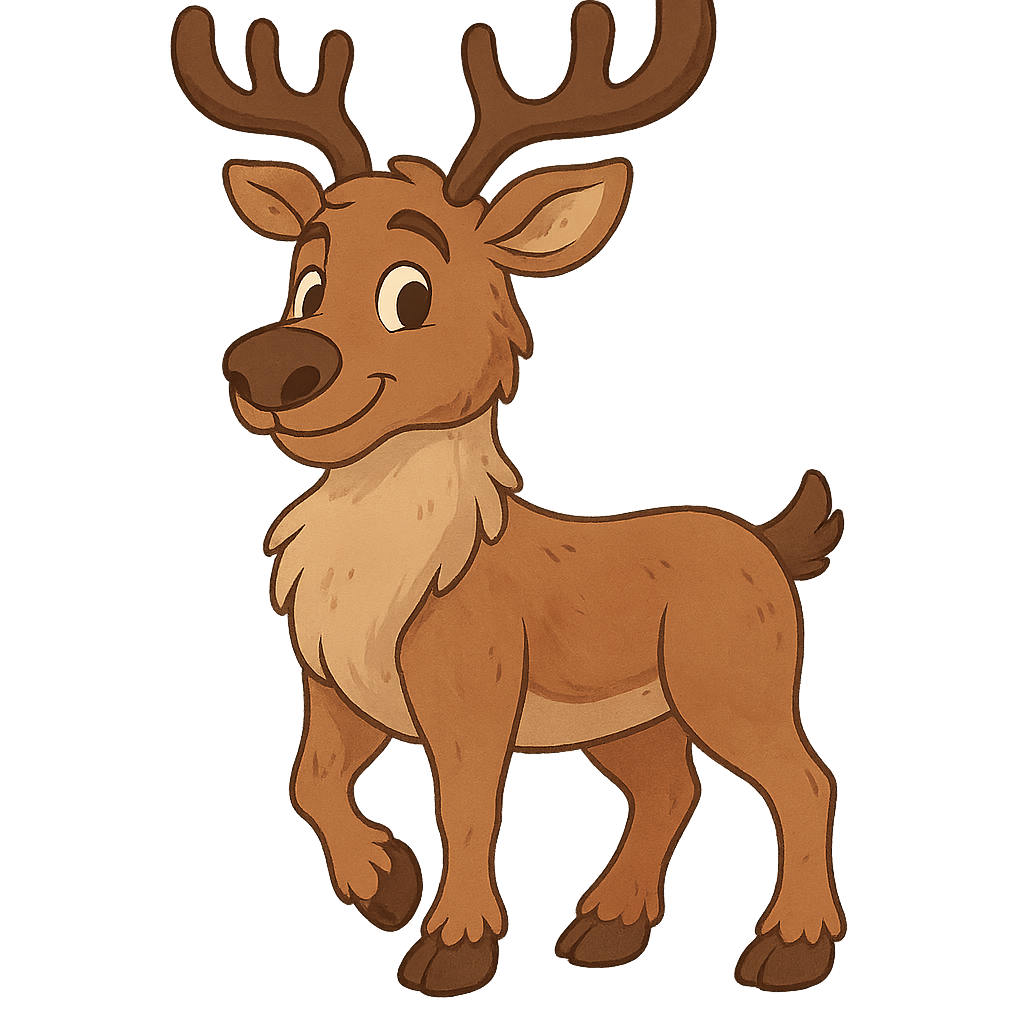
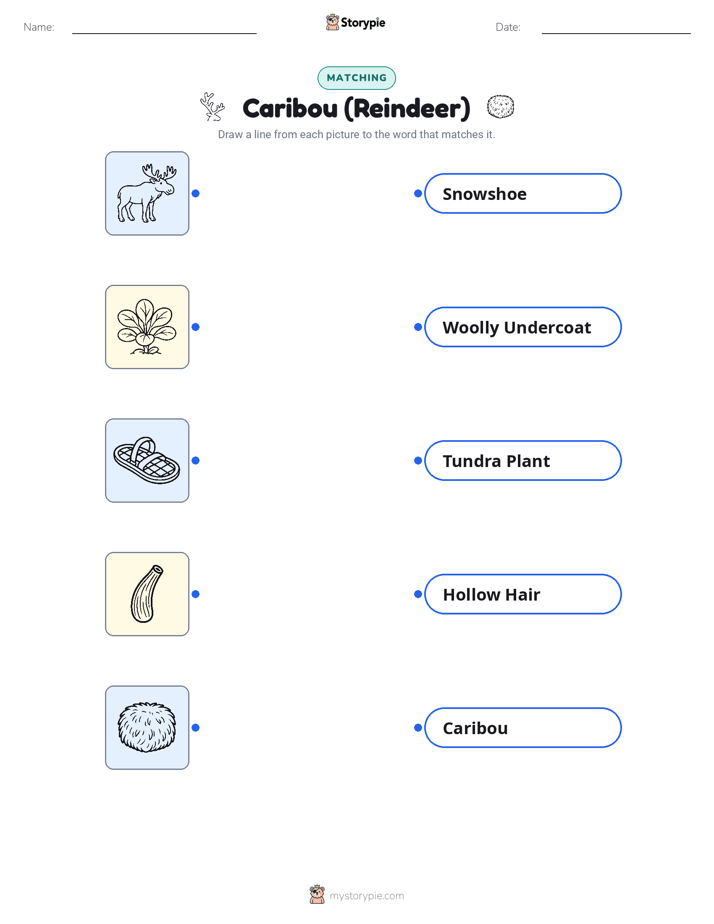
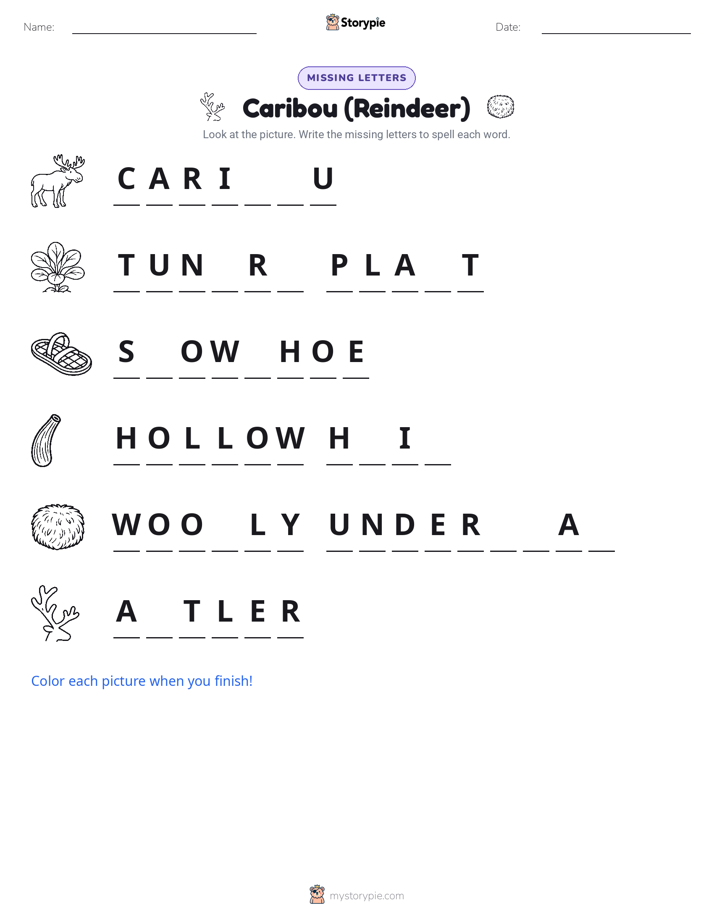
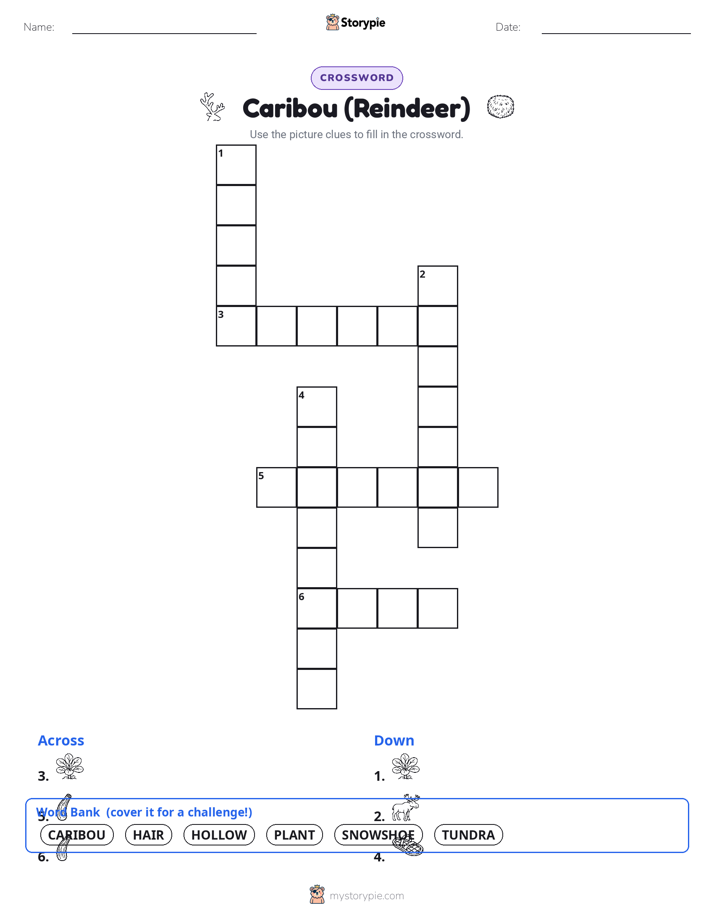
Hello! I'm a caribou, a traveler of the great northern wilderness. Some people, especially in Europe and Asia, call me a reindeer. I was born on a spring day in the vast, open Arctic tundra, a world of endless sky and low-growing plants. My life is defined by movement. Just hours after I was born, my legs were strong enough to run, a crucial skill I needed immediately to keep up with my family. We travel together in an enormous herd, undertaking one of the longest migrations of any land animal on Earth. To help me on this journey, my wide, specially designed hooves act like snowshoes. They spread my weight and keep me from sinking into the soft summer ground or the deep snow of winter, allowing me to cross the vast landscape with confidence.
Living in the Arctic means being prepared for extreme cold, and my body is perfectly engineered for it. I have a fantastic coat that comes in two layers, a design that ensures I stay warm. The inner layer is dense and woolly, like a cozy sweater against my skin. My outer coat is even more special; it is made of long, hollow hairs. These hairs are not just for show; they trap air, creating an invisible blanket that holds in my body heat. This natural insulation keeps me warm even when the wind howls and temperatures drop far below freezing. My hooves also adapt to the seasons. In the winter, the pads on my hooves shrink and harden, allowing the sharp rim to grip the ice so I don’t slip. This amazing feature helps me travel safely across frozen rivers and icy plains in search of food.
A Caribou's Journey: Traveler of the Tundra
Hello! I'm a caribou, a traveler of the great northern wilderness. Some people, especially in Europe and Asia, call me a reindeer. I was born on a spring day in the vast, open Arctic tundra, a world of endless sky and low-growing plants. My life is defined by movement. Just hours after I was born, my legs were strong enough to run, a crucial skill I needed immediately to keep up with my family. We travel together in an enormous herd, undertaking one of the longest migrations of any land animal on Earth. To help me on this journey, my wide, specially designed hooves act like snowshoes. They spread my weight and keep me from sinking into the soft summer ground or the deep snow of winter, allowing me to cross the vast landscape with confidence.
Living in the Arctic means being prepared for extreme cold, and my body is perfectly engineered for it. I have a fantastic coat that comes in two layers, a design that ensures I stay warm. The inner layer is dense and woolly, like a cozy sweater against my skin. My outer coat is even more special; it is made of long, hollow hairs. These hairs are not just for show; they trap air, creating an invisible blanket that holds in my body heat. This natural insulation keeps me warm even when the wind howls and temperatures drop far below freezing. My hooves also adapt to the seasons. In the winter, the pads on my hooves shrink and harden, allowing the sharp rim to grip the ice so I don’t slip. This amazing feature helps me travel safely across frozen rivers and icy plains in search of food.
One of the most remarkable things about my species is our antlers. Unlike other members of the deer family, both male and female caribou grow a new set of antlers each year. The males, called bulls, grow huge, impressive antlers that they use to display their strength and dominance during the autumn mating season. However, once that season is over, their job is done, and their antlers fall off, usually by early winter. We females, on the other hand, keep our smaller, more delicate antlers all winter long. They are not for show; they are essential tools. I use them to defend the best feeding spots from others, which is critical for getting enough food to stay strong for the calf growing inside me through the harsh winter months.
I possess a secret sense that humans don't—I can see ultraviolet (UV) light. Scientists only made this discovery about my species around the year 2011. In the Arctic, where the snow can create a blindingly white landscape, this ability is a true superpower. It helps me spot important things that absorb UV light, making them stand out clearly against the reflective snow. For example, my favorite food, lichen, appears dark and is easy to find. This special vision also helps keep me safe. It allows me to spot signs of predators, like wolves, because their urine glows in UV light. This unique sense is a critical tool for survival, helping me stay well-fed and aware of danger in my challenging environment.
My kind has shared the world with humans for a very long time, forming a unique bond that stretches back thousands of years. Indigenous peoples of the north, like the Sámi in northern Europe, have lived alongside my reindeer cousins in a relationship built on deep understanding and respect for the rhythms of the Arctic. They semi-domesticated us, and we became partners in survival. We helped them travel across the vast snows, carried their goods, and provided them with milk and materials for clothing. This ancient partnership shows how humans and animals can live together, with my species being a vital part of their culture and survival, a connection that continues to this day.
My species, Rangifer tarandus, was officially given its scientific name by biologists in 1758, but my ancestors have roamed these northern lands for hundreds of thousands of years. Today, my world is changing faster than ever before. The climate is warming, which affects the timing and location of the plants I eat and makes my long migrations more dangerous and difficult. Scientists tracking my kind noted our populations were declining, and by 2015, we were listed as a vulnerable species. I am more than just an animal; I am a vital force of nature. My herd's constant grazing shapes the plant life of the tundra, and our long journeys spread nutrients across the land, enriching the soil. My story is the story of the wild, untamed north, a reminder of the incredible strength of life and the delicate balance we all must work to protect.
Wow facts
About
Caribou, also known as reindeer in Eurasia, are a species of deer native to Arctic and sub-Arctic regions. They are famous for their long-distance migrations and for being the only deer species in which both males and females grow antlers.
Take a Quiz
Question 1 of 5
In your own words, describe the life of a caribou, including its migration, its diet, and its relationship with humans.
Explore next



Want to do even more?
Go beyond exploring. Unlock tools that turn every story into real learning.

Storypie Plus for families
Full stories, quizzes, and printables. Nights and car rides, sorted.
- Unlimited audio stories
- Create Mode: your child stars in the story
- Offline downloads
- Printable worksheets & coloring pages

Why Storypie for Schools
Students engaged. Prep in seconds. Evenings back to you.
- Worksheets & Quizzes
- Classroom Management
- Formative Assessment
- Custom Curriculum & Lesson Plans
- 27 Languages

Why Storypie for Homeschool
Curriculum done. They'll ask for more. Hours back in your day.
- Worksheet Generator
- First-Person Audio Stories
- Built-in Comprehension Quizzes
- Custom Curriculum & Lesson Plans
- Print & Go Activities