English

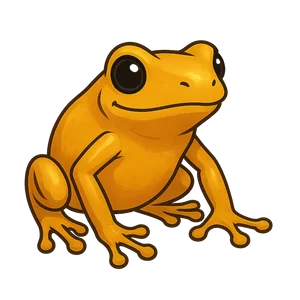
Golden Poison Frog
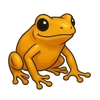
The Golden Poison Frog is a small amphibian native to a very limited area on the Pacific coast of Colombia.
Reads at Grades 6–8 Listens at Grades 4–8
Print & create
Answer keys·No prep·Free with an account
28 worksheets · answer keys · full story · quiz · Ages 10-12 · CEFR B2
Plus adds 164,000+ more stories in 27 languages, audio for every one, and printables for all of them.
Just want Golden Poison Frog?
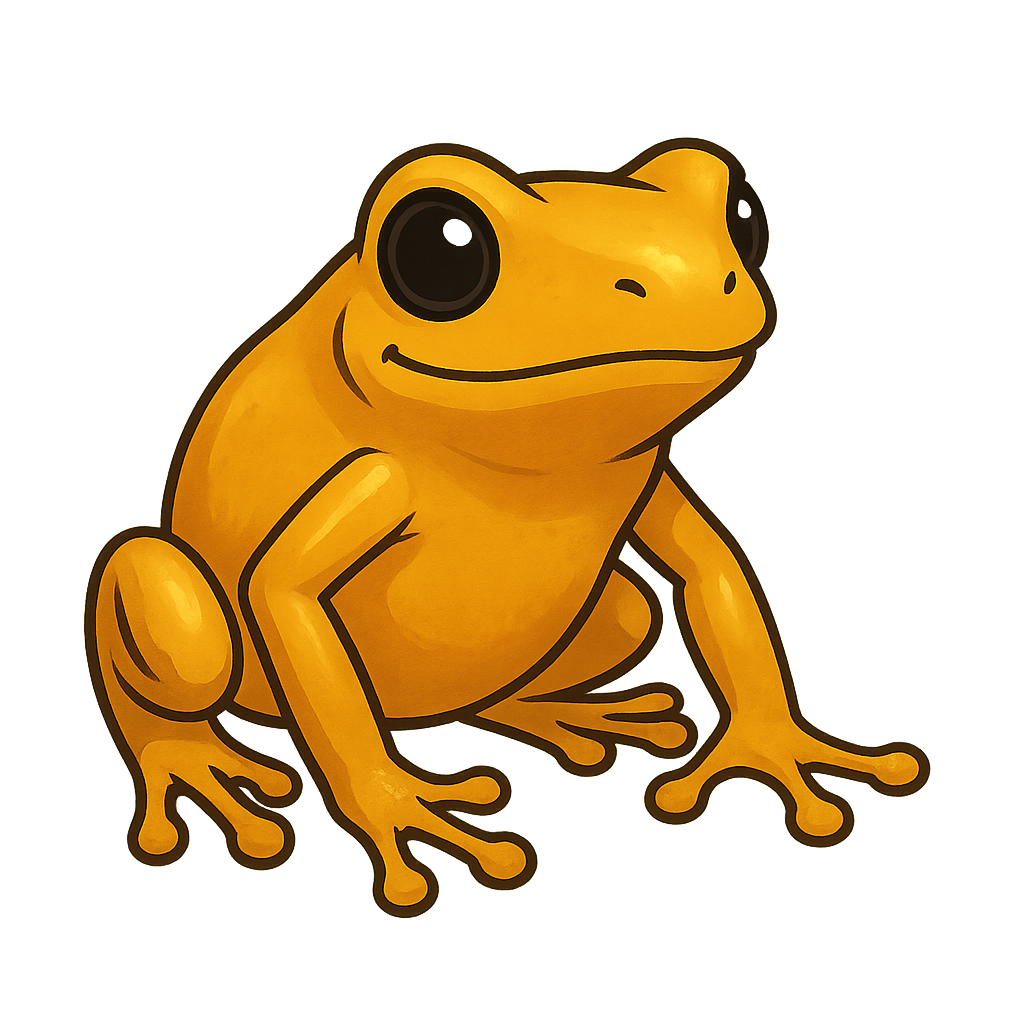
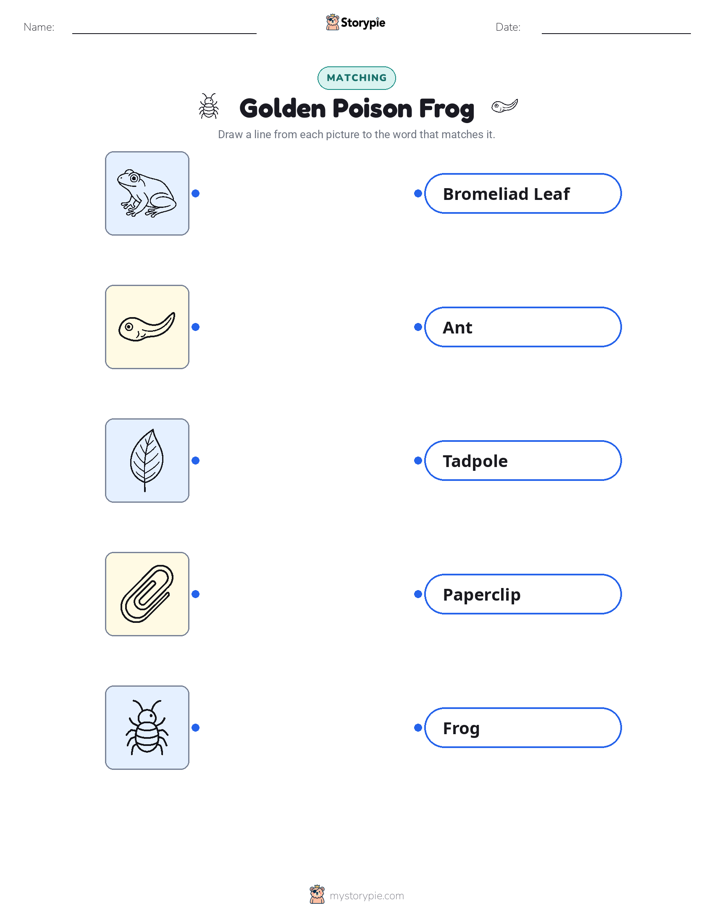
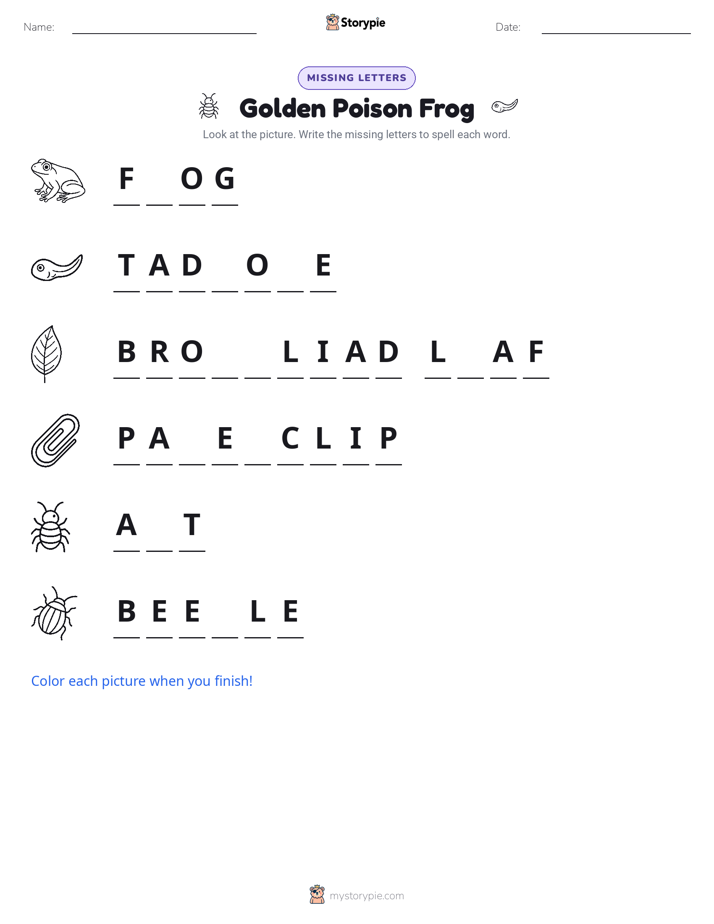
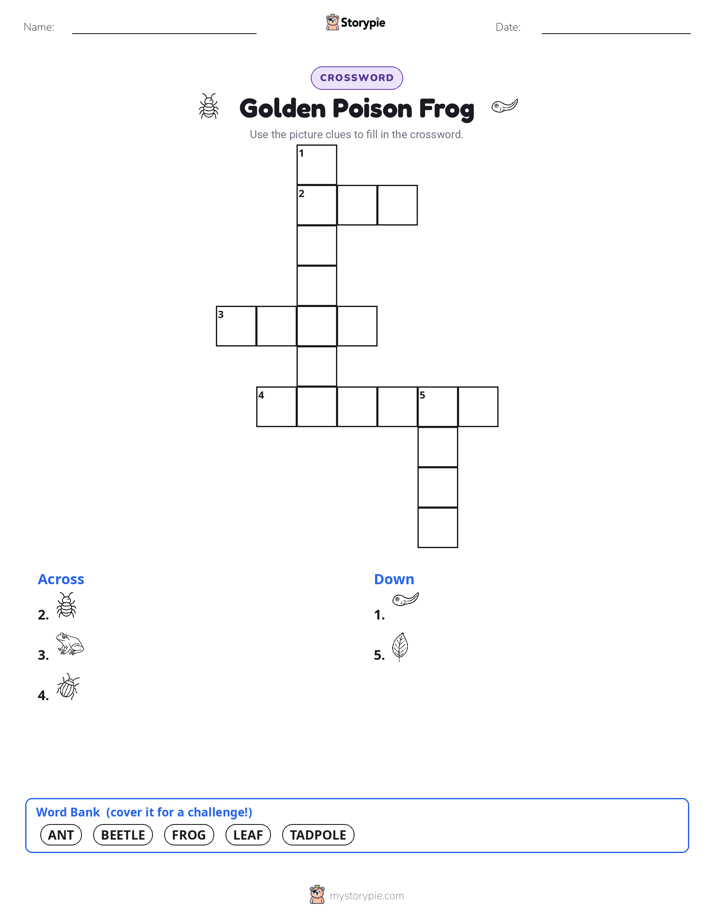
Hello, my name is Phyllobates terribilis, but you can call me the Golden Poison Frog. I am known for being one of the most brightly colored and toxic animals on our planet. My home is a very small, humid patch of rainforest along the Pacific coast of Colombia. Though my reputation is large, I am quite small—no bigger than a paperclip. My skin is a brilliant, shimmering yellow, a color that serves as a clear warning to any creature that might think of me as a snack: keep your distance. My life didn't begin with this vibrant glow. I started as a tiny tadpole, wiggling safely on my father's back. He was my first protector, carrying me and my siblings from where we hatched to a small, quiet pool of water. It was in that calm nursery, surrounded by bromeliad leaves, that I slowly grew my legs and transformed into the frog I am today.
My brilliant color is a sign of my secret superpower: a potent toxin called batrachotoxin, which is stored in glands throughout my skin. It is one of the most powerful natural poisons known. However, I am not aggressive or mean-spirited. My toxicity is purely for defense. This strategy, where an animal uses bright coloration to advertise that it is dangerous to eat, is called aposematism. My yellow skin is a universal sign in the animal kingdom that says, “I am not a good meal.” But here is a fascinating secret about my power: I don't actually make the poison myself. My body gathers the toxins from the specific ants, beetles, and other insects I eat here in my native rainforest. This diet is unique to my home, which is why my relatives who live in zoos or labs are not poisonous at all. Without their special jungle buffet, they cannot produce the toxin that makes me so famous and so respected in my habitat.
My Life as a Golden Poison Frog
Hello, my name is Phyllobates terribilis, but you can call me the Golden Poison Frog. I am known for being one of the most brightly colored and toxic animals on our planet. My home is a very small, humid patch of rainforest along the Pacific coast of Colombia. Though my reputation is large, I am quite small—no bigger than a paperclip. My skin is a brilliant, shimmering yellow, a color that serves as a clear warning to any creature that might think of me as a snack: keep your distance. My life didn't begin with this vibrant glow. I started as a tiny tadpole, wiggling safely on my father's back. He was my first protector, carrying me and my siblings from where we hatched to a small, quiet pool of water. It was in that calm nursery, surrounded by bromeliad leaves, that I slowly grew my legs and transformed into the frog I am today.
My brilliant color is a sign of my secret superpower: a potent toxin called batrachotoxin, which is stored in glands throughout my skin. It is one of the most powerful natural poisons known. However, I am not aggressive or mean-spirited. My toxicity is purely for defense. This strategy, where an animal uses bright coloration to advertise that it is dangerous to eat, is called aposematism. My yellow skin is a universal sign in the animal kingdom that says, “I am not a good meal.” But here is a fascinating secret about my power: I don't actually make the poison myself. My body gathers the toxins from the specific ants, beetles, and other insects I eat here in my native rainforest. This diet is unique to my home, which is why my relatives who live in zoos or labs are not poisonous at all. Without their special jungle buffet, they cannot produce the toxin that makes me so famous and so respected in my habitat.
For centuries, I have shared my home with the indigenous Emberá people, and we have a very special partnership. They have a deep understanding of the forest and a profound respect for me. Through generations of traditional knowledge, they learned how to carefully and safely collect a minuscule amount of my skin's poison without harming me. They gently brush the tips of their hunting blowgun darts against my skin, gathering just enough of the toxin to help them hunt for food. This ancient and respectful relationship is part of their culture. It was because of this unique connection that my species was formally introduced to the wider world. Guided by the Emberá, scientists were able to study me, and on November 30th, 1978, my species was officially described and given its scientific name. This moment marked a bridge between ancient indigenous wisdom and modern science.
Despite my powerful defense, my existence is fragile. My entire world is contained within a very small area of rainforest, and this home is shrinking. The forests are being cleared for farming, logging, and other human activities. This deforestation is the single greatest threat to my species' survival. As the trees disappear, so do the unique insects I rely on for my food and my toxicity, and the moist, safe places I need to live and raise my young. The situation became so serious that in 2004, the International Union for Conservation of Nature (IUCN) officially listed my species as 'Endangered.' This designation brought much-needed attention to our plight. Thankfully, there are conservation groups working hard to protect my remaining forest home. By preserving the land, they are not only helping me, but also countless other plants and animals that share my ecosystem.
My story is a reminder that even the smallest creatures have a significant role to play. I may be no bigger than a paperclip, but I am an important symbol of the rainforest's incredible biodiversity and its delicate balance. My unique toxin is studied by scientists who hope to learn more about the nervous system, which could lead to new medical discoveries for humans. By protecting my tiny corner of the world, people are not just saving the Golden Poison Frog; they are preserving a world of amazing life. They are also helping to sustain the ancient culture of the Emberá people, who have been my neighbors for centuries. My brilliant yellow skin is a glimmer of hope, a sign of the irreplaceable treasures hidden within the world's rainforests.
Wow facts
About
The Golden Poison Frog is a small amphibian native to a very limited area on the Pacific coast of Colombia. It is considered the most poisonous vertebrate on Earth due to the potent batrachotoxin secreted through its skin.
Take a Quiz
Question 1 of 5
What is the primary conflict the Golden Poison Frog faces, and what is being done to resolve it?
Explore next



Want to do even more?
Go beyond exploring. Unlock tools that turn every story into real learning.

Storypie Plus for families
Full stories, quizzes, and printables. Nights and car rides, sorted.
- Unlimited audio stories
- Create Mode: your child stars in the story
- Offline downloads
- Printable worksheets & coloring pages

Why Storypie for Schools
Students engaged. Prep in seconds. Evenings back to you.
- Worksheets & Quizzes
- Classroom Management
- Formative Assessment
- Custom Curriculum & Lesson Plans
- 27 Languages

Why Storypie for Homeschool
Curriculum done. They'll ask for more. Hours back in your day.
- Worksheet Generator
- First-Person Audio Stories
- Built-in Comprehension Quizzes
- Custom Curriculum & Lesson Plans
- Print & Go Activities