English

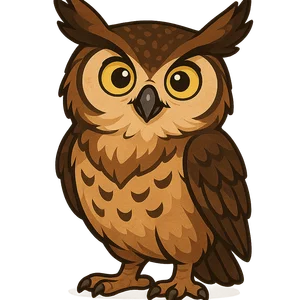
Great Horned Owl
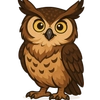
A large, powerful owl known for its prominent ear tufts ('horns'), silent flight, and adaptable nature…
Reads at Grades 6–8 Listens at Grades 4–8
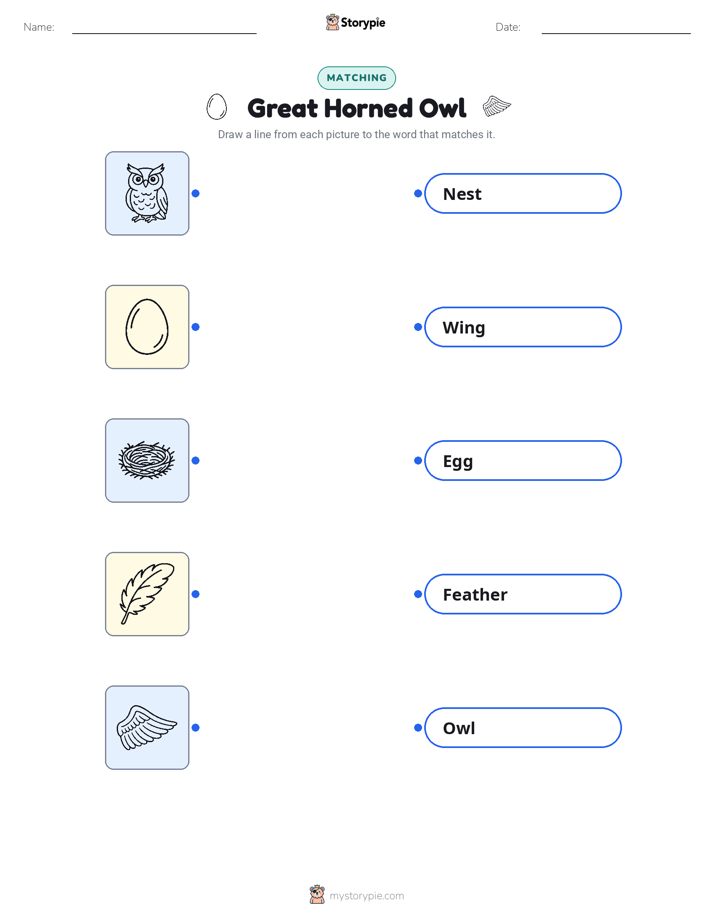
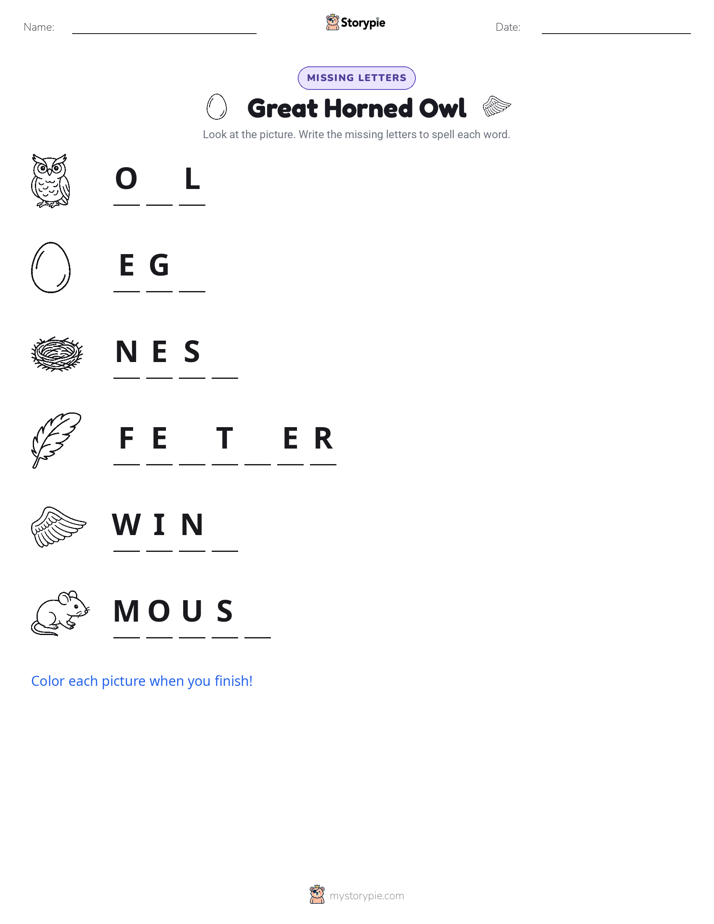
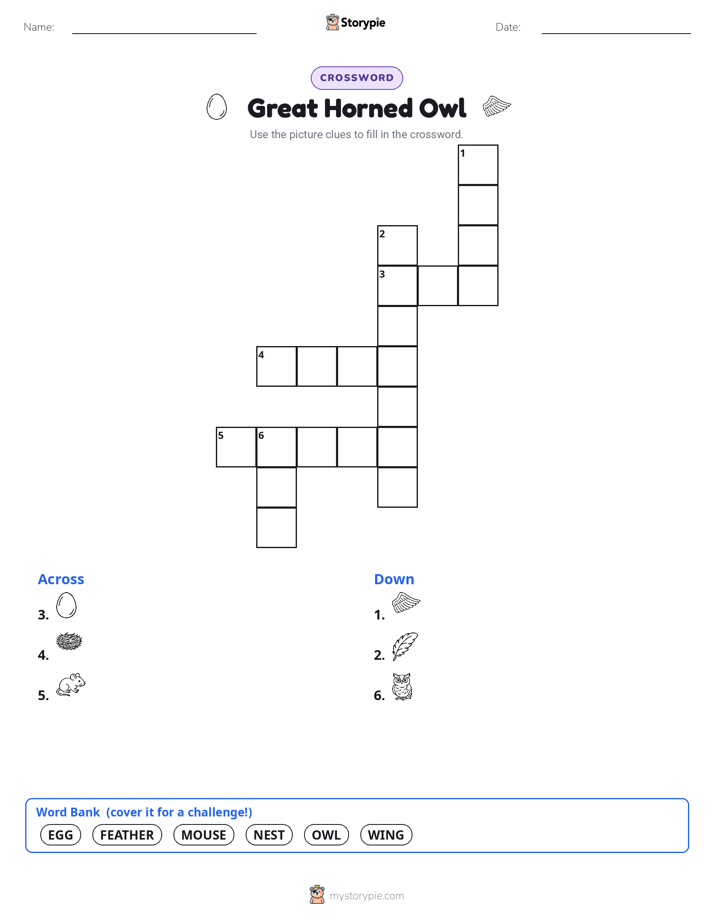
Print & create
Answer keys·No prep·Free with an account
28 worksheets · answer keys · full story · quiz · Ages 10-12 · CEFR B2
Plus adds 244,000+ more stories in 27 languages, audio for every one, and printables for all of them.
Just want Great Horned Owl?
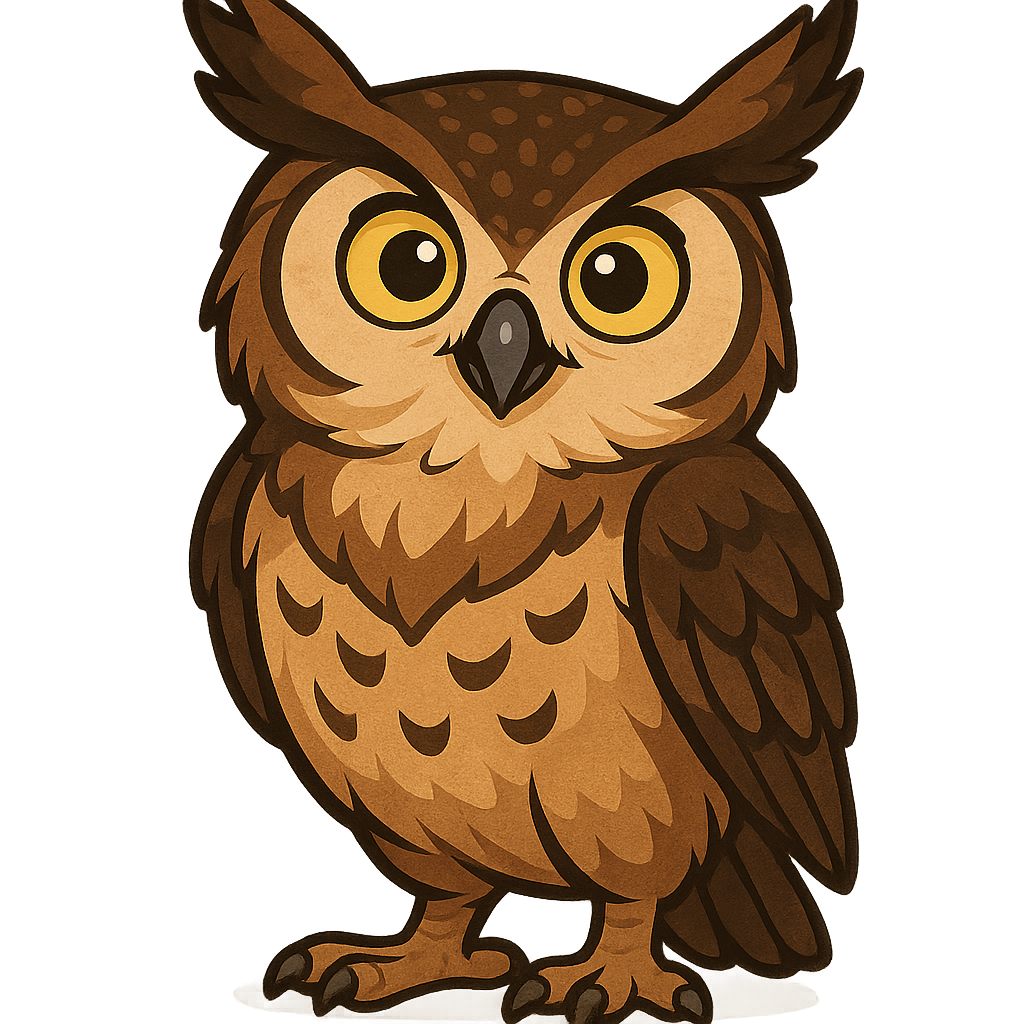
Hello, I am a Great Horned Owl. My story began in the deep cold of late winter, when I hatched from my egg high above the forest floor. I wasn't in a nest my parents built, but an old hawk's nest they had claimed as their own. My first sensations were the comforting warmth of my mother’s body covering me and my siblings, and the deep, booming hoot of my father as he returned with food. I was covered in soft, white down feathers, which did little to protect me from the chill, but my mother's care was constant. Though my own life was just starting, my species has been known to humans for a very long time. Scientists gave us our official name, *Bubo virginianus*, all the way back in 1788. From my safe, high perch, I was about to discover a world that had been turning long before I arrived.
As the weeks passed, my fluffy down was replaced by true feathers, and my world expanded beyond the rim of the nest. My body grew stronger, and my instincts pushed me to explore. I was a fledgling now, and it was time to learn to fly. My first flights were clumsy hops from one branch to a nearby one, but with each attempt, my confidence grew. I began to understand the incredible tools I was born with. My large, yellow eyes are one of my most famous features. They are tube-shaped and fixed in their sockets, meaning I can't move them side to side like you can. To see, I have to turn my entire head, which I can do with incredible flexibility—up to 270 degrees around! This allows me to scan my surroundings without moving my body. My hearing is just as remarkable. My ear openings are asymmetrical, with one higher than the other. This slight difference allows my brain to create a precise sound map, pinpointing the exact location of a tiny mouse rustling in the leaves on the forest floor, even in absolute darkness.
A Hoot in the Dark: The Story of a Great Horned Owl
Hello, I am a Great Horned Owl. My story began in the deep cold of late winter, when I hatched from my egg high above the forest floor. I wasn't in a nest my parents built, but an old hawk's nest they had claimed as their own. My first sensations were the comforting warmth of my mother’s body covering me and my siblings, and the deep, booming hoot of my father as he returned with food. I was covered in soft, white down feathers, which did little to protect me from the chill, but my mother's care was constant. Though my own life was just starting, my species has been known to humans for a very long time. Scientists gave us our official name, Bubo virginianus, all the way back in 1788. From my safe, high perch, I was about to discover a world that had been turning long before I arrived.
As the weeks passed, my fluffy down was replaced by true feathers, and my world expanded beyond the rim of the nest. My body grew stronger, and my instincts pushed me to explore. I was a fledgling now, and it was time to learn to fly. My first flights were clumsy hops from one branch to a nearby one, but with each attempt, my confidence grew. I began to understand the incredible tools I was born with. My large, yellow eyes are one of my most famous features. They are tube-shaped and fixed in their sockets, meaning I can't move them side to side like you can. To see, I have to turn my entire head, which I can do with incredible flexibility—up to 270 degrees around! This allows me to scan my surroundings without moving my body. My hearing is just as remarkable. My ear openings are asymmetrical, with one higher than the other. This slight difference allows my brain to create a precise sound map, pinpointing the exact location of a tiny mouse rustling in the leaves on the forest floor, even in absolute darkness.
With my senses sharpened and my flight growing stronger, it was time to become an independent hunter. My greatest advantage is my ability to fly in near-complete silence. This is possible because of the unique structure of my wing feathers. The leading edges of my primary feathers have a soft, comb-like fringe that breaks up the airflow, while the trailing edges are soft and wispy. Together, these features muffle the sound of my wings beating, allowing me to approach my prey completely unheard. I still remember the thrill of my first solo hunt, a surge of instinct and skill as I left my parents’ territory to establish my own. My diet is incredibly varied, which is one reason my species is so successful. I hunt rabbits, squirrels, and other small mammals. I am even one of the few predators of skunks. While their powerful spray deters most animals, it doesn't bother me. Like most birds, I have a very poor sense of smell, so their primary defense is useless against me.
Life as a solitary hunter is fulfilling, but there comes a time to find a partner. We Great Horned Owls are monogamous, meaning we choose one mate and often stay together for life. Our courtship is a beautiful and resonant ritual. To establish our bond and claim a territory as our own, my mate and I perform a hooting duet. My call is a deep, stuttering series of hoots, and she answers with a slightly higher-pitched call. This conversation echoes through the trees, a declaration of our partnership. We don't build our own nests from scratch. Instead, we search for a suitable existing structure, like an abandoned eagle’s nest, a large squirrel nest, or a hollow cavity in an old tree. Once we find the perfect spot, we settle in to raise our own family, beginning the cycle of life all over again.
As I patrol my territory under the light of the moon, I understand my place in the world. I am an apex predator, sitting at the top of the food chain in my habitat. This is an important responsibility. By hunting, I help keep the populations of rodents and other small animals in balance, which contributes to a healthy and thriving ecosystem. My kind is incredibly adaptable; we live in dense forests, vast deserts, and even busy city parks all across the Americas. We have thrived for centuries, silently watching the world change from the highest branches. In the wild, a Great Horned Owl like me can live for more than 20 years, a long and watchful guardian of the night.
Wow facts
About
A large, powerful owl known for its prominent ear tufts ('horns'), silent flight, and adaptable nature, found throughout the Americas. It is an apex predator vital to its ecosystem.
Take a Quiz
Question 1 of 5
Why does the author use the word 'duet' to describe the owls' courtship calls?
Explore next


Want to do even more?
Go beyond exploring. Unlock tools that turn every story into real learning.

Storypie Plus for families
Full stories, quizzes, and printables. Nights and car rides, sorted.
- Unlimited audio stories
- Create Mode: your child stars in the story
- Offline downloads
- Printable worksheets & coloring pages

Why Storypie for Schools
Students engaged. Prep in seconds. Evenings back to you.
- Worksheets & Quizzes
- Classroom Management
- Formative Assessment
- Custom Curriculum & Lesson Plans
- 27 Languages

Why Storypie for Homeschool
Curriculum done. They'll ask for more. Hours back in your day.
- Worksheet Generator
- First-Person Audio Stories
- Built-in Comprehension Quizzes
- Custom Curriculum & Lesson Plans
- Print & Go Activities