English

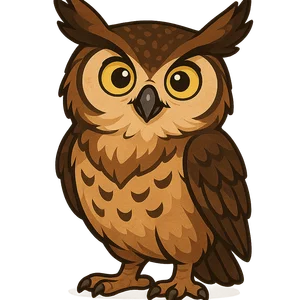
Great Horned Owl
A large, powerful owl known for its prominent ear tufts ('horns'), silent flight, and adaptable nature…
Reads at Grades 3–5 Listens at Grades 1–5
Print & create
Answer keys·No prep·Free with an account
28 worksheets · answer keys · full story · quiz · Ages 8-10 · CEFR B1
Plus adds 244,000+ more stories in 27 languages, audio for every one, and printables for all of them.
Just want Great Horned Owl?
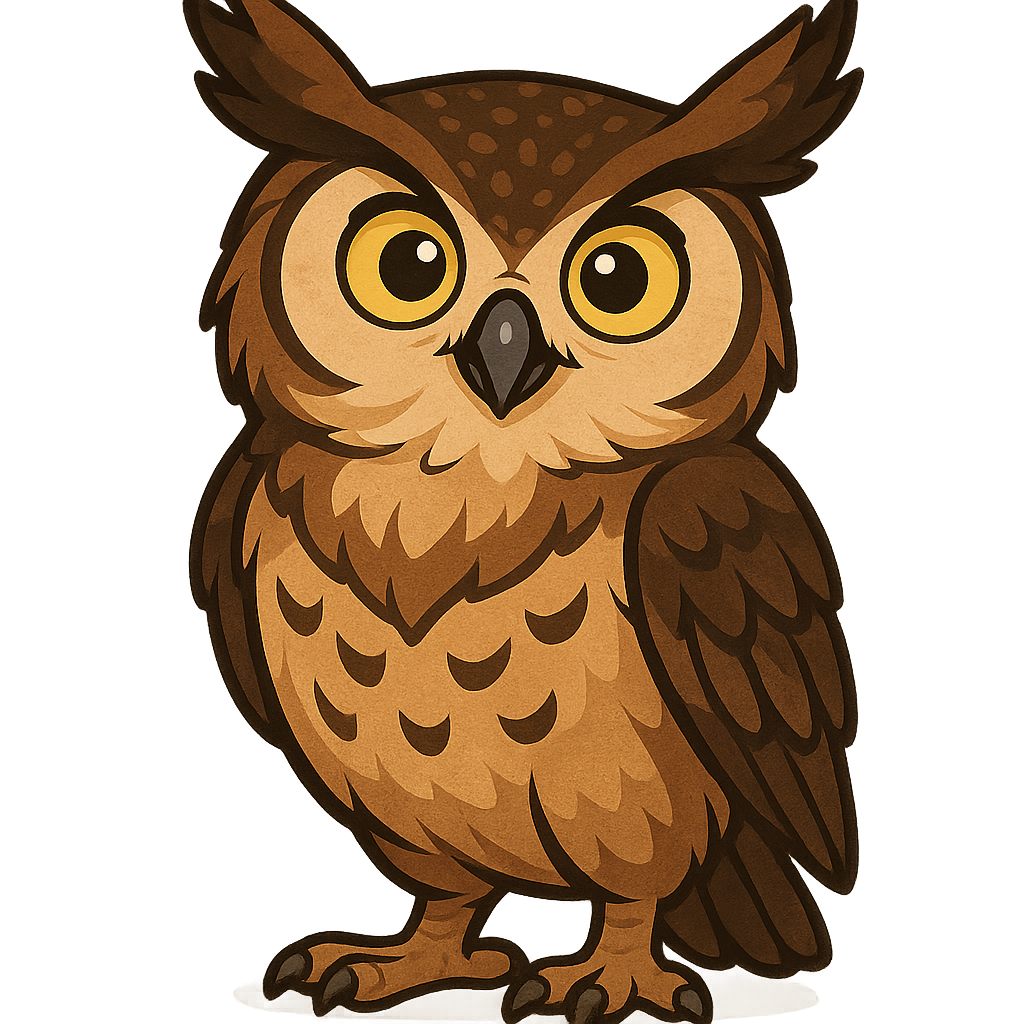
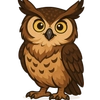
Hoo-hoo... hoo. Do you hear that sound in the twilight? That's me. I am a Great Horned Owl, one of the most common owls you can find all across the Americas. You would know me if you saw me. I have big, bright yellow eyes that can see so much in the dark and special tufts of feathers on my head that look just like horns. But they are not horns at all. They are soft feathers called plumicorns, and my real ears are actually hidden on the sides of my head. My life began around the year 2010, when I hatched from a small, white egg. My parents didn't build their own nest. Instead, they borrowed an old one that a hawk had left behind, high up in a tall tree where I would be safe.
As a young owlet, I was covered in fluffy, white down feathers. I couldn't fly or hunt for myself, so I depended completely on my parents for food and warmth. They would bring me tasty meals and keep me cozy in our nest. When I got a little older and stronger, I reached an exciting stage in my life called 'branching.' It was my first time leaving the nest, but I wasn't quite ready to fly. I would wobble out onto the tree limbs, hopping carefully from one branch to another, flapping my wings to keep my balance. It was a big, new world out there. During this time, my parents were always nearby, teaching me the essential skills I would need to survive. The most important lesson was how to be a great hunter by using my incredible senses to find food in the darkness.
I am a master of the silent hunt, and I have amazing adaptations that help me. The edges of my flight feathers are soft and fringed, which breaks up the air as I fly. This allows me to swoop through the night in complete silence, so my prey never hears me coming. My vision is powerful, letting me see clearly even when it is nearly dark. But my hearing is my greatest tool. My ears are asymmetrical, meaning one is slightly higher than the other. This helps me pinpoint the exact location of a tiny mouse rustling in the leaves below, just by listening. Once I locate my target, I use my strong talons to catch it. I am not a picky eater. My diet includes everything from small rodents to large rabbits. I will even eat skunks, because unlike many other animals, we owls don't have a very good sense of smell.
The Silent Hunter of the Night
Hoo-hoo... hoo. Do you hear that sound in the twilight? That's me. I am a Great Horned Owl, one of the most common owls you can find all across the Americas. You would know me if you saw me. I have big, bright yellow eyes that can see so much in the dark and special tufts of feathers on my head that look just like horns. But they are not horns at all. They are soft feathers called plumicorns, and my real ears are actually hidden on the sides of my head. My life began around the year 2010, when I hatched from a small, white egg. My parents didn't build their own nest. Instead, they borrowed an old one that a hawk had left behind, high up in a tall tree where I would be safe.
As a young owlet, I was covered in fluffy, white down feathers. I couldn't fly or hunt for myself, so I depended completely on my parents for food and warmth. They would bring me tasty meals and keep me cozy in our nest. When I got a little older and stronger, I reached an exciting stage in my life called 'branching.' It was my first time leaving the nest, but I wasn't quite ready to fly. I would wobble out onto the tree limbs, hopping carefully from one branch to another, flapping my wings to keep my balance. It was a big, new world out there. During this time, my parents were always nearby, teaching me the essential skills I would need to survive. The most important lesson was how to be a great hunter by using my incredible senses to find food in the darkness.
I am a master of the silent hunt, and I have amazing adaptations that help me. The edges of my flight feathers are soft and fringed, which breaks up the air as I fly. This allows me to swoop through the night in complete silence, so my prey never hears me coming. My vision is powerful, letting me see clearly even when it is nearly dark. But my hearing is my greatest tool. My ears are asymmetrical, meaning one is slightly higher than the other. This helps me pinpoint the exact location of a tiny mouse rustling in the leaves below, just by listening. Once I locate my target, I use my strong talons to catch it. I am not a picky eater. My diet includes everything from small rodents to large rabbits. I will even eat skunks, because unlike many other animals, we owls don't have a very good sense of smell.
My kind is very adaptable, which is why we can live in so many different places. You can find us in deep forests, swampy wetlands, scorching deserts, and even busy city parks all across North and South America. We have been known to people for a very long time. In fact, scientists officially gave my species its name, Bubo virginianus, way back in 1788. As more people learned about birds, they realized we needed to be protected. An important law called the Migratory Bird Treaty Act was created in 1918. This law helps protect birds like me, along with our nests and our eggs, making sure we have safe places to live and raise our families for years to come.
My story is still going, because I have a very important job to do in nature. As a top predator, I help keep the environment healthy and balanced. By hunting, I make sure that populations of rodents and other small animals don't get too large, which helps protect the plants and crops they might otherwise eat. In the wild, a Great Horned Owl like me can live to be about 15 years old, and we spend our entire lives playing our part in the ecosystem. So next time you are outside at dusk, listen carefully. You might just hear my deep, hooting call. It is a reminder of the wild and wonderful world that exists all around us, often just out of sight.
Wow facts
About
A large, powerful owl known for its prominent ear tufts ('horns'), silent flight, and adaptable nature, found throughout the Americas. It is an apex predator vital to its ecosystem.
Take a Quiz
Question 1 of 5
In the story, what does the owl say its 'horns' really are?
Explore next




Want to do even more?
Go beyond exploring. Unlock tools that turn every story into real learning.

Storypie Plus for families
Full stories, quizzes, and printables. Nights and car rides, sorted.
- Unlimited audio stories
- Create Mode: your child stars in the story
- Offline downloads
- Printable worksheets & coloring pages

Why Storypie for Schools
Students engaged. Prep in seconds. Evenings back to you.
- Worksheets & Quizzes
- Classroom Management
- Formative Assessment
- Custom Curriculum & Lesson Plans
- 27 Languages

Why Storypie for Homeschool
Curriculum done. They'll ask for more. Hours back in your day.
- Worksheet Generator
- First-Person Audio Stories
- Built-in Comprehension Quizzes
- Custom Curriculum & Lesson Plans
- Print & Go Activities