English

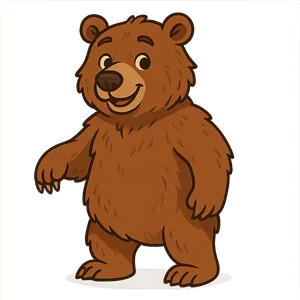
Grizzly Bear
A large North American subspecies of brown bear…
Reads at Grades K-2 Listens at K–3
Print & create
Answer keys·No prep·Free with an account
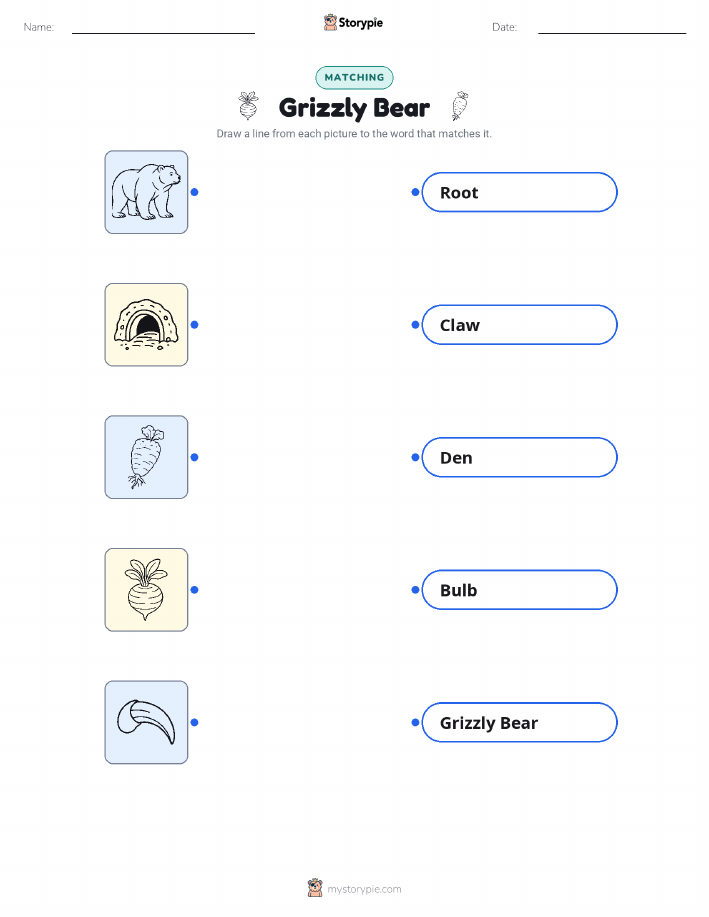
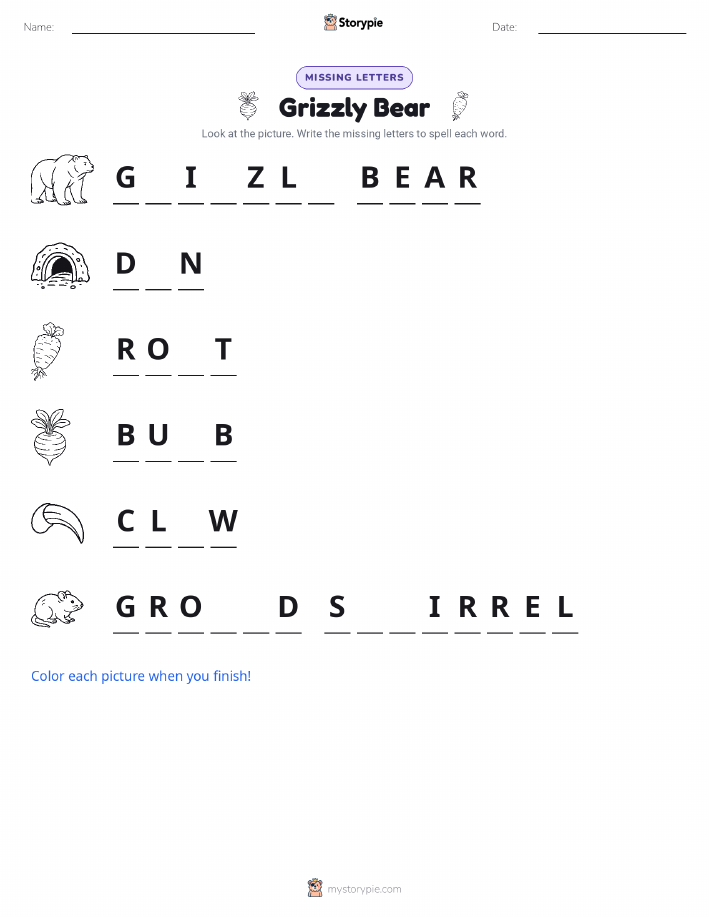
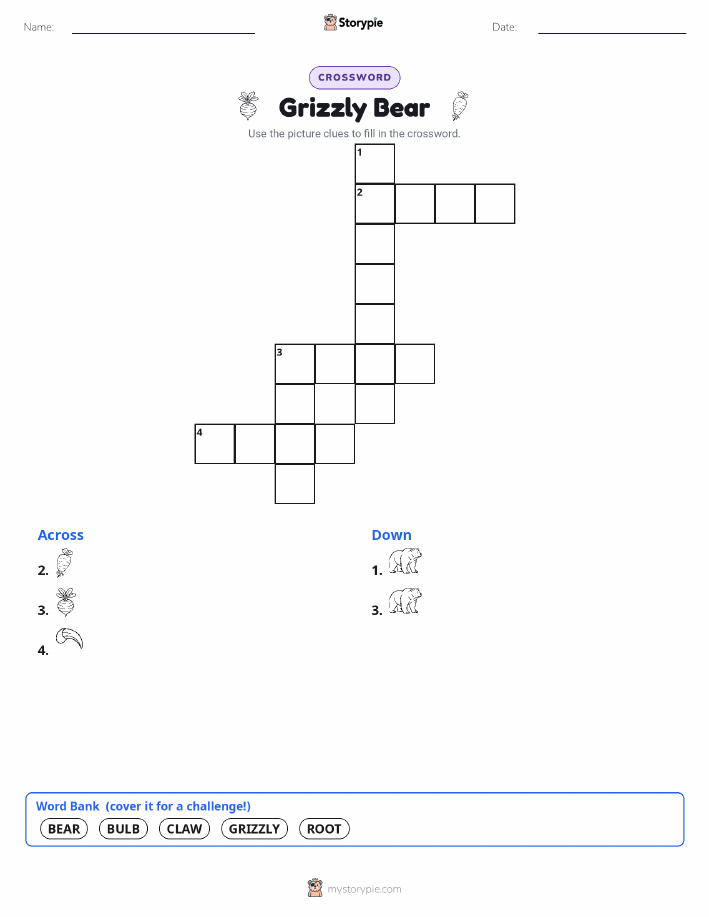
28 worksheets · answer keys · full story · quiz · Ages 6-8 · CEFR A2
Plus adds 244,000+ more stories in 27 languages, audio for every one, and printables for all of them.
Just want Grizzly Bear?
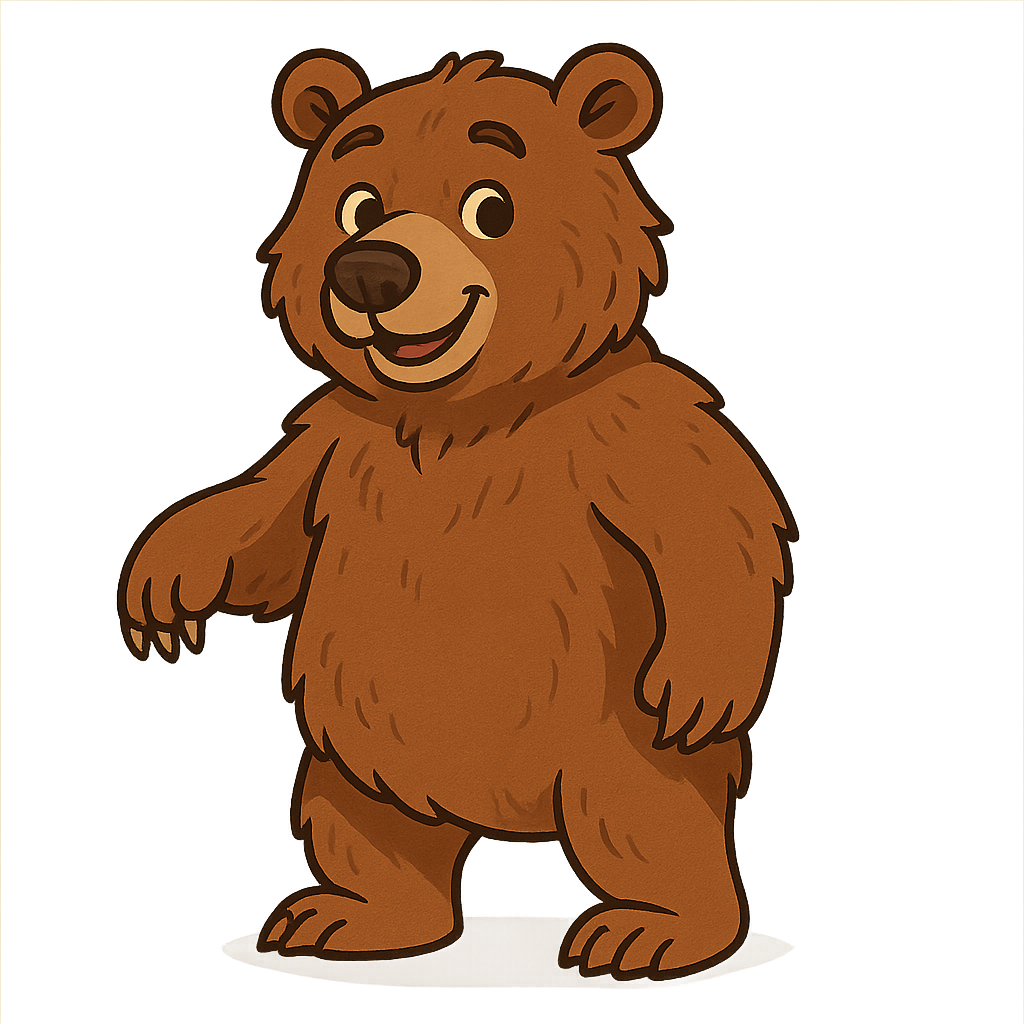
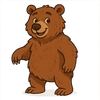
Hello there! My name is Grizzly, and I am a grizzly bear. Do you know how I got my name? It’s because the fur on my back has white tips, which makes me look “grizzled,” like I have sprinkles of frost on me all year long. I was born in the middle of a cold winter, around January, inside a warm and cozy den that my mom dug herself. When I was born, I was very tiny, about the size of a squirrel, and newborn grizzly bear cubs have very short, fine hair that offers minimal warmth, so they depend on their mother's body heat for insulation. My eyes were closed, too. For the first few months of my life, my world was that dark, snug den. I spent all my time snuggling with my brothers and sisters and drinking my mom’s warm milk. We just had to wait for the snow to melt and for spring to finally arrive.
When the sun finally warmed up the earth, my mom led us out of the den for the first time. The world was so big and bright. My life in our forest school began. Grizzly bear cubs learn to use their long, curved claws for digging by observing their mother's behavior. I have a big muscle hump on my shoulders that gives me extra power for digging. We would search for yummy roots and tasty insects to eat. Mom also taught us to stand up on our back legs. It felt a little wobbly at first, but it helped us see and smell farther. My nose is super powerful, and I could sniff out a patch of sweet berries from far away. One of my favorite lessons was learning how to fish. We would go to the river, and I’d watch my mom snatch slippery fish right out of the rushing water. It took a lot of practice, but soon I was catching fish all by myself. It was so much fun.
A Grizzly Bear's Forest Tale
Hello there! My name is Grizzly, and I am a grizzly bear. Do you know how I got my name? It’s because the fur on my back has white tips, which makes me look “grizzled,” like I have sprinkles of frost on me all year long. I was born in the middle of a cold winter, around January, inside a warm and cozy den that my mom dug herself. When I was born, I was very tiny, about the size of a squirrel, and newborn grizzly bear cubs have very short, fine hair that offers minimal warmth, so they depend on their mother's body heat for insulation. My eyes were closed, too. For the first few months of my life, my world was that dark, snug den. I spent all my time snuggling with my brothers and sisters and drinking my mom’s warm milk. We just had to wait for the snow to melt and for spring to finally arrive.
When the sun finally warmed up the earth, my mom led us out of the den for the first time. The world was so big and bright. My life in our forest school began. Grizzly bear cubs learn to use their long, curved claws for digging by observing their mother's behavior. I have a big muscle hump on my shoulders that gives me extra power for digging. We would search for yummy roots and tasty insects to eat. Mom also taught us to stand up on our back legs. It felt a little wobbly at first, but it helped us see and smell farther. My nose is super powerful, and I could sniff out a patch of sweet berries from far away. One of my favorite lessons was learning how to fish. We would go to the river, and I’d watch my mom snatch slippery fish right out of the rushing water. It took a lot of practice, but soon I was catching fish all by myself. It was so much fun.
As the leaves started to change color in the fall, my mom told us it was time to get ready for the big sleep. My only job was to eat, eat, and eat some more. I ate berries, nuts, roots, and fish until my belly was round and full. This special time of constant eating is called hyperphagia, and it helps me store up enough fat to last the whole winter. Once I was plump and sleepy, it was time to find the perfect spot for a new den. It had to be safe and sheltered from the wind and snow. This den would be my home for my long winter nap, which is called hibernation. During this special sleep, my body slows way down. My heart beats slower, and I breathe less. I don’t need to eat or drink anything until the snow melts and spring wakes me up again.
Now that I'm grown, I have a very important job in my forest home. A long time ago, on July 28th, 1975, people decided that my grizzly bear family needed to be protected. While people have implemented conservation efforts to protect grizzly bear habitats, challenges like habitat loss and human-bear conflicts continue to pose threats. I am like a forest gardener. When I use my strong claws to dig for roots, I mix up the soil, which makes it easier for new seeds and plants to grow. And when I eat juicy berries, I walk all over the forest and spread the seeds in my droppings, planting new berry bushes everywhere I go. I am proud to be a grizzly bear, and I love helping to keep my forest home healthy and wild for all the other animals that live here with me.
Wow facts
About
A large North American subspecies of brown bear, known for the distinctive hump on its shoulders and long claws. They are omnivores and play a crucial role as a keystone species in their ecosystem.
Take a Quiz
Question 1 of 4
Why is the narrator called a 'grizzly' bear?
Explore next

Want to do even more?
Go beyond exploring. Unlock tools that turn every story into real learning.

Storypie Plus for families
Full stories, quizzes, and printables. Nights and car rides, sorted.
- Unlimited audio stories
- Create Mode: your child stars in the story
- Offline downloads
- Printable worksheets & coloring pages

Why Storypie for Schools
Students engaged. Prep in seconds. Evenings back to you.
- Worksheets & Quizzes
- Classroom Management
- Formative Assessment
- Custom Curriculum & Lesson Plans
- 27 Languages

Why Storypie for Homeschool
Curriculum done. They'll ask for more. Hours back in your day.
- Worksheet Generator
- First-Person Audio Stories
- Built-in Comprehension Quizzes
- Custom Curriculum & Lesson Plans
- Print & Go Activities