English

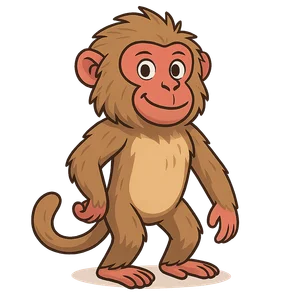
Japanese Macaque
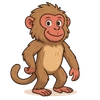
The Japanese Macaque, also known as the snow monkey, is a terrestrial primate native to Japan.
Reads at Grades 3–5 Listens at Grades 1–5
Print & create
Answer keys·No prep·Free with an account
28 worksheets · answer keys · full story · quiz · Ages 8-10 · CEFR B1
Plus adds 164,000+ more stories in 27 languages, audio for every one, and printables for all of them.
Just want Japanese Macaque?
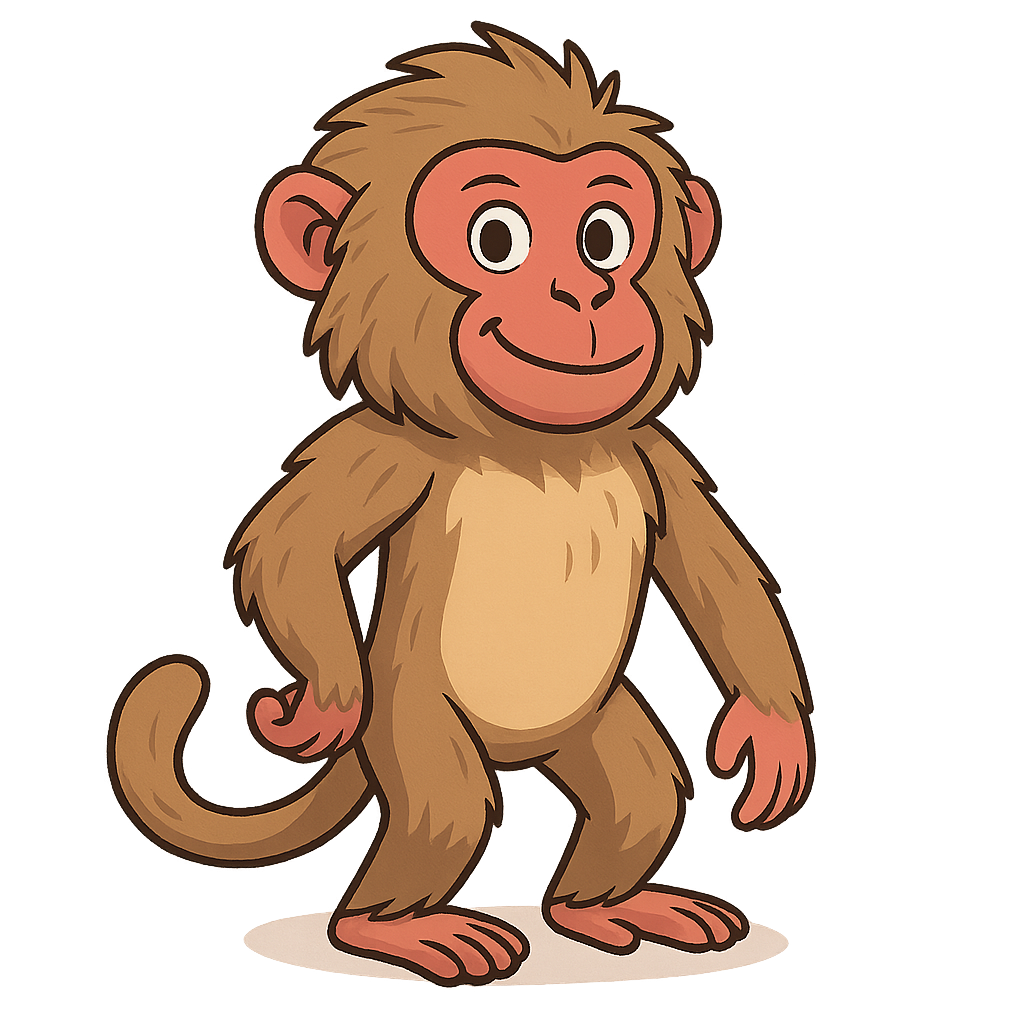
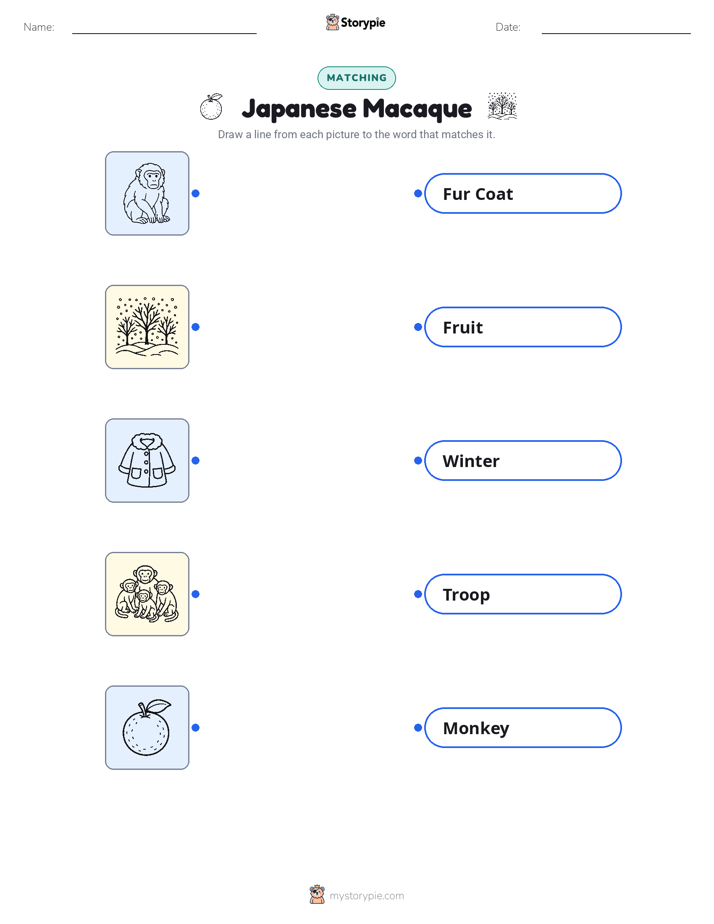
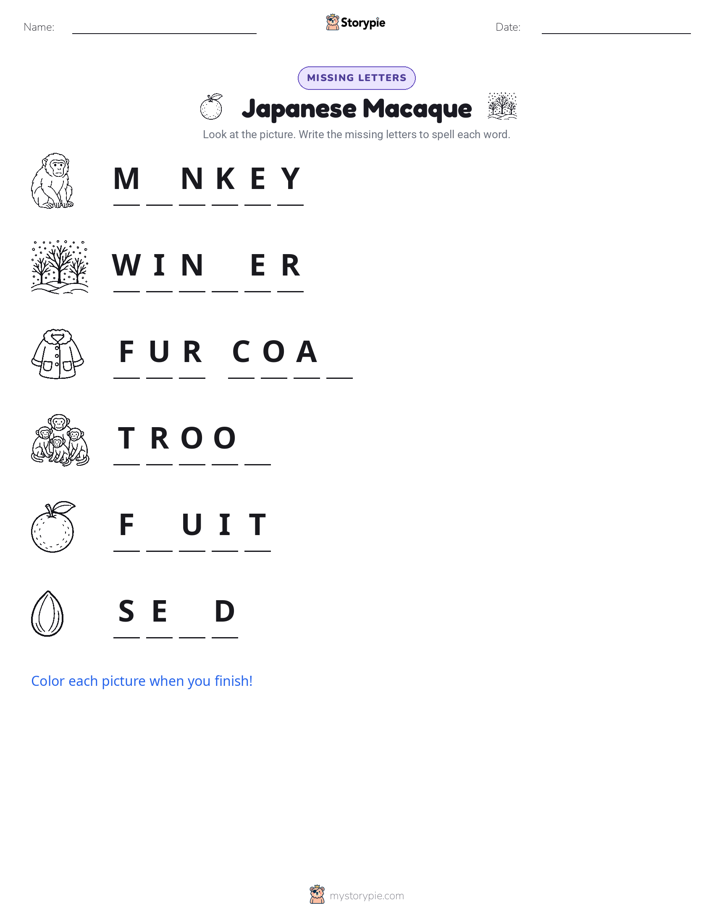
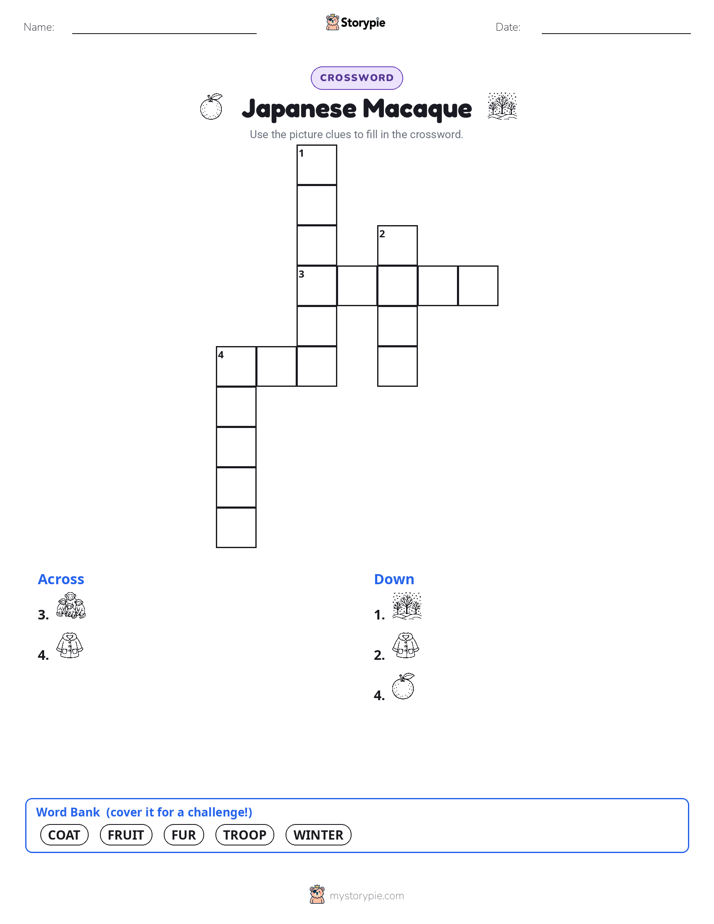
Hello from the snowy mountains! You can call me a Japanese Macaque, but many people know me by my nickname, 'snow monkey.' My home is in the beautiful, snowy mountains of Japan. It gets very cold here, but I don't mind. I live further north than any other monkey in the whole world, except for humans. To stay warm, I have a very special coat. My fur is thick and brown-grey, and it works just like a cozy winter jacket to protect me from the wind and snow. You might also notice my face. It’s bright red and doesn't have much fur on it. My face actually gets even redder when I feel excited or when the air gets extra chilly. It’s one of the first things people notice about me!
I never have to face the cold alone because I live with my big, busy family. My family group is called a troop, and it can have dozens of my relatives, from grandparents to tiny babies. We are very social animals and we always stick together. In our troop, everyone has a place. There is an alpha male who is our leader, and he helps keep us safe. One of the most important things we do together is grooming. We carefully pick through each other's fur with our fingers. This isn't just about getting clean; it's how we show that we are friends and care for one another. It feels very relaxing. When we aren't relaxing, we are foraging for food. We search the forest floor and trees for delicious fruits, seeds, and fresh leaves. Sometimes, if we're lucky, we find tasty insects to eat, too.
My kind is known for being quite clever, and I want to tell you about two of our most famous habits. The first story happened back around 1953 on an island called Koshima. A smart young female in the troop had a brilliant idea. She had a sweet potato that was covered in sand, so she took it to a stream to wash it clean before eating it. Soon, her family and friends saw what she was doing and started copying her! This just shows how we can learn new things from each other. My other favorite thing to do, especially in the winter, is to take a long, warm bath in a natural hot spring, which is called an onsen in Japan. The feeling of steam rising around me as I soak in the hot water is perfect on a snowy day. In 1964, some kind people created a special place just for us called the Jigokudani Monkey Park, so we would always have a safe and private hot tub to warm up in.
The Snow Monkey of Japan
Hello from the snowy mountains! You can call me a Japanese Macaque, but many people know me by my nickname, 'snow monkey.' My home is in the beautiful, snowy mountains of Japan. It gets very cold here, but I don't mind. I live further north than any other monkey in the whole world, except for humans. To stay warm, I have a very special coat. My fur is thick and brown-grey, and it works just like a cozy winter jacket to protect me from the wind and snow. You might also notice my face. It’s bright red and doesn't have much fur on it. My face actually gets even redder when I feel excited or when the air gets extra chilly. It’s one of the first things people notice about me!
I never have to face the cold alone because I live with my big, busy family. My family group is called a troop, and it can have dozens of my relatives, from grandparents to tiny babies. We are very social animals and we always stick together. In our troop, everyone has a place. There is an alpha male who is our leader, and he helps keep us safe. One of the most important things we do together is grooming. We carefully pick through each other's fur with our fingers. This isn't just about getting clean; it's how we show that we are friends and care for one another. It feels very relaxing. When we aren't relaxing, we are foraging for food. We search the forest floor and trees for delicious fruits, seeds, and fresh leaves. Sometimes, if we're lucky, we find tasty insects to eat, too.
My kind is known for being quite clever, and I want to tell you about two of our most famous habits. The first story happened back around 1953 on an island called Koshima. A smart young female in the troop had a brilliant idea. She had a sweet potato that was covered in sand, so she took it to a stream to wash it clean before eating it. Soon, her family and friends saw what she was doing and started copying her! This just shows how we can learn new things from each other. My other favorite thing to do, especially in the winter, is to take a long, warm bath in a natural hot spring, which is called an onsen in Japan. The feeling of steam rising around me as I soak in the hot water is perfect on a snowy day. In 1964, some kind people created a special place just for us called the Jigokudani Monkey Park, so we would always have a safe and private hot tub to warm up in.
Living in these forests isn't just about finding food and staying warm; I have an important job to do for my ecosystem. When I eat a juicy fruit and then travel through the forest, I drop the seeds in new places. This helps new trees and other plants begin to grow, which keeps the forest healthy and strong for all the animals that live here. My troop and I are a special part of Japan’s wild beauty. We live for about 25 to 30 years, carrying on the traditions of our ancestors, like washing our food and enjoying our hot springs. My story is a reminder of the amazing and clever animals that share our world and the special ways we have learned to live in it.
Wow facts
About
The Japanese Macaque, also known as the snow monkey, is a terrestrial primate native to Japan. They are famous for their ability to survive in cold, snowy climates and for their behavior of bathing in natural hot springs, which is also seen in other types of monkeys.
Take a Quiz
Question 1 of 5
Why does the Japanese Macaque say that grooming is important to its troop?
Explore next



Want to do even more?
Go beyond exploring. Unlock tools that turn every story into real learning.

Storypie Plus for families
Full stories, quizzes, and printables. Nights and car rides, sorted.
- Unlimited audio stories
- Create Mode: your child stars in the story
- Offline downloads
- Printable worksheets & coloring pages

Why Storypie for Schools
Students engaged. Prep in seconds. Evenings back to you.
- Worksheets & Quizzes
- Classroom Management
- Formative Assessment
- Custom Curriculum & Lesson Plans
- 27 Languages

Why Storypie for Homeschool
Curriculum done. They'll ask for more. Hours back in your day.
- Worksheet Generator
- First-Person Audio Stories
- Built-in Comprehension Quizzes
- Custom Curriculum & Lesson Plans
- Print & Go Activities