English

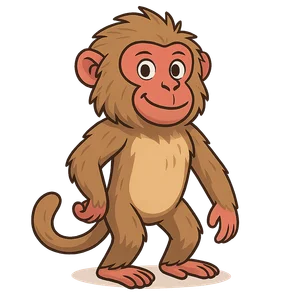
Japanese Macaque
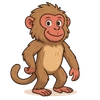
The Japanese Macaque, also known as the snow monkey, is a terrestrial primate native to Japan.
Reads at Grades 6–8 Listens at Grades 4–8
Print & create
Answer keys·No prep·Free with an account
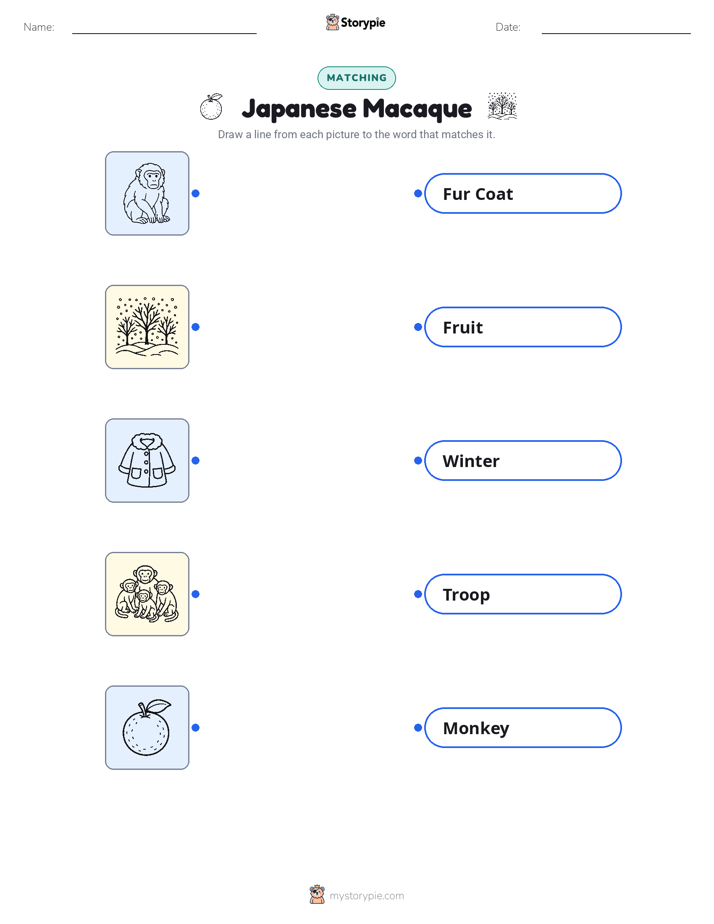
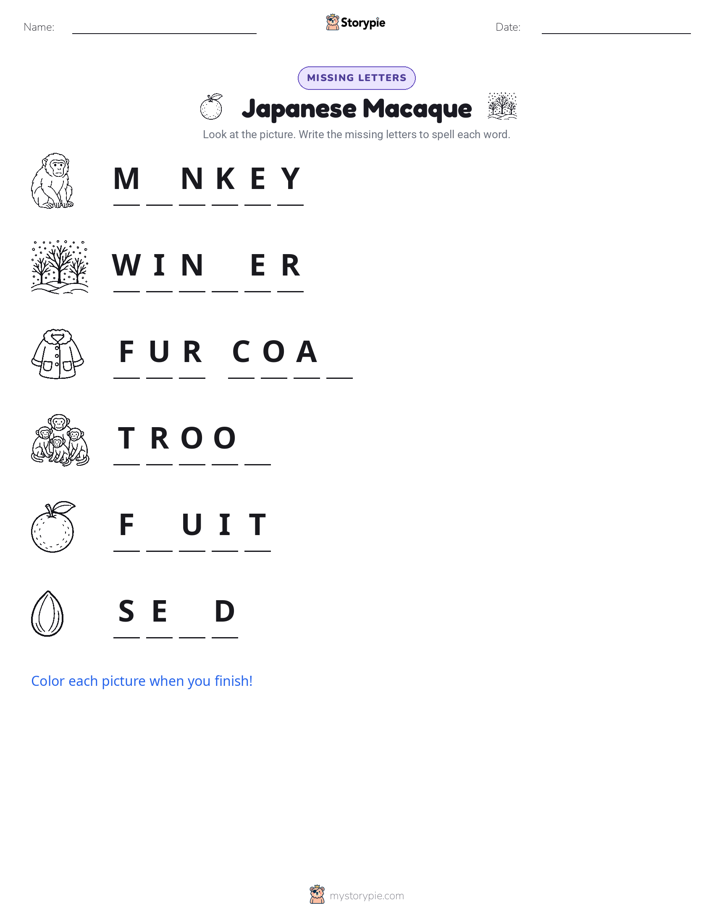
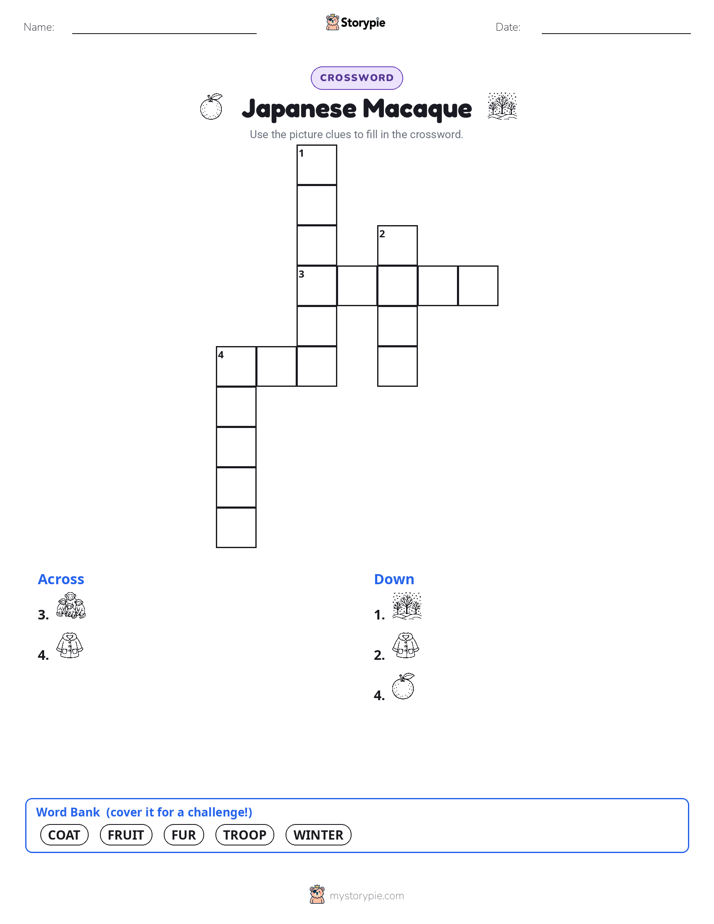
28 worksheets · answer keys · full story · quiz · Ages 10-12 · CEFR B2
Plus adds 164,000+ more stories in 27 languages, audio for every one, and printables for all of them.
Just want Japanese Macaque?
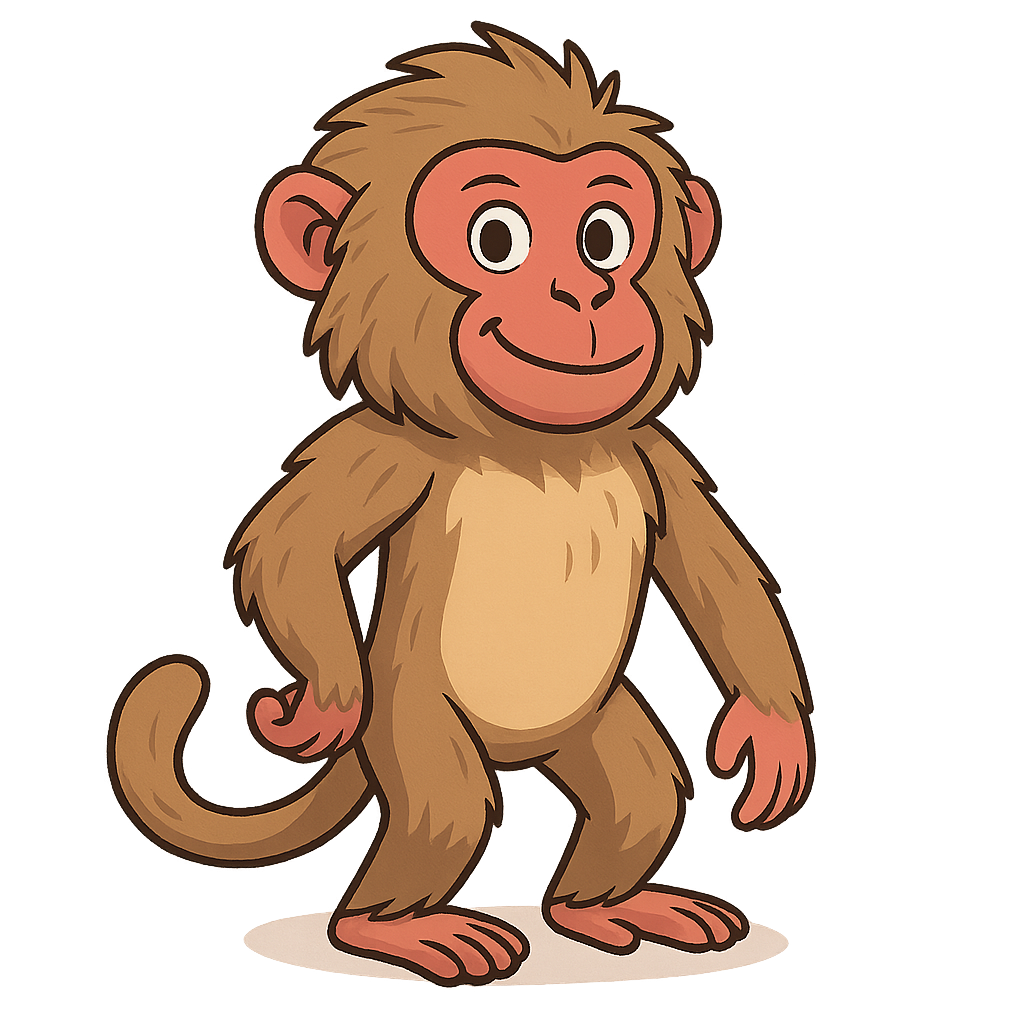
My story begins in the spring of 2010, on the beautiful island of Honshu, Japan. I am a Japanese Macaque, but you might know me by my more common name: a snow monkey. I was born into a world of towering mountains and deep, snowy winters. My fur, a dense coat of grayish-brown, is my constant protection against the cold, and my face is a distinctive shade of red that stands out against the white landscape. I don't live alone; I am part of a large family group that we call a troop. Our society is what scientists call matriarchal. This means that the females are the leaders, and our social standing is inherited directly from our mothers. From the moment I was born, I knew my place in our intricate community, a web of relationships that would guide me for my entire life.
My childhood was filled with lessons on how to survive. My mother and the other experienced members of my troop taught me everything I needed to know. We are omnivores, which means we eat a wide variety of foods. Depending on the season, we forage for juicy fruits, tiny seeds, interesting insects, and even the bark from trees when other food is scarce. One of our most useful features is our cheek pouches. I quickly learned to stuff them with extra food, saving a snack for later when I could eat it in peace. Our ability to learn is one of our greatest strengths. Long before I was born, a young female macaque named Imo on Koshima Island became a legend. In 1953, she discovered that she could wash the sand off sweet potatoes in the ocean before eating them. This brilliant idea was a new skill that she shared, and soon, it spread throughout her entire troop. Imo’s story shows how we macaques can develop our own culture, passing knowledge from one generation to the next.
A Monkey's Tale from the Snowy Mountains
My story begins in the spring of 2010, on the beautiful island of Honshu, Japan. I am a Japanese Macaque, but you might know me by my more common name: a snow monkey. I was born into a world of towering mountains and deep, snowy winters. My fur, a dense coat of grayish-brown, is my constant protection against the cold, and my face is a distinctive shade of red that stands out against the white landscape. I don't live alone; I am part of a large family group that we call a troop. Our society is what scientists call matriarchal. This means that the females are the leaders, and our social standing is inherited directly from our mothers. From the moment I was born, I knew my place in our intricate community, a web of relationships that would guide me for my entire life.
My childhood was filled with lessons on how to survive. My mother and the other experienced members of my troop taught me everything I needed to know. We are omnivores, which means we eat a wide variety of foods. Depending on the season, we forage for juicy fruits, tiny seeds, interesting insects, and even the bark from trees when other food is scarce. One of our most useful features is our cheek pouches. I quickly learned to stuff them with extra food, saving a snack for later when I could eat it in peace. Our ability to learn is one of our greatest strengths. Long before I was born, a young female macaque named Imo on Koshima Island became a legend. In 1953, she discovered that she could wash the sand off sweet potatoes in the ocean before eating them. This brilliant idea was a new skill that she shared, and soon, it spread throughout her entire troop. Imo’s story shows how we macaques can develop our own culture, passing knowledge from one generation to the next.
Perhaps the most famous thing about my kind is our love for a warm bath. We are known for soaking in natural hot springs, which are called 'onsen' in Japan. This isn't something every macaque is born knowing; it is a learned behavior, much like washing potatoes. My ancestors living in the Jigokudani valley were the first to try it. Around 1963, they observed humans relaxing in their own outdoor baths and, driven by curiosity, they decided to try it for themselves. At first, this caused a bit of a problem, as we were joining people at their inns. To solve this and give us our own safe space, the Jigokudani Monkey Park was established for us in 1964. The park gave us our very own exclusive hot spring pool. There is nothing quite like the feeling of sinking into the warm, steamy water while snow falls gently all around. It's not just for comfort; this practice helps us conserve precious body heat and energy, allowing us to survive the harsh winters. The onsen is also a central place for our troop to socialize, where we can relax together and groom each other’s fur.
Our world is a complex one, especially where it overlaps with the world of humans. While thousands of people visit the park each year to admire us, our lives beyond this sanctuary face challenges. Our natural forest habitats are shrinking as towns and cities expand. This means we have to travel farther to find enough food to feed our families. Sometimes, our search for food leads us to venture onto farms, which can cause conflicts with our human neighbors. We are a protected species here in Japan, which gives us some security, but our long-term future truly depends on our ability to coexist peacefully. Finding a balance where both humans and macaques can thrive is the greatest challenge we face today.
As I reflect on my life, I understand what makes us so special. We are the most northern-living non-human primates in the world, a testament to our incredible resilience. Our intelligence, our complex social lives, and our remarkable ability to adapt have allowed us to make a home in a land of snow and ice. From Imo's clever potato-washing technique in 1953 to our troop's discovery of hot springs in 1963, we have shown that we can learn and change. We Japanese Macaques typically live to be about 25 to 30 years old. My greatest hope is that my story helps people understand our world and inspires them to protect the beautiful, snowy mountains that we call home. By doing so, you can ensure that our troops will continue to flourish for many generations to come.
Wow facts
About
The Japanese Macaque, also known as the snow monkey, is a terrestrial primate native to Japan. They are famous for their ability to survive in cold, snowy climates and for their behavior of bathing in natural hot springs, which is also seen in other types of monkeys.
Take a Quiz
Question 1 of 5
Retell the story of how the narrator's ancestors began using hot springs, including the key dates.
Explore next




Want to do even more?
Go beyond exploring. Unlock tools that turn every story into real learning.

Storypie Plus for families
Full stories, quizzes, and printables. Nights and car rides, sorted.
- Unlimited audio stories
- Create Mode: your child stars in the story
- Offline downloads
- Printable worksheets & coloring pages

Why Storypie for Schools
Students engaged. Prep in seconds. Evenings back to you.
- Worksheets & Quizzes
- Classroom Management
- Formative Assessment
- Custom Curriculum & Lesson Plans
- 27 Languages

Why Storypie for Homeschool
Curriculum done. They'll ask for more. Hours back in your day.
- Worksheet Generator
- First-Person Audio Stories
- Built-in Comprehension Quizzes
- Custom Curriculum & Lesson Plans
- Print & Go Activities