English

Marine Iguana
The Marine Iguana is a species of iguana found only on the Galápagos Islands that has the unique ability…
Reads at Grades 6–8 Listens at Grades 4–8
Print & create
Answer keys·No prep·Free with an account
28 worksheets · answer keys · full story · quiz · Ages 10-12 · CEFR B2
Plus adds 164,000+ more stories in 27 languages, audio for every one, and printables for all of them.
Just want Marine Iguana?
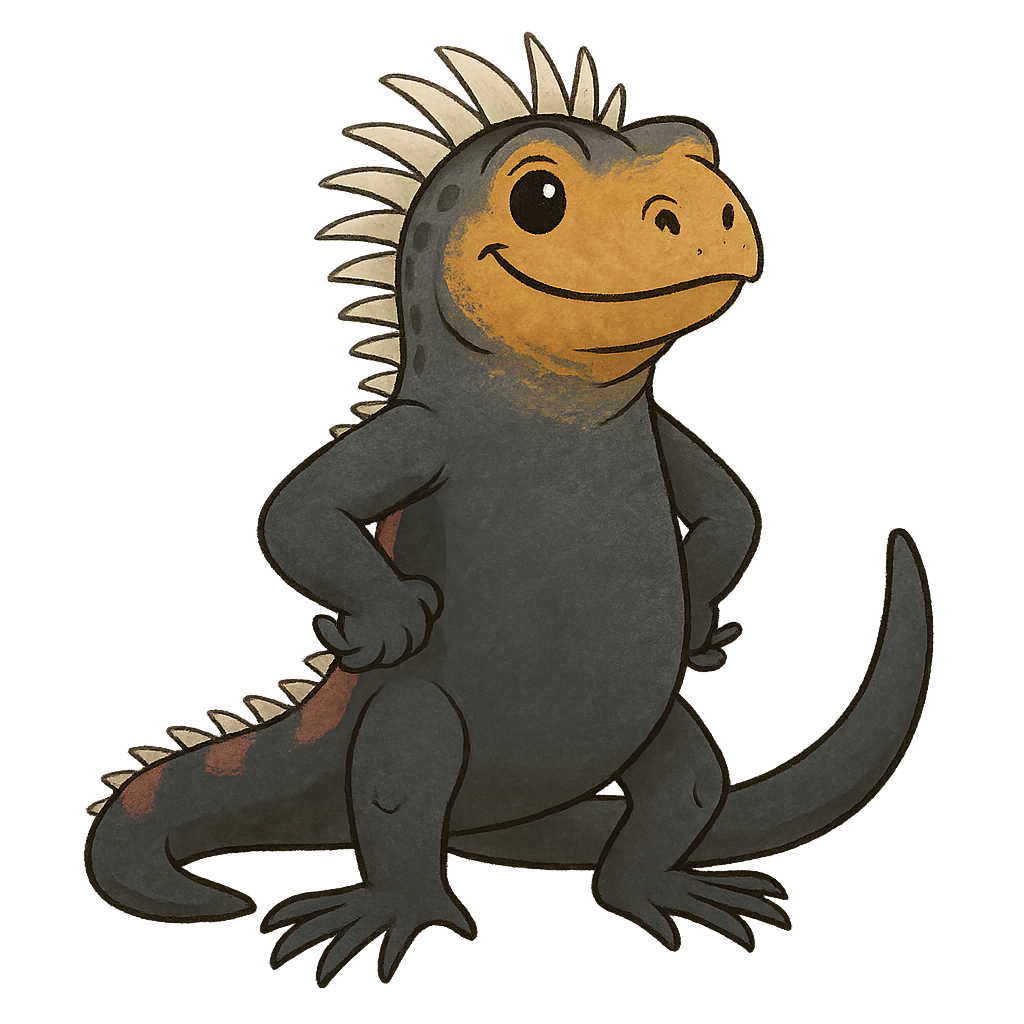
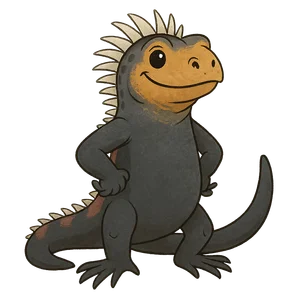
Hello, I am a marine iguana, and my story is one of adaptation and survival on the volcanic shores of the Galápagos Islands. I am known for being the only lizard in the world that swims and finds its food in the ocean. My home is a dramatic landscape of dark, hardened lava and the constant sound of crashing waves. When you see me, you might notice my dark, scaly skin and the row of spikes that runs down my back, which is called a crest. These features aren't just for show; they are essential tools for my life. My dark skin is perfect for absorbing the heat from the sun, which is vital because I spend so much time in the cold ocean. I begin each day by finding a comfortable spot on the warm volcanic rock, positioning myself to soak in as much of the sun’s energy as possible. This is how I prepare for the adventures that await me beneath the waves.
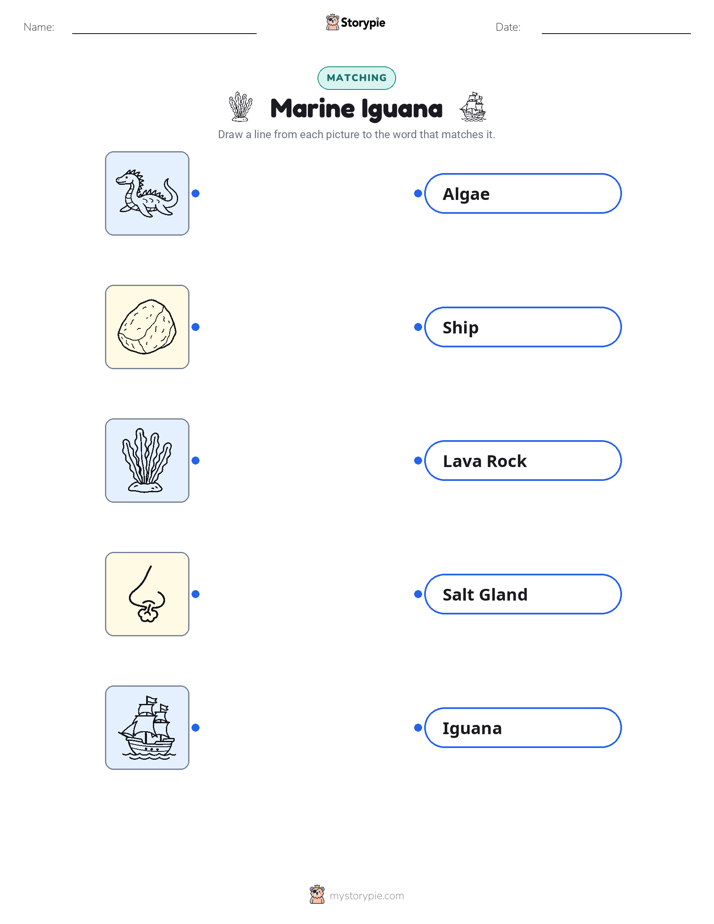
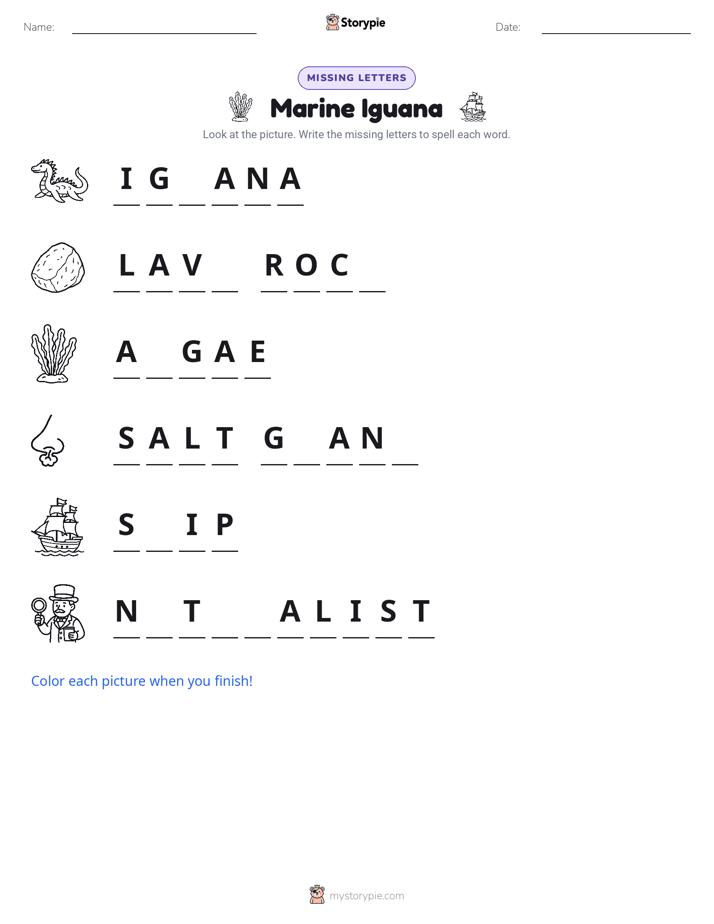
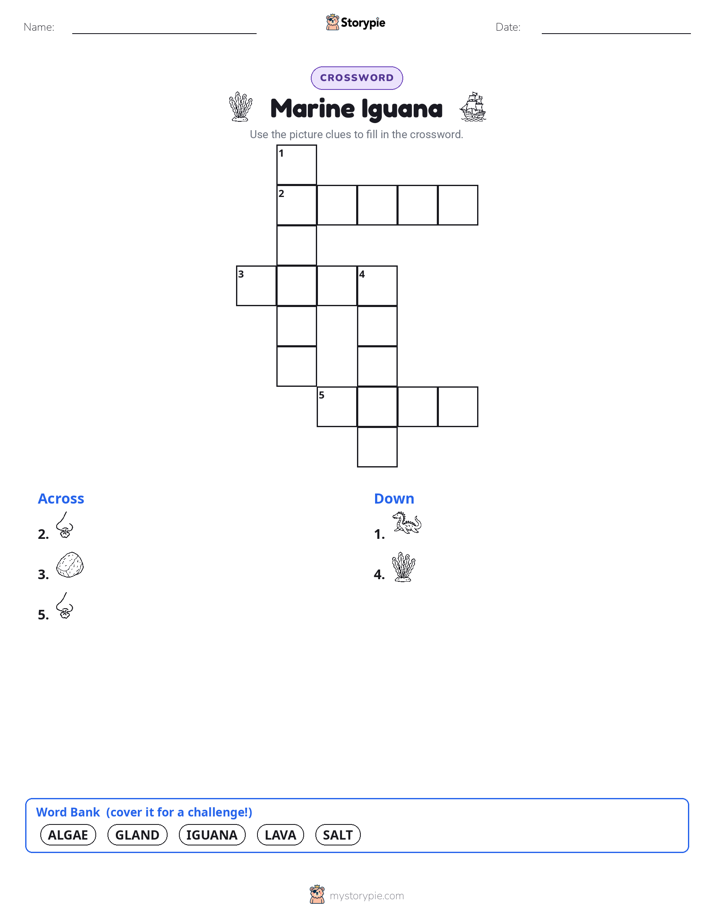
Once I have stored enough warmth, my daily dive for dinner begins. Plunging into the chilly Pacific Ocean can be a shock, but it is where my food lives. To keep from being swept away by the strong currents, I use my long, sharp claws to grip tightly onto the underwater rocks. My body is designed for this life; I swim by moving my flattened tail from side to side, much like a crocodile does. My search is for one thing: marine algae, the green and red plants that grow on the submerged rocks. To eat it, I use my short, blunt snout, which is perfectly shaped for scraping the algae from the surfaces. Swallowing so much seawater means I also take in a lot of salt, but I have a special way of dealing with that. I have glands connected to my nose that filter out the excess salt, and then I simply sneeze it out. It looks like a fine mist shooting into the air, a unique sight on these islands.
The Sea Lizard of the Galápagos
Hello, I am a marine iguana, and my story is one of adaptation and survival on the volcanic shores of the Galápagos Islands. I am known for being the only lizard in the world that swims and finds its food in the ocean. My home is a dramatic landscape of dark, hardened lava and the constant sound of crashing waves. When you see me, you might notice my dark, scaly skin and the row of spikes that runs down my back, which is called a crest. These features aren't just for show; they are essential tools for my life. My dark skin is perfect for absorbing the heat from the sun, which is vital because I spend so much time in the cold ocean. I begin each day by finding a comfortable spot on the warm volcanic rock, positioning myself to soak in as much of the sun’s energy as possible. This is how I prepare for the adventures that await me beneath the waves.
Once I have stored enough warmth, my daily dive for dinner begins. Plunging into the chilly Pacific Ocean can be a shock, but it is where my food lives. To keep from being swept away by the strong currents, I use my long, sharp claws to grip tightly onto the underwater rocks. My body is designed for this life; I swim by moving my flattened tail from side to side, much like a crocodile does. My search is for one thing: marine algae, the green and red plants that grow on the submerged rocks. To eat it, I use my short, blunt snout, which is perfectly shaped for scraping the algae from the surfaces. Swallowing so much seawater means I also take in a lot of salt, but I have a special way of dealing with that. I have glands connected to my nose that filter out the excess salt, and then I simply sneeze it out. It looks like a fine mist shooting into the air, a unique sight on these islands.
My ancestors have passed down stories for generations, including one about a curious visitor who arrived on our shores in 1835. His name was Charles Darwin, a naturalist who sailed here on his ship. He was fascinated by us, studying our habits and marveling at a lizard that lived its life connected to the sea. While visitors like him were interesting, the greatest challenge my kind has ever faced is a natural one. It is a climate pattern known as El Niño, which periodically warms the ocean waters around my island home. When this happens, the marine algae I depend on for food disappears. During the severe El Niño event of 1997-1998, my species faced starvation. But we have an incredible survival superpower: we can shrink. To conserve energy when food is scarce, we can actually make our skeletons smaller. It is a remarkable adaptation that allows us to survive until the waters cool and the algae return, at which point we grow back to our normal size.
My role here is more than just surviving; I am a guardian of the coast. By grazing on marine algae, I help keep its growth in balance, which is important for the health of the entire coastal ecosystem. Recognizing the uniqueness of my home, humans took steps to protect it. In 1959, the Galápagos National Park was created, and in 1978, the islands were designated a UNESCO World Heritage site. These protections help ensure that my kind, and all the other special creatures here, have a safe place to live. Our ability to shrink and grow, to swim in the sea, and to sneeze salt makes us a living example of evolution in action. My story is a reminder that protecting unique environments like the Galápagos is vital, as they hold the keys to understanding life's amazing ability to adapt and thrive.
Wow facts
About
The Marine Iguana is a species of iguana found only on the Galápagos Islands that has the unique ability among modern lizards to forage in the sea, making it a terrestrial reptile adapted to a marine lifestyle.
Take a Quiz
Question 1 of 5
What is the biggest environmental challenge the marine iguana faces in the story, and how does it affect their home?
Explore next




Want to do even more?
Go beyond exploring. Unlock tools that turn every story into real learning.

Storypie Plus for families
Full stories, quizzes, and printables. Nights and car rides, sorted.
- Unlimited audio stories
- Create Mode: your child stars in the story
- Offline downloads
- Printable worksheets & coloring pages

Why Storypie for Schools
Students engaged. Prep in seconds. Evenings back to you.
- Worksheets & Quizzes
- Classroom Management
- Formative Assessment
- Custom Curriculum & Lesson Plans
- 27 Languages

Why Storypie for Homeschool
Curriculum done. They'll ask for more. Hours back in your day.
- Worksheet Generator
- First-Person Audio Stories
- Built-in Comprehension Quizzes
- Custom Curriculum & Lesson Plans
- Print & Go Activities