English

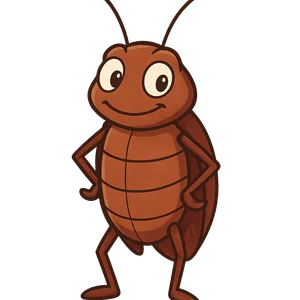
Roaches
Roaches are a group of insects in the order Blattodea…
Reads at Grades 3–5 Listens at Grades 1–5
 Screen-free speaker. Built for your kids.
No card, no commitment. One email when there is real news, and one click to stop.
Print & create
Answer keys·No prep·Free with an account
28 worksheets · answer keys · full story · quiz · Ages 8-10 · CEFR B1
Plus adds 102,000+ more stories in 27 languages, audio for every one, and printables for all of them.
Just want Roaches?
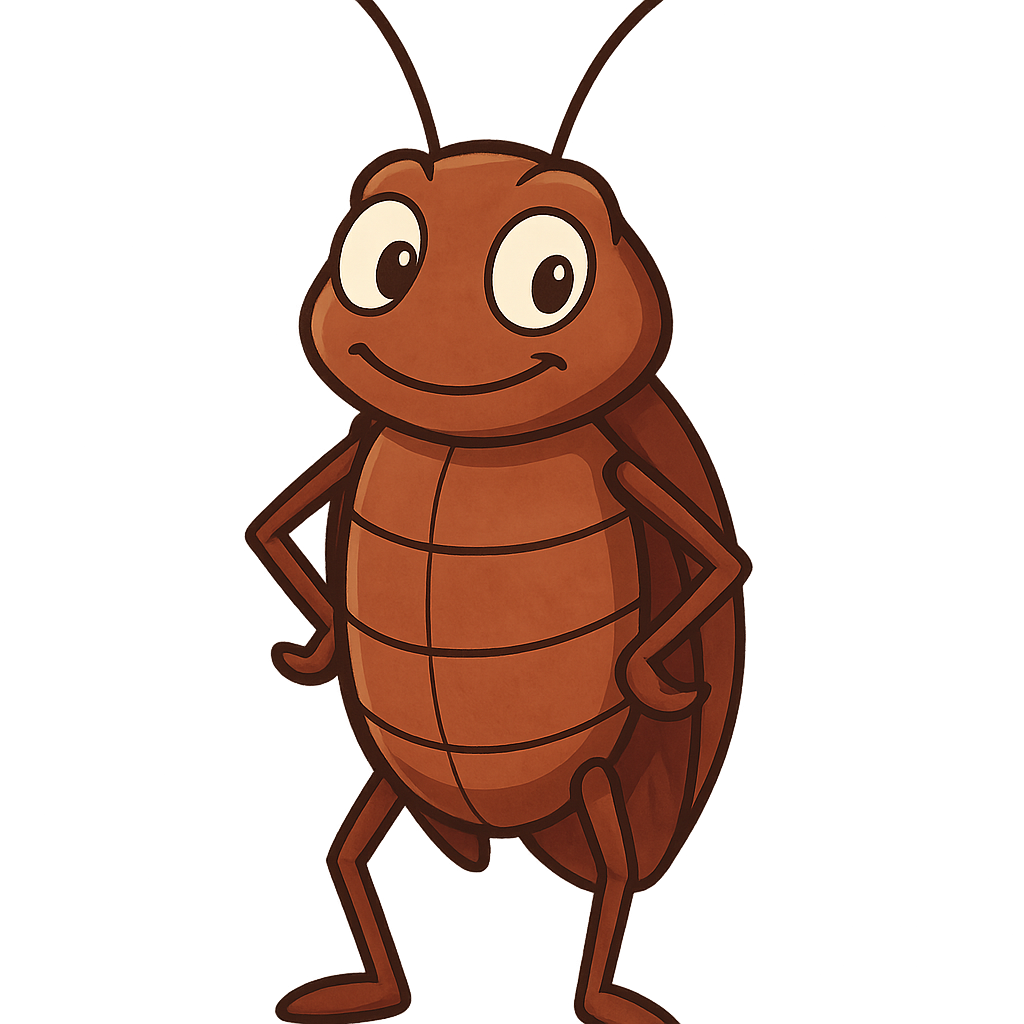
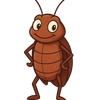
Hello! My name might make you squirm, but I hope you'll listen to my story. I'm a roach, and my family is one of the oldest on Earth. My great-great-great ancestors were scuttling around during the Carboniferous period, about 320 million years ago. That means we were here long before the dinosaurs even showed up! We watched the world change in incredible ways, from the rise and fall of giant ferns to the shifting of the continents. Through it all, my family survived, adapting to whatever challenges came our way.
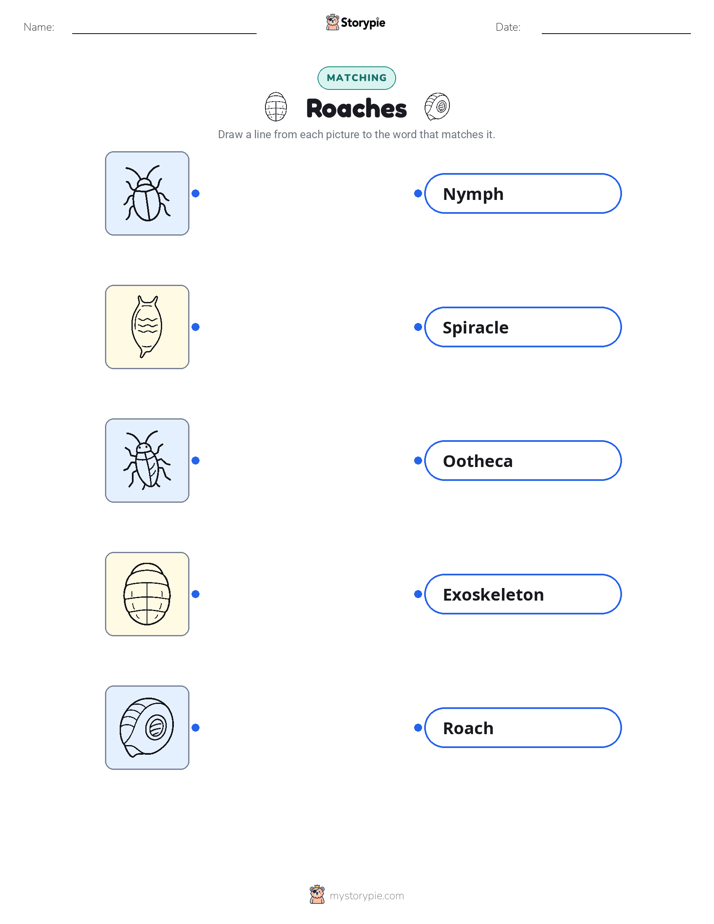
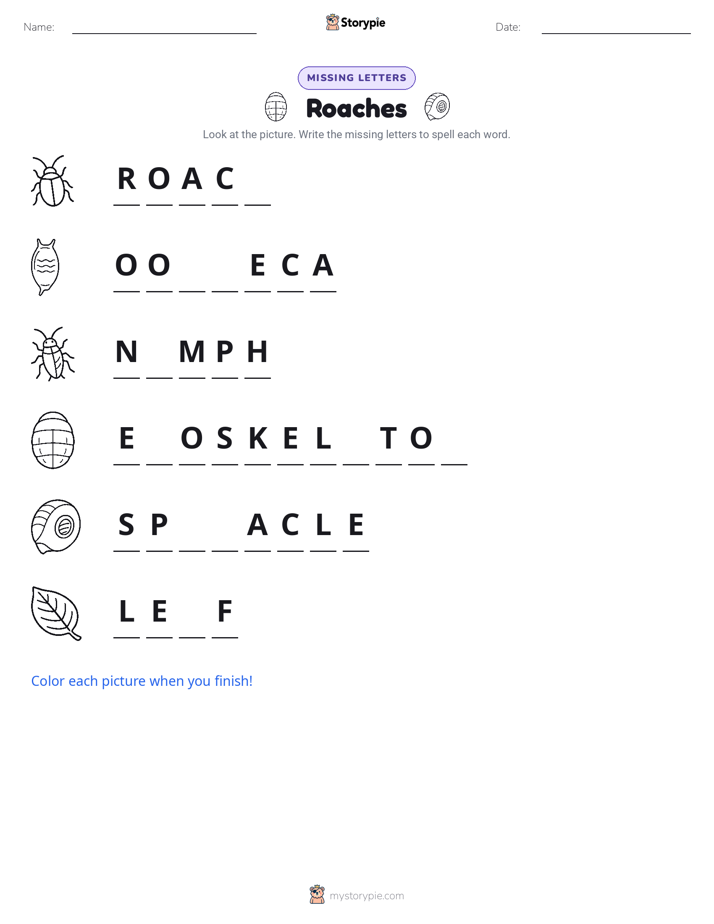
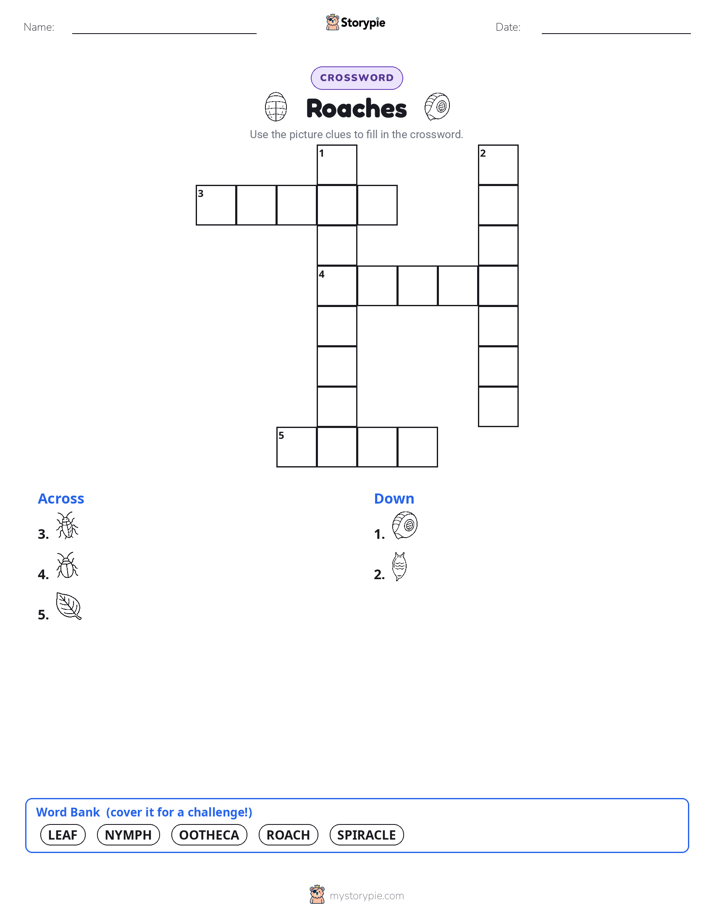
I didn't start my life as a baby roach scurrying around. Instead, I began as a tiny egg tucked safely inside a special protective case called an ootheca. My mom chose a safe, dark spot to place it, away from hungry predators. When it was time, I hatched with my brothers and sisters. I wasn't dark and tough like my parents yet; I was a small, soft, white creature called a nymph. My most important job was to grow. To do that, I had to shed my skin, or exoskeleton, many times in a process called molting. Each time I molted, I grew a little bigger, and my new exoskeleton became tougher and darker. Finally, after my last molt, I looked like the adult roach you see today.
We might not wear capes, but we have some amazing abilities that have helped us survive for millions of years. First, we are super-fast runners, which helps us zip away from danger in a blur. We can also squeeze our bodies into the tiniest cracks to hide from sight. One of our most famous tricks, which scientists in the 20th century studied, is that we can hold our breath for a very long time. We can even live for about a week without our heads! That's because we don't breathe through our mouths like you do; we breathe through little holes all over our bodies. Our diet is another one of our survival secrets. We're not picky at all. We will eat almost anything, from the leftover crumbs you drop on the floor to the glue in book bindings.
A Roach's Story: Nature's Little Survivor
Hello! My name might make you squirm, but I hope you'll listen to my story. I'm a roach, and my family is one of the oldest on Earth. My great-great-great ancestors were scuttling around during the Carboniferous period, about 320 million years ago. That means we were here long before the dinosaurs even showed up! We watched the world change in incredible ways, from the rise and fall of giant ferns to the shifting of the continents. Through it all, my family survived, adapting to whatever challenges came our way.
I didn't start my life as a baby roach scurrying around. Instead, I began as a tiny egg tucked safely inside a special protective case called an ootheca. My mom chose a safe, dark spot to place it, away from hungry predators. When it was time, I hatched with my brothers and sisters. I wasn't dark and tough like my parents yet; I was a small, soft, white creature called a nymph. My most important job was to grow. To do that, I had to shed my skin, or exoskeleton, many times in a process called molting. Each time I molted, I grew a little bigger, and my new exoskeleton became tougher and darker. Finally, after my last molt, I looked like the adult roach you see today.
We might not wear capes, but we have some amazing abilities that have helped us survive for millions of years. First, we are super-fast runners, which helps us zip away from danger in a blur. We can also squeeze our bodies into the tiniest cracks to hide from sight. One of our most famous tricks, which scientists in the 20th century studied, is that we can hold our breath for a very long time. We can even live for about a week without our heads! That's because we don't breathe through our mouths like you do; we breathe through little holes all over our bodies. Our diet is another one of our survival secrets. We're not picky at all. We will eat almost anything, from the leftover crumbs you drop on the floor to the glue in book bindings.
My family has been living alongside people for a very long time. Around the year 1810, a scientist named Pierre André Latreille gave my entire order of insects the official name Blattodea. He was one of many humans who have studied us over the years, but we are often misunderstood. We are attracted to human homes because they are perfect for us. They are warm, have plenty of water from leaky pipes or pet bowls, and offer lots of dark hiding places and tasty food scraps. We are simply expert survivors, taking advantage of the resources we find to raise our families, just like any other animal on the planet.
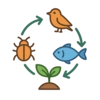
While some people only see us as pests, we have a very important job in the ecosystem. We are nature's cleanup crew! By eating decaying things like fallen leaves, dead plants, and other waste, we help break them down. This process is called decomposition, and it is essential for a healthy planet because it returns vital nutrients to the soil. So, the next time you see a beautiful flower or a big, strong tree, remember that little creatures like me helped make the soil rich enough for it to grow. We are a small but mighty part of the great cycle of life, and our story is still being written today.
Wow facts
About
Roaches are a group of insects in the order Blattodea, known for their ancient lineage dating back over 300 million years. They are characterized by their remarkable resilience and are omnivorous insects that can consume a variety of organic materials, including decaying matter.
Take a Quiz
Question 1 of 5
What is the special protective case where a roach egg is kept called?
Explore next


Want to do even more?
Go beyond exploring. Unlock tools that turn every story into real learning.

Storypie Plus for families
Full stories, quizzes, and printables. Nights and car rides, sorted.
- Unlimited audio stories
- Create Mode: your child stars in the story
- Offline downloads
- Printable worksheets & coloring pages

Why Storypie for Schools
Students engaged. Prep in seconds. Evenings back to you.
- Worksheets & Quizzes
- Classroom Management
- Formative Assessment
- Custom Curriculum & Lesson Plans
- 27 Languages

Why Storypie for Homeschool
Curriculum done. They'll ask for more. Hours back in your day.
- Worksheet Generator
- First-Person Audio Stories
- Built-in Comprehension Quizzes
- Custom Curriculum & Lesson Plans
- Print & Go Activities