English

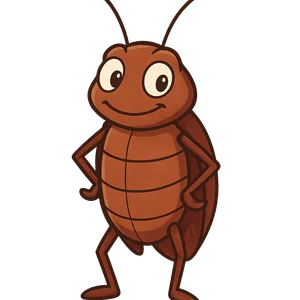
Roaches
Roaches are a group of insects in the order Blattodea…
Reads at Grades 6–8 Listens at Grades 4–8
 Screen-free speaker. Built for your kids.
No card, no commitment. One email when there is real news, and one click to stop.
Print & create
Answer keys·No prep·Free with an account
28 worksheets · answer keys · full story · quiz · Ages 10-12 · CEFR B2
Plus adds 102,000+ more stories in 27 languages, audio for every one, and printables for all of them.
Just want Roaches?
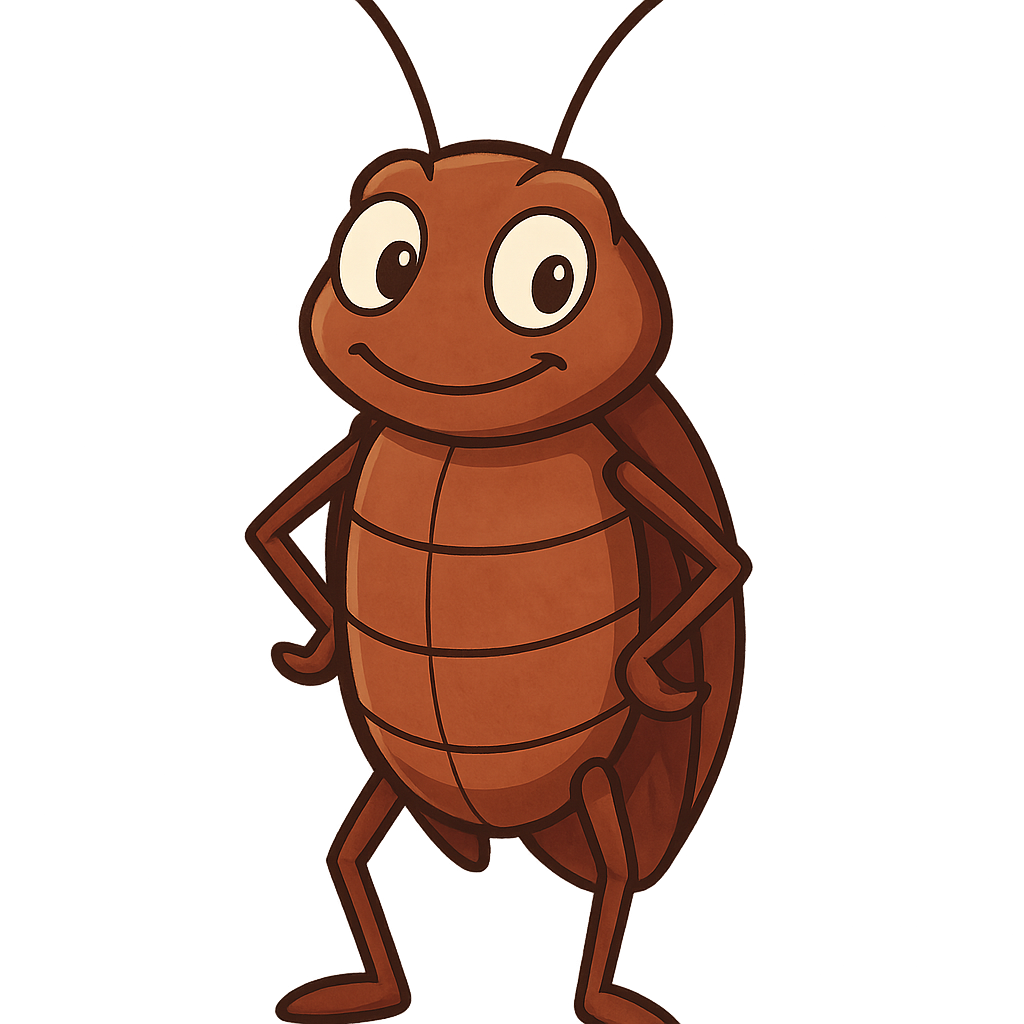
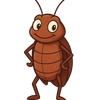
Hello there. I am a roach, and I’d like to welcome you to my world. It’s a world that has existed for a very, very long time. My family has an incredible history, and our ancestors were scuttling around during the Carboniferous Period, over 320 million years ago. To help you understand just how long ago that was, consider this: we were here long before the first dinosaurs even appeared. While massive ferns and giant insects dominated the landscape, my relatives were already thriving, adapting, and surviving. This makes us one of the oldest and most successful insect groups on the entire planet. We have witnessed the rise and fall of countless species and have navigated massive changes to the Earth’s environment. Our story is one of ultimate resilience and adaptation, written across hundreds of millions of years of history.
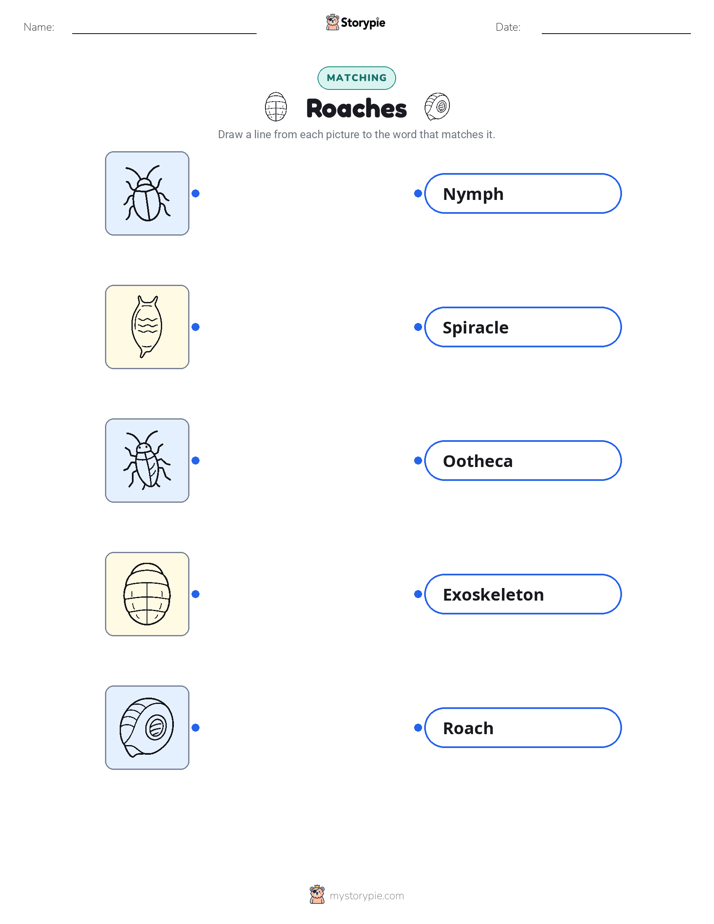
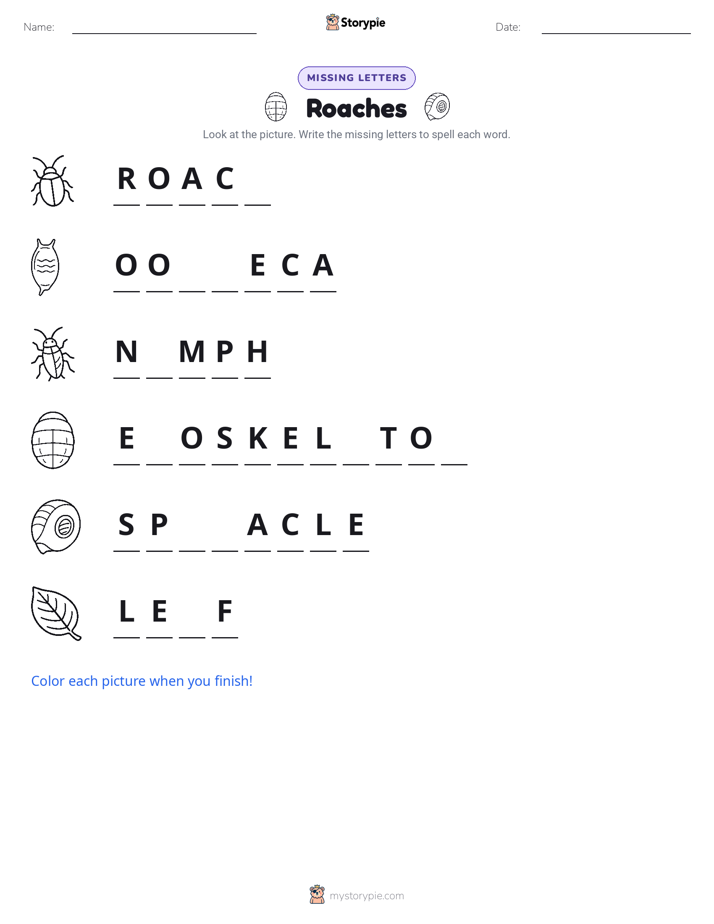
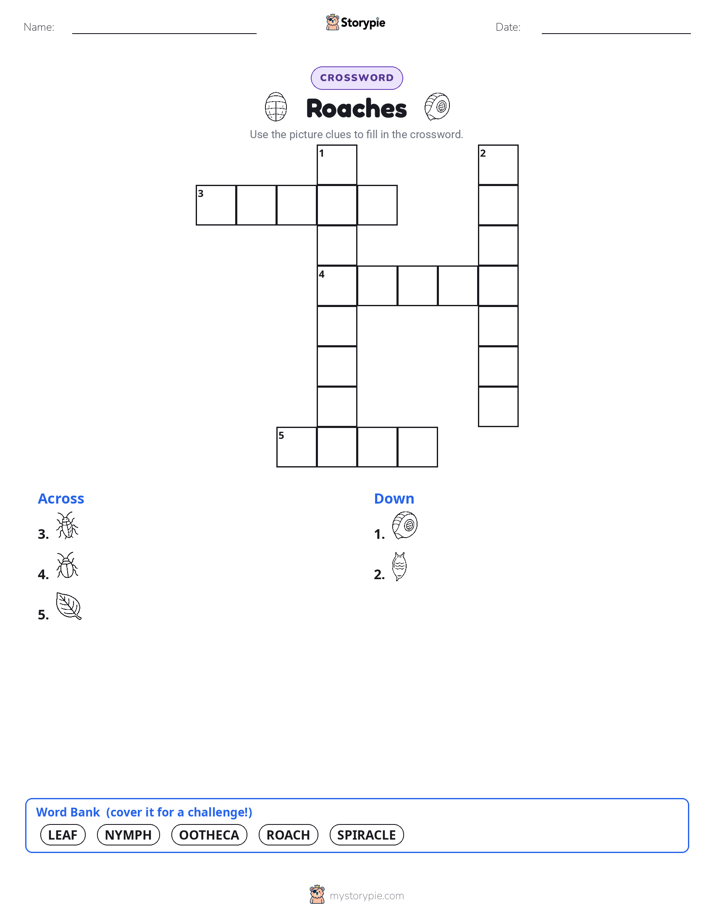
My own personal journey began like that of all my relatives, inside a protective egg case called an ootheca. My mother, with great care, chose a safe, hidden spot to place this precious case, shielding it from predators and the elements. Inside, I developed along with my siblings, waiting for the right moment to emerge. When I finally hatched, I was a tiny, wingless creature known as a nymph. I looked like a miniature version of my adult self, but without the ability to fly. My world was all about growing, and to do that, I had to go through a process called molting. This meant shedding my tough outer shell, or exoskeleton, multiple times. Each time I molted, I emerged a little bigger and stronger. It was a vulnerable time, as my new exoskeleton was soft at first, but it was a necessary step on my path to becoming an adult.
A Roach's Story: The Great Recycler
Hello there. I am a roach, and I’d like to welcome you to my world. It’s a world that has existed for a very, very long time. My family has an incredible history, and our ancestors were scuttling around during the Carboniferous Period, over 320 million years ago. To help you understand just how long ago that was, consider this: we were here long before the first dinosaurs even appeared. While massive ferns and giant insects dominated the landscape, my relatives were already thriving, adapting, and surviving. This makes us one of the oldest and most successful insect groups on the entire planet. We have witnessed the rise and fall of countless species and have navigated massive changes to the Earth’s environment. Our story is one of ultimate resilience and adaptation, written across hundreds of millions of years of history.
My own personal journey began like that of all my relatives, inside a protective egg case called an ootheca. My mother, with great care, chose a safe, hidden spot to place this precious case, shielding it from predators and the elements. Inside, I developed along with my siblings, waiting for the right moment to emerge. When I finally hatched, I was a tiny, wingless creature known as a nymph. I looked like a miniature version of my adult self, but without the ability to fly. My world was all about growing, and to do that, I had to go through a process called molting. This meant shedding my tough outer shell, or exoskeleton, multiple times. Each time I molted, I emerged a little bigger and stronger. It was a vulnerable time, as my new exoskeleton was soft at first, but it was a necessary step on my path to becoming an adult.
How has my kind managed to thrive for millions of years? The answer lies in our secrets to survival. First, I am incredibly fast, able to dart away from danger in the blink of an eye. Second, I am an omnivore, which means my diet is extremely flexible. I can eat almost anything, from fallen leaves and decaying wood in the forest to leftover crumbs I might find elsewhere. This ability to find food nearly anywhere is a major advantage. I also have a love for tight, dark spaces, which is more than just a preference; it’s a key defense mechanism that keeps me safe from predators like birds, spiders, and lizards. You may have also heard a famous myth that we can live without a head. There is some science to this. We don’t breathe through our mouths but through tiny holes in our body segments called spiracles. Because our basic functions are controlled by nerve clusters along our bodies, we can survive for a short time without a head, but not forever. These adaptations together make us masters of survival.
I am aware of my reputation among humans. Many see us as nothing more than pests. However, I want to clarify this misunderstanding. Of the more than 4,600 species of roaches in the world, only about 30 of us ever come into contact with humans or their homes. The vast majority of my relatives live exactly where they belong: in forests, caves, fields, and deserts, playing their part in nature far from human sight. For a long time, humans didn't pay us much scientific attention. It wasn't until the year 1810 that a French scientist named Pierre André Latreille officially gave our insect order the scientific name ‘Blattodea’. This shows just how recently humans began to formally study and understand our diverse and ancient family. My story is much bigger than the small fraction of my relatives that you might see.
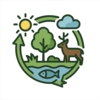
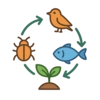
My true and vital purpose in the world is often overlooked. In my natural habitat, I am a master recycler. My role as a decomposer is essential for keeping ecosystems healthy. I clean up the environment by eating decaying organic matter, such as dead plants, fallen leaves, and animal waste. As I digest this material, I return essential nutrients to the soil, which in turn helps new plants and trees grow strong. We are also a reliable and important food source for many other animals, including birds, reptiles, and even some mammals, playing a crucial role in the food web. My legacy is not about being a pest, but about being a critical, hard-working part of a healthy planet. My family’s story is a reminder that every creature has a purpose, and ours is to help the world renew itself.
Wow facts
About
Roaches are a group of insects in the order Blattodea, known for their ancient lineage dating back over 300 million years. They are characterized by their remarkable resilience and are omnivorous insects that can consume a variety of organic materials, including decaying matter.
Take a Quiz
Question 1 of 5
What is the main message the roach wants to convey about its species?
Explore next



Want to do even more?
Go beyond exploring. Unlock tools that turn every story into real learning.

Storypie Plus for families
Full stories, quizzes, and printables. Nights and car rides, sorted.
- Unlimited audio stories
- Create Mode: your child stars in the story
- Offline downloads
- Printable worksheets & coloring pages

Why Storypie for Schools
Students engaged. Prep in seconds. Evenings back to you.
- Worksheets & Quizzes
- Classroom Management
- Formative Assessment
- Custom Curriculum & Lesson Plans
- 27 Languages

Why Storypie for Homeschool
Curriculum done. They'll ask for more. Hours back in your day.
- Worksheet Generator
- First-Person Audio Stories
- Built-in Comprehension Quizzes
- Custom Curriculum & Lesson Plans
- Print & Go Activities