English

Sea Urchin
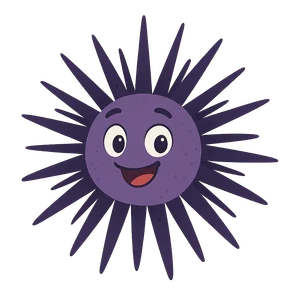
Sea urchins are spiny, globular echinoderms that live on the seabed.
Reads at Grades K-2 Listens at K–3
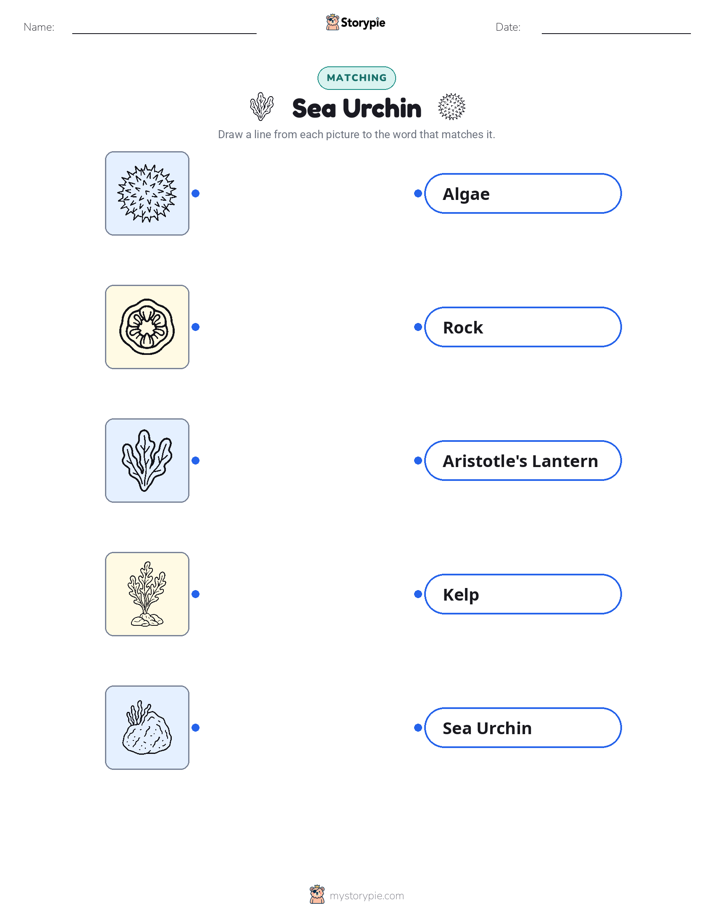
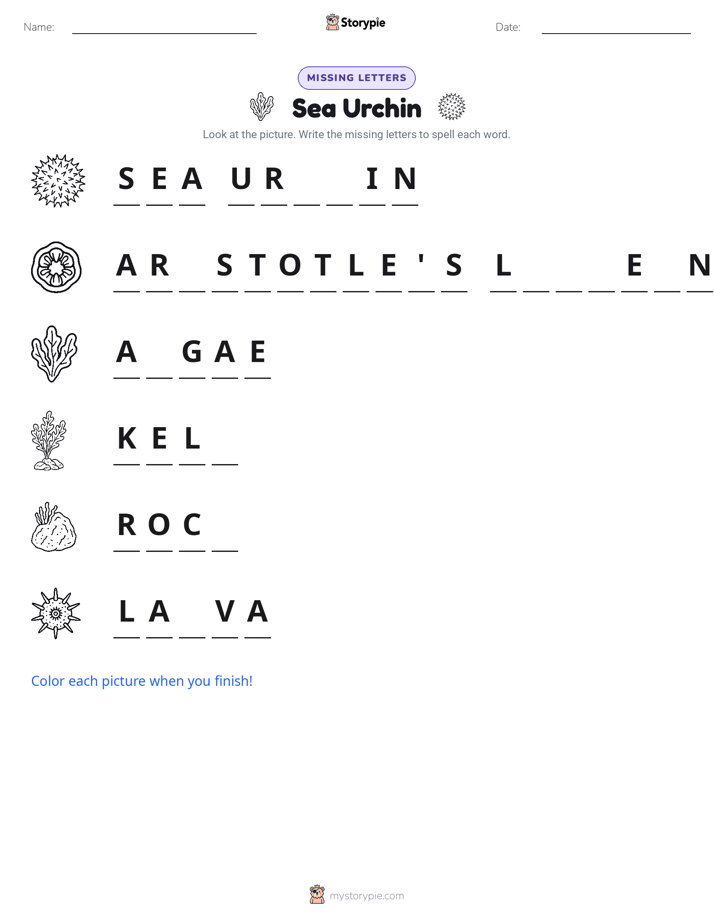
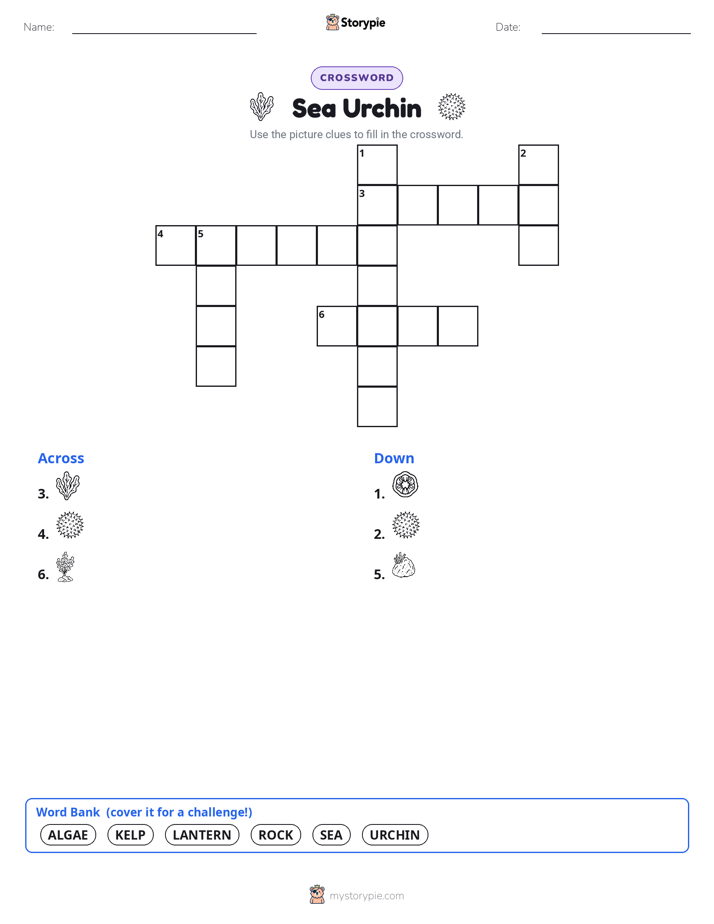
Print & create
Answer keys·No prep·Free with an account
28 worksheets · answer keys · full story · quiz · Ages 6-8 · CEFR A2
Plus adds 208,000+ more stories in 27 languages, audio for every one, and printables for all of them.
Just want Sea Urchin?
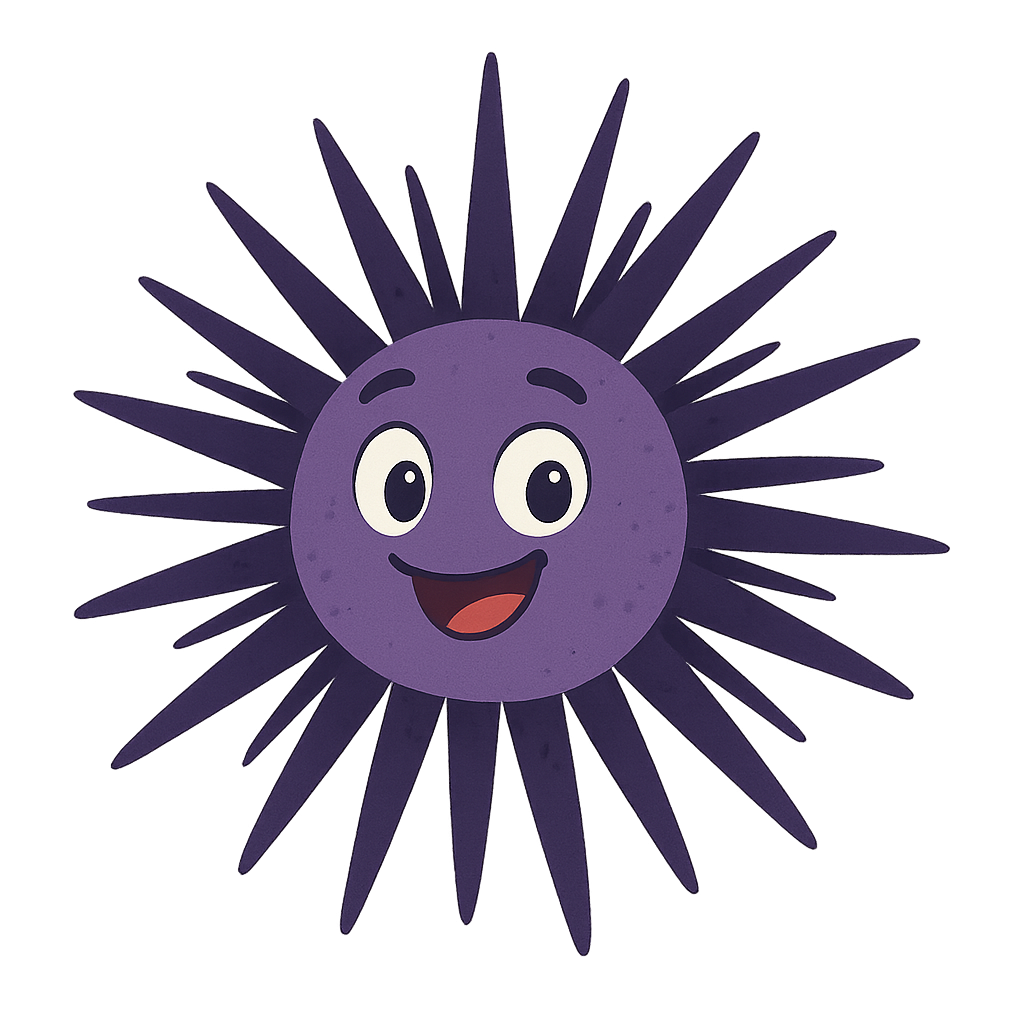
Hello. I am a Sea Urchin, and I live on the big, beautiful floor of the ocean. If you saw me, you might think I look like a spiky little ball. My body is covered in a hard shell, which scientists call a 'test'. It’s like I have my own built-in armor to keep me safe. Sticking out all over my test are my many spines. They help protect me and are very important for getting around. My family is one of the oldest in the whole ocean. We have been living here since about 450 million years ago. That is a very, very long time, much longer than the dinosaurs were around. You could say we are true ocean old-timers, decorating the seafloor with our spiky shapes for ages.
You might wonder how a round, spiky creature like me moves around. It’s one of my special skills. I can walk on the tips of my spines, almost like I’m walking on stilts. It helps me move carefully over the rocks and sand without tumbling over. But that’s not my only trick for getting around. I also have something special called tube feet. They are tiny, sticky tubes that can reach out from my body and grab onto surfaces. They work like little suction cups, helping me crawl slowly but surely over everything in my path. When I get hungry, I have a very cool mouth that is perfect for my dinner. It’s on my underside, the part of my body that faces the seafloor. This amazing mouth is called 'Aristotle's lantern.' It has five super sharp teeth inside that I can push out to scrape my favorite foods, like algae and yummy kelp, right off the rocks. It’s the perfect tool for an ocean floor feast.
A Sea Urchin's Spiky Story
Hello. I am a Sea Urchin, and I live on the big, beautiful floor of the ocean. If you saw me, you might think I look like a spiky little ball. My body is covered in a hard shell, which scientists call a 'test'. It’s like I have my own built-in armor to keep me safe. Sticking out all over my test are my many spines. They help protect me and are very important for getting around. My family is one of the oldest in the whole ocean. We have been living here since about 450 million years ago. That is a very, very long time, much longer than the dinosaurs were around. You could say we are true ocean old-timers, decorating the seafloor with our spiky shapes for ages.
You might wonder how a round, spiky creature like me moves around. It’s one of my special skills. I can walk on the tips of my spines, almost like I’m walking on stilts. It helps me move carefully over the rocks and sand without tumbling over. But that’s not my only trick for getting around. I also have something special called tube feet. They are tiny, sticky tubes that can reach out from my body and grab onto surfaces. They work like little suction cups, helping me crawl slowly but surely over everything in my path. When I get hungry, I have a very cool mouth that is perfect for my dinner. It’s on my underside, the part of my body that faces the seafloor. This amazing mouth is called 'Aristotle's lantern.' It has five super sharp teeth inside that I can push out to scrape my favorite foods, like algae and yummy kelp, right off the rocks. It’s the perfect tool for an ocean floor feast.
I have a very important job here in my home, the kelp forest. You could call me a kelp forest gardener. Just like a gardener on land pulls out weeds to keep a garden neat, I help keep the ocean floor clean by eating lots of algae. If too much algae grows, it can cover the rocks and make it hard for other plants and animals to find a home. I also munch on kelp, which are the big, tall seaweeds that make up the forest. By nibbling on the kelp, I help keep it from growing too thick. This allows sunlight to reach the smaller plants living down below. But it’s all about balance. If there were too many of me, we might eat all the kelp. That’s where my predators, like the playful sea otters, come in. They like to eat sea urchins, which helps make sure our numbers stay just right so the forest stays healthy. In this way, the sea otters and I work together to keep the kelp forest beautiful for everyone.
My family has been around for a very long time, and some of us get to live for many years. My cousins, the red sea urchins, are known for living an extra-long time. Some of them can live for over 200 years. Imagine all the things they see on the ocean floor in all that time. My story shows that even a small, spiky creature like me is a vital part of the ocean’s big family. By munching on algae and kelp, I help keep my beautiful underwater world healthy and in balance. This makes sure that the kelp forests can be a safe and happy home for all the other wonderful creatures who live there with me.
Wow facts
About
Sea urchins are spiny, globular echinoderms that live on the seabed. They play a crucial role as grazers in marine ecosystems, helping to control algae growth on coral reefs and in kelp forests.
Take a Quiz
Question 1 of 4
What is the sea urchin's hard outer shell called?
Explore next



Want to do even more?
Go beyond exploring. Unlock tools that turn every story into real learning.

Storypie Plus for families
Full stories, quizzes, and printables. Nights and car rides, sorted.
- Unlimited audio stories
- Create Mode: your child stars in the story
- Offline downloads
- Printable worksheets & coloring pages

Why Storypie for Schools
Students engaged. Prep in seconds. Evenings back to you.
- Worksheets & Quizzes
- Classroom Management
- Formative Assessment
- Custom Curriculum & Lesson Plans
- 27 Languages

Why Storypie for Homeschool
Curriculum done. They'll ask for more. Hours back in your day.
- Worksheet Generator
- First-Person Audio Stories
- Built-in Comprehension Quizzes
- Custom Curriculum & Lesson Plans
- Print & Go Activities