English

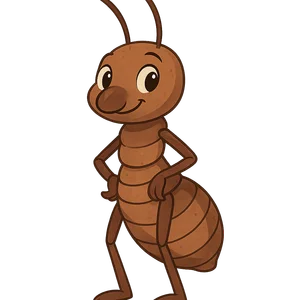
Termite
Termites are social insects that live in large, organized colonies.
Reads at Grades 6–8 Listens at Grades 4–8
Print & create
Answer keys·No prep·Free with an account
28 worksheets · answer keys · full story · quiz · Ages 10-12 · CEFR B2
Plus adds 208,000+ more stories in 27 languages, audio for every one, and printables for all of them.
Just want Termite?
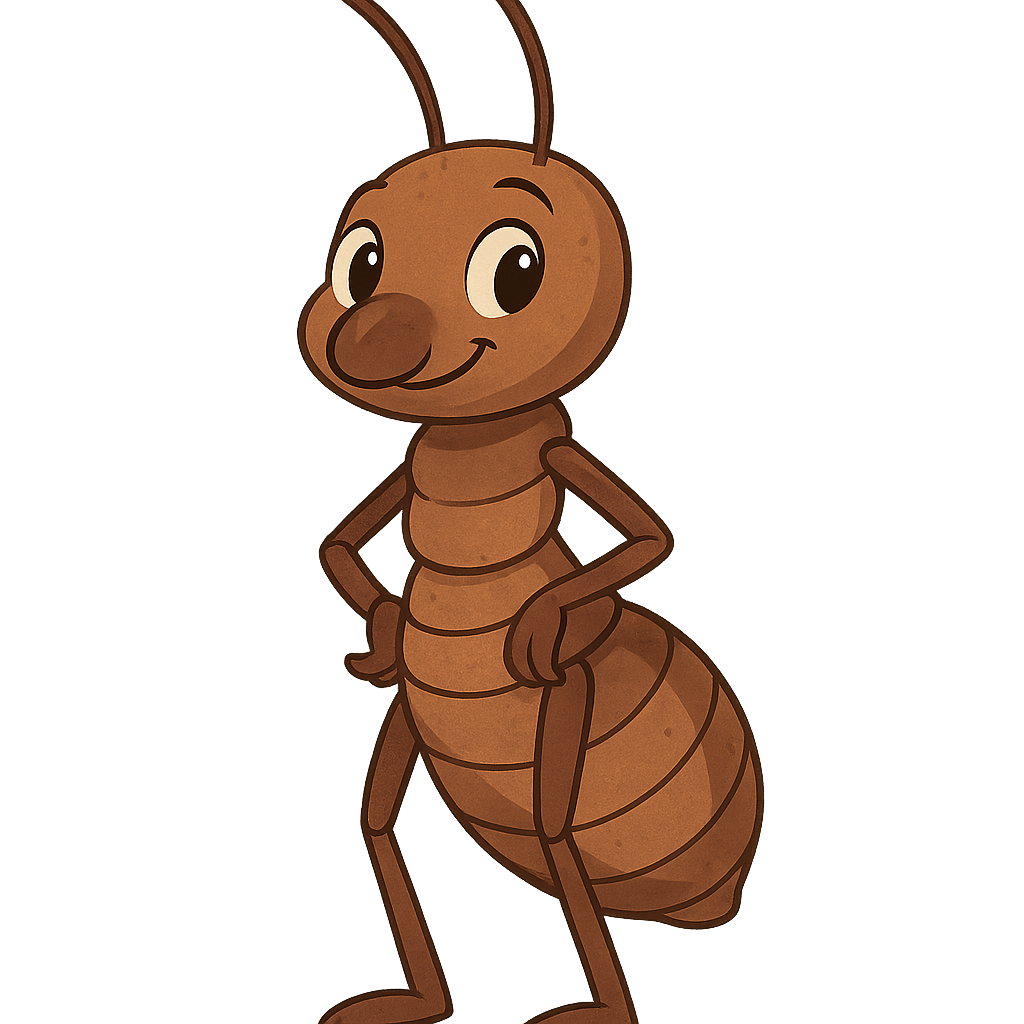
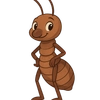
Hello there. My name is not important, because I am one of many. I am a termite worker, and though humans often call us 'white ants,' my family is not related to ants at all. In fact, our closest living relatives are cockroaches. My lineage is ancient, stretching back to the Cretaceous period, over 130 million years ago. My ancestors scurried through the undergrowth when dinosaurs roamed the Earth. For millions of years, we have been building, working, and thriving in the shadows, a civilization that is often misunderstood but essential to the world.
My entire existence is dedicated to my family, which is a massive, highly organized colony. We live and work together as a single unit, often called a 'super-organism.' At the heart of our home is our queen, a magnificent individual who can lay thousands of eggs every single day, and our king, who stays by her side. My role in this sprawling family is that of a sterile, blind worker. I do not have eyes, for I spend my life in the darkness of our nest or the soil. My duties are clear and constant. I forage for food to feed everyone, I help build and repair the intricate tunnels of our nest, and I gently tend to the young larvae, ensuring the next generation is safe and nourished. We all have a job to do, and our collective effort is what allows our colony to survive and grow.
My diet might seem strange to you. I eat cellulose, which is the tough, fibrous material that makes up wood and plants. It’s in every log, every blade of grass, and every fallen leaf. But here is my secret: I cannot digest it by myself. The key to my survival lies deep within my gut. I have a special, symbiotic relationship with countless tiny microorganisms, like protozoa and bacteria, that live inside me. When I chew and swallow bits of wood, these microscopic partners get to work. They are the ones who break down the tough cellulose into simple sugars that I can absorb. In return for their hard work, they get a safe place to live and a constant supply of food. We depend on each other completely; without them, I would starve.
A Termite's Tale: The Tiny Engineer
Hello there. My name is not important, because I am one of many. I am a termite worker, and though humans often call us 'white ants,' my family is not related to ants at all. In fact, our closest living relatives are cockroaches. My lineage is ancient, stretching back to the Cretaceous period, over 130 million years ago. My ancestors scurried through the undergrowth when dinosaurs roamed the Earth. For millions of years, we have been building, working, and thriving in the shadows, a civilization that is often misunderstood but essential to the world.
My entire existence is dedicated to my family, which is a massive, highly organized colony. We live and work together as a single unit, often called a 'super-organism.' At the heart of our home is our queen, a magnificent individual who can lay thousands of eggs every single day, and our king, who stays by her side. My role in this sprawling family is that of a sterile, blind worker. I do not have eyes, for I spend my life in the darkness of our nest or the soil. My duties are clear and constant. I forage for food to feed everyone, I help build and repair the intricate tunnels of our nest, and I gently tend to the young larvae, ensuring the next generation is safe and nourished. We all have a job to do, and our collective effort is what allows our colony to survive and grow.
My diet might seem strange to you. I eat cellulose, which is the tough, fibrous material that makes up wood and plants. It’s in every log, every blade of grass, and every fallen leaf. But here is my secret: I cannot digest it by myself. The key to my survival lies deep within my gut. I have a special, symbiotic relationship with countless tiny microorganisms, like protozoa and bacteria, that live inside me. When I chew and swallow bits of wood, these microscopic partners get to work. They are the ones who break down the tough cellulose into simple sugars that I can absorb. In return for their hard work, they get a safe place to live and a constant supply of food. We depend on each other completely; without them, I would starve.
My kind are known as master architects, and for good reason. We are builders, capable of creating incredible structures. Many of us construct elaborate networks of tunnels deep underground, hidden from sight. But some of my relatives are famous for building towering mounds that can stand several meters tall, dominating the landscape. These mounds are not just piles of dirt; they are marvels of natural engineering, complete with complex ventilation systems that regulate temperature and airflow, keeping the colony comfortable year-round. Humans have been fascinated by our architectural skills for a very long time. In 1781, a naturalist named Henry Smeathman was one of the first to describe the amazing complexity of African termite mounds to the scientific world, sharing the secrets of our sophisticated designs.
Life is not without its dangers. Our greatest enemies are ants, who often raid our colonies. To protect our home, we have a special caste of termites: the soldiers. My soldier siblings are built for battle. They have large, armored heads and powerful jaws strong enough to crush our enemies. Their purpose is singular: to defend the colony at all costs. When our nest is breached, the soldiers rush to the front lines. They use their massive heads to block the tunnels, creating a living wall against invaders. They will bravely fight off any threat, often sacrificing themselves to ensure the safety of our queen, our king, and the rest of our family.
I know that humans often see us as pests because we eat wood, and sometimes that wood is part of a house. But I hope you can see my other, more important role. In the natural world, I am one of the planet's most important recyclers. By eating dead wood and decaying plant material, my colony and I break down tough fibers that other creatures cannot. This process returns essential nutrients back into the soil, making it fertile and rich. Our constant tunneling also aerates the soil, helping it hold water. We are tiny but mighty ecosystem engineers, and our tireless work helps forests and grasslands thrive. We are a crucial part of keeping our planet healthy.
Wow facts
About
Termites are social insects that live in large, organized colonies. They are known for their unique ability to digest cellulose from wood with the help of special tiny creatures in their guts. Some types of termites have these tiny creatures, while more advanced termites use different kinds of helpful bacteria for this job. Termites play a critical role as decomposers in many ecosystems.
Take a Quiz
Question 1 of 5
What is the main idea of the section titled 'The Secret in My Tummy'?
Explore next


Want to do even more?
Go beyond exploring. Unlock tools that turn every story into real learning.

Storypie Plus for families
Full stories, quizzes, and printables. Nights and car rides, sorted.
- Unlimited audio stories
- Create Mode: your child stars in the story
- Offline downloads
- Printable worksheets & coloring pages

Why Storypie for Schools
Students engaged. Prep in seconds. Evenings back to you.
- Worksheets & Quizzes
- Classroom Management
- Formative Assessment
- Custom Curriculum & Lesson Plans
- 27 Languages

Why Storypie for Homeschool
Curriculum done. They'll ask for more. Hours back in your day.
- Worksheet Generator
- First-Person Audio Stories
- Built-in Comprehension Quizzes
- Custom Curriculum & Lesson Plans
- Print & Go Activities