English

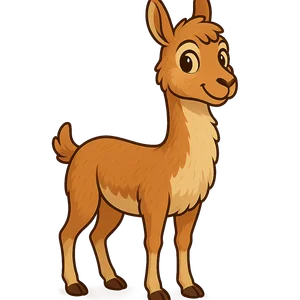
Vicuña
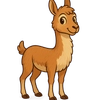
The vicuña is a wild South American camelid living in the high alpine areas of the Andes.
Reads at Grades 6–8 Listens at Grades 4–8
Print & create
Answer keys·No prep·Free with an account
28 worksheets · answer keys · full story · quiz · Ages 10-12 · CEFR B2
Plus adds 164,000+ more stories in 27 languages, audio for every one, and printables for all of them.
Just want Vicuña?
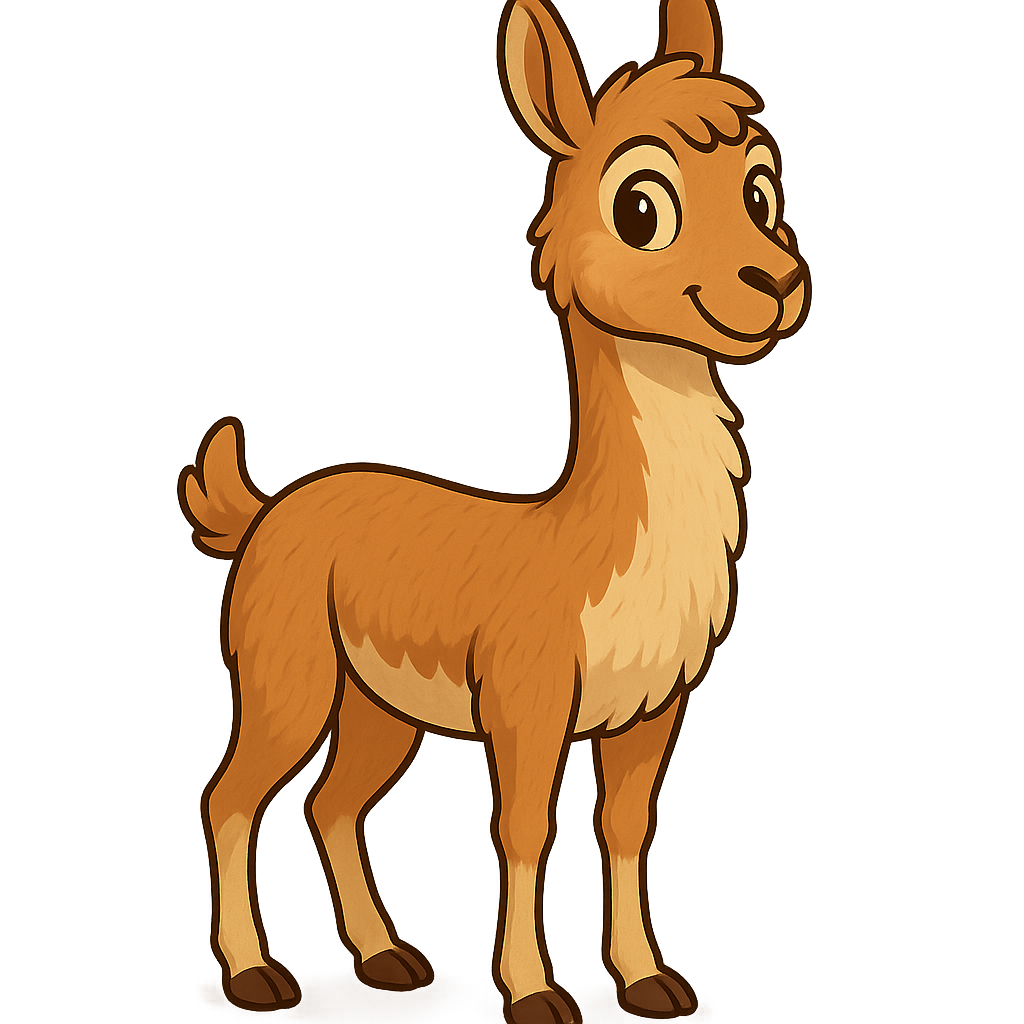
My name is Vicuña, and my story unfolds high in the Andes Mountains of South America. I am a wild creature, related to the llama, and my home is a vast, windswept grassland called the 'puna.' Life here is challenging; the air is thin and the winds are cold, but my body is perfectly designed for it. My coat is made of some of the finest, softest wool in the world, which keeps me incredibly warm. Even my blood is special, filled with more red blood cells than most animals, which helps me capture the scarce oxygen in the high-altitude air. I don't live alone. My family and I travel in a close-knit group, always led by a strong, watchful male who alerts us to any danger. We spend our days grazing on the tough grasses, forever a part of this rugged, beautiful landscape.
For centuries, my wool was known as the 'golden fleece,' and my ancestors held a sacred place in the great Inca Empire. Before the 1530s, we were deeply respected and protected. The Incas believed we were special, and our wool was so precious that only their royalty was permitted to wear it. This was a tremendous honor that also guaranteed our safety. No one would dare harm a creature so revered. Our fleece was harvested in a respectful ceremony, and we were always set free. This connection to the Inca people kept our populations healthy and thriving, allowing us to roam the mountainsides in peace under their watchful care.
However, this protection disappeared when the Inca Empire ended. The world became a much more dangerous place for my kind. Hunters from faraway lands sought my valuable wool, and they were relentless. They did not practice the respectful ceremonies of the Incas. For hundreds of years, our numbers began to fall. The decline was slow at first, then tragically fast. By the 1960s, our situation had become desperate. There were only about 6,000 of us left in the entire world. We were standing on the very edge of extinction, and it felt as though the story of the Vicuña might soon be over forever.
My Life as a Vicuña: The Golden Fleece of the Andes
My name is Vicuña, and my story unfolds high in the Andes Mountains of South America. I am a wild creature, related to the llama, and my home is a vast, windswept grassland called the 'puna.' Life here is challenging; the air is thin and the winds are cold, but my body is perfectly designed for it. My coat is made of some of the finest, softest wool in the world, which keeps me incredibly warm. Even my blood is special, filled with more red blood cells than most animals, which helps me capture the scarce oxygen in the high-altitude air. I don't live alone. My family and I travel in a close-knit group, always led by a strong, watchful male who alerts us to any danger. We spend our days grazing on the tough grasses, forever a part of this rugged, beautiful landscape.
For centuries, my wool was known as the 'golden fleece,' and my ancestors held a sacred place in the great Inca Empire. Before the 1530s, we were deeply respected and protected. The Incas believed we were special, and our wool was so precious that only their royalty was permitted to wear it. This was a tremendous honor that also guaranteed our safety. No one would dare harm a creature so revered. Our fleece was harvested in a respectful ceremony, and we were always set free. This connection to the Inca people kept our populations healthy and thriving, allowing us to roam the mountainsides in peace under their watchful care.
However, this protection disappeared when the Inca Empire ended. The world became a much more dangerous place for my kind. Hunters from faraway lands sought my valuable wool, and they were relentless. They did not practice the respectful ceremonies of the Incas. For hundreds of years, our numbers began to fall. The decline was slow at first, then tragically fast. By the 1960s, our situation had become desperate. There were only about 6,000 of us left in the entire world. We were standing on the very edge of extinction, and it felt as though the story of the Vicuña might soon be over forever.
Just as our hope was fading, a new chapter began. People around the world realized that we were about to vanish and decided to act. These new heroes were conservationists and community members who cared about the future of the Andes. In 1974, the countries where I live came together and signed the Vicuña Convention, a powerful promise to protect us from hunters. This agreement brought back an ancient and wonderful tradition: the 'chaccu' ceremony. Once again, local communities began to gently round us up. They would carefully shear our valuable wool without causing any harm and then immediately set us free to return to our mountain homes. This brilliant solution gave people a reason to value us while we were alive, ensuring that our fleece could be used without threatening our survival.
Thanks to these incredible conservation efforts, my species made a remarkable comeback. The protection and the revival of the chaccu allowed our numbers to grow steadily. By 1994, our population had recovered so well that we were no longer considered endangered. Today, hundreds of thousands of us roam the Andes freely once again. As a gentle grazer, I play an important role in keeping the puna ecosystem healthy and balanced. My story is a powerful reminder that when humans and wildlife work together with respect and wisdom, we can create a future where we both can thrive.
Wow facts
About
The vicuña is a wild South American camelid living in the high alpine areas of the Andes. It is known for producing extremely fine wool and is a symbol of ongoing conservation efforts.
Take a Quiz
Question 1 of 5
What is the main theme of the Vicuña's story?
Explore next

Want to do even more?
Go beyond exploring. Unlock tools that turn every story into real learning.

Storypie Plus for families
Full stories, quizzes, and printables. Nights and car rides, sorted.
- Unlimited audio stories
- Create Mode: your child stars in the story
- Offline downloads
- Printable worksheets & coloring pages

Why Storypie for Schools
Students engaged. Prep in seconds. Evenings back to you.
- Worksheets & Quizzes
- Classroom Management
- Formative Assessment
- Custom Curriculum & Lesson Plans
- 27 Languages

Why Storypie for Homeschool
Curriculum done. They'll ask for more. Hours back in your day.
- Worksheet Generator
- First-Person Audio Stories
- Built-in Comprehension Quizzes
- Custom Curriculum & Lesson Plans
- Print & Go Activities