English

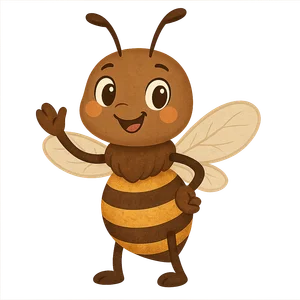
Western Honey Bee
The Western Honey Bee, or Apis mellifera, is the most common species of honey bee worldwide.
Reads at Pre-K Listens at Pre-K–1
Print & create
Answer keys·No prep·Free with an account
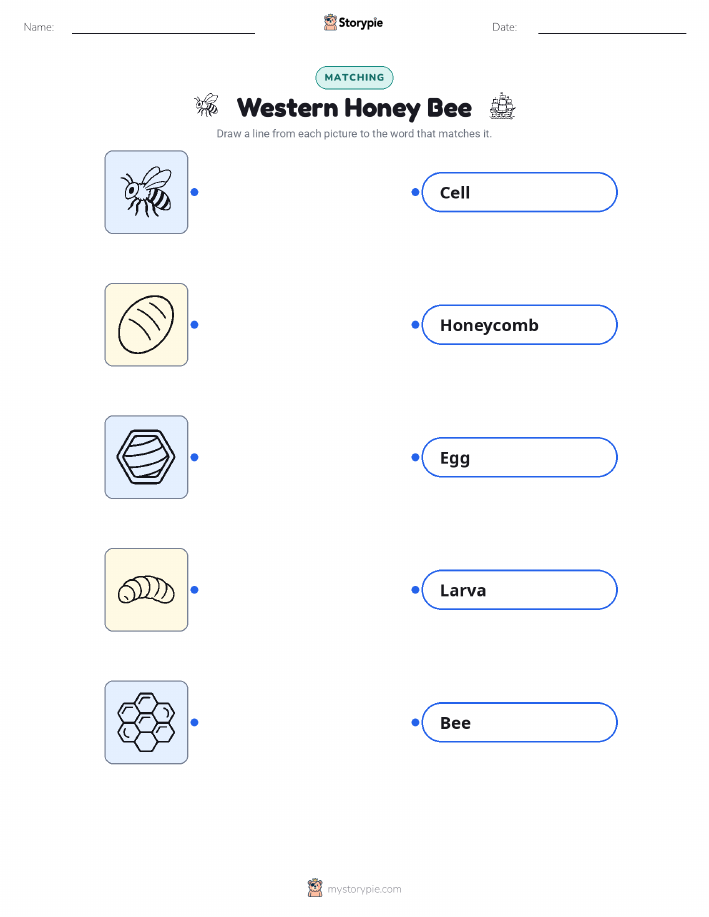
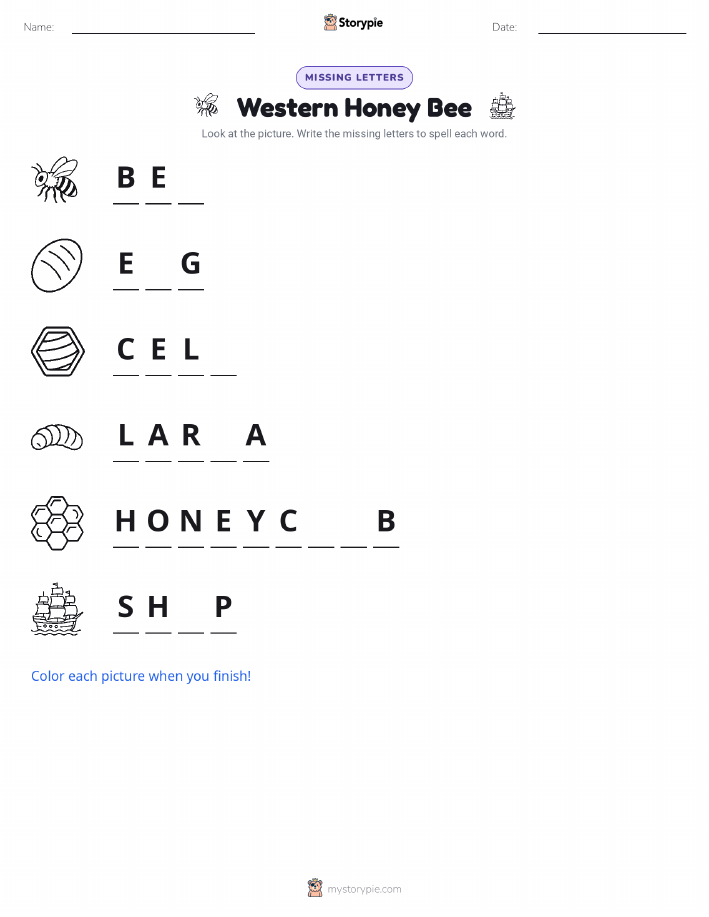
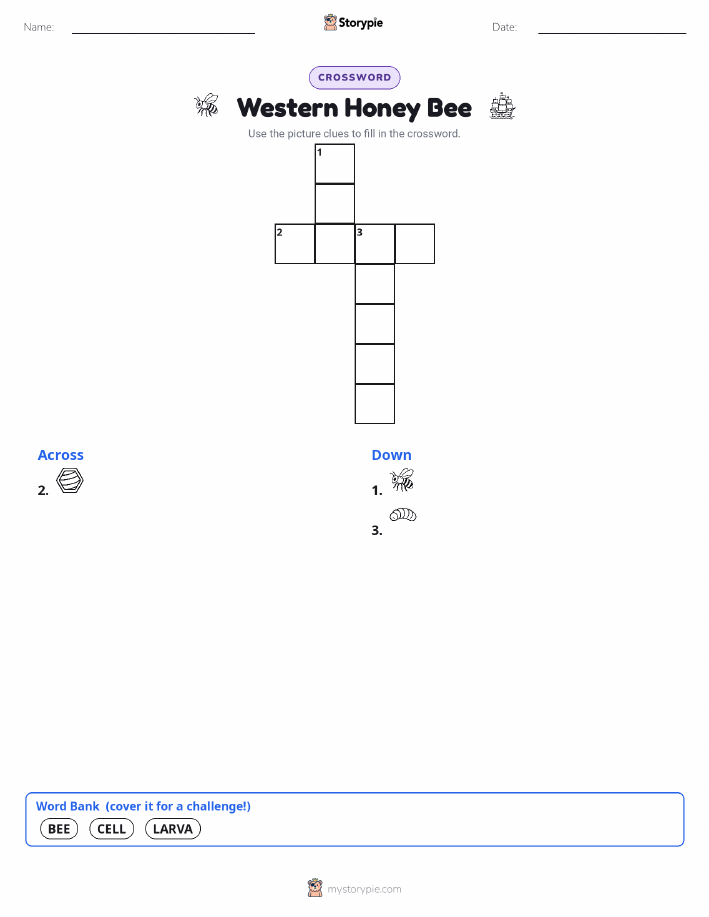
28 worksheets · answer keys · full story · quiz · Ages 3-5 · CEFR A1
Plus adds 244,000+ more stories in 27 languages, audio for every one, and printables for all of them.
Just want Western Honey Bee?
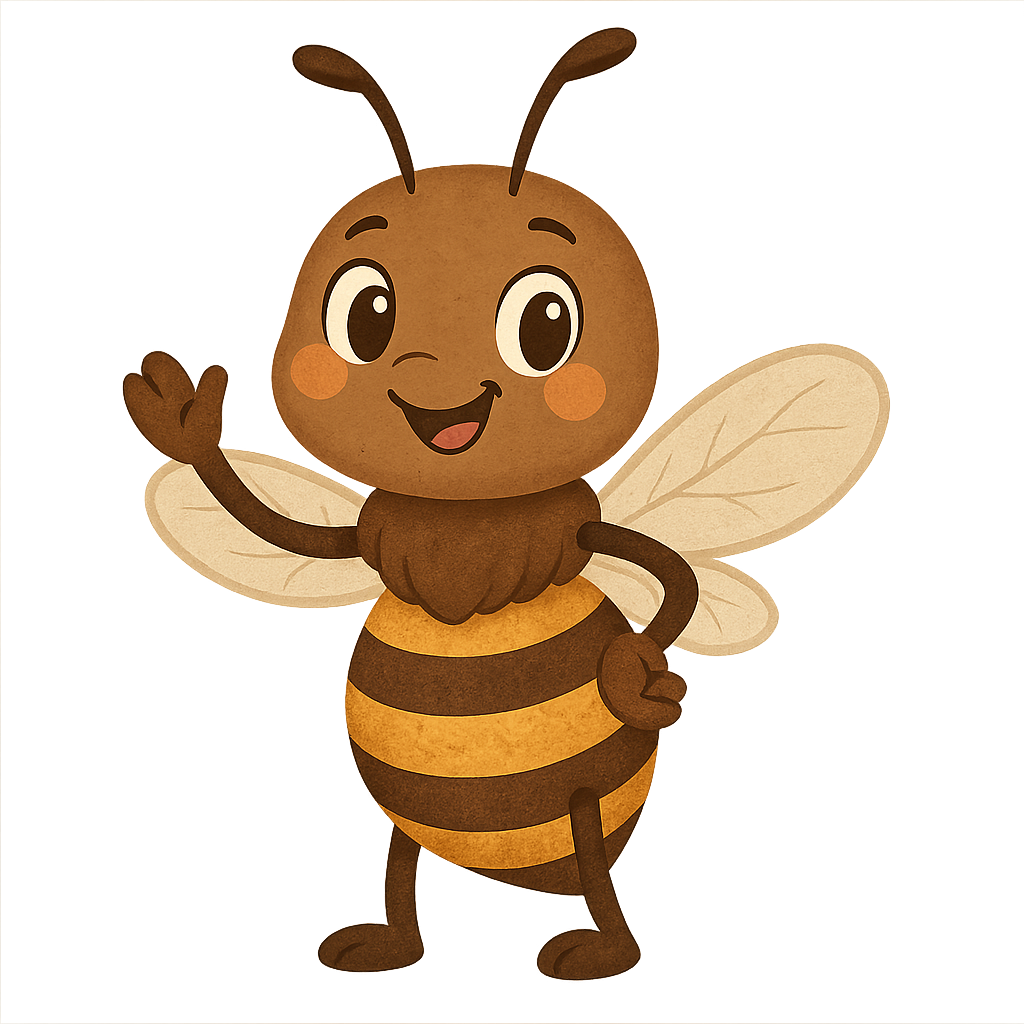
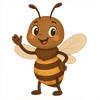
Hello. I am a Western Honey Bee. My kind of bee has been known for a very long time, even since the year 1758. I have a fuzzy body with black and yellow stripes. My tiny wings are clear, and they make a buzz, buzz, buzzing sound when I fly through the air. I live in a special home called a hive. It is a very busy place where I live with my big, big family. In my hive, there is one queen bee, and I have thousands of sisters who work with me every day.
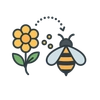
I am a worker bee, and I have a very busy day. My job is to find food for everyone in my family. Every morning, I fly out of my hive to look for pretty flowers in the fields and gardens. I land gently on a flower and use my long tongue to drink its sweet juice. This yummy, sweet juice is called nectar. While I am drinking, a soft, yellow dust called pollen gets all over my fuzzy body. It tickles a little bit. When I find lots of good flowers, I fly straight back to my hive. I do a special 'waggle dance' to show my sisters where to go. It is like drawing a secret map by wiggling my body. We take all the nectar we collect back home. In the hive, we turn the sweet juice into yummy honey for the whole family to eat.
My most important job happens when I fly from flower to flower. The sticky yellow pollen on my body rubs off on the other flowers I visit. This is very important because it helps the flowers make new seeds. Because of my work carrying pollen, new plants can grow all over the world. This helps make the fruits and vegetables we all love to eat, like yummy apples and sweet strawberries. My work helps keep our world full of colorful flowers and delicious food. Being a little bee is a very big job, and I am happy to help everything grow.
A Bee's Busy Day
Hello. I am a Western Honey Bee. My kind of bee has been known for a very long time, even since the year 1758. I have a fuzzy body with black and yellow stripes. My tiny wings are clear, and they make a buzz, buzz, buzzing sound when I fly through the air. I live in a special home called a hive. It is a very busy place where I live with my big, big family. In my hive, there is one queen bee, and I have thousands of sisters who work with me every day.
I am a worker bee, and I have a very busy day. My job is to find food for everyone in my family. Every morning, I fly out of my hive to look for pretty flowers in the fields and gardens. I land gently on a flower and use my long tongue to drink its sweet juice. This yummy, sweet juice is called nectar. While I am drinking, a soft, yellow dust called pollen gets all over my fuzzy body. It tickles a little bit. When I find lots of good flowers, I fly straight back to my hive. I do a special 'waggle dance' to show my sisters where to go. It is like drawing a secret map by wiggling my body. We take all the nectar we collect back home. In the hive, we turn the sweet juice into yummy honey for the whole family to eat.
My most important job happens when I fly from flower to flower. The sticky yellow pollen on my body rubs off on the other flowers I visit. This is very important because it helps the flowers make new seeds. Because of my work carrying pollen, new plants can grow all over the world. This helps make the fruits and vegetables we all love to eat, like yummy apples and sweet strawberries. My work helps keep our world full of colorful flowers and delicious food. Being a little bee is a very big job, and I am happy to help everything grow.
Wow facts
About
The Western Honey Bee, or Apis mellifera, is the most common species of honey bee worldwide. It is a highly social insect known for living in large colonies, producing honey, and serving as one of the most important pollinators for agriculture and ecosystems.
Take a Quiz
Question 1 of 3
What is the bee's home called?
Explore next



Want to do even more?
Go beyond exploring. Unlock tools that turn every story into real learning.

Storypie Plus for families
Full stories, quizzes, and printables. Nights and car rides, sorted.
- Unlimited audio stories
- Create Mode: your child stars in the story
- Offline downloads
- Printable worksheets & coloring pages

Why Storypie for Schools
Students engaged. Prep in seconds. Evenings back to you.
- Worksheets & Quizzes
- Classroom Management
- Formative Assessment
- Custom Curriculum & Lesson Plans
- 27 Languages

Why Storypie for Homeschool
Curriculum done. They'll ask for more. Hours back in your day.
- Worksheet Generator
- First-Person Audio Stories
- Built-in Comprehension Quizzes
- Custom Curriculum & Lesson Plans
- Print & Go Activities