English

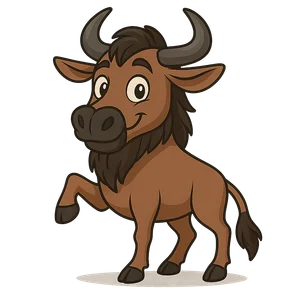
Wildebeest
A large African antelope, also known as a gnu…
Reads at Grades 6–8 Listens at Grades 4–8
Print & create
Answer keys·No prep·Free with an account
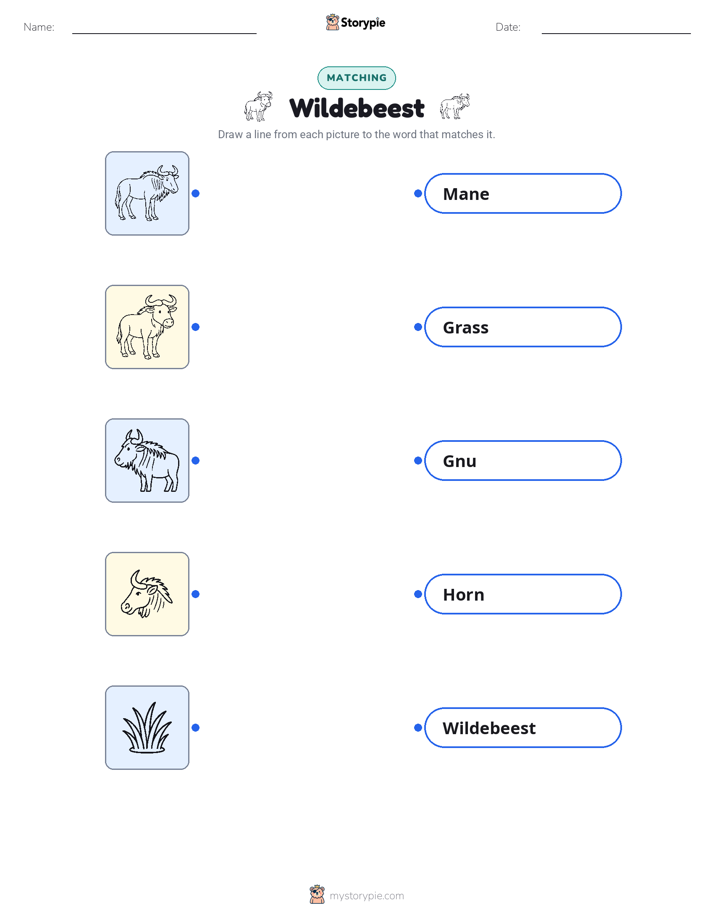
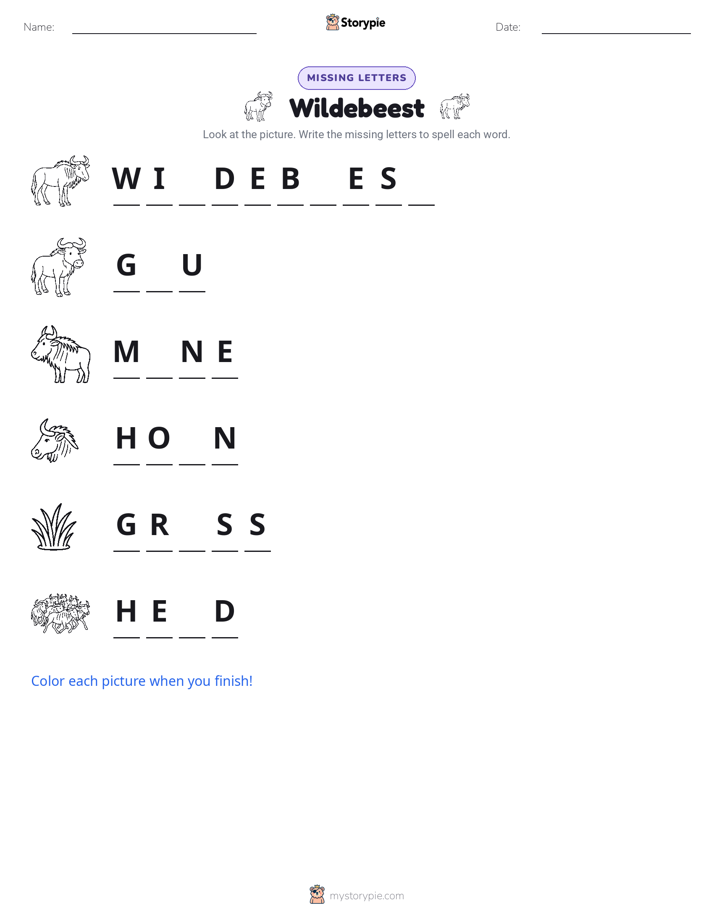
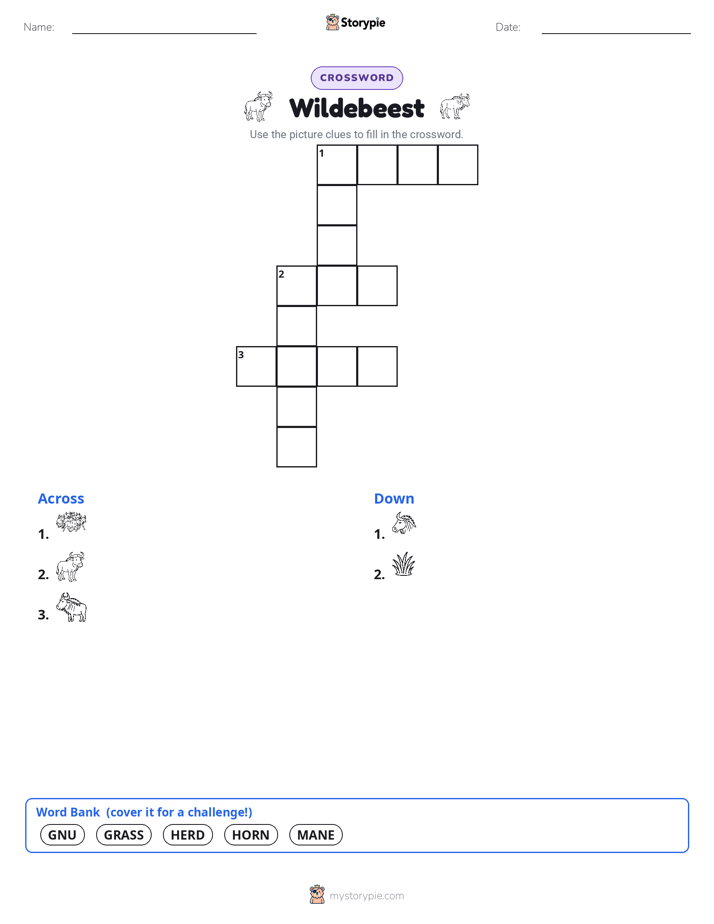
28 worksheets · answer keys · full story · quiz · Ages 10-12 · CEFR B2
Plus adds 244,000+ more stories in 27 languages, audio for every one, and printables for all of them.
Just want Wildebeest?
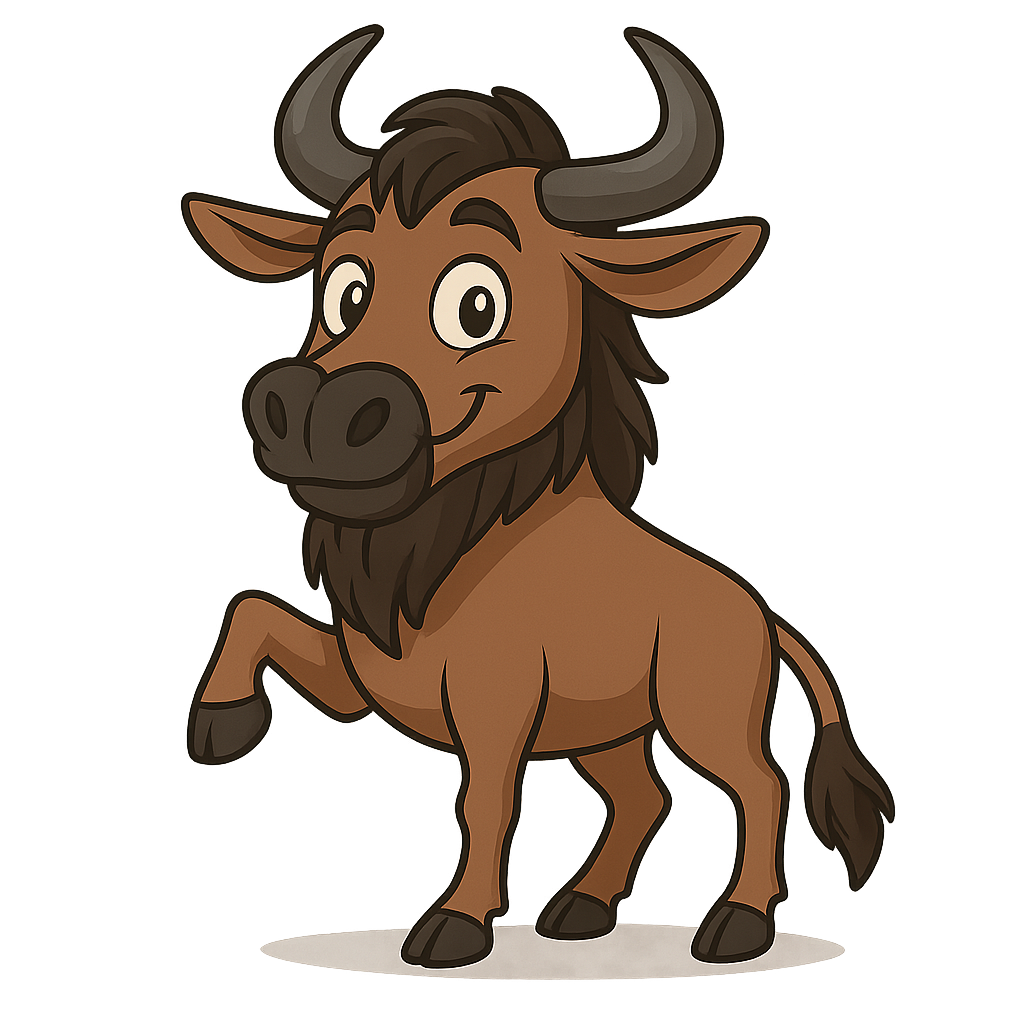
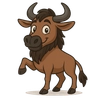
Hello there. You can call me a wildebeest, though some people call me a gnu, which is a fun name that sounds a lot like the grunting noise I make. My appearance is quite unique; you might say I look like a mix-and-match animal. I have a long face, a shaggy mane that flows down my neck and back, and sharp, curved horns that point out from my head. My name, wildebeest, comes from the Afrikaans language and means 'wild beast,' which is a fitting description for an animal that roams the vast, open grasslands of Africa. My home is a world of endless grass under a wide-open sky, and I share it with my enormous family, a herd that stretches as far as the eye can see. Though my ancestors have lived on these plains for thousands of years, we were formally introduced to the Western scientific world in 1823. An English naturalist named William John Burchell was the one who described us, helping people across the globe understand who we are.
My life began in a flurry of activity during the great calving season, which happens every year between January and March. I wasn't born alone; hundreds of thousands of us are born within just a few weeks of each other. This might sound incredibly crowded, but it’s actually our cleverest survival trick. With so many calves all at once, predators like lions and hyenas simply can't catch all of us, which gives many of us a chance to grow stronger. There was no time to rest. I was on my feet just minutes after being born, and within a day, I was running alongside my mother, keeping pace with the rest of the herd. This ability wasn't just impressive; it was absolutely necessary for my survival. My life is one long journey, a constant state of movement, and from my very first day, I knew I was born to run.
My Journey as a Wildebeest
Hello there. You can call me a wildebeest, though some people call me a gnu, which is a fun name that sounds a lot like the grunting noise I make. My appearance is quite unique; you might say I look like a mix-and-match animal. I have a long face, a shaggy mane that flows down my neck and back, and sharp, curved horns that point out from my head. My name, wildebeest, comes from the Afrikaans language and means 'wild beast,' which is a fitting description for an animal that roams the vast, open grasslands of Africa. My home is a world of endless grass under a wide-open sky, and I share it with my enormous family, a herd that stretches as far as the eye can see. Though my ancestors have lived on these plains for thousands of years, we were formally introduced to the Western scientific world in 1823. An English naturalist named William John Burchell was the one who described us, helping people across the globe understand who we are.
My life began in a flurry of activity during the great calving season, which happens every year between January and March. I wasn't born alone; hundreds of thousands of us are born within just a few weeks of each other. This might sound incredibly crowded, but it’s actually our cleverest survival trick. With so many calves all at once, predators like lions and hyenas simply can't catch all of us, which gives many of us a chance to grow stronger. There was no time to rest. I was on my feet just minutes after being born, and within a day, I was running alongside my mother, keeping pace with the rest of the herd. This ability wasn't just impressive; it was absolutely necessary for my survival. My life is one long journey, a constant state of movement, and from my very first day, I knew I was born to run.
The most famous part of my life is what humans call the Great Migration, but for us, it’s simply our way of life. It’s not a vacation; it is a relentless, year-long search for food and water. We travel in a massive, clockwise circle that covers nearly 1,800 miles each year, moving between the vast Serengeti plains in Tanzania and the lush Maasai Mara grasslands in Kenya. Being part of a herd of over a million wildebeest is an incredible experience. The air hums with the sound of our calls, and the ground trembles under the power of millions of hooves moving as one. This journey is filled with dangers. One of the greatest challenges we face is crossing the Mara River, where giant crocodiles lie in wait. It is a frightening part of our journey, but the instinct to follow the rains and find fresh green grass is a powerful force, even stronger than our fear.
You might think my main job is just eating grass, but my herd and I are more like gardeners for the entire savanna. As we graze, we eat the old, tough grass, which makes way for fresh, tender shoots to grow. This new growth doesn't just feed us; it provides food for many other animals too. Our journey has other benefits for the land. As we move, our hooves trample the ground, which helps push seeds into the soil so they can sprout. Even our droppings are important, acting as a fantastic natural fertilizer that enriches the earth. Because of this, we are known as a keystone species. This means that the whole ecosystem, from the tiniest insects in the soil to the powerful lions who rely on us for their food, depends on our presence. Without our constant movement and grazing, the savanna wouldn't be the healthy, vibrant place it is today.
This journey of migration is an ancient story, one that my ancestors have lived out for thousands of years. It is a rhythm that the land itself depends on. To protect our home and our ancient routes, humans created incredible places like the Serengeti National Park, which was officially established in 1951. This park helps preserve the vast landscapes we need to survive. However, our journey is not without modern challenges. We now face new obstacles, like fences and roads that threaten to block the paths our families have followed for generations. My story is a reminder that everything in nature is connected. As long as we can roam free, the great plains of Africa will continue to thrive, a powerful and beautiful symbol of the wild.
Wow facts
About
A large African antelope, also known as a gnu, famous for participating in the Great Migration across the Serengeti, one of the most spectacular natural events on Earth.
Take a Quiz
Question 1 of 5
What is the main reason the wildebeest undertake the Great Migration each year?
Explore next


Want to do even more?
Go beyond exploring. Unlock tools that turn every story into real learning.

Storypie Plus for families
Full stories, quizzes, and printables. Nights and car rides, sorted.
- Unlimited audio stories
- Create Mode: your child stars in the story
- Offline downloads
- Printable worksheets & coloring pages

Why Storypie for Schools
Students engaged. Prep in seconds. Evenings back to you.
- Worksheets & Quizzes
- Classroom Management
- Formative Assessment
- Custom Curriculum & Lesson Plans
- 27 Languages

Why Storypie for Homeschool
Curriculum done. They'll ask for more. Hours back in your day.
- Worksheet Generator
- First-Person Audio Stories
- Built-in Comprehension Quizzes
- Custom Curriculum & Lesson Plans
- Print & Go Activities