English

Abraham Maslow
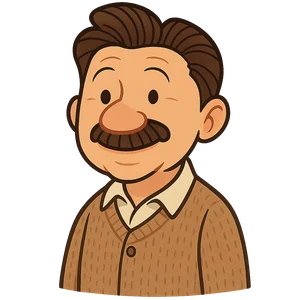
Abraham Maslow was an American psychologist best known for creating Maslow's hierarchy of needs…
Reads at Grades 3–5 Listens at Grades 1–5
Print & create
Answer keys·No prep·Free with an account
28 worksheets · answer keys · full story · quiz · Ages 8-10 · CEFR B1
Plus adds 244,000+ more stories in 27 languages, audio for every one, and printables for all of them.
Just want Abraham Maslow?
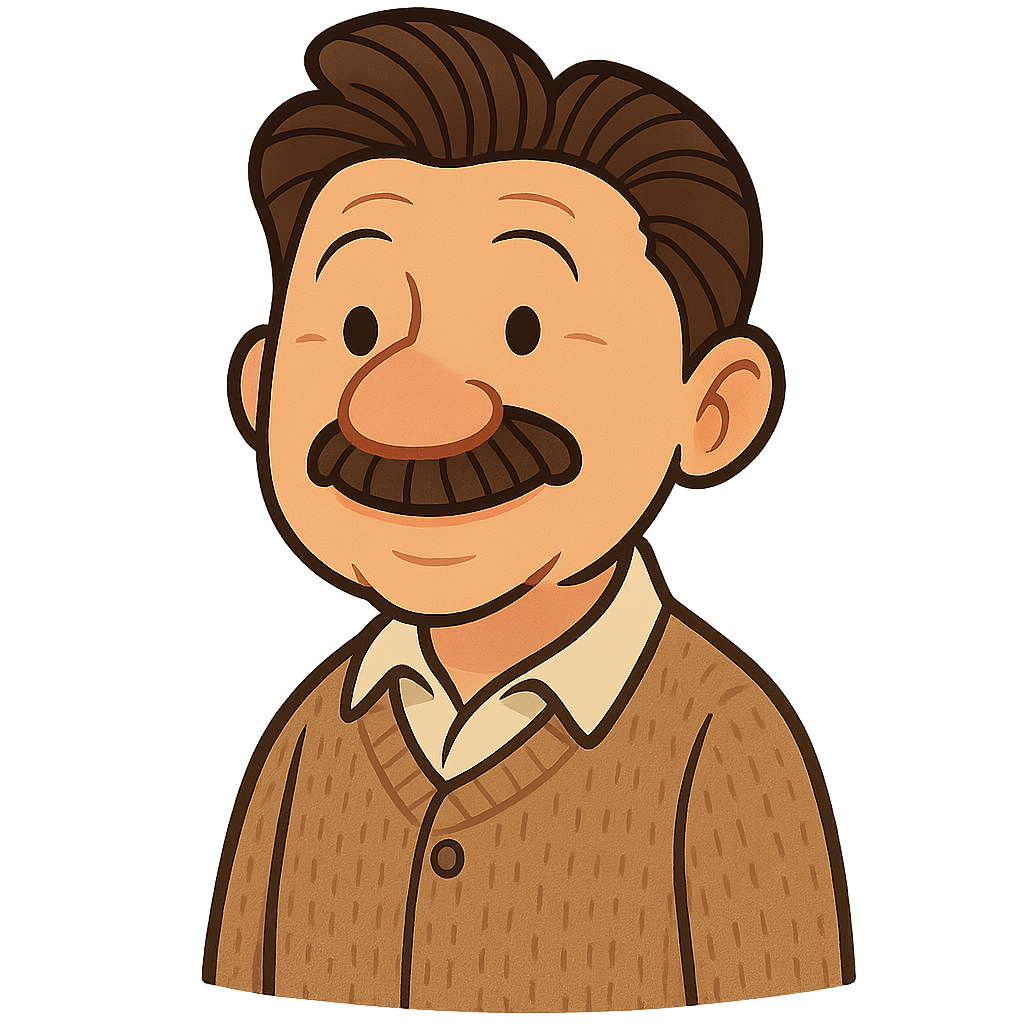
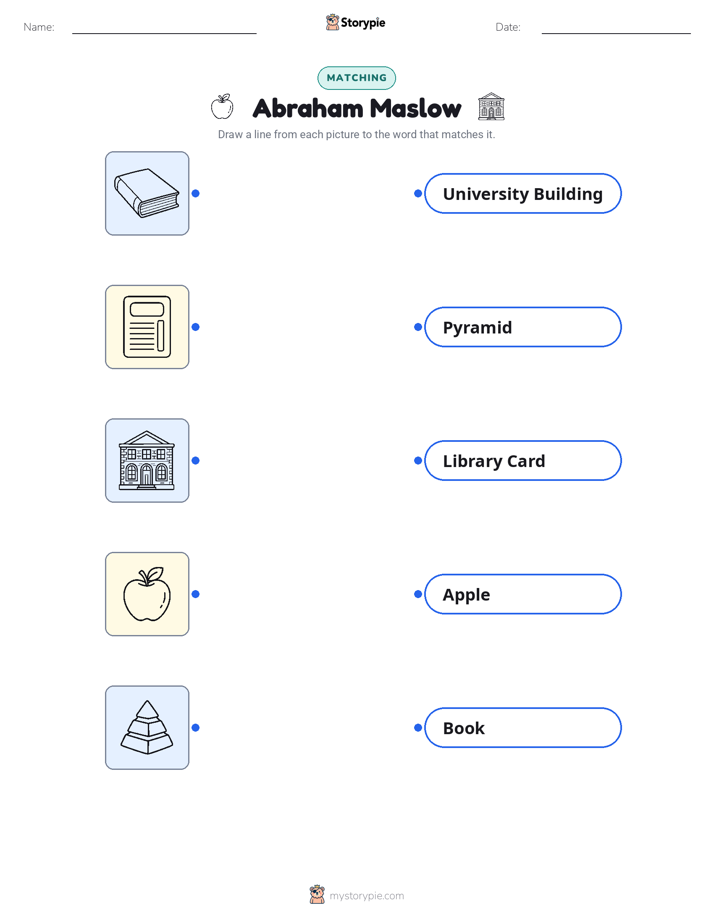
Hello, my name is Abraham Maslow, and I spent my life trying to understand what makes people happy and fulfilled. My story begins on April 1st, 1908, when I was born in Brooklyn, New York. My parents had come to America hoping for a better life for their family. Growing up, I often felt lonely and a bit out of place. I wasn't very interested in playing outside with the other children. Instead, I found my true friends inside the pages of books. The library became my favorite place in the world. Surrounded by endless stories and ideas, I felt a deep sense of happiness and belonging. It was in that quiet, peaceful library that my curiosity about people truly began to grow. I wanted to know what made them tick, why they made certain choices, and what they needed to feel good about their lives.
When it was time for college, I decided to study law, but it didn't take long for me to realize it wasn't the right path for me. The rules and cases didn't capture my imagination. What I really wanted to understand were people—their hopes, their fears, and their feelings. I made an exciting decision to switch my studies to psychology and moved to the University of Wisconsin. From my very first class, I knew I had found where I belonged. Learning about the human mind was fascinating! I worked hard and, in 1934, I earned my PhD, which is the highest degree you can get in a subject. I was so excited to share my ideas with others that in 1937, I began my career as a professor at Brooklyn College, right back in the city where I grew up.
Abraham Maslow: A Ladder to Happiness
Hello, my name is Abraham Maslow, and I spent my life trying to understand what makes people happy and fulfilled. My story begins on April 1st, 1908, when I was born in Brooklyn, New York. My parents had come to America hoping for a better life for their family. Growing up, I often felt lonely and a bit out of place. I wasn't very interested in playing outside with the other children. Instead, I found my true friends inside the pages of books. The library became my favorite place in the world. Surrounded by endless stories and ideas, I felt a deep sense of happiness and belonging. It was in that quiet, peaceful library that my curiosity about people truly began to grow. I wanted to know what made them tick, why they made certain choices, and what they needed to feel good about their lives.
When it was time for college, I decided to study law, but it didn't take long for me to realize it wasn't the right path for me. The rules and cases didn't capture my imagination. What I really wanted to understand were people—their hopes, their fears, and their feelings. I made an exciting decision to switch my studies to psychology and moved to the University of Wisconsin. From my very first class, I knew I had found where I belonged. Learning about the human mind was fascinating! I worked hard and, in 1934, I earned my PhD, which is the highest degree you can get in a subject. I was so excited to share my ideas with others that in 1937, I began my career as a professor at Brooklyn College, right back in the city where I grew up.
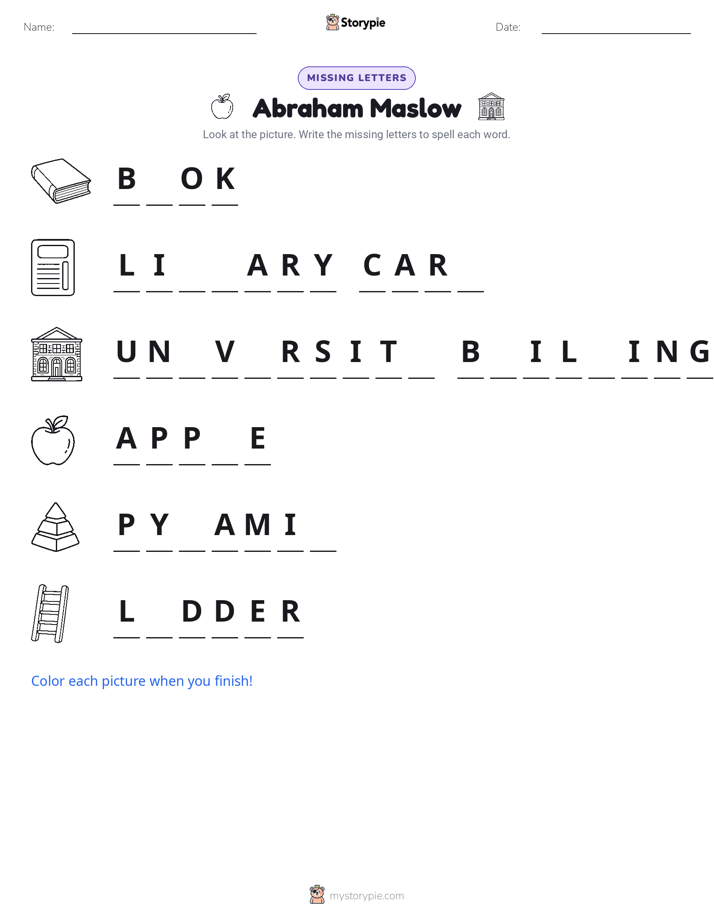
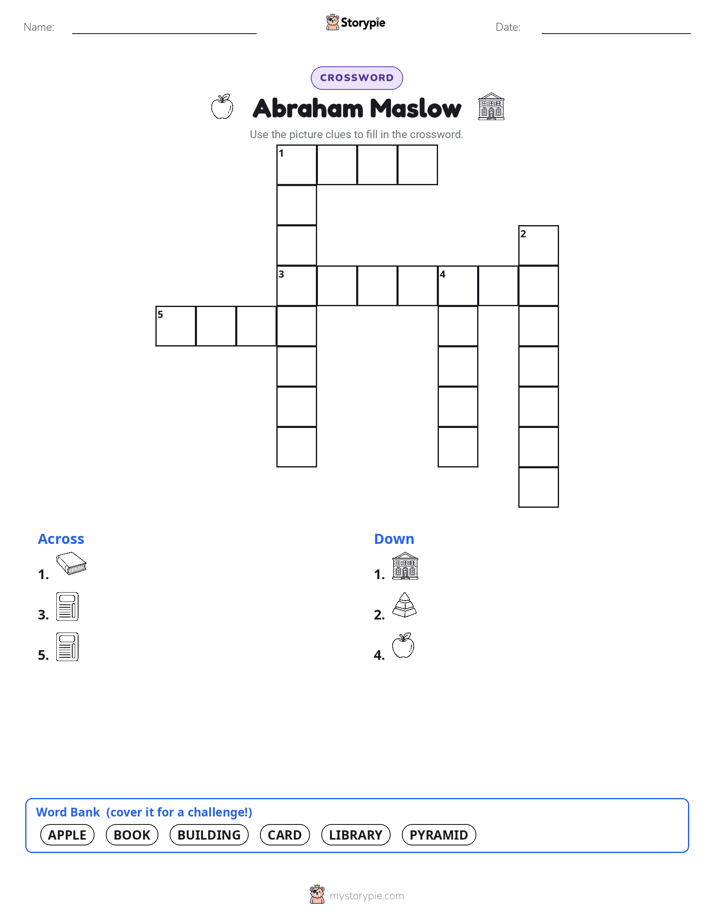
As a professor, I noticed that psychology often focused on what was wrong with people. I wanted to look at it from a different angle. Instead of just studying problems, I wanted to understand what made people feel happy, strong, and truly themselves. This led me to develop my most famous idea, which I first wrote about in a paper in 1943. I called it the Hierarchy of Needs. You can picture it as a pyramid or a ladder with different steps. I explained that to be our best selves, we have to take care of our needs in a certain order. At the very bottom are our most basic needs, like having enough food to eat, water to drink, and a safe place to sleep. Once those needs are met, we can move up to the next level, which is about feeling loved and having friends who care about us. After that, we need to feel good about ourselves and be proud of what we can do. The very top of the pyramid is a special level I called 'self-actualization.' This is the final step, where you work on becoming the very best person you can possibly be.
I spent many happy years teaching at Brandeis University, sharing my work with students and other thinkers from around the world. My goal was always to help people see the good in themselves and others. I lived to be 62 years old. Even after all this time, my ideas are still helping people. The Hierarchy of Needs is used in schools, by doctors, and in businesses to help everyone understand what we all need to thrive. My work encourages people to believe in their own potential to grow, learn, and be happy, and I hope it inspires you to climb your own ladder toward becoming the best you that you can be.
Wow facts
About
Abraham Maslow was an American psychologist best known for creating Maslow's hierarchy of needs, a theory of human motivation based on fulfilling innate human needs.
Take a Quiz
Question 1 of 5
In what year did Abraham Maslow first write about his famous idea, the Hierarchy of Needs?
Explore next






Want to do even more?
Go beyond exploring. Unlock tools that turn every story into real learning.

Storypie Plus for families
Full stories, quizzes, and printables. Nights and car rides, sorted.
- Unlimited audio stories
- Create Mode: your child stars in the story
- Offline downloads
- Printable worksheets & coloring pages

Why Storypie for Schools
Students engaged. Prep in seconds. Evenings back to you.
- Worksheets & Quizzes
- Classroom Management
- Formative Assessment
- Custom Curriculum & Lesson Plans
- 27 Languages

Why Storypie for Homeschool
Curriculum done. They'll ask for more. Hours back in your day.
- Worksheet Generator
- First-Person Audio Stories
- Built-in Comprehension Quizzes
- Custom Curriculum & Lesson Plans
- Print & Go Activities