English

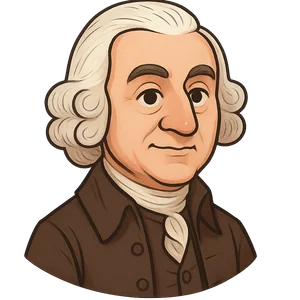
Adam Smith
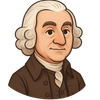
Adam Smith was a Scottish economist and philosopher known as the 'Father of Economics.' His 1776 book…
Reads at Grades 6–8 Listens at Grades 4–8
Print & create
Answer keys·No prep·Free with an account
28 worksheets · answer keys · full story · quiz · Ages 10-12 · CEFR B2
Plus adds 208,000+ more stories in 27 languages, audio for every one, and printables for all of them.
Just want Adam Smith?
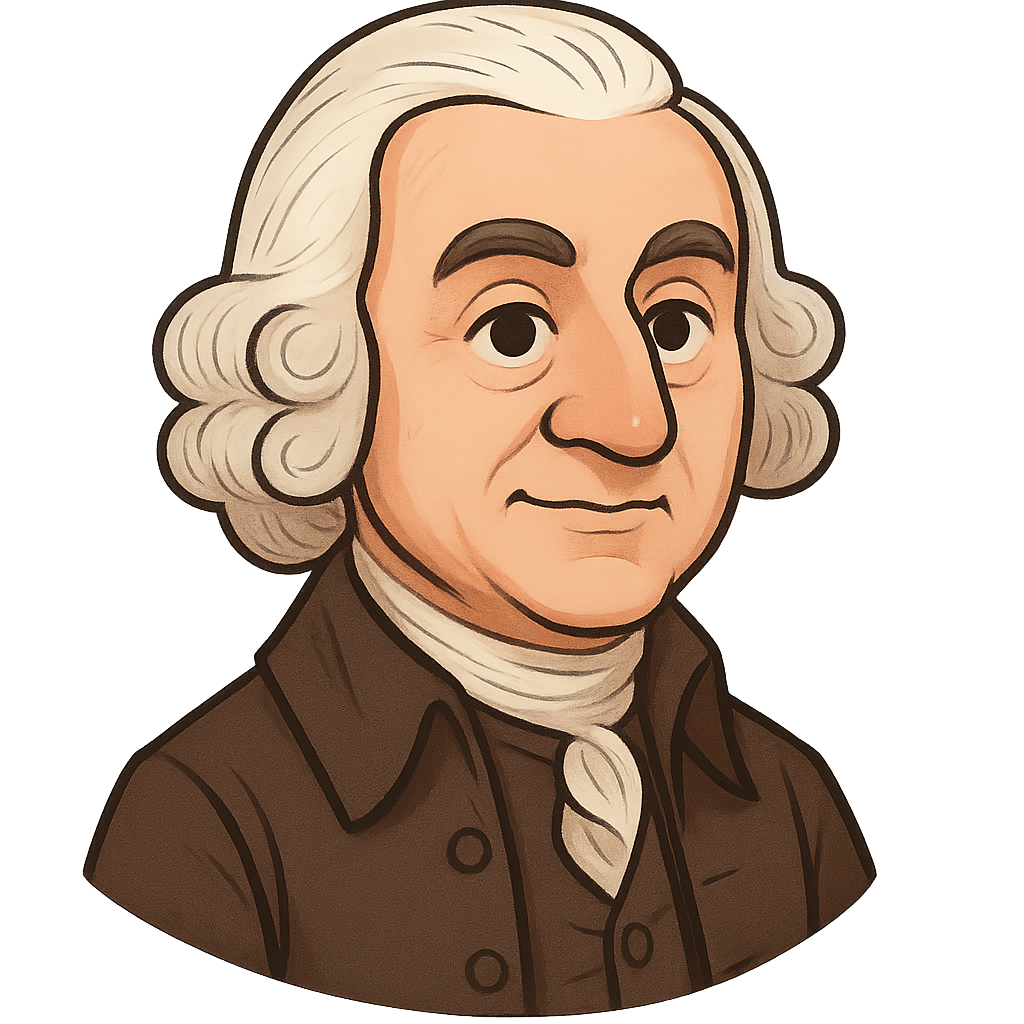
Hello! My name is Adam Smith. I’d like to tell you my story. I was born in a small seaside town called Kirkcaldy, Scotland, in the year 1723. My father passed away just before I was born, so I was raised by my wonderful mother, Margaret. I was a quiet, thoughtful boy and I absolutely loved books. I would spend hours reading and learning about the world, dreaming about big ideas right from my little town.
When I was just fourteen years old, in 1737, I left home to attend the University of Glasgow. It was thrilling! I had a fantastic teacher named Francis Hutcheson who taught me about freedom, reason, and how people behave. After Glasgow, in 1740, I traveled to England to study at Oxford University. It was very different, and honestly, a bit boring compared to Glasgow. But it gave me plenty of quiet time to do what I loved most: read every book I could get my hands on.
After my studies, I returned to Scotland and eventually became a professor at the University of Glasgow myself in 1751. Imagine that—teaching in the very halls where I had been a student! In 1759, I published my first important book, called 'The Theory of Moral Sentiments.' It might sound complicated, but it was about a simple idea: that we all have a natural sympathy for others. We understand what others are feeling, and we want them to see us as good and honorable people. This book made me quite well known throughout Europe.
In 1764, I took a break from teaching to take on a new job: I became a tutor to a young duke. This job took us on a grand tour all across Europe, especially France. I met some of the most brilliant minds of the time, like the famous writer Voltaire. I saw how different countries worked, how people traded goods, and how governments made rules. All this traveling got me thinking about a very big question: What makes some countries wealthy and others poor?
Adam Smith
Hello! My name is Adam Smith. I’d like to tell you my story. I was born in a small seaside town called Kirkcaldy, Scotland, in the year 1723. My father passed away just before I was born, so I was raised by my wonderful mother, Margaret. I was a quiet, thoughtful boy and I absolutely loved books. I would spend hours reading and learning about the world, dreaming about big ideas right from my little town.
When I was just fourteen years old, in 1737, I left home to attend the University of Glasgow. It was thrilling! I had a fantastic teacher named Francis Hutcheson who taught me about freedom, reason, and how people behave. After Glasgow, in 1740, I traveled to England to study at Oxford University. It was very different, and honestly, a bit boring compared to Glasgow. But it gave me plenty of quiet time to do what I loved most: read every book I could get my hands on.
After my studies, I returned to Scotland and eventually became a professor at the University of Glasgow myself in 1751. Imagine that—teaching in the very halls where I had been a student! In 1759, I published my first important book, called 'The Theory of Moral Sentiments.' It might sound complicated, but it was about a simple idea: that we all have a natural sympathy for others. We understand what others are feeling, and we want them to see us as good and honorable people. This book made me quite well known throughout Europe.
In 1764, I took a break from teaching to take on a new job: I became a tutor to a young duke. This job took us on a grand tour all across Europe, especially France. I met some of the most brilliant minds of the time, like the famous writer Voltaire. I saw how different countries worked, how people traded goods, and how governments made rules. All this traveling got me thinking about a very big question: What makes some countries wealthy and others poor?
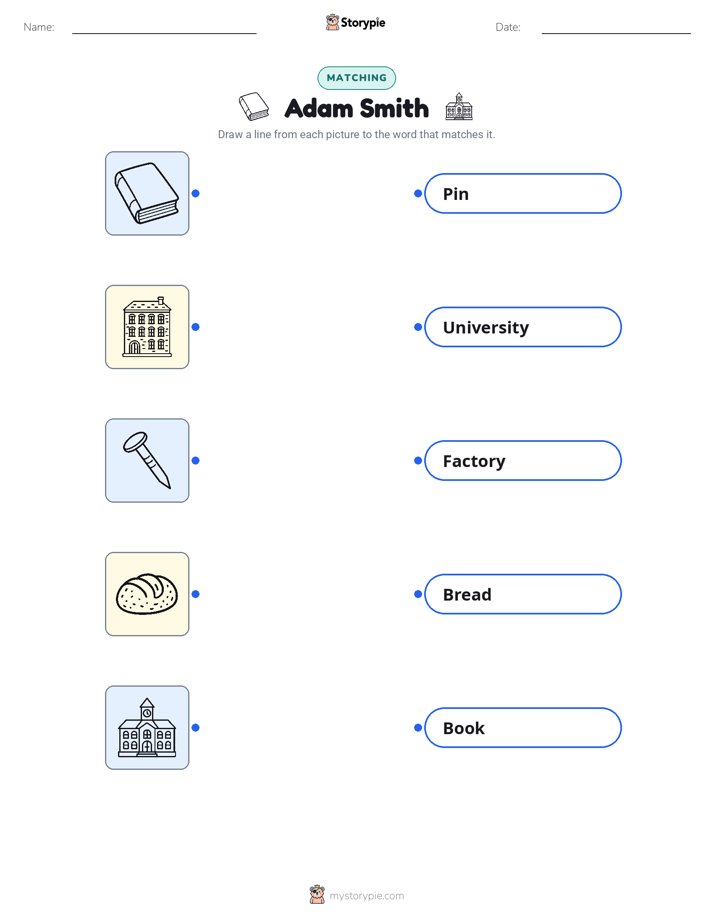
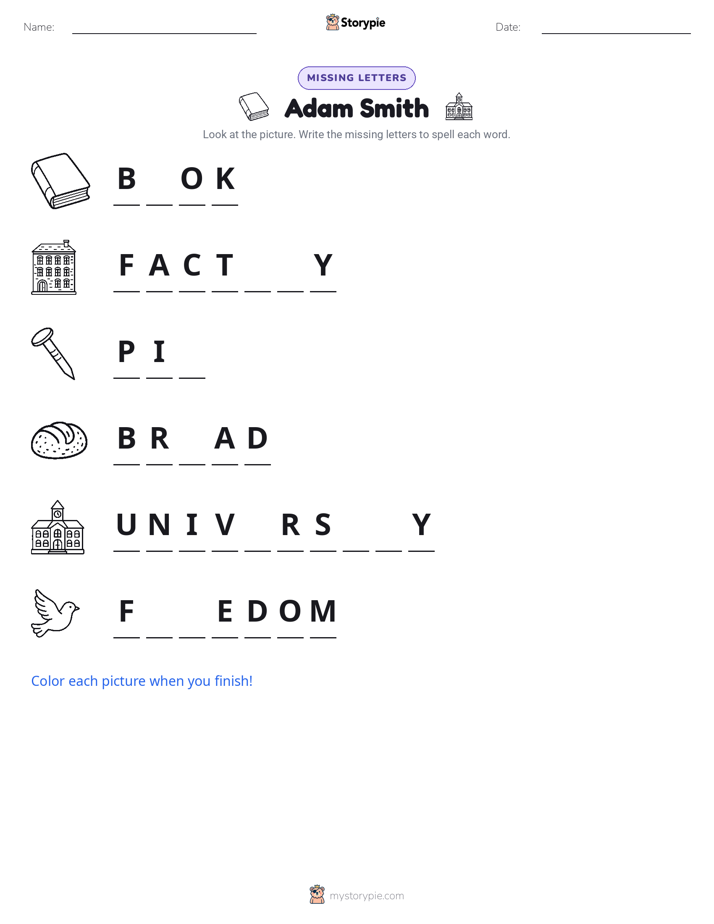
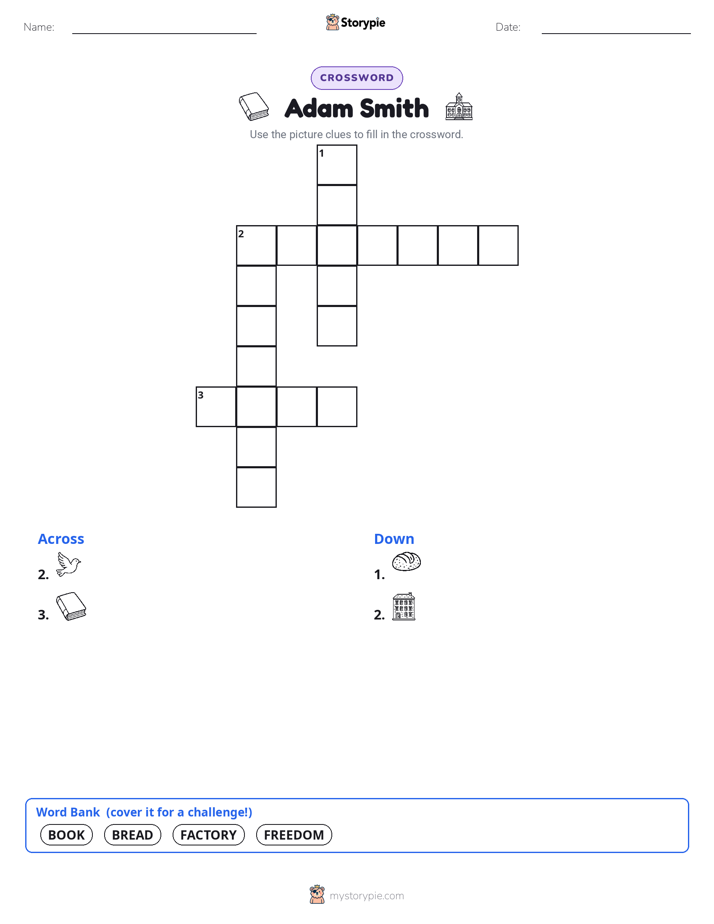
I returned home to Kirkcaldy in 1767 to find the answer to my big question. For nearly ten years, I worked on a new book. Finally, in 1776, I published 'An Inquiry into the Nature and Causes of the Wealth of Nations.' In it, I explained some of my biggest ideas. I described the 'division of labor' using a pin factory as an example—showing how much faster people can work if they each specialize in one small part of a job. I also wrote about the 'invisible hand.' This was my idea that when people work to earn money for themselves, like a baker selling bread, they often end up helping the whole community by providing things everyone needs. It’s as if an invisible hand guides their self-interest to create a good outcome for all.
I spent my later years working for the government in Edinburgh, and I lived to be 67 years old. After I passed away in 1790, my ideas continued to spread. 'The Wealth of Nations' changed how people thought about money, trade, and business. Today, I am often called the 'Father of Modern Economics,' and students all over the world still study my work to understand how our economies function. I am proud that my curiosity about the world helped others see it in a new way.
Wow facts
About
Adam Smith was a Scottish economist and philosopher known as the 'Father of Economics.' His 1776 book, The Wealth of Nations, introduced key concepts like the division of labor and the 'invisible hand,' which became the foundation for modern free-market economic theory.
Take a Quiz
Question 1 of 5
What is the central idea of Adam Smith's book, 'The Wealth of Nations'?
Explore next





Want to do even more?
Go beyond exploring. Unlock tools that turn every story into real learning.

Storypie Plus for families
Full stories, quizzes, and printables. Nights and car rides, sorted.
- Unlimited audio stories
- Create Mode: your child stars in the story
- Offline downloads
- Printable worksheets & coloring pages

Why Storypie for Schools
Students engaged. Prep in seconds. Evenings back to you.
- Worksheets & Quizzes
- Classroom Management
- Formative Assessment
- Custom Curriculum & Lesson Plans
- 27 Languages

Why Storypie for Homeschool
Curriculum done. They'll ask for more. Hours back in your day.
- Worksheet Generator
- First-Person Audio Stories
- Built-in Comprehension Quizzes
- Custom Curriculum & Lesson Plans
- Print & Go Activities