English

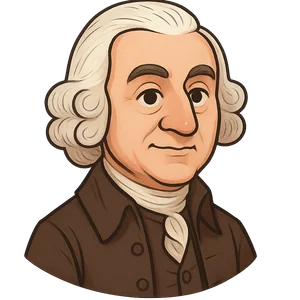
Adam Smith
Adam Smith was a Scottish economist and philosopher known as the 'Father of Economics.' His 1776 book…
Reads at Grades 3–5 Listens at Grades 1–5
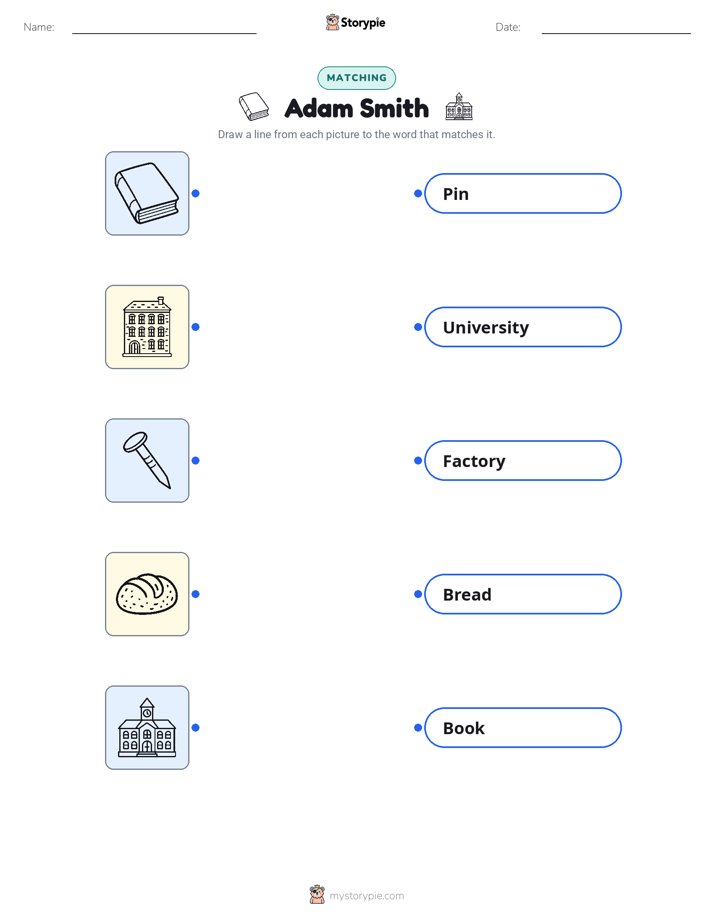
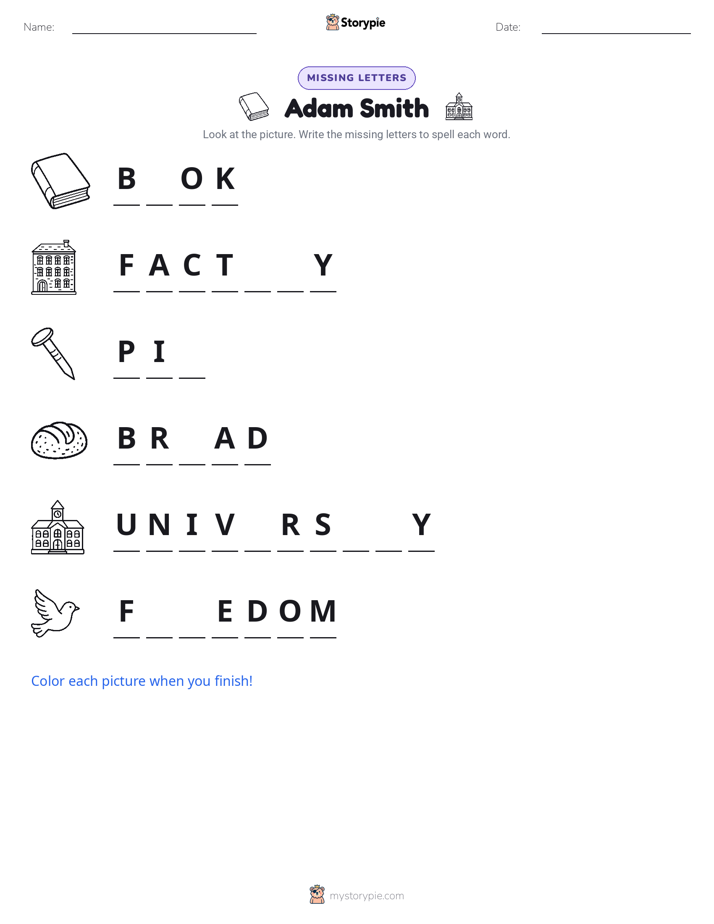
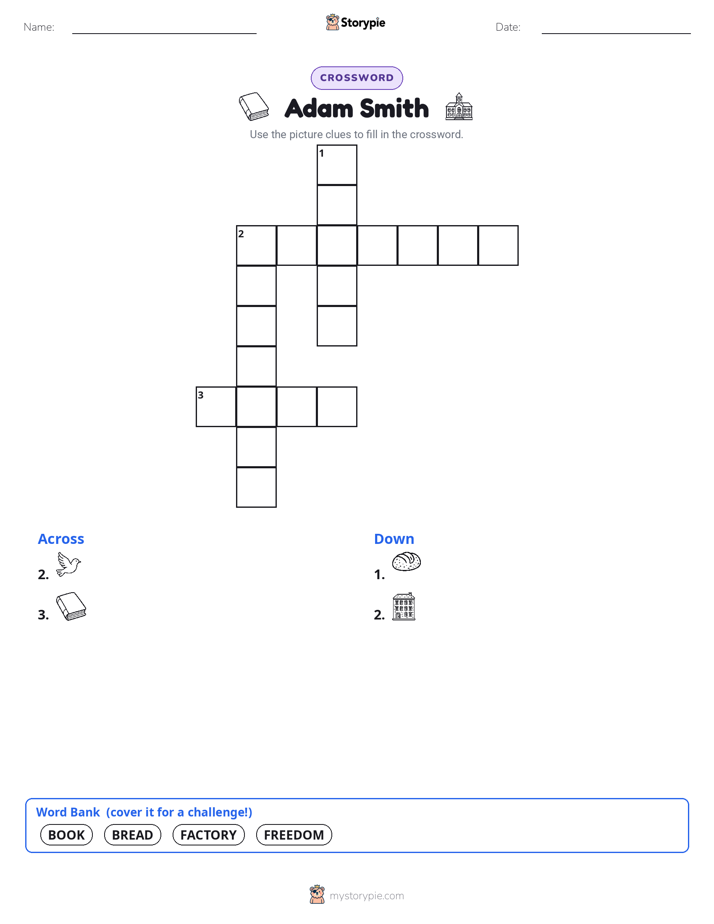
Print & create
Answer keys·No prep·Free with an account
28 worksheets · answer keys · full story · quiz · Ages 8-10 · CEFR B1
Plus adds 208,000+ more stories in 27 languages, audio for every one, and printables for all of them.
Just want Adam Smith?
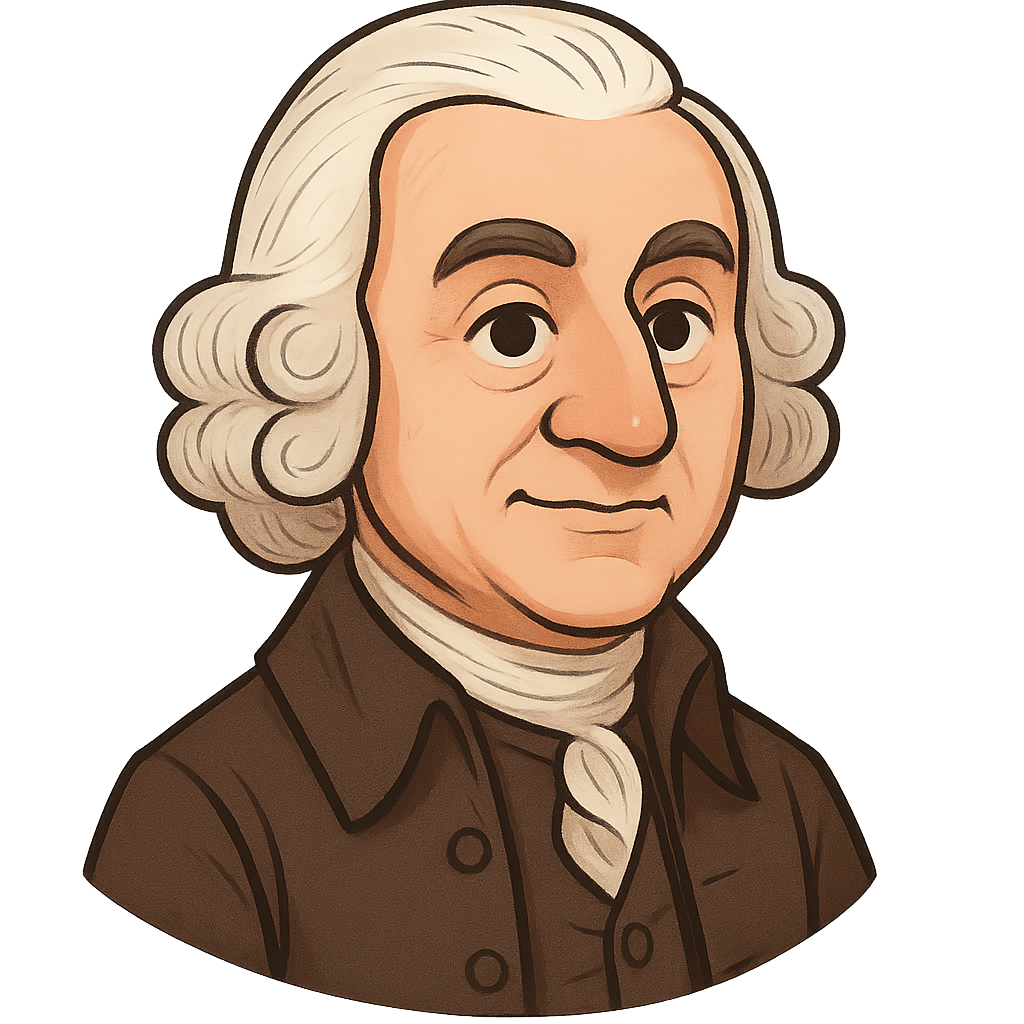
Hello! My name is Adam Smith. I was born in a small seaside town called Kirkcaldy, Scotland, way back in 1723. Even as a little boy, I was more interested in books and daydreams than playing outside. I loved to learn, and I was so eager that I went off to the University of Glasgow when I was only fourteen years old! There, I studied big ideas about how people think and what makes us good and kind to one another.
After my studies, I became a professor at that same university in 1751. I loved teaching students about logic and philosophy. In 1759, I wrote my first important book, called *The Theory of Moral Sentiments*. It was all about empathy—how we can imagine ourselves in someone else's shoes to understand their feelings. A few years later, in 1764, I took a job as a tutor for a young nobleman, the Duke of Buccleuch. We traveled all over Europe for two years, visiting amazing places in France and Switzerland and meeting some of the brightest thinkers of the time. This trip gave me so many new ideas.
When I returned to Scotland, I spent the next ten years writing the book I am most famous for. It was called *An Inquiry into the Nature and Causes of the Wealth of Nations*, and it was published in the famous year of 1776. It sounds complicated, but my ideas were simple. I explained how a country could become wealthy. I described how 'division of labor'—letting each worker specialize in one small job—could make a factory incredibly productive. I also talked about an 'invisible hand.' I believed that when people work hard for themselves, like a baker making bread to earn money, they often end up helping everyone else by providing goods and services the community needs. It's as if an invisible hand guides everything to work out for the best.
Adam Smith: The Father of Economics
Hello! My name is Adam Smith. I was born in a small seaside town called Kirkcaldy, Scotland, way back in 1723. Even as a little boy, I was more interested in books and daydreams than playing outside. I loved to learn, and I was so eager that I went off to the University of Glasgow when I was only fourteen years old! There, I studied big ideas about how people think and what makes us good and kind to one another.
After my studies, I became a professor at that same university in 1751. I loved teaching students about logic and philosophy. In 1759, I wrote my first important book, called The Theory of Moral Sentiments. It was all about empathy—how we can imagine ourselves in someone else's shoes to understand their feelings. A few years later, in 1764, I took a job as a tutor for a young nobleman, the Duke of Buccleuch. We traveled all over Europe for two years, visiting amazing places in France and Switzerland and meeting some of the brightest thinkers of the time. This trip gave me so many new ideas.
When I returned to Scotland, I spent the next ten years writing the book I am most famous for. It was called An Inquiry into the Nature and Causes of the Wealth of Nations, and it was published in the famous year of 1776. It sounds complicated, but my ideas were simple. I explained how a country could become wealthy. I described how 'division of labor'—letting each worker specialize in one small job—could make a factory incredibly productive. I also talked about an 'invisible hand.' I believed that when people work hard for themselves, like a baker making bread to earn money, they often end up helping everyone else by providing goods and services the community needs. It's as if an invisible hand guides everything to work out for the best.
I spent my later years working for the government in Edinburgh and enjoying conversations with my friends. I lived to be 67 years old, passing away in 1790. Today, people remember me as the 'Father of Economics.' My ideas in The Wealth of Nations helped shape how people all over the world think about jobs, money, and trade. My work helps us understand the world of business and how we can all work together, even in our own special ways, to create a better life for everyone.
Wow facts
About
Adam Smith was a Scottish economist and philosopher known as the 'Father of Economics.' His 1776 book, The Wealth of Nations, introduced key concepts like the division of labor and the 'invisible hand,' which became the foundation for modern free-market economic theory.
Take a Quiz
Question 1 of 5
What does the phrase 'division of labor' mean in the story?
Explore next





Want to do even more?
Go beyond exploring. Unlock tools that turn every story into real learning.

Storypie Plus for families
Full stories, quizzes, and printables. Nights and car rides, sorted.
- Unlimited audio stories
- Create Mode: your child stars in the story
- Offline downloads
- Printable worksheets & coloring pages

Why Storypie for Schools
Students engaged. Prep in seconds. Evenings back to you.
- Worksheets & Quizzes
- Classroom Management
- Formative Assessment
- Custom Curriculum & Lesson Plans
- 27 Languages

Why Storypie for Homeschool
Curriculum done. They'll ask for more. Hours back in your day.
- Worksheet Generator
- First-Person Audio Stories
- Built-in Comprehension Quizzes
- Custom Curriculum & Lesson Plans
- Print & Go Activities