English

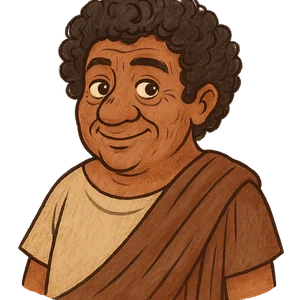
Aesop
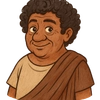
Aesop was an ancient Greek storyteller credited with a number of fables now collectively known as Aesop's…
Reads at Grades 6–8 Listens at Grades 4–8
Print & create
Answer keys·No prep·Free with an account
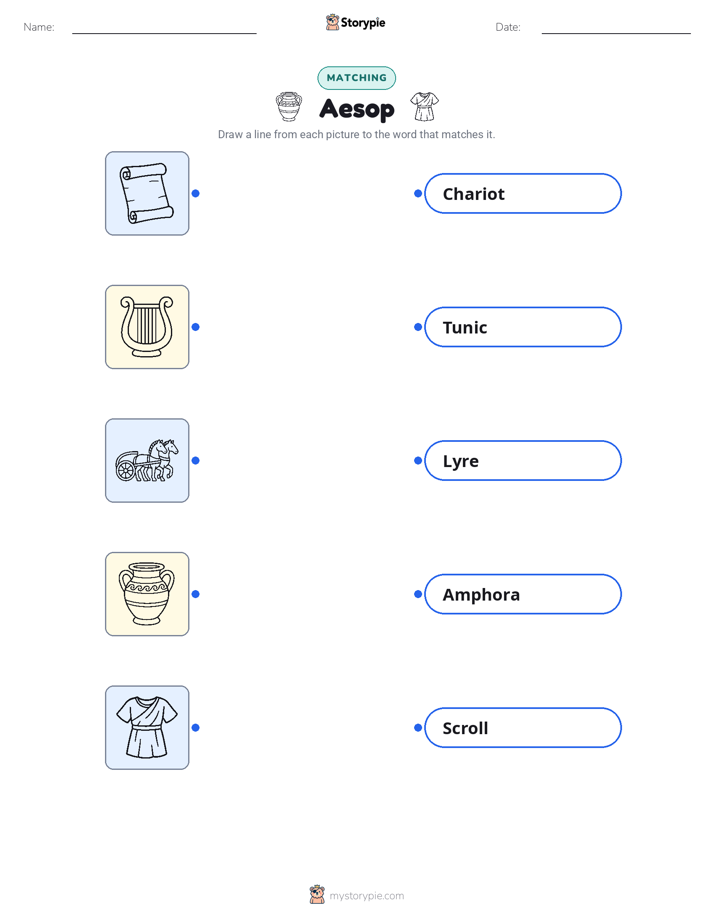
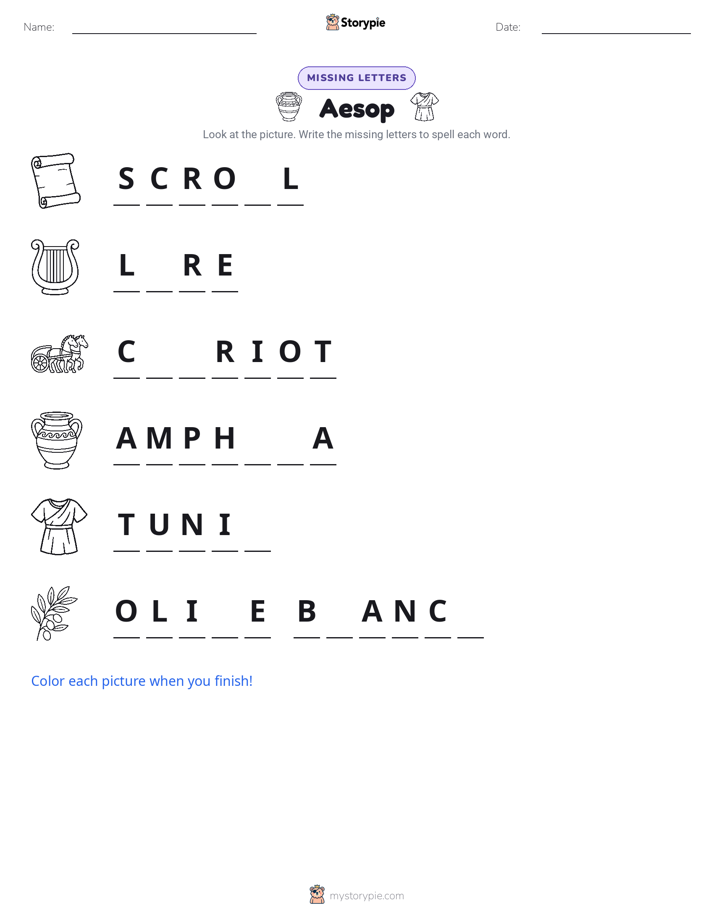
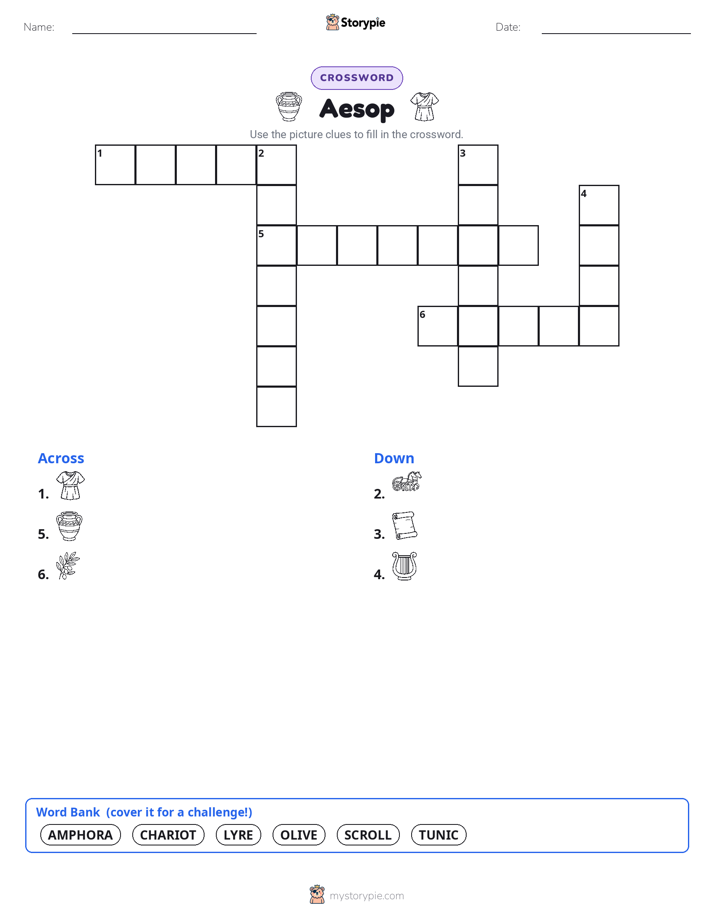
28 worksheets · answer keys · full story · quiz · Ages 10-12 · CEFR B2
Plus adds 244,000+ more stories in 27 languages, audio for every one, and printables for all of them.
Just want Aesop?
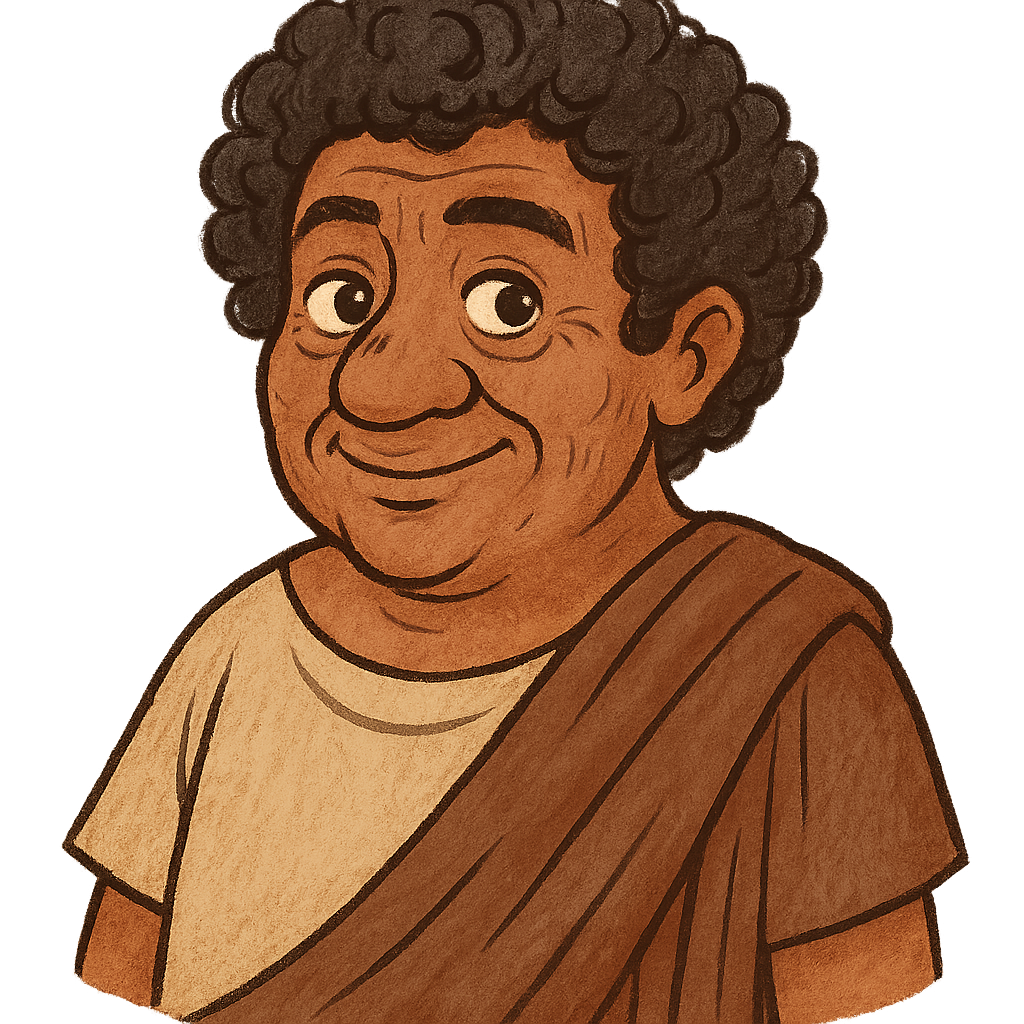
My name is Aesop, and I am a storyteller from the ancient world. I lived in Greece so long ago, around the 6th century BCE, that many of the facts about my life have become wrapped in mystery and legend. Some say I was born on this island or that, while others debate what I looked like. But the truth of who I was is not found in the details of my birth or appearance; it is found within the stories I told. I am known for my fables, which are short tales that teach important lessons about life. In my stories, animals often talk and act just like people. A sly fox, a hard-working ant, or a boastful lion might be the main character, but their actions are meant to show you something about human nature. Through them, I shared ideas about kindness, honesty, and wisdom that have been remembered for thousands of years.
My journey began in a difficult place, as I spent my early life as a slave in Greece. During this time, my body was not free to go where it pleased, but my mind was always my own. I was a keen observer of the world around me, watching how people behaved, especially those in power. I learned that speaking direct truth to a powerful person could be dangerous. So, I found a safer way to share my thoughts and give advice. I used storytelling. If I wanted to warn a master about being too greedy, I might tell a tale about a foolish fox who lost his dinner because he wanted more. If I wished to point out the dangers of pride, I could share a story about a proud lion who was outsmarted by a humble mouse. My fables became my voice, allowing me to speak cleverly and carefully about serious matters.
Aesop: The Storyteller and His Fables
My name is Aesop, and I am a storyteller from the ancient world. I lived in Greece so long ago, around the 6th century BCE, that many of the facts about my life have become wrapped in mystery and legend. Some say I was born on this island or that, while others debate what I looked like. But the truth of who I was is not found in the details of my birth or appearance; it is found within the stories I told. I am known for my fables, which are short tales that teach important lessons about life. In my stories, animals often talk and act just like people. A sly fox, a hard-working ant, or a boastful lion might be the main character, but their actions are meant to show you something about human nature. Through them, I shared ideas about kindness, honesty, and wisdom that have been remembered for thousands of years.
My journey began in a difficult place, as I spent my early life as a slave in Greece. During this time, my body was not free to go where it pleased, but my mind was always my own. I was a keen observer of the world around me, watching how people behaved, especially those in power. I learned that speaking direct truth to a powerful person could be dangerous. So, I found a safer way to share my thoughts and give advice. I used storytelling. If I wanted to warn a master about being too greedy, I might tell a tale about a foolish fox who lost his dinner because he wanted more. If I wished to point out the dangers of pride, I could share a story about a proud lion who was outsmarted by a humble mouse. My fables became my voice, allowing me to speak cleverly and carefully about serious matters.
Over time, my reputation for telling wise and entertaining fables grew. People began to notice that my simple stories held deep truths. My intelligence and unique way of communicating became so valued that my masters eventually granted me my freedom. The moment I became a free man was incredible; it was as if the stories I had told had unlocked the door to a new life for me. I was no longer bound to one place or one person. As a free man, I was able to travel and share my wisdom far and wide. My fables earned me respect, and I became an advisor to influential leaders. One of the most famous figures I advised was the wealthy and powerful King Croesus of Lydia, who valued my perspective and clever insights.
My greatest contribution to the world, of course, was the fables themselves. You may have heard of some of them. In 'The Tortoise and the Hare,' I taught that slow and steady persistence can overcome arrogant speed. In 'The Lion and the Mouse,' I showed that even the smallest and weakest friend can perform a great act of kindness for the most powerful. It is important for you to know that I was an oral storyteller. I never wrote my fables down in a book. For hundreds of years, they were passed from person to person, told aloud in marketplaces and homes. It wasn't until much later, around 300 BCE, that scholars began to worry my tales might be forgotten. A man named Demetrius of Phalerum was one of the first to collect my fables and write them down, preserving them so that they could be read and shared forever.
My life's journey eventually took me on a mission for King Croesus to the great city of Delphi around 564 BCE. According to legend, my visit there ended in a terrible disagreement. The people of Delphi were angered by my words, and I was falsely accused of a crime. Sadly, my life came to an end in that city. But while my time on Earth was over, my stories did not die with me. They have lived on for more than 2,500 years, translated into countless languages and shared in countries all over the world. My fables continue to teach valuable lessons about life, morality, and human nature, ensuring that my voice is never truly gone and that my wisdom continues to inspire new generations.
Wow facts
About
Aesop was an ancient Greek storyteller credited with a number of fables now collectively known as Aesop's Fables. Though his historical existence is debated, his stories, which often feature talking animals and a moral lesson, have been influential for over two millennia.
Take a Quiz
Question 1 of 5
Why did Aesop use animal characters in his fables when he was a slave?
Explore next


Want to do even more?
Go beyond exploring. Unlock tools that turn every story into real learning.

Storypie Plus for families
Full stories, quizzes, and printables. Nights and car rides, sorted.
- Unlimited audio stories
- Create Mode: your child stars in the story
- Offline downloads
- Printable worksheets & coloring pages

Why Storypie for Schools
Students engaged. Prep in seconds. Evenings back to you.
- Worksheets & Quizzes
- Classroom Management
- Formative Assessment
- Custom Curriculum & Lesson Plans
- 27 Languages

Why Storypie for Homeschool
Curriculum done. They'll ask for more. Hours back in your day.
- Worksheet Generator
- First-Person Audio Stories
- Built-in Comprehension Quizzes
- Custom Curriculum & Lesson Plans
- Print & Go Activities