English

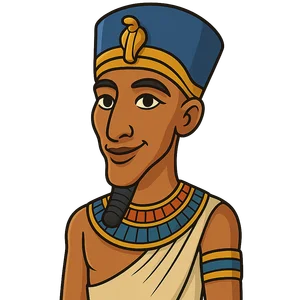
Akhenaten
Akhenaten was an ancient Egyptian pharaoh of the 18th Dynasty who ruled for 17 years and is known for…
Reads at Grades 6–8 Listens at Grades 4–8
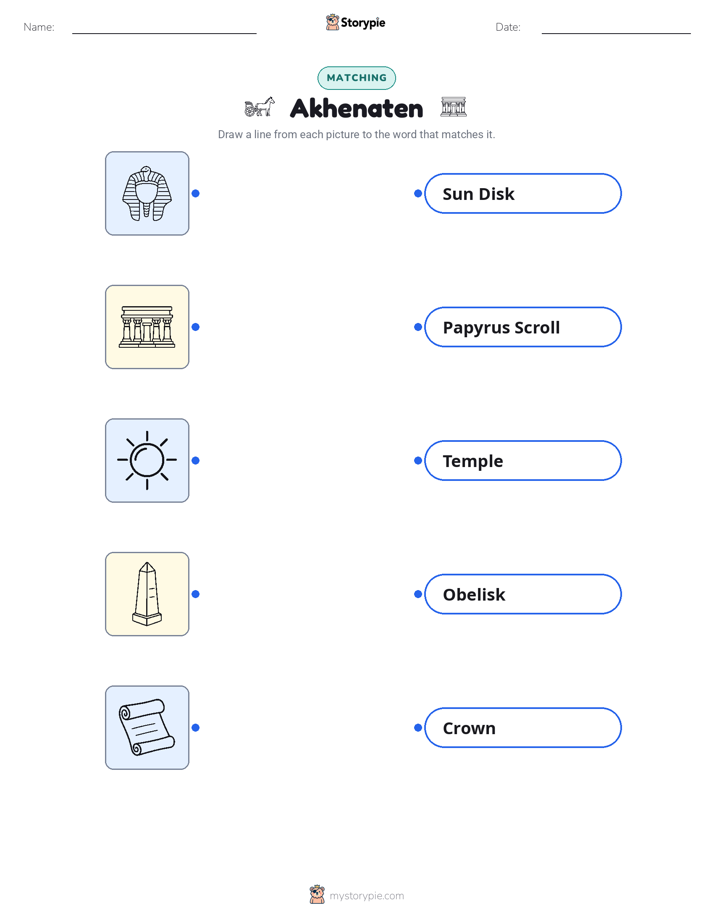
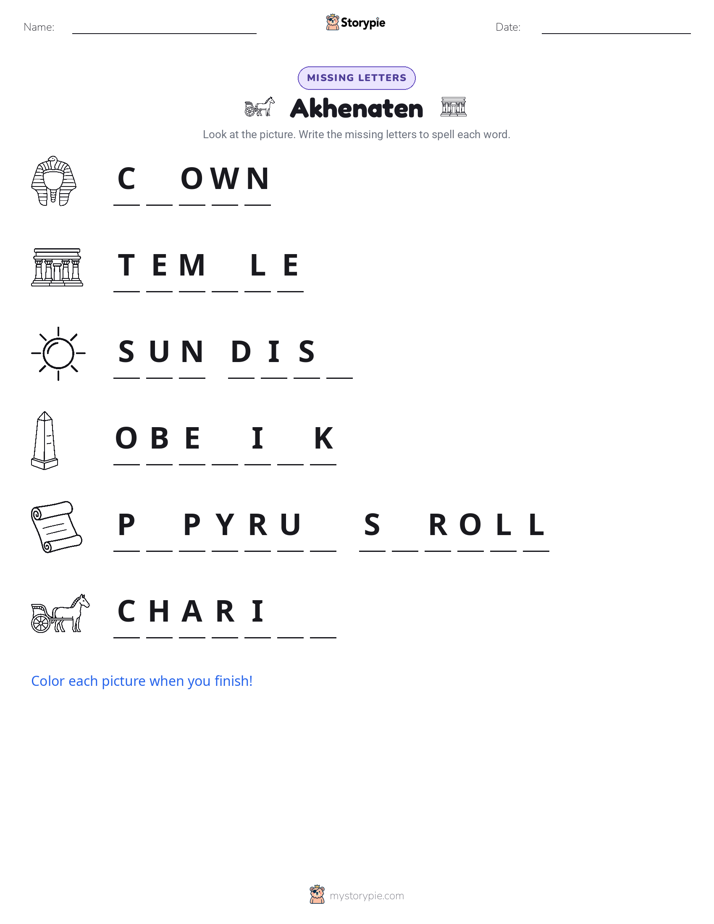
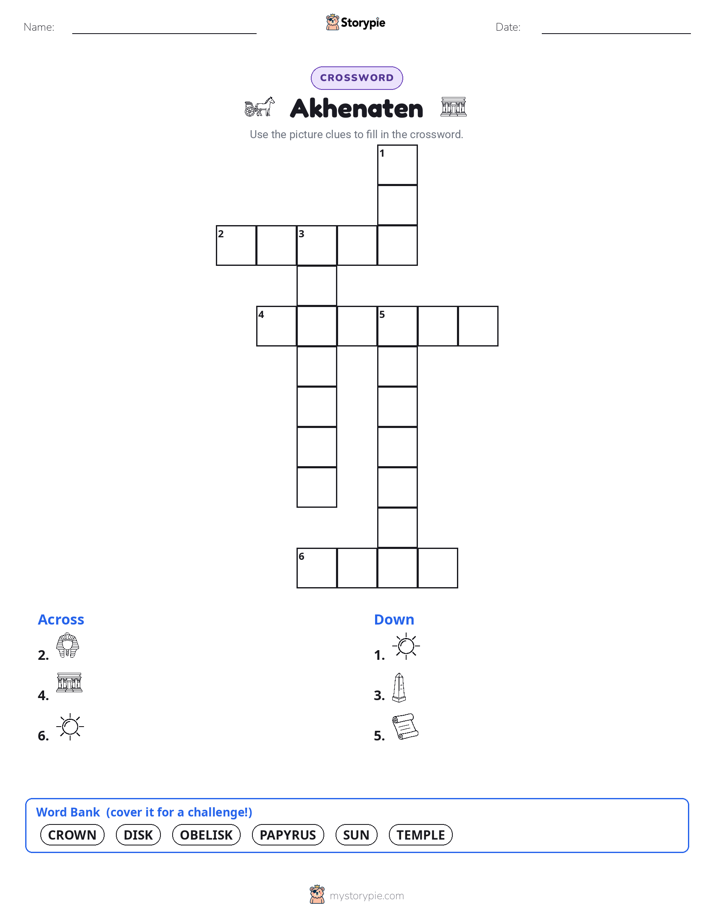
Print & create
Answer keys·No prep·Free with an account
28 worksheets · answer keys · full story · quiz · Ages 10-12 · CEFR B2
Plus adds 280,000+ more stories in 27 languages, audio for every one, and printables for all of them.
Just want Akhenaten?
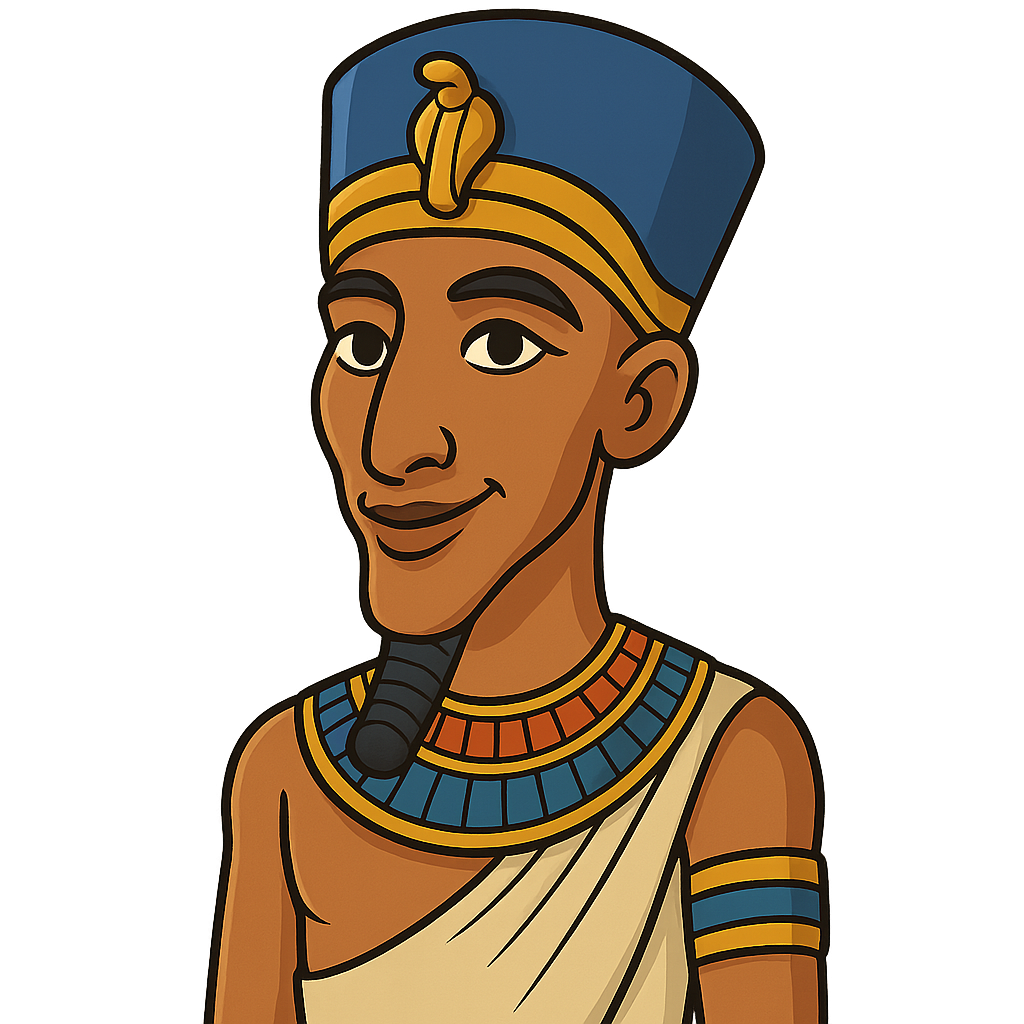
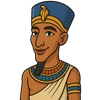
I am Prince Amenhotep IV, son of the great Pharaoh Amenhotep III. I was born into a world of incredible splendor in the magnificent city of Thebes. Around 1360 BCE, Thebes was the heart of Egypt, a city filled with towering temples and grand monuments built to honor our many gods. The most powerful of these gods was Amun-Ra, the king of the gods, and his priests held immense influence over our people. But even as a young prince, I saw the world through a different lens. I would look up at the sun, watching its golden light touch everything, from the mighty Nile River to the farthest lands beyond our borders. It seemed to me that the sun was the one true source of life, a power that gave warmth and energy to everyone and everything, not just the people of Egypt. This feeling grew inside me, a belief that there was a single, universal power far greater than the gods worshipped in the shadowy halls of our temples. I felt a deep connection to this power, a truth that I knew would one day change the course of my life and my kingdom.
When my father passed away, I ascended to the throne of Egypt around 1353 BCE. The responsibility of a pharaoh was immense, but I carried with me the beliefs I had held since I was a boy. I knew I could not continue the traditions of the past. I made a profound decision to change the very foundation of Egyptian religion, a tradition that had stood for over a thousand years. I declared that there was only one true god, a universal creator named the Aten. The Aten was not a god that looked like a man or an animal; it was the physical disk of the sun itself, the source of all life, light, and warmth. To show my complete devotion and to mark the beginning of this new era, I changed my own name. In the fifth year of my reign, I was no longer Amenhotep, a name that honored the god Amun. I became Akhenaten, which means 'Effective for the Aten.' My beloved wife, the beautiful Queen Nefertiti, shared my vision completely. She stood by my side, a strong and powerful partner, as we prepared to guide Egypt into a new dawn, one illuminated by the light of a single god.
Akhenaten: The Pharaoh of the Sun
I am Prince Amenhotep IV, son of the great Pharaoh Amenhotep III. I was born into a world of incredible splendor in the magnificent city of Thebes. Around 1360 BCE, Thebes was the heart of Egypt, a city filled with towering temples and grand monuments built to honor our many gods. The most powerful of these gods was Amun-Ra, the king of the gods, and his priests held immense influence over our people. But even as a young prince, I saw the world through a different lens. I would look up at the sun, watching its golden light touch everything, from the mighty Nile River to the farthest lands beyond our borders. It seemed to me that the sun was the one true source of life, a power that gave warmth and energy to everyone and everything, not just the people of Egypt. This feeling grew inside me, a belief that there was a single, universal power far greater than the gods worshipped in the shadowy halls of our temples. I felt a deep connection to this power, a truth that I knew would one day change the course of my life and my kingdom.
When my father passed away, I ascended to the throne of Egypt around 1353 BCE. The responsibility of a pharaoh was immense, but I carried with me the beliefs I had held since I was a boy. I knew I could not continue the traditions of the past. I made a profound decision to change the very foundation of Egyptian religion, a tradition that had stood for over a thousand years. I declared that there was only one true god, a universal creator named the Aten. The Aten was not a god that looked like a man or an animal; it was the physical disk of the sun itself, the source of all life, light, and warmth. To show my complete devotion and to mark the beginning of this new era, I changed my own name. In the fifth year of my reign, I was no longer Amenhotep, a name that honored the god Amun. I became Akhenaten, which means 'Effective for the Aten.' My beloved wife, the beautiful Queen Nefertiti, shared my vision completely. She stood by my side, a strong and powerful partner, as we prepared to guide Egypt into a new dawn, one illuminated by the light of a single god.
To truly break from the past, I knew we could not stay in Thebes, a city dominated by the temples and priests of Amun-Ra. Therefore, around 1346 BCE, I made another radical decision: we would build a brand-new capital city from the ground up. I chose a pristine, untouched stretch of desert land along the Nile, nestled between two great cliffs. This new city was dedicated entirely to our god, and I named it Akhetaten, meaning 'Horizon of the Aten.' It was to be a city of light. Unlike the dark, enclosed temples of the old gods, the temples in Akhetaten were open to the sky, designed to let the sunlight flood every corner. We built grand palaces, wide avenues, and comfortable homes for the thousands of officials, artists, and workers who followed us to build our new world. In Akhetaten, we also inspired a new style of art, which historians now call Amarna art. The art of previous pharaohs was stiff, formal, and perfect. Our art was different. It showed my family as we truly were—Nefertiti, our six daughters, and me—in natural, loving, and sometimes playful moments. It was a reflection of our new belief in truth and life.
Bringing about such a massive revolution was not easy. My vision was clear to me, but it was a difficult path for my kingdom to walk. To elevate the Aten, I ordered the closure of the temples dedicated to the old gods, especially the powerful temples of Amun-Ra. This action angered the priests, who lost their wealth and influence overnight. They saw me as a threat to their power and to the very fabric of our society. Many ordinary Egyptians also struggled with this change. For centuries, they had prayed to gods like Osiris, the god of the afterlife, and Isis, the great mother goddess, for comfort and protection. To be told to abandon these familiar figures and worship a distant, abstract sun disk was confusing and unsettling for many. I was so intensely focused on establishing my new religion and building my city of Akhetaten that I may have neglected some of my other duties as a pharaoh, particularly matters of foreign policy. During my 17-year reign, I worked tirelessly to share my vision, but it was a world of change that many were not ready to embrace.
After I ruled for 17 years, my time as pharaoh came to an end around 1336 BCE. The world I had worked so hard to build did not last long after I was gone. The changes I had made were too radical for my people to sustain. My own son, who you may know as Tutankhamun, restored the old gods and their powerful priests. My beautiful city, Akhetaten, was abandoned, its open-air temples and grand palaces left to be slowly covered by the desert sand. For thousands of years, my name and my story were intentionally erased from the official records of the pharaohs. It was as if I never existed. But history cannot be hidden forever. In the 19th century, archaeologists rediscovered the ruins of Akhetaten and began to piece together the truth of my reign. Though some have called me a 'heretic' for challenging tradition, I am now remembered as a pharaoh who dared to see the world in a new light. My story is that of a king who introduced one of the world's first ideas of a single, universal god, a legacy that shines on through the ages.
Wow facts
About
Akhenaten was an ancient Egyptian pharaoh of the 18th Dynasty who ruled for 17 years and is known for abandoning traditional Egyptian polytheism and introducing the worship of a single deity, the Aten.
Take a Quiz
Question 1 of 5
What was the main conflict Akhenaten faced during his reign?
Explore next



Want to do even more?
Go beyond exploring. Unlock tools that turn every story into real learning.

Storypie Plus for families
Full stories, quizzes, and printables. Nights and car rides, sorted.
- Unlimited audio stories
- Create Mode: your child stars in the story
- Offline downloads
- Printable worksheets & coloring pages

Why Storypie for Schools
Students engaged. Prep in seconds. Evenings back to you.
- Worksheets & Quizzes
- Classroom Management
- Formative Assessment
- Custom Curriculum & Lesson Plans
- 27 Languages

Why Storypie for Homeschool
Curriculum done. They'll ask for more. Hours back in your day.
- Worksheet Generator
- First-Person Audio Stories
- Built-in Comprehension Quizzes
- Custom Curriculum & Lesson Plans
- Print & Go Activities