English

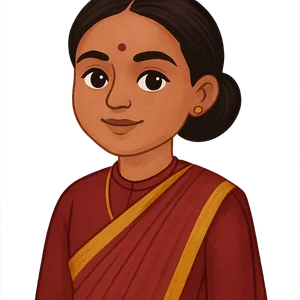
Anandi Gopal Joshi
Anandi Gopal Joshi and Kadambini Ganguly were among the first Indian female physicians.
Reads at Grades 6–8 Listens at Grades 4–8
Print & create
Answer keys·No prep·Free with an account
28 worksheets · answer keys · full story · quiz · Ages 10-12 · CEFR B2
Plus adds 208,000+ more stories in 27 languages, audio for every one, and printables for all of them.
Just want Anandi Gopal Joshi?
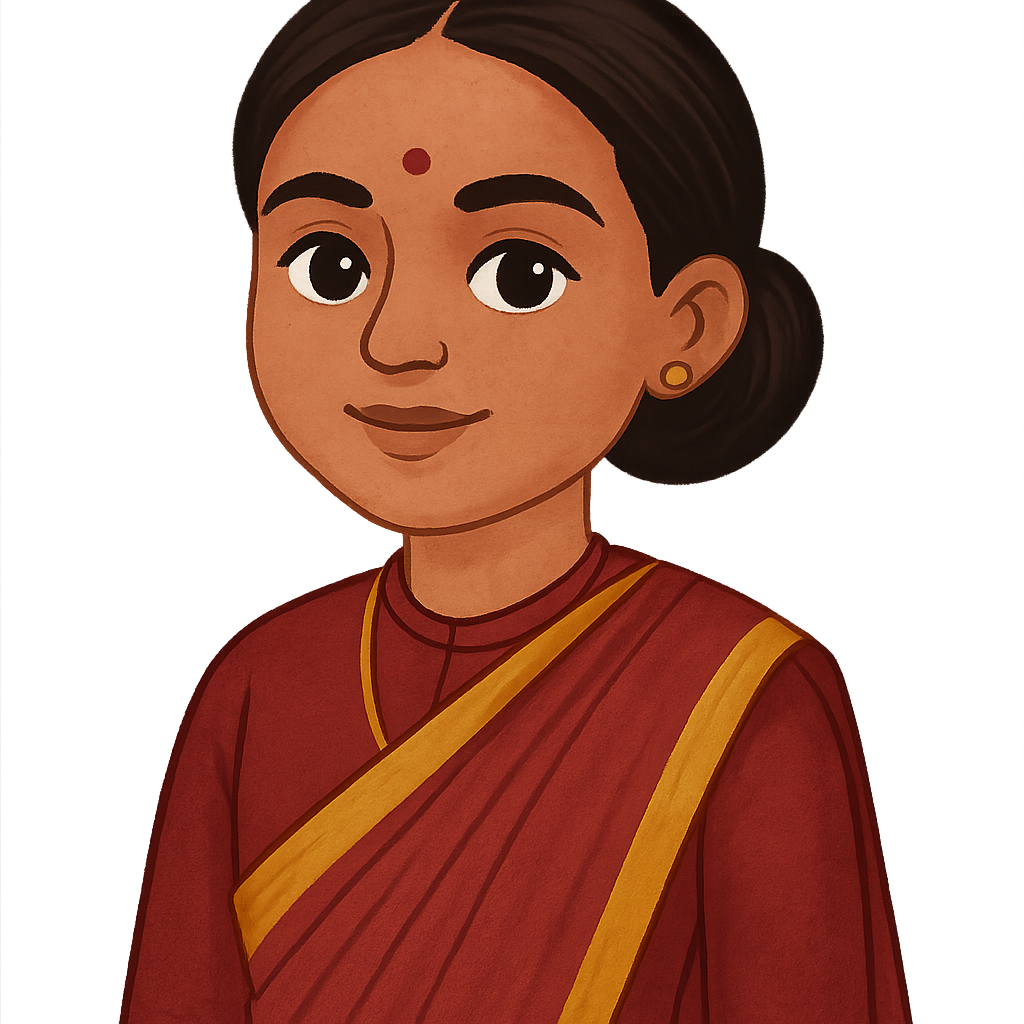
Hello, my name is Anandi Gopal Joshi, and I was one of the very first women from India to become a doctor of Western medicine. But I wasn't born with that name. My story begins on March 31st, 1865, when I was born with the name Yamuna in a town called Kalyan, which was then part of British India. Life was very different for girls back then. Following the customs of my time, I was married when I was only nine years old. My husband’s name was Gopalrao Joshi, and he was nearly twenty years older than me. Though our marriage was arranged, he was a very progressive and forward-thinking man, which was quite unusual for that period. He believed passionately that women should have the same right to education as men. Shortly after we were married, he took it upon himself to become my first teacher. Gopalrao patiently taught me how to read and write not only in our local language, Marathi, but also in English and the ancient, classical language of Sanskrit. He opened up a world of knowledge to me that most girls in my country could only dream of, setting the stage for the incredible journey that was to come.
My life took a sharp and painful turn around the year 1879. I was just fourteen years old when I gave birth to my first child, a baby boy. It should have been the happiest moment of my life, but it became my greatest sorrow. Tragically, my son lived for only ten days. In the 19th century, the medical care available to us was very limited, and it was almost impossible to find female doctors who could treat women according to our cultural customs. The loss of my son, born from a lack of proper medical attention, was a devastating blow. However, out of that profound sadness, a powerful new purpose began to grow within me. I became determined that no other mother should suffer as I had. It was in that moment of grief that I decided I would become a doctor. I wanted to serve the women of India, providing them with the care they so desperately needed. My husband, Gopalrao, saw the conviction in my eyes and supported my new dream completely. He immediately began to search for a way for me to study medicine, even if it meant looking far beyond the borders of our home.
Anandi Gopal Joshi: India's First Woman Doctor
Hello, my name is Anandi Gopal Joshi, and I was one of the very first women from India to become a doctor of Western medicine. But I wasn't born with that name. My story begins on March 31st, 1865, when I was born with the name Yamuna in a town called Kalyan, which was then part of British India. Life was very different for girls back then. Following the customs of my time, I was married when I was only nine years old. My husband’s name was Gopalrao Joshi, and he was nearly twenty years older than me. Though our marriage was arranged, he was a very progressive and forward-thinking man, which was quite unusual for that period. He believed passionately that women should have the same right to education as men. Shortly after we were married, he took it upon himself to become my first teacher. Gopalrao patiently taught me how to read and write not only in our local language, Marathi, but also in English and the ancient, classical language of Sanskrit. He opened up a world of knowledge to me that most girls in my country could only dream of, setting the stage for the incredible journey that was to come.
My life took a sharp and painful turn around the year 1879. I was just fourteen years old when I gave birth to my first child, a baby boy. It should have been the happiest moment of my life, but it became my greatest sorrow. Tragically, my son lived for only ten days. In the 19th century, the medical care available to us was very limited, and it was almost impossible to find female doctors who could treat women according to our cultural customs. The loss of my son, born from a lack of proper medical attention, was a devastating blow. However, out of that profound sadness, a powerful new purpose began to grow within me. I became determined that no other mother should suffer as I had. It was in that moment of grief that I decided I would become a doctor. I wanted to serve the women of India, providing them with the care they so desperately needed. My husband, Gopalrao, saw the conviction in my eyes and supported my new dream completely. He immediately began to search for a way for me to study medicine, even if it meant looking far beyond the borders of our home.
Our path forward was not easy. The idea of a woman, especially a married woman from a traditional background, traveling to a foreign country to study medicine was shocking to many people in our community. They were against my plan, believing strongly that a woman’s place was in the home and that I should not cross the ocean to a land with different customs. But my husband and I were determined. To address the public criticism, I did something very brave in 1883. I stood before a large crowd at Serampore College Hall and gave a public speech. I explained to everyone why it was so important for me to go to America. I spoke of my personal loss and my mission to help other women, and I made a solemn promise that I would return to India to open a medical college for women. My words moved many people. During this time, my husband had been writing letters to people in America, and his efforts reached a kind woman in New Jersey named Theodicia Carpenter. She read about my story and generously offered to host me. And so, in 1883, I said goodbye to my family and began the long, lonely voyage by ship from Calcutta to New York, stepping into a world I could have never imagined.
When I arrived at the Woman's Medical College of Pennsylvania, I was immediately struck by how different America was from my home in India. The weather was the biggest shock; I had never experienced such a freezing cold, and the heavy clothes I had to wear were completely foreign to me. Even the food was strange and unfamiliar. I felt a deep sense of loneliness and missed my husband and my country terribly. The harsh climate and my new diet took a toll on my health, and I became quite ill. Despite these challenges, I refused to give up on the promise I had made. I poured all of my energy into my studies, working harder than ever. For my final paper, my thesis, I chose a topic that was close to my heart: childbirth practices among Hindu women in India. After years of relentless effort, my moment of triumph arrived. On March 11th, 1886, I officially graduated with my medical degree. I was finally Dr. Anandi Gopal Joshi. That achievement made me one of the first women from India to become a doctor of Western medicine. Later that year, I returned to India as I had promised, and I was appointed as the physician-in-charge of the women's ward at a local hospital in Kolhapur, ready to begin my life's work.
My time as a doctor was just beginning, but sadly, my journey was nearing its end. The years of hard work, combined with the difficult, cold climate in America, had badly weakened my health. I had developed tuberculosis, a serious illness for which there was no cure at the time. I lived to be just 21 years old, and my life came to an end on February 26th, 1887. Although my time was short and I was not able to accomplish all that I had dreamed of, I hope my story helped to open a new door for the women of my country. I proved that with courage and determination, women could break through barriers and achieve their goals. My journey has since inspired many generations of girls in India and around the world to pursue their dreams in science and medicine, no matter the obstacles they may face.
Wow facts
About
Anandi Gopal Joshi and Kadambini Ganguly were among the first Indian female physicians. She earned a degree in Western medicine from the Woman's Medical College of Pennsylvania in 1886, overcoming significant personal tragedy and cultural barriers to pave the way for women in medicine in India.
Take a Quiz
Question 1 of 5
What was the main motivation for Anandi Gopal Joshi to become a doctor?
Explore next



Want to do even more?
Go beyond exploring. Unlock tools that turn every story into real learning.

Storypie Plus for families
Full stories, quizzes, and printables. Nights and car rides, sorted.
- Unlimited audio stories
- Create Mode: your child stars in the story
- Offline downloads
- Printable worksheets & coloring pages

Why Storypie for Schools
Students engaged. Prep in seconds. Evenings back to you.
- Worksheets & Quizzes
- Classroom Management
- Formative Assessment
- Custom Curriculum & Lesson Plans
- 27 Languages

Why Storypie for Homeschool
Curriculum done. They'll ask for more. Hours back in your day.
- Worksheet Generator
- First-Person Audio Stories
- Built-in Comprehension Quizzes
- Custom Curriculum & Lesson Plans
- Print & Go Activities