English

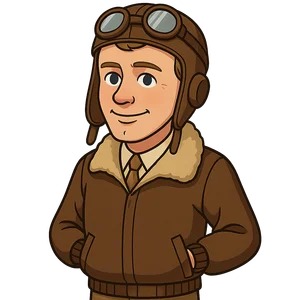
Charles Lindbergh
Charles Lindbergh was a pioneering American aviator who made the first solo…
Reads at Grades 6–8 Listens at Grades 4–8
Print & create
Answer keys·No prep·Free with an account
28 worksheets · answer keys · full story · quiz · Ages 10-12 · CEFR B2
Plus adds 102,000+ more stories in 27 languages, audio for every one, and printables for all of them.
Just want Charles Lindbergh?
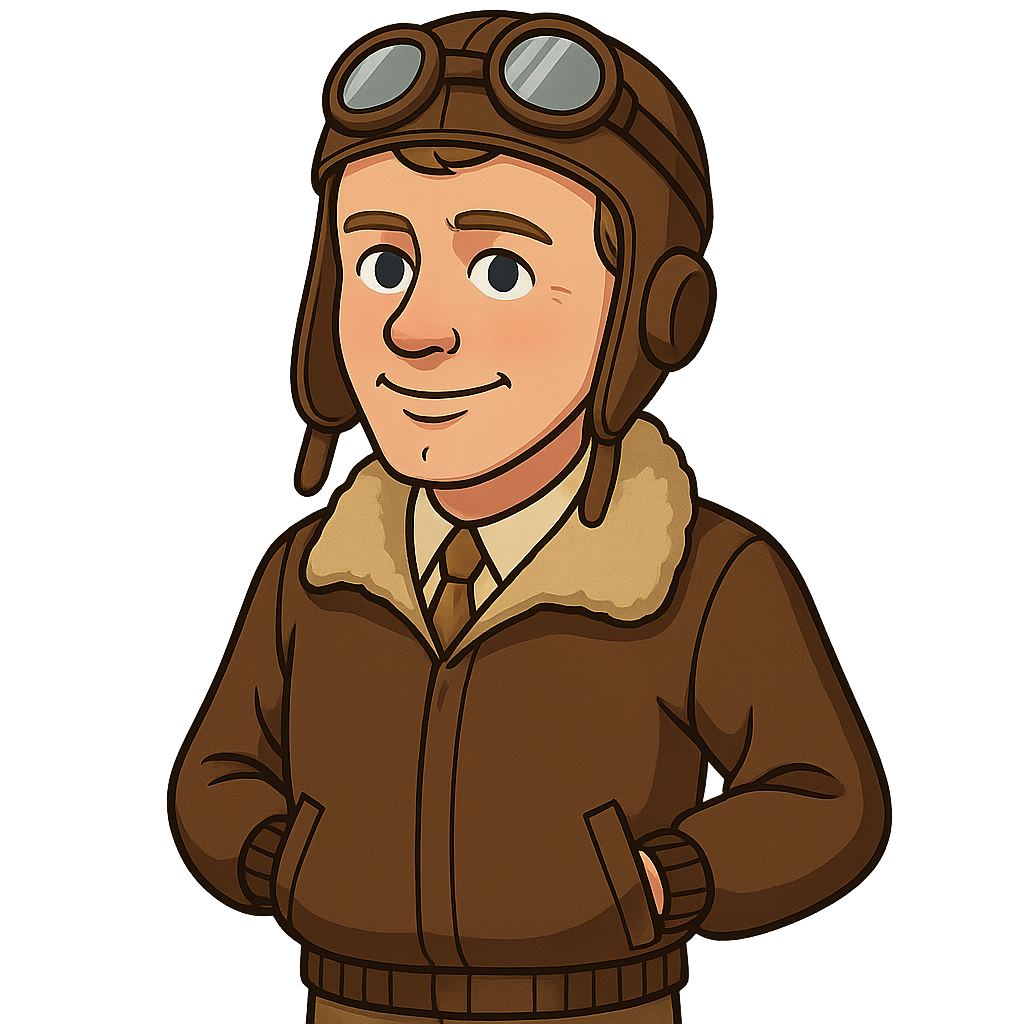
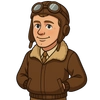
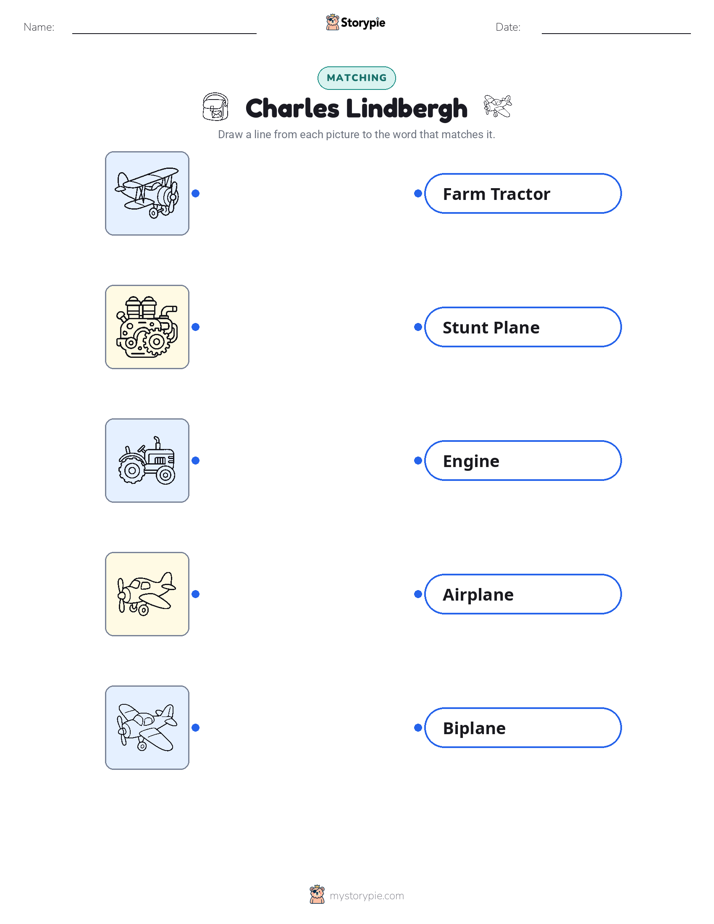
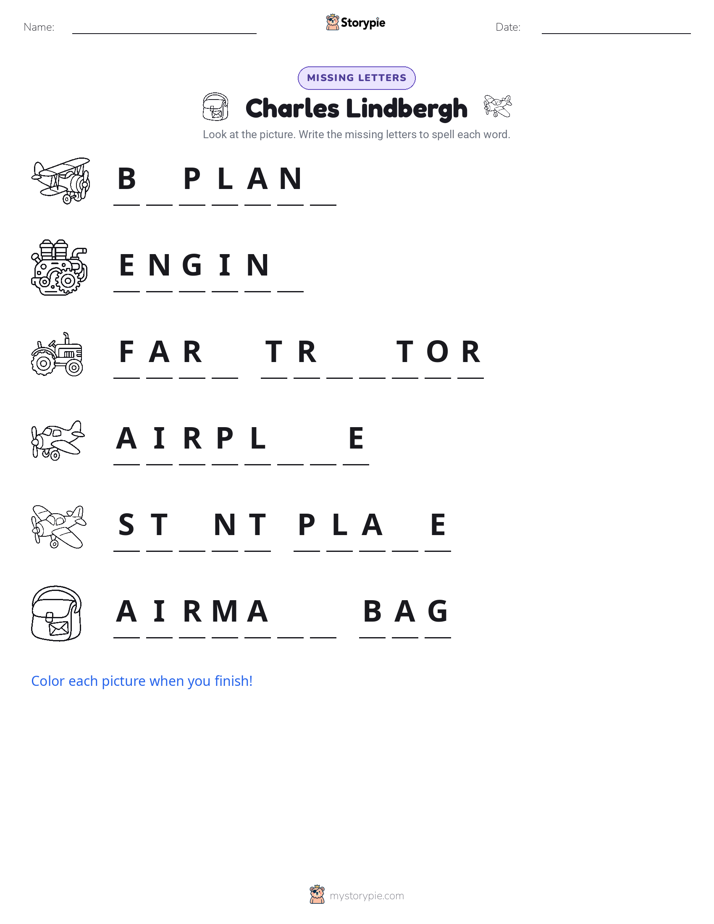
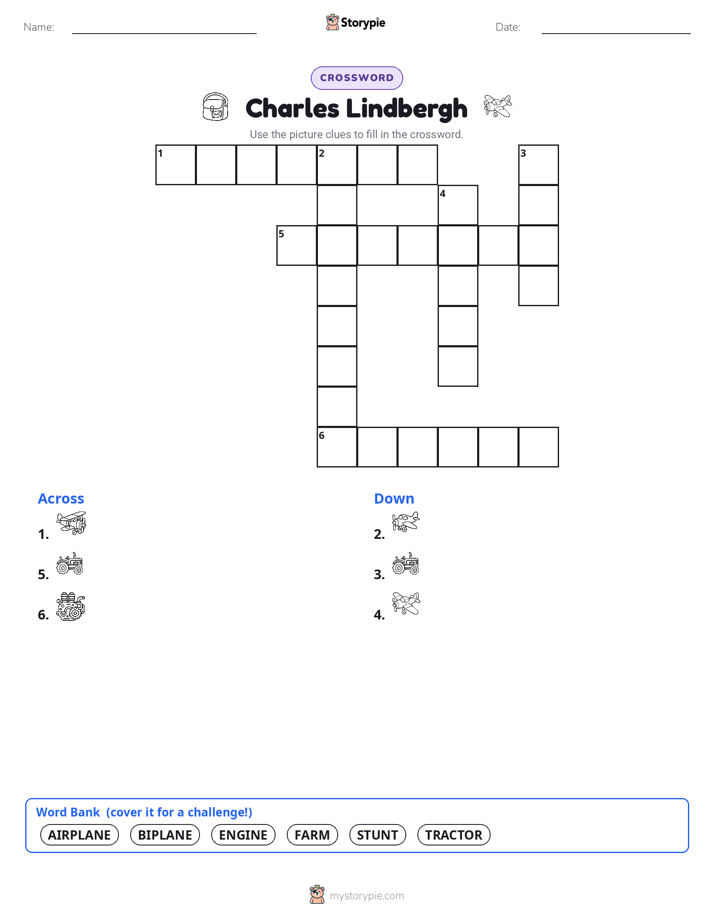
Hello! My name is Charles Lindbergh, and I want to tell you the story of my incredible journey across the sky. I was born on February 4th, 1902, in Detroit, Michigan, but I spent most of my childhood on a farm in Little Falls, Minnesota. I was always fascinated by how things worked, especially engines. I loved tinkering with my family's car and our farm tractor. My father was a U.S. Congressman and my mother was a chemistry teacher, so I grew up around big ideas. But the biggest idea of all came to me when I saw an airplane for the first time, soaring high above. From that moment on, I knew my future wasn't on the ground; it was up in the clouds.
When I was old enough, I enrolled at the University of Wisconsin in 1920 to study engineering. However, my dreams of flying were too strong to ignore. In 1922, I decided to leave college to pursue my passion. My first flight was everything I had imagined and more. To gain experience, I became a 'barnstormer,' a daredevil pilot who performed thrilling aerial stunts at county fairs. It was an exciting life, but I wanted to be more than just a stuntman. In 1924, I joined the U.S. Army Air Service, knowing it offered the best flight training in the world. After graduating, I took a job in 1926 as an airmail pilot, flying letters and packages between St. Louis and Chicago. Flying through storms and darkness on that route taught me how to navigate and trust my instincts, skills that would soon become more valuable than I could ever guess.
At that time, there was a famous challenge called the Orteig Prize. A French hotel owner named Raymond Orteig offered $25,000—a huge amount of money back then—to the first aviator brave enough to fly nonstop from New York to Paris. It was a dangerous journey across the vast Atlantic Ocean that several skilled pilots had already attempted, with some tragic failures. I was convinced I could do it. I found a group of businessmen in St. Louis who believed in me and helped fund my project. I worked with a small company in California, Ryan Airlines, to design a special plane. We named it the *Spirit of St. Louis*. It wasn't built for comfort; it was built for distance. It had a single engine, and we replaced the front window with a giant fuel tank. I would have to navigate using a periscope. Every single part of the plane was designed to be as light as possible so we could carry more fuel.
Charles Lindbergh: The Lone Eagle
Hello! My name is Charles Lindbergh, and I want to tell you the story of my incredible journey across the sky. I was born on February 4th, 1902, in Detroit, Michigan, but I spent most of my childhood on a farm in Little Falls, Minnesota. I was always fascinated by how things worked, especially engines. I loved tinkering with my family's car and our farm tractor. My father was a U.S. Congressman and my mother was a chemistry teacher, so I grew up around big ideas. But the biggest idea of all came to me when I saw an airplane for the first time, soaring high above. From that moment on, I knew my future wasn't on the ground; it was up in the clouds.
When I was old enough, I enrolled at the University of Wisconsin in 1920 to study engineering. However, my dreams of flying were too strong to ignore. In 1922, I decided to leave college to pursue my passion. My first flight was everything I had imagined and more. To gain experience, I became a 'barnstormer,' a daredevil pilot who performed thrilling aerial stunts at county fairs. It was an exciting life, but I wanted to be more than just a stuntman. In 1924, I joined the U.S. Army Air Service, knowing it offered the best flight training in the world. After graduating, I took a job in 1926 as an airmail pilot, flying letters and packages between St. Louis and Chicago. Flying through storms and darkness on that route taught me how to navigate and trust my instincts, skills that would soon become more valuable than I could ever guess.
At that time, there was a famous challenge called the Orteig Prize. A French hotel owner named Raymond Orteig offered $25,000—a huge amount of money back then—to the first aviator brave enough to fly nonstop from New York to Paris. It was a dangerous journey across the vast Atlantic Ocean that several skilled pilots had already attempted, with some tragic failures. I was convinced I could do it. I found a group of businessmen in St. Louis who believed in me and helped fund my project. I worked with a small company in California, Ryan Airlines, to design a special plane. We named it the Spirit of St. Louis. It wasn't built for comfort; it was built for distance. It had a single engine, and we replaced the front window with a giant fuel tank. I would have to navigate using a periscope. Every single part of the plane was designed to be as light as possible so we could carry more fuel.
On the morning of May 20th, 1927, the Spirit of St. Louis was loaded with fuel and ready. I took off from a muddy runway at Roosevelt Field in New York. The plane was so heavy it barely cleared the telephone wires at the end of the field. For the next 33 and a half hours, I was completely alone. I flew through thick fog and dangerous ice storms. To stay awake, I held my eyelids open and stuck my head out the window into the cold air. I had only a compass and the stars to guide me across thousands of miles of empty ocean. When I finally spotted the coast of Ireland, it was the most beautiful sight I had ever seen. I followed the coast to England and then across the English Channel to France. On the evening of May 21st, I landed at Le Bourget Field near Paris. I expected a few people to be there, but instead, a crowd of over 100,000 people rushed toward my plane, cheering. I had made it.
That single flight changed my life forever. I became famous all over the world and was given nicknames like 'Lucky Lindy' and 'The Lone Eagle.' I used my new platform to promote the future of aviation. I wanted everyone to see that airplanes could connect the world, making it a smaller, more accessible place. I met a wonderful woman and fellow pilot named Anne Morrow, and we were married in 1929. She became my co-pilot on many flights, and together we charted new air routes across the globe. My life had incredible highs, but my family and I also went through a very difficult and sad time that changed our lives forever when our first son was taken from us in 1932. It was a tragedy that the world watched, and it taught me about the deep challenges life can bring.
In my later years, I served my country as a consultant during World War II and became very passionate about conservation and protecting the environment. I traveled the world advocating for endangered species like the blue whale. I lived to be 72 years old, passing away on August 26th, 1974. People remember me for that long, lonely flight across the ocean, a journey that showed what was possible with courage, careful planning, and a little bit of luck. My flight helped inspire the age of global air travel, shrinking our world and bringing its people closer together.
Wow facts
About
Charles Lindbergh was a pioneering American aviator who made the first solo, nonstop transatlantic flight from New York to Paris in 1927 aboard his plane, the Spirit of St. Louis.
Take a Quiz
Question 1 of 5
What is the main reason Charles Lindbergh is remembered in history?
Explore next




Want to do even more?
Go beyond exploring. Unlock tools that turn every story into real learning.

Storypie Plus for families
Full stories, quizzes, and printables. Nights and car rides, sorted.
- Unlimited audio stories
- Create Mode: your child stars in the story
- Offline downloads
- Printable worksheets & coloring pages

Why Storypie for Schools
Students engaged. Prep in seconds. Evenings back to you.
- Worksheets & Quizzes
- Classroom Management
- Formative Assessment
- Custom Curriculum & Lesson Plans
- 27 Languages

Why Storypie for Homeschool
Curriculum done. They'll ask for more. Hours back in your day.
- Worksheet Generator
- First-Person Audio Stories
- Built-in Comprehension Quizzes
- Custom Curriculum & Lesson Plans
- Print & Go Activities