English

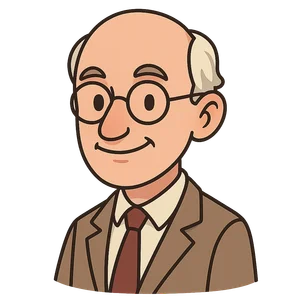
Francis Crick
Francis Crick was a British molecular biologist and biophysicist who, with James Watson…
Reads at Grades 6–8 Listens at Grades 4–8
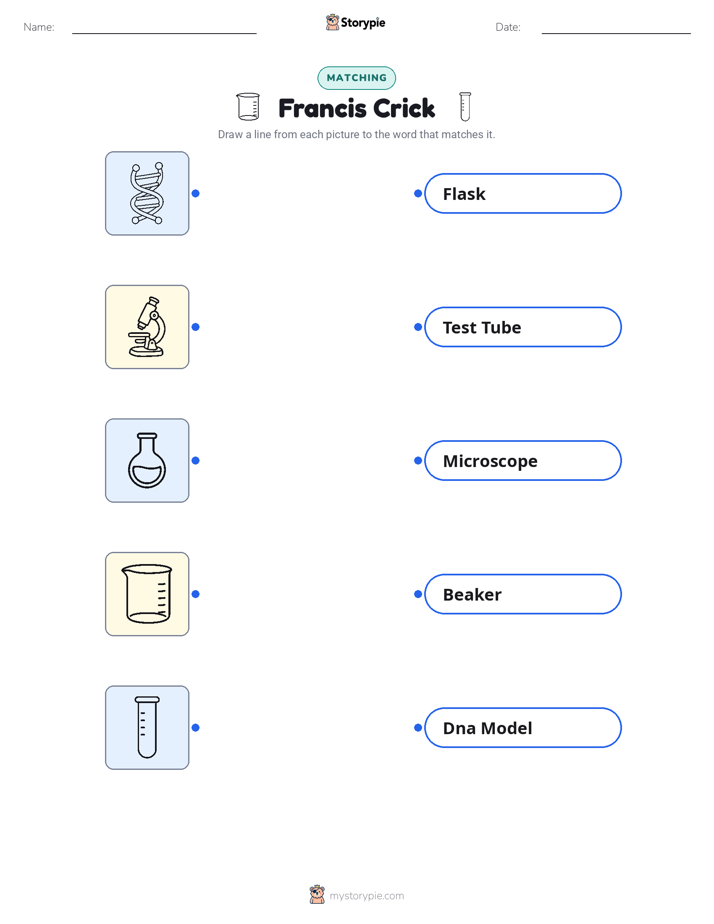
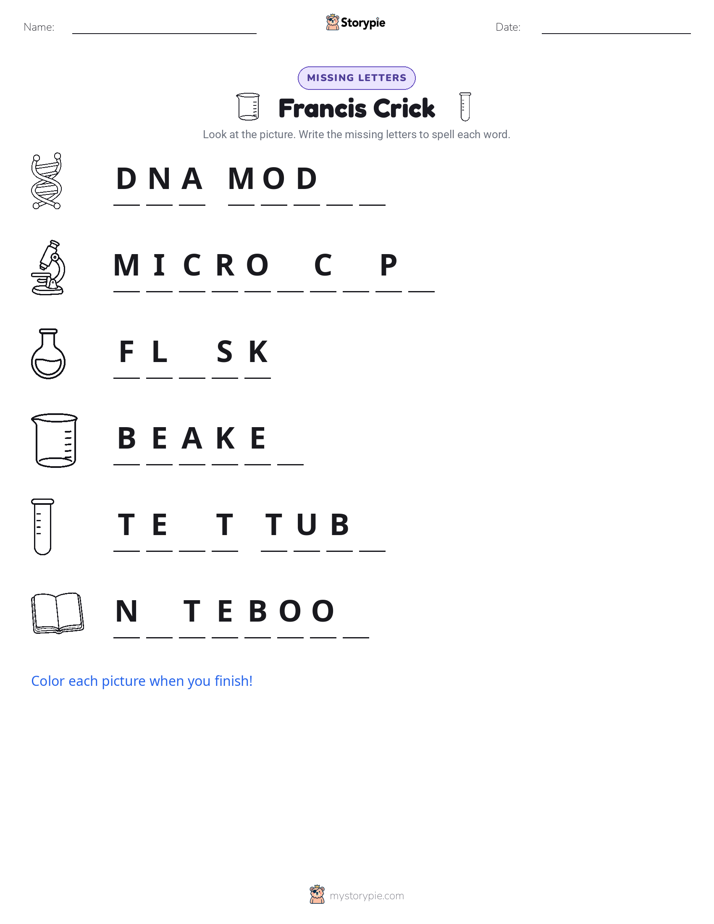
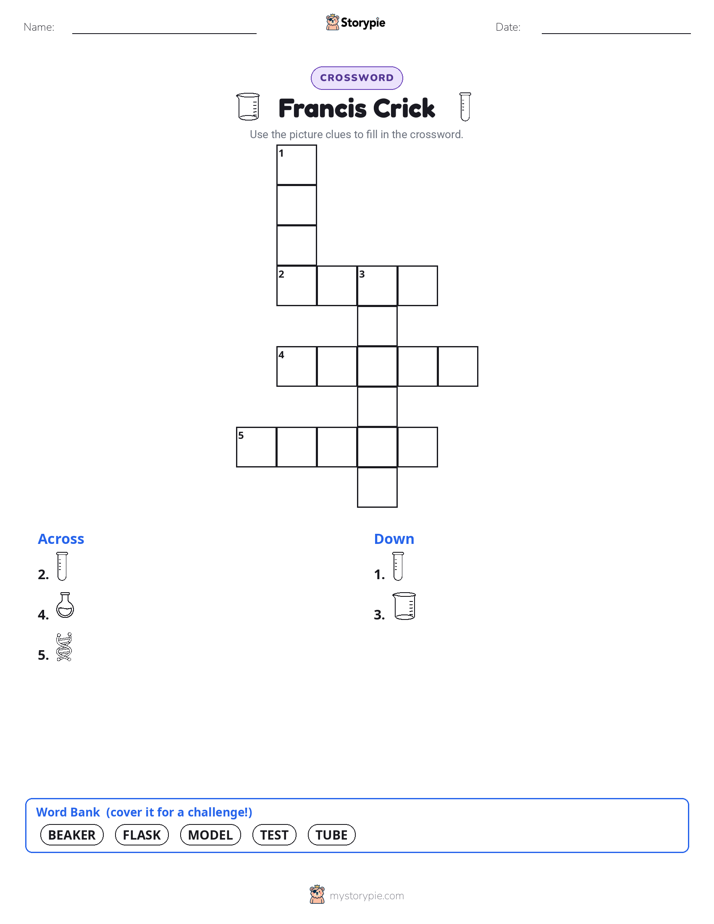
Print & create
Answer keys·No prep·Free with an account
28 worksheets · answer keys · full story · quiz · Ages 10-12 · CEFR B2
Plus adds 208,000+ more stories in 27 languages, audio for every one, and printables for all of them.
Just want Francis Crick?
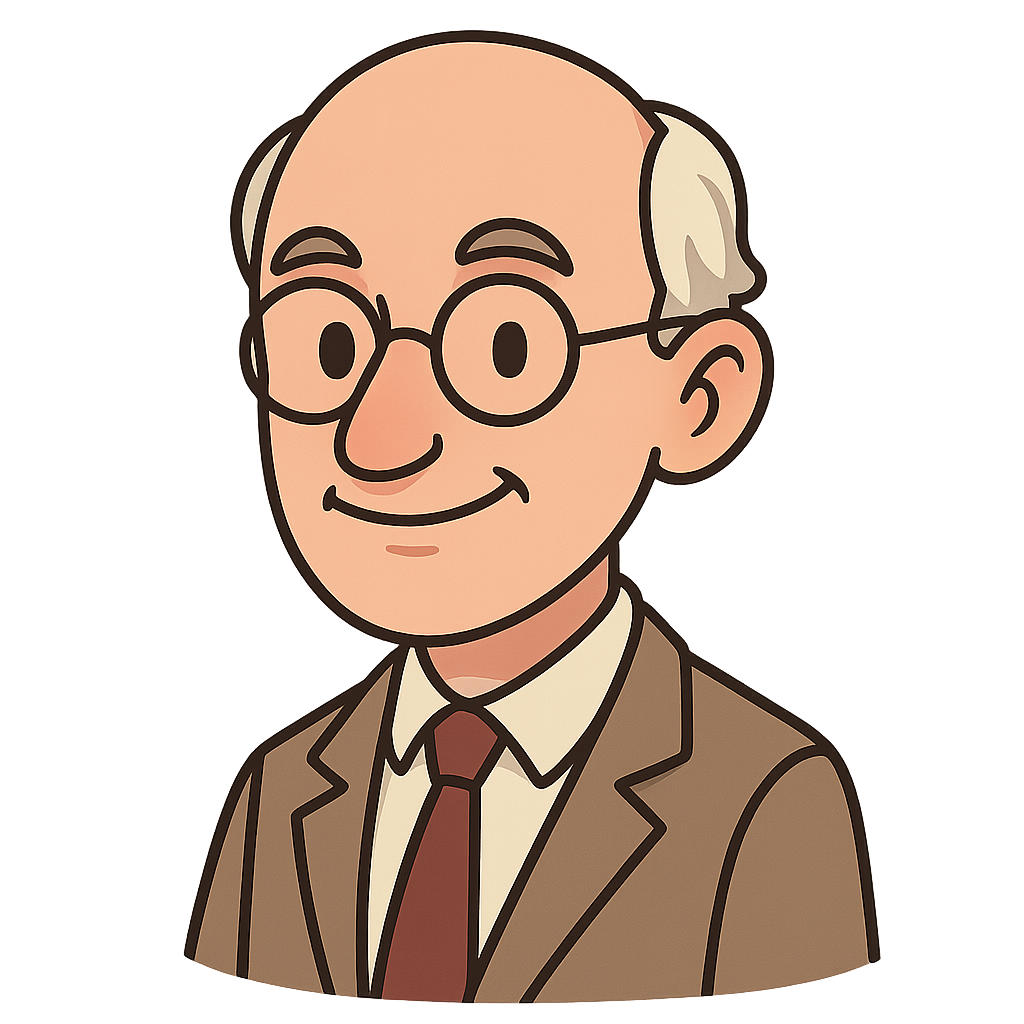
Hello. My name is Francis Crick, and I would like to tell you the story of how I helped solve one of the biggest puzzles in the history of science. My journey began on June 8th, 1916, when I was born in a small town in England. From a very young age, I was filled with endless questions about how the world worked. I wasn't content to just accept things as they were; I wanted to understand the reasons behind everything. My childhood was filled with scientific experiments, often conducted right in my own home. This early love for questioning and testing ideas set me on a path to a life of discovery, driven by a deep-seated passion to understand the fundamental principles of the universe.
My formal education led me to university, where I initially chose to study physics, the science of matter and energy. My work was interrupted by World War II, during which I served as a scientist. After the war ended in 1945, I found myself at a crossroads. While I enjoyed physics, I felt a powerful pull toward a different, more profound mystery: the secret of life itself. I was fascinated by the question of what distinguishes a living organism from a non-living object like a rock or a crystal. In 1947, I made the pivotal decision to change my field of study from physics to biology. I wanted to dedicate myself to exploring the very molecules that made life possible.
My new path led me to the renowned Cavendish Laboratory at the University of Cambridge. It was there, in 1951, that I met a brilliant and energetic young American scientist named James Watson. We discovered almost immediately that we shared the same driving ambition. We were both obsessed with figuring out the structure of a particular molecule called deoxyribonucleic acid, or DNA. Scientists knew that DNA carried the instructions for life—the genetic code—but no one knew what it looked like. We believed that if we could understand its shape, we could understand how it stored and passed on information from one generation to the next. Our shared goal created an instant and powerful partnership.
Francis Crick: Unlocking the Secret of Life
Hello. My name is Francis Crick, and I would like to tell you the story of how I helped solve one of the biggest puzzles in the history of science. My journey began on June 8th, 1916, when I was born in a small town in England. From a very young age, I was filled with endless questions about how the world worked. I wasn't content to just accept things as they were; I wanted to understand the reasons behind everything. My childhood was filled with scientific experiments, often conducted right in my own home. This early love for questioning and testing ideas set me on a path to a life of discovery, driven by a deep-seated passion to understand the fundamental principles of the universe.
My formal education led me to university, where I initially chose to study physics, the science of matter and energy. My work was interrupted by World War II, during which I served as a scientist. After the war ended in 1945, I found myself at a crossroads. While I enjoyed physics, I felt a powerful pull toward a different, more profound mystery: the secret of life itself. I was fascinated by the question of what distinguishes a living organism from a non-living object like a rock or a crystal. In 1947, I made the pivotal decision to change my field of study from physics to biology. I wanted to dedicate myself to exploring the very molecules that made life possible.
My new path led me to the renowned Cavendish Laboratory at the University of Cambridge. It was there, in 1951, that I met a brilliant and energetic young American scientist named James Watson. We discovered almost immediately that we shared the same driving ambition. We were both obsessed with figuring out the structure of a particular molecule called deoxyribonucleic acid, or DNA. Scientists knew that DNA carried the instructions for life—the genetic code—but no one knew what it looked like. We believed that if we could understand its shape, we could understand how it stored and passed on information from one generation to the next. Our shared goal created an instant and powerful partnership.
Jim and I spent countless hours at the lab, building large metal models to test our theories about DNA's structure. We would assemble them, debate our ideas, and then take them apart and start over when they didn't work. It was an intense and often frustrating process. During this time, we knew that other scientists were also working on the problem, including a brilliant chemist named Rosalind Franklin. Her expertise was in a technique called X-ray crystallography, which could take pictures of molecules. One of her images, which became known as 'Photo 51,' was incredibly clear and provided the critical clue we had been missing. It showed that the DNA molecule was a helix, or a spiral shape. Using her data as our guide, we had our 'eureka' moment in February of 1953. The pieces of the puzzle suddenly clicked into place, and we knew we had found the answer.
What we had discovered was a beautiful and elegant structure: the double helix. Imagine a long ladder that has been twisted into a spiral. That is what DNA looks like. The two long, twisting backbones of the ladder are made of sugar and phosphate, and the 'rungs' connecting them are made of four chemical bases that form the genetic code. The specific order of these rungs is what carries the instructions for building and operating a living thing. On April 25th, 1953, Jim and I, along with some of our colleagues, published our findings in the prestigious scientific journal Nature. This announcement marked a turning point in the history of biology, opening up a new era of understanding life at its most fundamental level.
Our discovery was recognized around the world for its importance. In 1962, I had the great honor of sharing the Nobel Prize in Physiology or Medicine with James Watson and Maurice Wilkins, who was Rosalind Franklin's colleague. But my scientific curiosity did not end with DNA. After decades of studying genetics, I felt the pull of another great mystery. In 1977, I moved to California and shifted my focus to a new and equally challenging puzzle: the human brain and the nature of consciousness. I wanted to understand how the complex network of neurons in our brains gives rise to our thoughts, feelings, and awareness of the world.
I lived a long and exciting life full of questions and discoveries, and I lived to be 88 years old. Today, the discovery of the double helix is the foundation for so much of modern science and medicine. It helps doctors understand diseases and allows scientists to read the story written in our genes. I hope my story reminds you to always stay curious, ask big questions, and never be afraid to tackle a great puzzle.
Wow facts
About
Francis Crick was a British molecular biologist and biophysicist who, with James Watson, co-discovered the double helix structure of the DNA molecule in 1953.
Take a Quiz
Question 1 of 5
What is the main idea of this story?
Explore next



Want to do even more?
Go beyond exploring. Unlock tools that turn every story into real learning.

Storypie Plus for families
Full stories, quizzes, and printables. Nights and car rides, sorted.
- Unlimited audio stories
- Create Mode: your child stars in the story
- Offline downloads
- Printable worksheets & coloring pages

Why Storypie for Schools
Students engaged. Prep in seconds. Evenings back to you.
- Worksheets & Quizzes
- Classroom Management
- Formative Assessment
- Custom Curriculum & Lesson Plans
- 27 Languages

Why Storypie for Homeschool
Curriculum done. They'll ask for more. Hours back in your day.
- Worksheet Generator
- First-Person Audio Stories
- Built-in Comprehension Quizzes
- Custom Curriculum & Lesson Plans
- Print & Go Activities