English

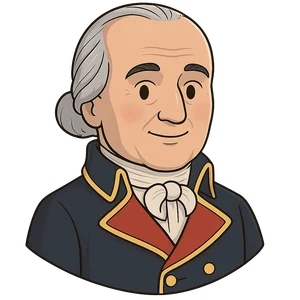
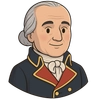
Francisco de Miranda
Francisco de Miranda was a Venezuelan military leader and revolutionary who is considered the 'Precursor' of…
Reads at Grades 6–8 Listens at Grades 4–8
Print & create
Answer keys·No prep·Free with an account
28 worksheets · answer keys · full story · quiz · Ages 10-12 · CEFR B2
Plus adds 244,000+ more stories in 27 languages, audio for every one, and printables for all of them.
Just want Francisco de Miranda?
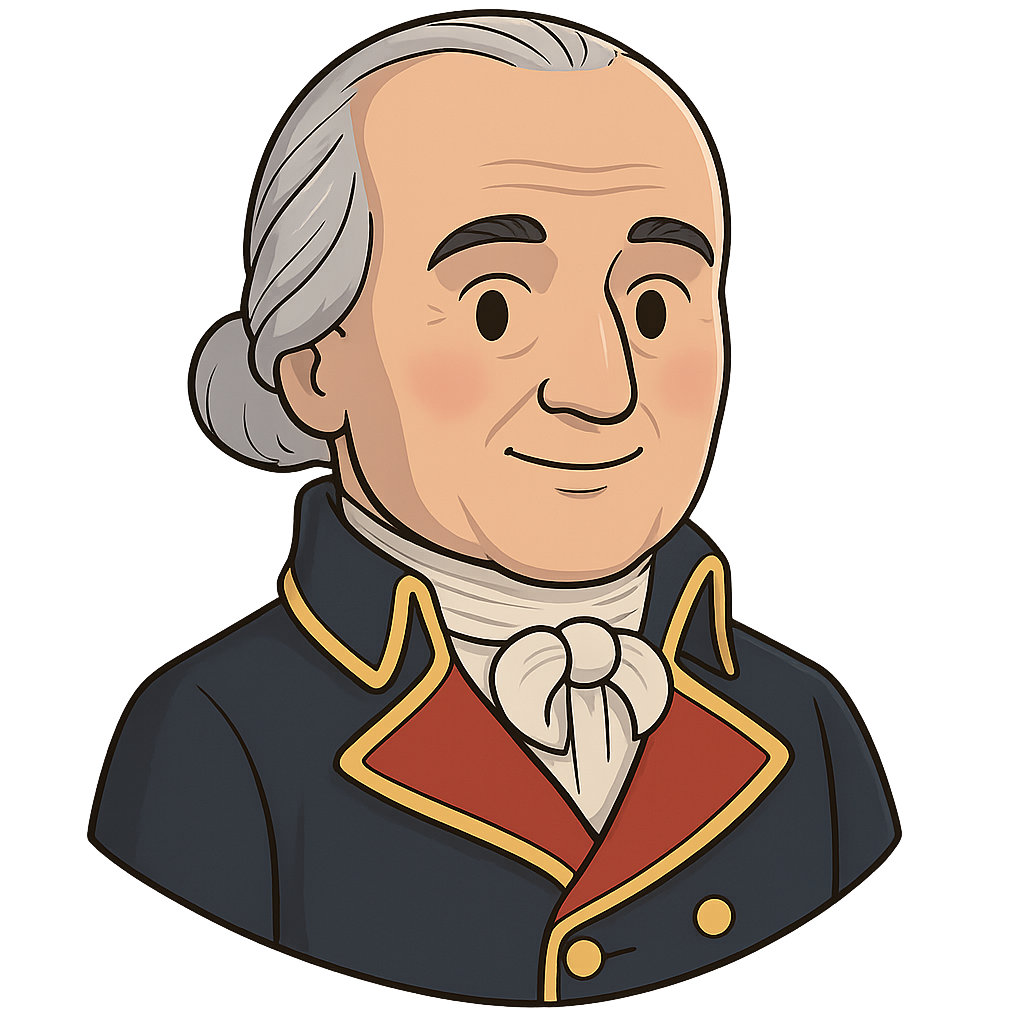
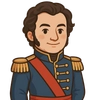
Hello! My name is Sebastián Francisco de Miranda y Rodríguez, but you can call me Francisco de Miranda. I want to tell you the story of my life, a life filled with adventure, big dreams, and a deep love for my homeland. I was born on March 28th, 1750, in a city called Caracas, which was then a bustling part of the great Spanish Empire. As a boy, I was fascinated by the world and spent countless hours reading. I devoured books about ancient history, classical art, and the stories of brave people who fought for their ideals. These books were my teachers, and they planted a powerful seed in my mind. I began to imagine a different future for my home. I saw a Venezuela, and an entire continent of South America, that was not ruled from across an ocean but was free to make its own decisions and shape its own destiny. This dream of independence became the central purpose of my existence, guiding every choice I would make in the years to come. It was a radical idea for its time, but one I believed in with all my heart.
When I was old enough, my journey into the wider world began. In 1771, I sailed to Spain with the ambition of becoming an officer in the Spanish army. My military career provided me with invaluable experience and took me to places I had only read about. My adventures truly took a new direction when I was sent to North America to fight in the American Revolutionary War. Serving the Spanish crown, which was allied with the American colonists against Great Britain, I witnessed history in the making. I participated in key battles, including the decisive Siege of Pensacola in 1781. Seeing the American colonists fight with such passion for their independence stirred something deep within me. Their struggle for self-governance made the dream in my own heart grow even stronger and feel more possible. Their victory proved that a determined people could break free from a powerful empire. After the war, my relationship with the Spanish military became complicated, and I had to leave the army. Starting in 1783, I embarked on a new phase of my life as a world traveler and diplomat. For many years, I journeyed all over Europe and the United States, meticulously keeping detailed diaries of everything I saw and everyone I met. These journals became a record not just of my travels, but of my evolving political ideas. I had the honor of meeting famous leaders like George Washington, whose leadership in the American Revolution I greatly admired, and even the powerful empress of Russia, Catherine the Great. In every city and every court, I talked to them all about my dream of a free South America, hoping to find allies and support for my cause.
Francisco de Miranda
Hello! My name is Sebastián Francisco de Miranda y Rodríguez, but you can call me Francisco de Miranda. I want to tell you the story of my life, a life filled with adventure, big dreams, and a deep love for my homeland. I was born on March 28th, 1750, in a city called Caracas, which was then a bustling part of the great Spanish Empire. As a boy, I was fascinated by the world and spent countless hours reading. I devoured books about ancient history, classical art, and the stories of brave people who fought for their ideals. These books were my teachers, and they planted a powerful seed in my mind. I began to imagine a different future for my home. I saw a Venezuela, and an entire continent of South America, that was not ruled from across an ocean but was free to make its own decisions and shape its own destiny. This dream of independence became the central purpose of my existence, guiding every choice I would make in the years to come. It was a radical idea for its time, but one I believed in with all my heart.
When I was old enough, my journey into the wider world began. In 1771, I sailed to Spain with the ambition of becoming an officer in the Spanish army. My military career provided me with invaluable experience and took me to places I had only read about. My adventures truly took a new direction when I was sent to North America to fight in the American Revolutionary War. Serving the Spanish crown, which was allied with the American colonists against Great Britain, I witnessed history in the making. I participated in key battles, including the decisive Siege of Pensacola in 1781. Seeing the American colonists fight with such passion for their independence stirred something deep within me. Their struggle for self-governance made the dream in my own heart grow even stronger and feel more possible. Their victory proved that a determined people could break free from a powerful empire. After the war, my relationship with the Spanish military became complicated, and I had to leave the army. Starting in 1783, I embarked on a new phase of my life as a world traveler and diplomat. For many years, I journeyed all over Europe and the United States, meticulously keeping detailed diaries of everything I saw and everyone I met. These journals became a record not just of my travels, but of my evolving political ideas. I had the honor of meeting famous leaders like George Washington, whose leadership in the American Revolution I greatly admired, and even the powerful empress of Russia, Catherine the Great. In every city and every court, I talked to them all about my dream of a free South America, hoping to find allies and support for my cause.
During my extensive travels, I spent a great deal of time thinking about what a new, independent nation would look like. It needed a symbol, something to unite the people. So, I designed a flag. I chose three colors, each with a special meaning. The top band was yellow, representing the golden riches of our land and the wealth of our people. The middle band was blue, for the vast ocean that separated us from the tyranny of Spain, a barrier that also connected us to the rest of the world. The bottom band was red, symbolizing the courage and the blood of the people who would have to fight and sacrifice for their freedom. This flag became the banner of my dream. In 1806, I felt the time was right to act. I led a small expedition from New York, hoping to land in Venezuela and spark a revolution. Unfortunately, the attempt was not successful. I learned a difficult but important lesson: a dream this big needs not only passion but also perfect timing and widespread support. That time finally came a few years later. In 1810, great changes were sweeping through South America, and I was invited to return to Venezuela. The people there were finally ready to take control of their own government. I was overjoyed! Upon my return, I joined a group of like-minded patriots called the Patriotic Society. Together, we argued passionately for a complete break from Spain. We convinced our leaders to take the final, momentous step. On July 5th, 1811, we officially declared Venezuela's independence. It was one of the proudest and most emotional days of my entire life, the moment my lifelong dream began to turn into reality.
Declaring independence was a monumental achievement, but winning and securing that freedom is never easy. The Spanish Empire did not want to let go of its valuable colony, and they immediately sent armies to fight us and reclaim control. Our new nation, which became known as the First Republic of Venezuela, struggled from its very beginning. We faced not only a powerful enemy but also internal divisions and unforeseen disasters. In 1812, a terrible earthquake struck our capital, Caracas, and other cities. Many people lost their lives, and many more lost hope, believing the disaster was a sign that our cause was doomed. In this time of crisis, the government turned to me. To try and save the republic, I was made the Generalísimo, the commander-in-chief of all our armies, granting me supreme authority. But our forces were young, poorly equipped, and exhausted from constant fighting. We were severely outnumbered by the professional Spanish troops. I faced a heartbreaking choice: continue a fight we could not win and watch more of my countrymen perish, or surrender to prevent further bloodshed. In July 1812, I made the difficult decision to sign a treaty of surrender with the Spanish commander. It was a strategic choice meant to save lives. However, some of my own officers, including a passionate young man named Simón Bolívar, did not understand my reasoning. They saw surrender as betrayal. In a moment of terrible confusion and anger, they arrested me and handed me over to the Spanish army. It was the saddest moment of my life, to be misunderstood and condemned by the very people I had dedicated my life to freeing.
After my capture, I was sent to a prison in Cádiz, Spain, and I never saw my beloved Venezuela again. I spent my last years in a cold, dark cell, but even in those grim conditions, my spirit and my dream for a free South America never faded. My mind remained full of plans and ideas for the future of my continent. My life came to an end there in that prison on July 14th, 1816. I lived to be 66 years old. Though my own story ended in captivity, the fight for independence that I had ignited continued to burn brightly. The flag I designed, with its vibrant yellow, blue, and red, was raised again and today still flies over the free nations of Venezuela, Colombia, and Ecuador. Great leaders like Simón Bolívar, who had once doubted me, eventually came to understand the complexities I faced. He and others went on to finish the monumental job I had started, liberating much of the continent. That is why I am remembered as the 'Precursor'—the one who came first, the one who prepared the ground and showed the way for others to follow. My life proves that even if you don't see your dream fully come true, the courage to start the journey can inspire others and ultimately change the world.
Wow facts
About
Francisco de Miranda was a Venezuelan military leader and revolutionary who is considered the 'Precursor' of South American independence from Spain. His life was dedicated to the dream of a free and unified Spanish America.
Take a Quiz
Question 1 of 5
In your own words, what was the main lifelong dream of Francisco de Miranda?
Explore next
Want to do even more?
Go beyond exploring. Unlock tools that turn every story into real learning.

Storypie Plus for families
Full stories, quizzes, and printables. Nights and car rides, sorted.
- Unlimited audio stories
- Create Mode: your child stars in the story
- Offline downloads
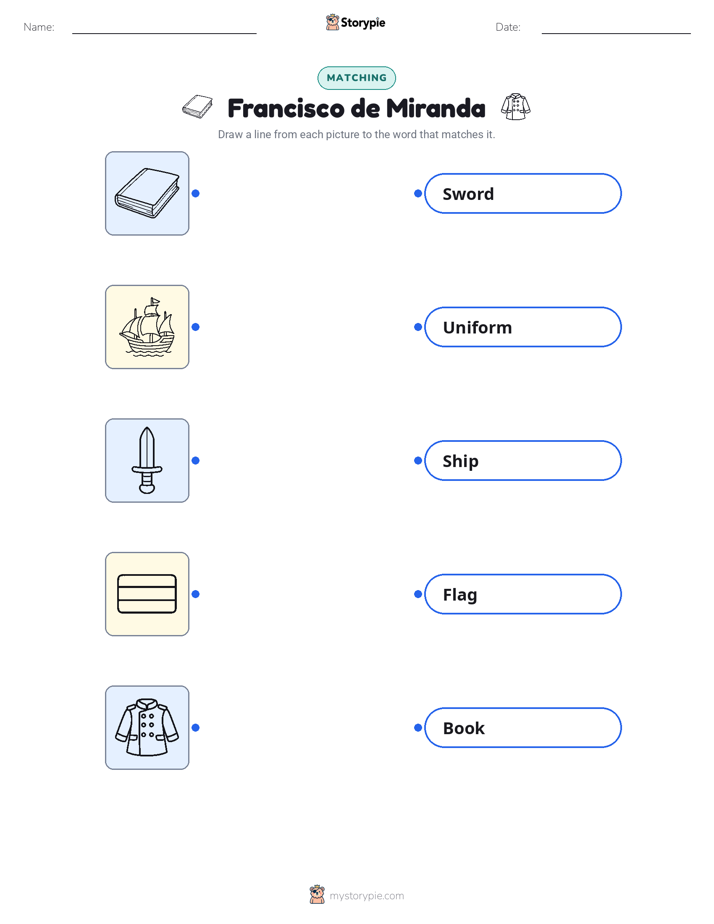
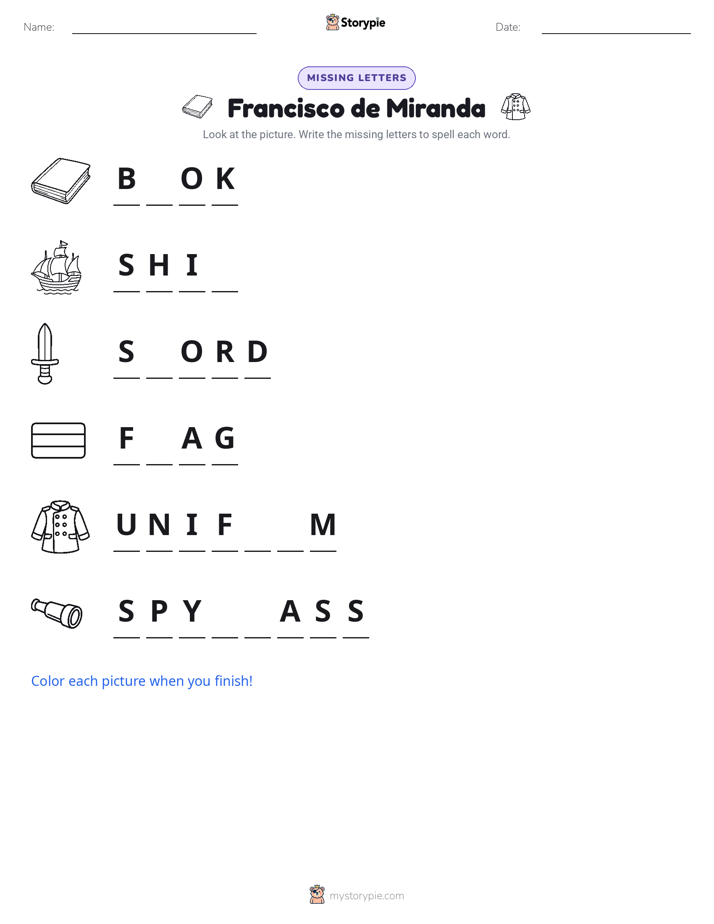
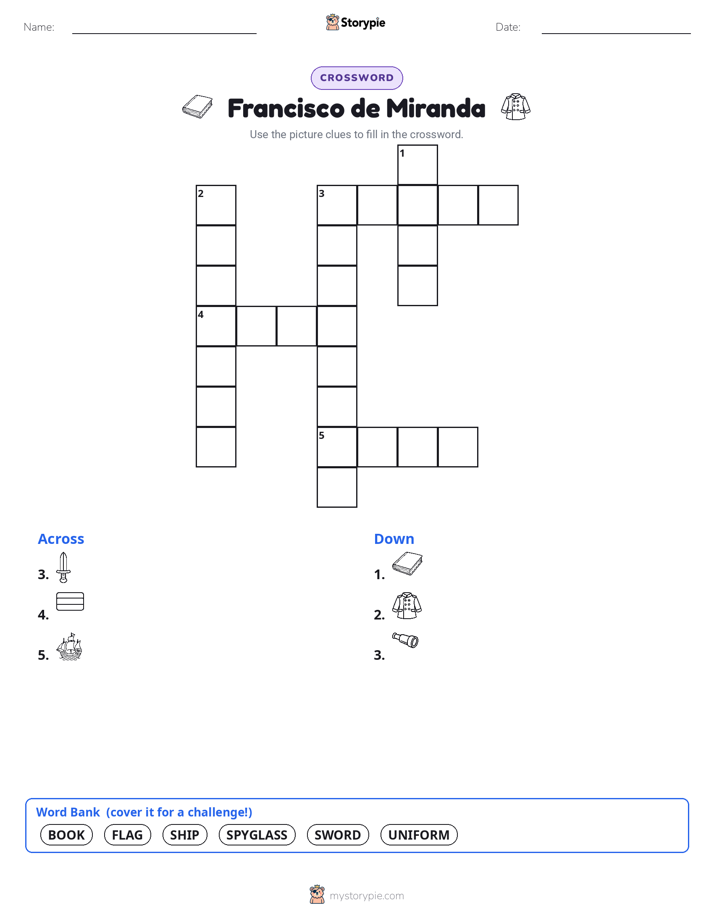
- Printable worksheets & coloring pages

Why Storypie for Schools
Students engaged. Prep in seconds. Evenings back to you.
- Worksheets & Quizzes
- Classroom Management
- Formative Assessment
- Custom Curriculum & Lesson Plans
- 27 Languages

Why Storypie for Homeschool
Curriculum done. They'll ask for more. Hours back in your day.
- Worksheet Generator
- First-Person Audio Stories
- Built-in Comprehension Quizzes
- Custom Curriculum & Lesson Plans
- Print & Go Activities