English

Frank Lloyd Wright
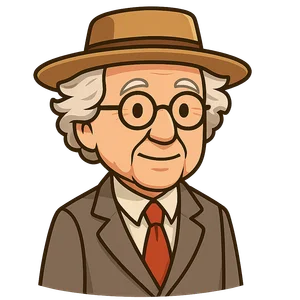
Frank Lloyd Wright was a pioneering American architect, designer, writer…
Reads at Grades 6–8 Listens at Grades 4–8
Print & create
Answer keys·No prep·Free with an account
28 worksheets · answer keys · full story · quiz · Ages 10-12 · CEFR B2
Plus adds 244,000+ more stories in 27 languages, audio for every one, and printables for all of them.
Just want Frank Lloyd Wright?
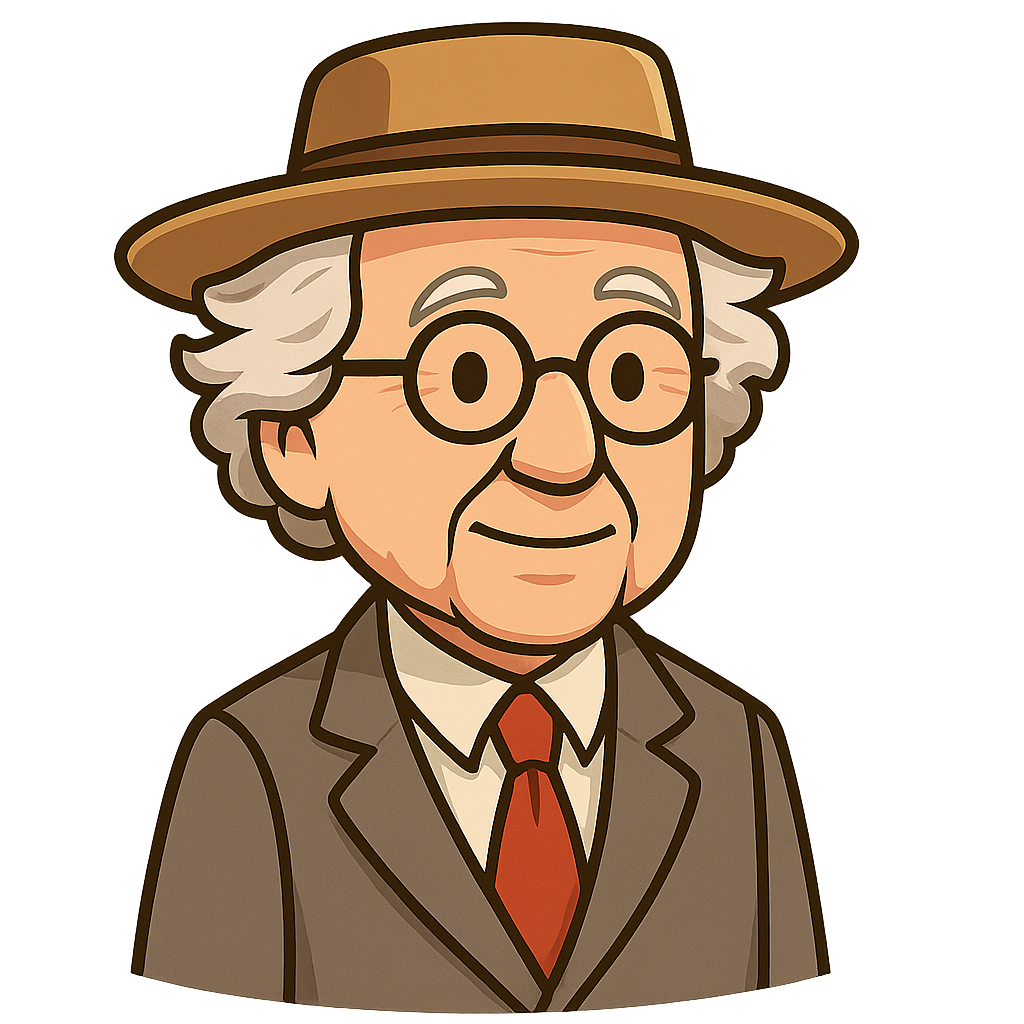
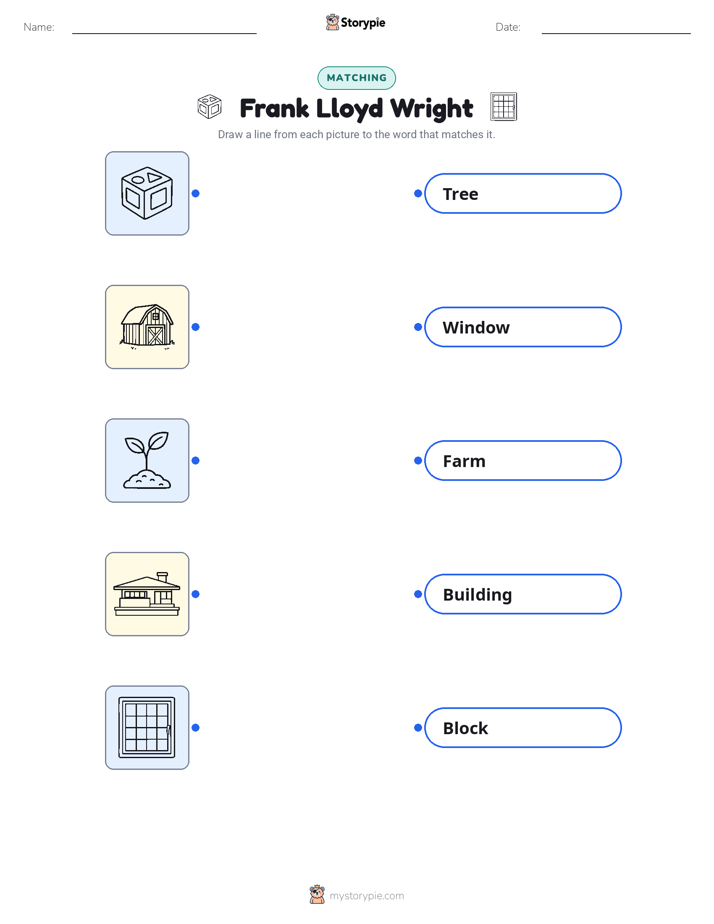
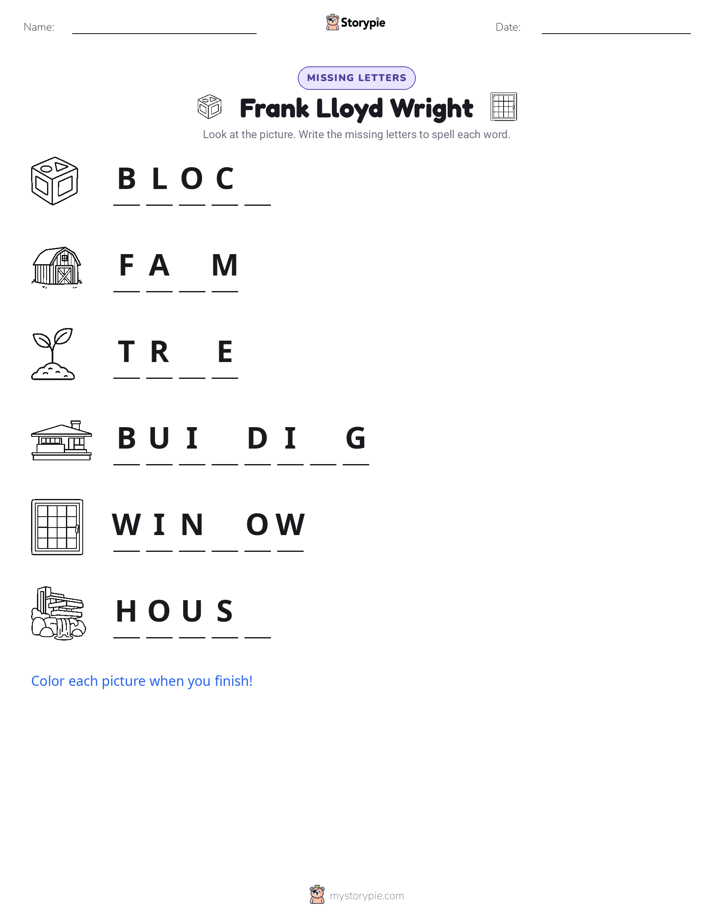
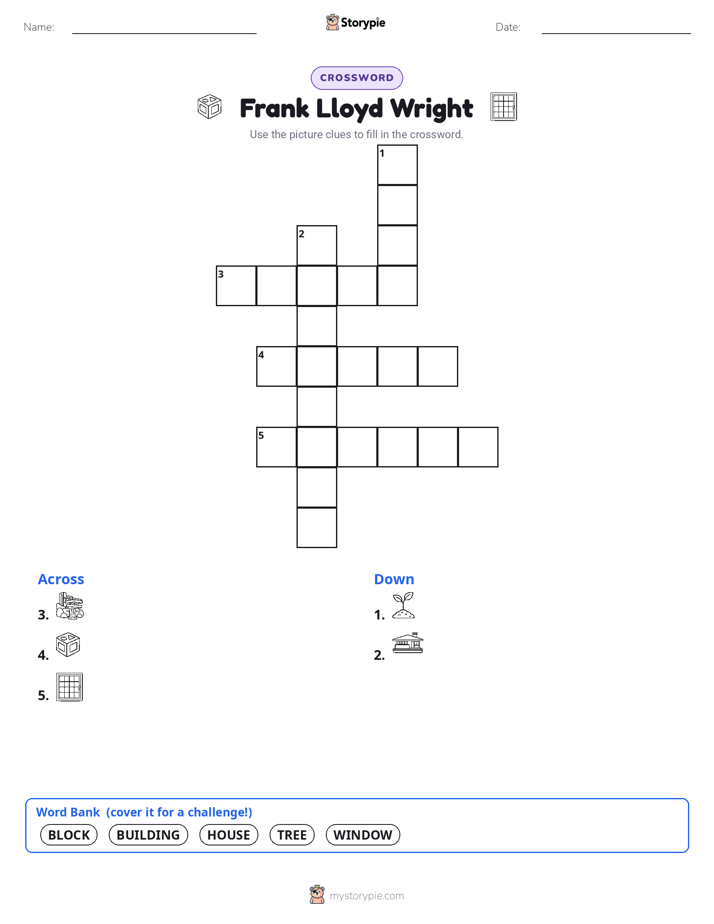
Hello, my name is Frank Lloyd Wright, and I believe that buildings should live in harmony with people and nature. My story begins on June 8th, 1867, in the green hills of Wisconsin. As a boy, my world was shaped by the nature around me. I spent countless hours on my uncle's farm, carefully observing how trees grew from the earth and how streams carved their paths through the land. My mother gave me a special set of wooden blocks called Froebel Gifts. They weren't just toys; they were my first tools for understanding the world. With them, I learned about the geometry hidden in everything, building endless structures and discovering the profound beauty in simple, natural shapes. Those blocks taught me lessons about form and structure that I would carry with me for the rest of my life.
As I grew older, I knew my passion for building had to be nurtured by the best minds of my time. In 1887, I made the journey to the bustling city of Chicago, a place that felt alive with new ideas and buildings that scraped the sky. It was there I found a job with the great architect Louis Sullivan, a man I came to call my 'Lieber Meister,' or 'Beloved Master.' He taught me a fundamental principle: 'form follows function,' meaning a building's design should arise directly from its purpose. I absorbed his lessons, but I felt a pull toward my own unique vision. I dreamed of creating a style that was not European, but truly American. In 1893, I took a leap of faith and opened my own architectural practice to bring those dreams to life.
Frank Lloyd Wright
Hello, my name is Frank Lloyd Wright, and I believe that buildings should live in harmony with people and nature. My story begins on June 8th, 1867, in the green hills of Wisconsin. As a boy, my world was shaped by the nature around me. I spent countless hours on my uncle's farm, carefully observing how trees grew from the earth and how streams carved their paths through the land. My mother gave me a special set of wooden blocks called Froebel Gifts. They weren't just toys; they were my first tools for understanding the world. With them, I learned about the geometry hidden in everything, building endless structures and discovering the profound beauty in simple, natural shapes. Those blocks taught me lessons about form and structure that I would carry with me for the rest of my life.
As I grew older, I knew my passion for building had to be nurtured by the best minds of my time. In 1887, I made the journey to the bustling city of Chicago, a place that felt alive with new ideas and buildings that scraped the sky. It was there I found a job with the great architect Louis Sullivan, a man I came to call my 'Lieber Meister,' or 'Beloved Master.' He taught me a fundamental principle: 'form follows function,' meaning a building's design should arise directly from its purpose. I absorbed his lessons, but I felt a pull toward my own unique vision. I dreamed of creating a style that was not European, but truly American. In 1893, I took a leap of faith and opened my own architectural practice to bring those dreams to life.
My vision was to design buildings that felt as if they belonged to the American landscape, especially the wide-open Midwest prairies where I grew up. This led me to create what became known as the Prairie School style. These homes featured long, low, horizontal lines that echoed the vast horizon, breaking from the tall, boxy houses of the time. Inside, I designed open spaces that flowed into one another and lined the walls with rows of beautiful windows that blurred the line between indoors and outdoors. This was the beginning of my philosophy of 'organic architecture'—the idea that a structure should grow out of its site as naturally as a plant from the soil. To prove my ideas, I began building my own home, Taliesin, in 1911. I built it right into a hillside in Wisconsin, making it a living example of a home in perfect harmony with its surroundings.
Perhaps the most famous expression of my philosophy is a house called Fallingwater, which I designed in 1935. The family who hired me wanted a home with a view of their favorite waterfall on their property. I had a much bolder idea. Instead of looking at the waterfall, I wanted them to live with it. So, I designed the house to be built right on top of the waterfall itself. Great terraces of concrete and stone jut out over the rushing water, making it seem as if the house is a natural part of the rocky cliffs. A few years later, in 1937, I began another project that embraced its environment: my winter home, Taliesin West, in the Arizona desert. I used rocks and sand from the land itself, creating a structure that looked as though it rose directly from the desert floor.
One of my last and most famous projects was for an art museum in the heart of New York City. I wanted to challenge the very idea of a museum, which was typically just a stack of square rooms. I designed the Solomon R. Guggenheim Museum as a continuous, swirling spiral, like a white ribbon unwinding into the sky. Instead of climbing stairs, visitors take an elevator to the top and then walk down a gentle, sloping ramp, viewing art along the way in a completely new and dynamic experience. The building was a great challenge to engineer and construct. It finally opened to the public on October 21st, 1959, just a few months after my life's work was complete.
I lived to be 91 years old, and in that time, I designed over 1,000 structures, from homes to offices to places of worship. Today, people from all over the world visit my buildings to experience how architecture can deeply connect us to the natural world. My hope was always to create beautiful spaces that improved people's lives, and I am remembered for changing the way we think about the homes, offices, and museums we all share. My work continues to inspire architects to design not just for people, but for the planet as well.
Wow facts
About
Frank Lloyd Wright was a pioneering American architect, designer, writer, and educator who is widely considered one of the greatest architects of the 20th century. He is best known for his philosophy of organic architecture and for designing iconic buildings like Fallingwater and the Solomon R. Guggenheim Museum.
Take a Quiz
Question 1 of 5
Based on the story, what was Frank Lloyd Wright's main philosophy about architecture?
Explore next






Want to do even more?
Go beyond exploring. Unlock tools that turn every story into real learning.

Storypie Plus for families
Full stories, quizzes, and printables. Nights and car rides, sorted.
- Unlimited audio stories
- Create Mode: your child stars in the story
- Offline downloads
- Printable worksheets & coloring pages

Why Storypie for Schools
Students engaged. Prep in seconds. Evenings back to you.
- Worksheets & Quizzes
- Classroom Management
- Formative Assessment
- Custom Curriculum & Lesson Plans
- 27 Languages

Why Storypie for Homeschool
Curriculum done. They'll ask for more. Hours back in your day.
- Worksheet Generator
- First-Person Audio Stories
- Built-in Comprehension Quizzes
- Custom Curriculum & Lesson Plans
- Print & Go Activities