English

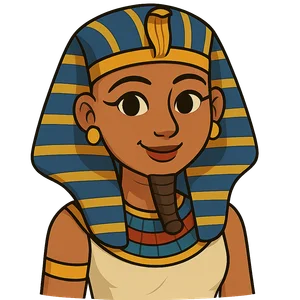
Hatshepsut
Hatshepsut was one of ancient Egypt's most powerful and successful pharaohs…
Reads at Grades 3–5 Listens at Grades 1–5
Print & create
Answer keys·No prep·Free with an account
28 worksheets · answer keys · full story · quiz · Ages 8-10 · CEFR B1
Plus adds 279,000+ more stories in 27 languages, audio for every one, and printables for all of them.
Just want Hatshepsut?
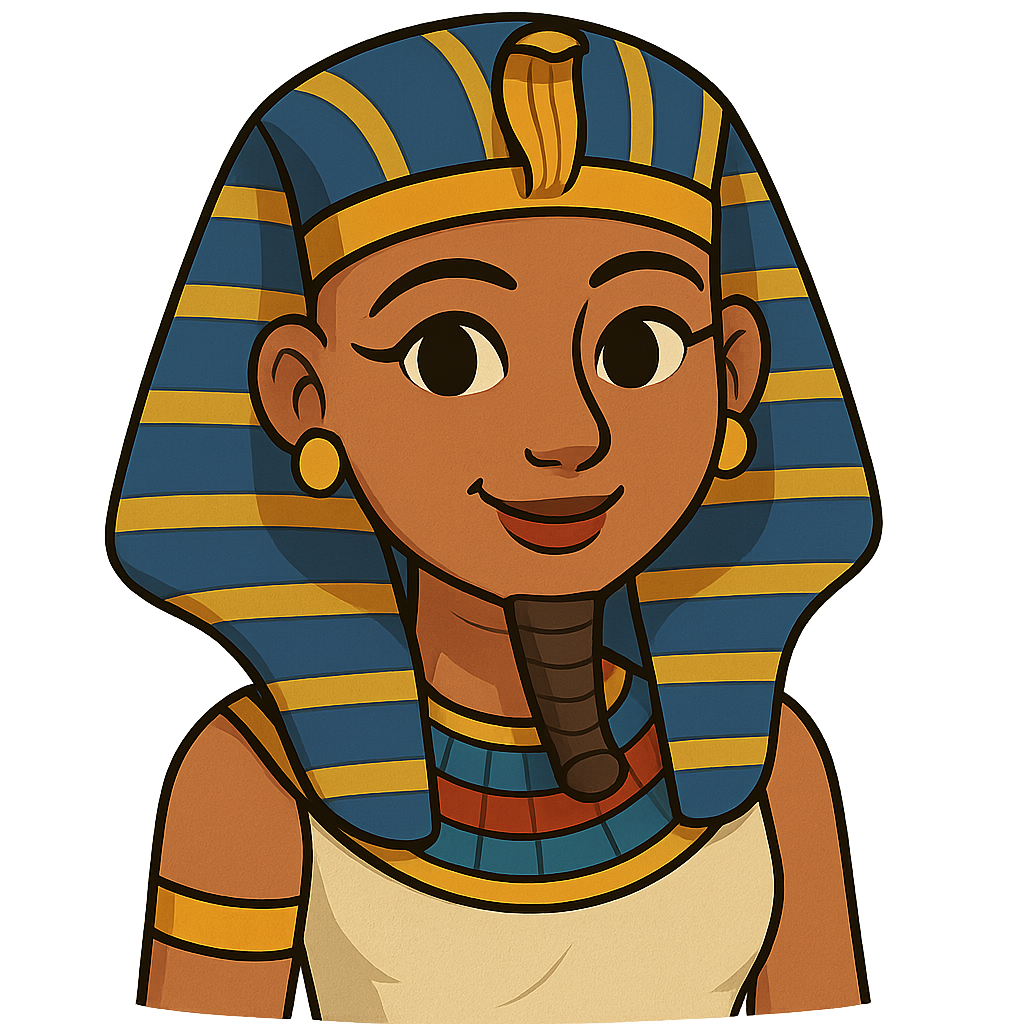
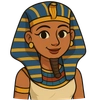
Hello! My name is Hatshepsut, and I was a pharaoh of ancient Egypt. I was born into the royal family around the year 1507 BCE. My father was the mighty Pharaoh Thutmose I, and I grew up in the grand palaces of Thebes. From a young age, I was given an important religious title, 'God's Wife of Amun,' which meant I was very powerful in our temples. I watched my father rule and learned what it meant to be a great leader for our people.
As was the custom for royalty, I married my half-brother, Thutmose II. When he became pharaoh, I became his Great Royal Wife, the most important queen in all of Egypt. Sadly, my husband's reign was short, and he died around the year 1479 BCE. The next in line to be pharaoh was his son, my stepson, Thutmose III. But there was a problem—he was just a little boy! He was far too young to rule a great kingdom. So, I stepped in to help. I became his regent, which means I made all the important decisions for him until he was old enough to rule on his own.
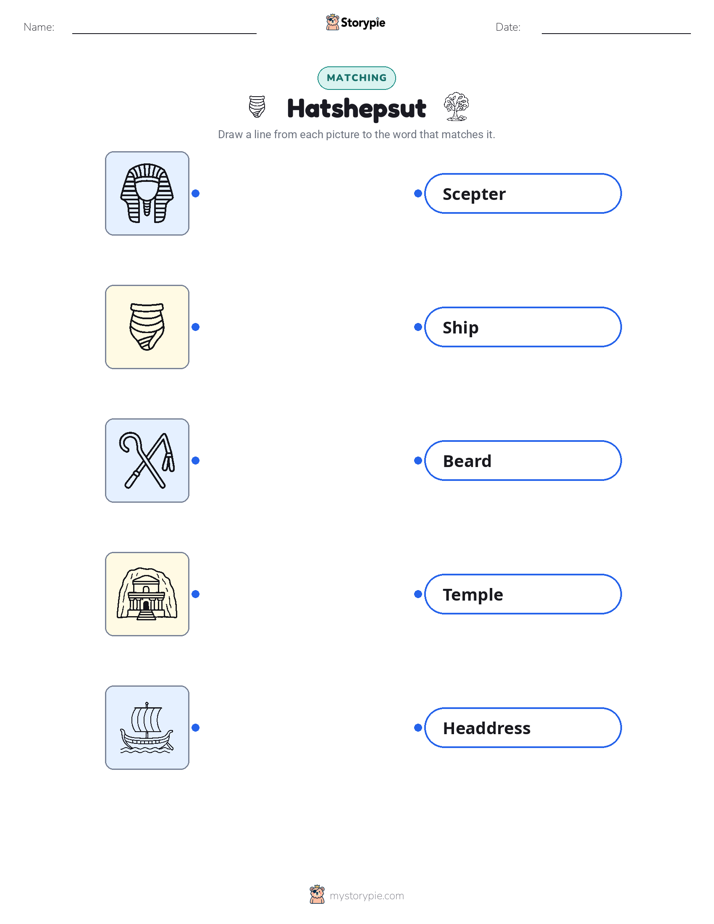
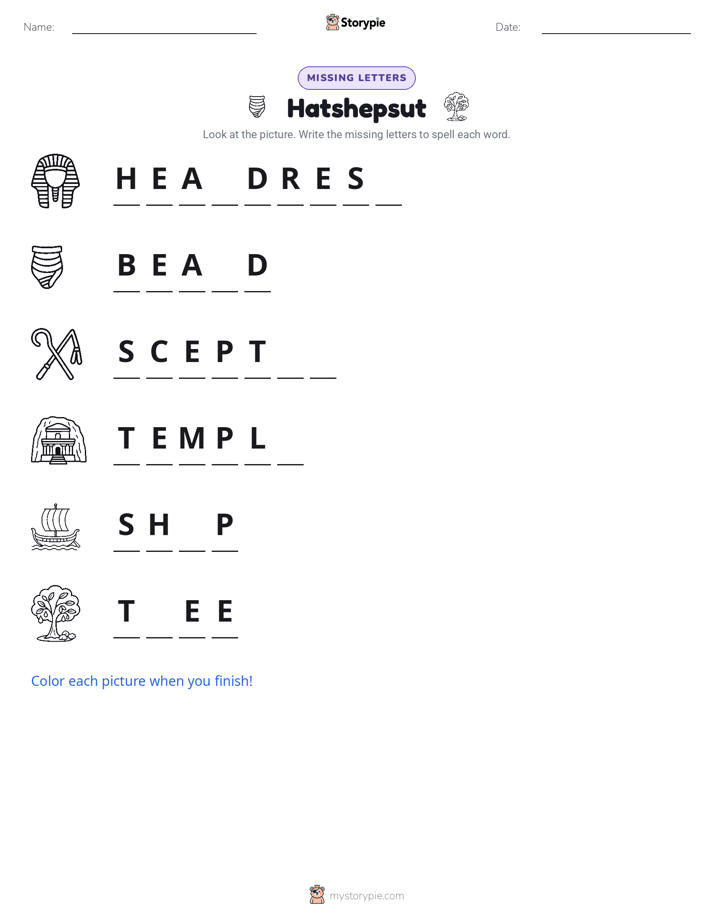
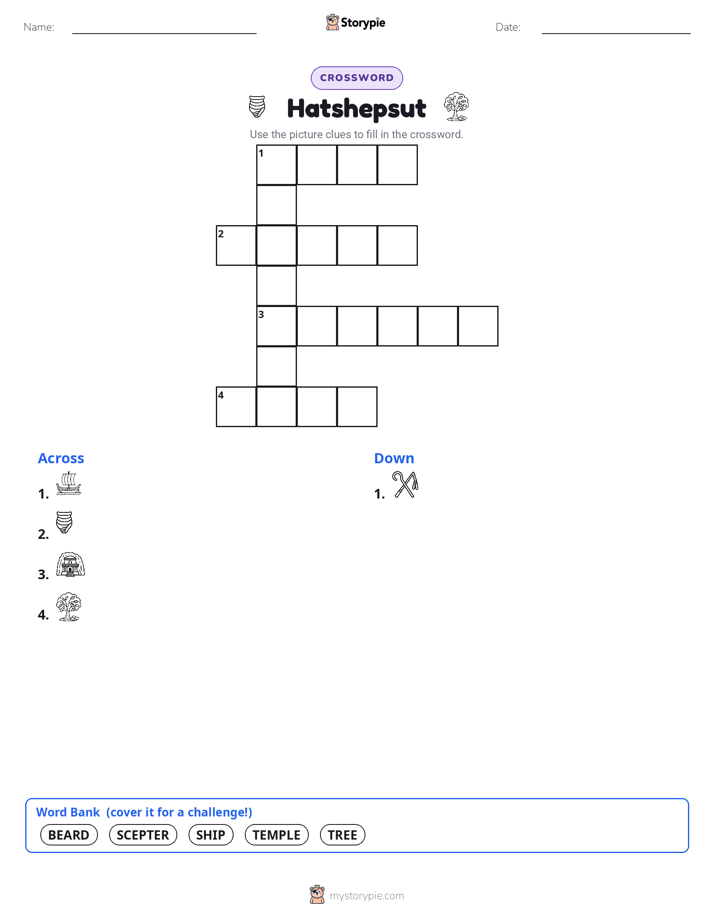
I was a good regent, and Egypt was peaceful and strong under my care. After ruling for about seven years, around 1473 BCE, I made a decision that surprised everyone. I declared myself pharaoh. In ancient Egypt, it was very rare for a woman to be the main ruler. But I knew I could do the job as well as any man. To show my authority, I began to use all the titles of a king. I even had myself shown in statues and carvings wearing the traditional pharaoh's kilt and the false beard, symbols of a pharaoh's power. I wanted to make it clear to everyone that I was their true and rightful leader.
Hatshepsut: The Pharaoh Queen
Hello! My name is Hatshepsut, and I was a pharaoh of ancient Egypt. I was born into the royal family around the year 1507 BCE. My father was the mighty Pharaoh Thutmose I, and I grew up in the grand palaces of Thebes. From a young age, I was given an important religious title, 'God's Wife of Amun,' which meant I was very powerful in our temples. I watched my father rule and learned what it meant to be a great leader for our people.
As was the custom for royalty, I married my half-brother, Thutmose II. When he became pharaoh, I became his Great Royal Wife, the most important queen in all of Egypt. Sadly, my husband's reign was short, and he died around the year 1479 BCE. The next in line to be pharaoh was his son, my stepson, Thutmose III. But there was a problem—he was just a little boy! He was far too young to rule a great kingdom. So, I stepped in to help. I became his regent, which means I made all the important decisions for him until he was old enough to rule on his own.
I was a good regent, and Egypt was peaceful and strong under my care. After ruling for about seven years, around 1473 BCE, I made a decision that surprised everyone. I declared myself pharaoh. In ancient Egypt, it was very rare for a woman to be the main ruler. But I knew I could do the job as well as any man. To show my authority, I began to use all the titles of a king. I even had myself shown in statues and carvings wearing the traditional pharaoh's kilt and the false beard, symbols of a pharaoh's power. I wanted to make it clear to everyone that I was their true and rightful leader.
My time as pharaoh was not about fighting wars. Instead, I focused on making Egypt rich and beautiful. One of my proudest achievements was a great trading expedition I sent to the faraway Land of Punt around 1464 BCE. My ships returned with amazing treasures like sweet-smelling incense, myrrh trees to plant in our temple gardens, gold, and exotic animals. I also loved to build! I oversaw the construction of incredible temples and monuments all over Egypt. My most famous project was my magnificent mortuary temple at Deir el-Bahri, a stunning building carved right into the side of a cliff. My trusted advisor and brilliant architect, Senenmut, helped me create these wonders.
I ruled as pharaoh for more than 20 successful years. When my reign ended, my stepson, Thutmose III, became the sole pharaoh and grew to be a great ruler. I lived a full and powerful life, passing away around the year 1458 BCE. For a while, some tried to erase my name from history, but the amazing temples I built and the stories carved on their walls survived. Today, people from all over the world visit my monuments, and I am remembered as one of the most powerful and successful female rulers in all of history.
Wow facts
About
Hatshepsut was one of ancient Egypt's most powerful and successful pharaohs, who ruled as a female pharaoh but often depicted herself in male attire and regalia to legitimize her rule. She is known for her peaceful reign and ambitious building projects.
Take a Quiz
Question 1 of 5
What special religious title was Hatshepsut given when she was young?
Explore next


Want to do even more?
Go beyond exploring. Unlock tools that turn every story into real learning.

Storypie Plus for families
Full stories, quizzes, and printables. Nights and car rides, sorted.
- Unlimited audio stories
- Create Mode: your child stars in the story
- Offline downloads
- Printable worksheets & coloring pages

Why Storypie for Schools
Students engaged. Prep in seconds. Evenings back to you.
- Worksheets & Quizzes
- Classroom Management
- Formative Assessment
- Custom Curriculum & Lesson Plans
- 27 Languages

Why Storypie for Homeschool
Curriculum done. They'll ask for more. Hours back in your day.
- Worksheet Generator
- First-Person Audio Stories
- Built-in Comprehension Quizzes
- Custom Curriculum & Lesson Plans
- Print & Go Activities