English

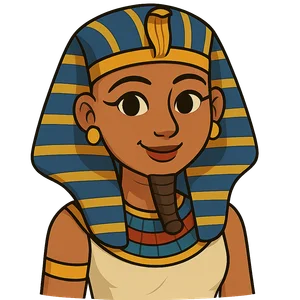
Hatshepsut
Hatshepsut was one of ancient Egypt's most powerful and successful pharaohs…
Reads at Grades 6–8 Listens at Grades 4–8
Print & create
Answer keys·No prep·Free with an account
28 worksheets · answer keys · full story · quiz · Ages 10-12 · CEFR B2
Plus adds 279,000+ more stories in 27 languages, audio for every one, and printables for all of them.
Just want Hatshepsut?
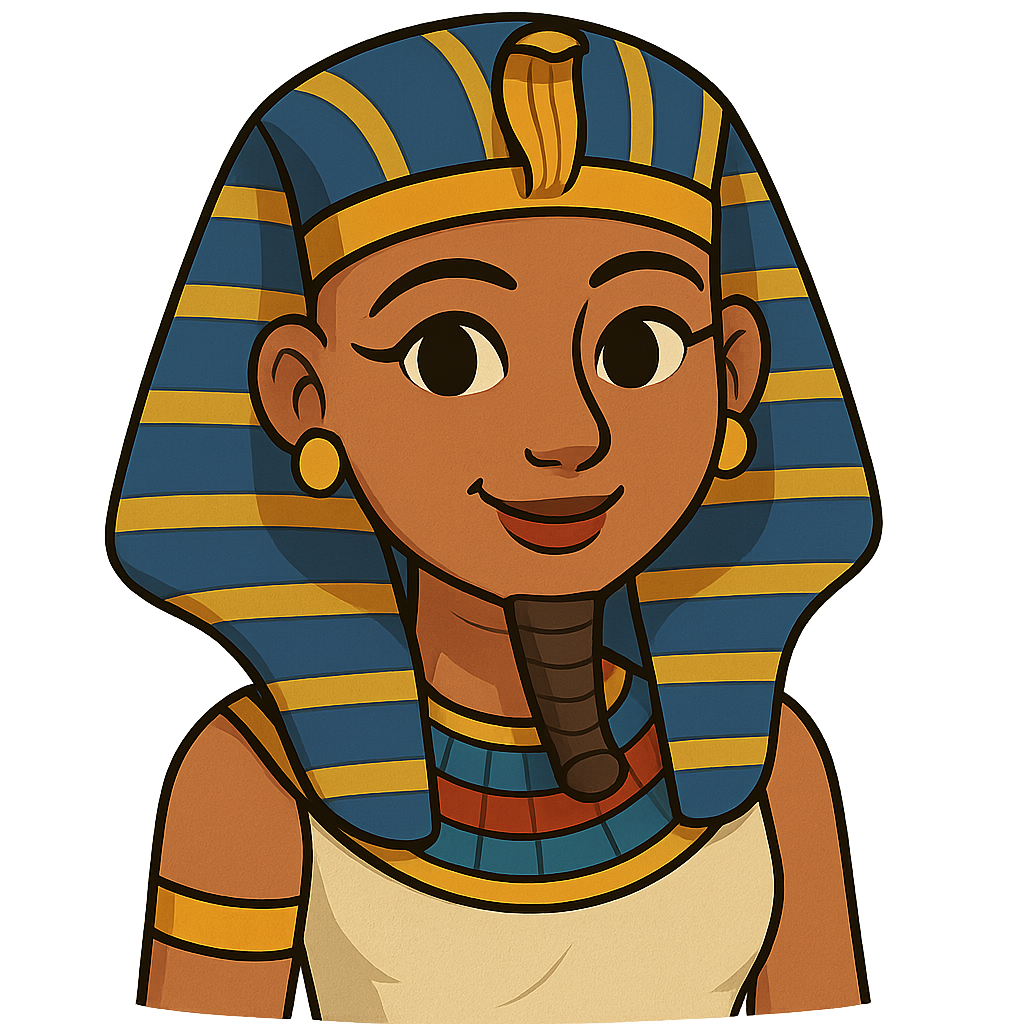
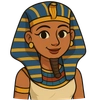
My name is Hatshepsut, which means 'Foremost of Noble Women,' and I was a princess destined for greatness. I was born around the year 1507 BCE in the grand city of Thebes, the capital of Egypt, a land of golden sands and the life-giving Nile River. My father was the powerful Pharaoh Thutmose I, a mighty ruler, and my mother was the respected Queen Ahmose. Growing up in the royal palace was an education in itself; I was surrounded by scribes, priests, and officials, and I learned everything a child of royalty was expected to know about leadership and our sacred traditions. As was the custom for royalty, I was married to my half-brother, Thutmose II. When he became pharaoh, I took my place beside him as his Great Royal Wife, the highest and most important position for a woman in all of Egypt. I held great influence, but my journey had only just begun.
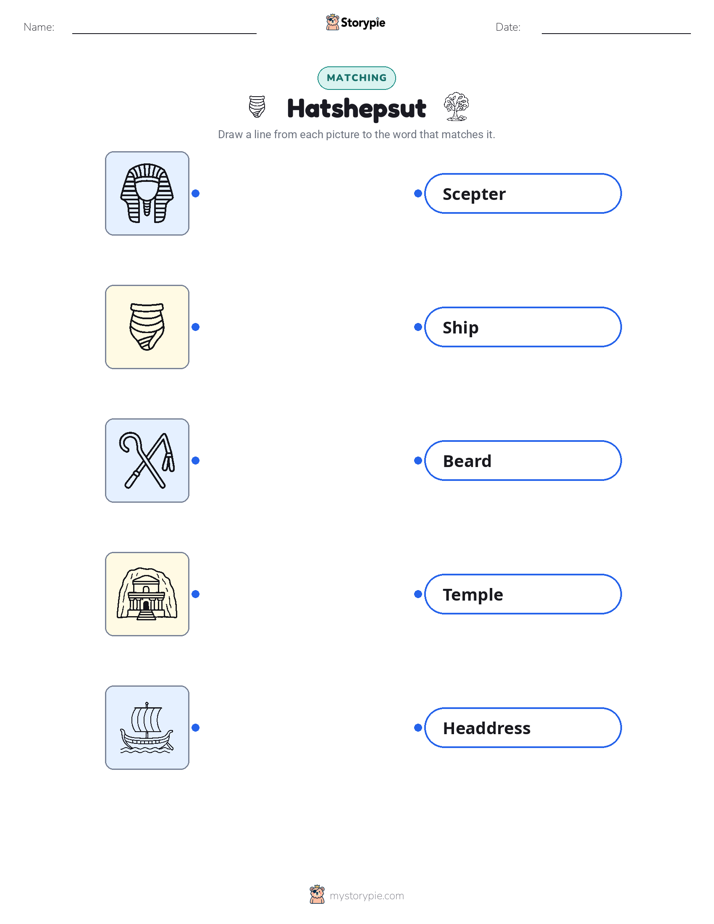
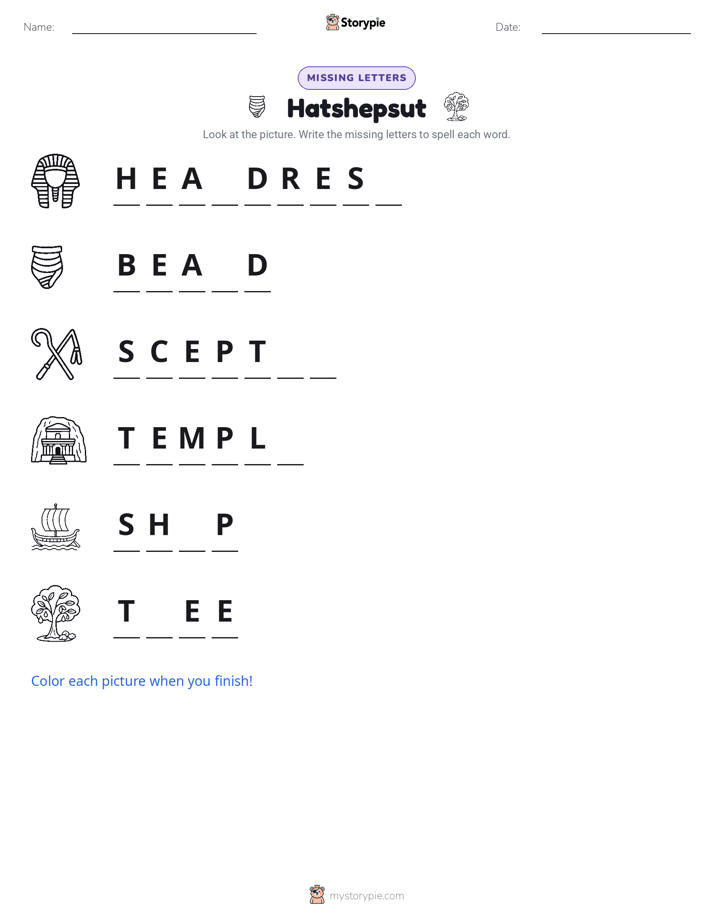
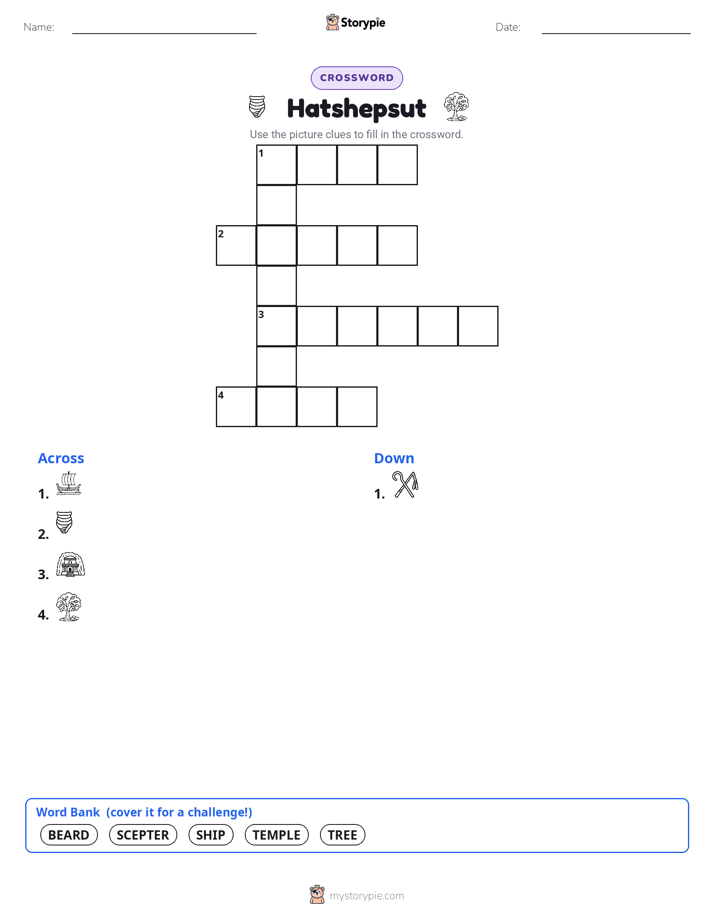
The course of my life changed forever around the year 1479 BCE, when my husband, Pharaoh Thutmose II, died. The throne was passed to his son, my young stepson, Thutmose III. However, he was only a small child, far too young to rule a great kingdom like Egypt on his own. Because of my royal blood and experience, I was chosen to act as his regent, meaning I would rule in his name until he was old enough to take power. For about seven years, I governed Egypt wisely, but I knew I was destined for more. Around 1473 BCE, I made a decision that shocked many but secured my place in history: I declared myself pharaoh. This was almost unheard of, as the role of pharaoh was traditionally held by men. To show my authority and prove to my people that I was the rightful ruler chosen by the gods, I adopted all the symbols of a king. In statues and carvings, I was often shown wearing the traditional garments of a male pharaoh, including the ceremonial false beard, a powerful symbol of kingship.
Hatshepsut: The Woman Who Was King
My name is Hatshepsut, which means 'Foremost of Noble Women,' and I was a princess destined for greatness. I was born around the year 1507 BCE in the grand city of Thebes, the capital of Egypt, a land of golden sands and the life-giving Nile River. My father was the powerful Pharaoh Thutmose I, a mighty ruler, and my mother was the respected Queen Ahmose. Growing up in the royal palace was an education in itself; I was surrounded by scribes, priests, and officials, and I learned everything a child of royalty was expected to know about leadership and our sacred traditions. As was the custom for royalty, I was married to my half-brother, Thutmose II. When he became pharaoh, I took my place beside him as his Great Royal Wife, the highest and most important position for a woman in all of Egypt. I held great influence, but my journey had only just begun.
The course of my life changed forever around the year 1479 BCE, when my husband, Pharaoh Thutmose II, died. The throne was passed to his son, my young stepson, Thutmose III. However, he was only a small child, far too young to rule a great kingdom like Egypt on his own. Because of my royal blood and experience, I was chosen to act as his regent, meaning I would rule in his name until he was old enough to take power. For about seven years, I governed Egypt wisely, but I knew I was destined for more. Around 1473 BCE, I made a decision that shocked many but secured my place in history: I declared myself pharaoh. This was almost unheard of, as the role of pharaoh was traditionally held by men. To show my authority and prove to my people that I was the rightful ruler chosen by the gods, I adopted all the symbols of a king. In statues and carvings, I was often shown wearing the traditional garments of a male pharaoh, including the ceremonial false beard, a powerful symbol of kingship.
My reign, which lasted until about 1458 BCE, was not one of conquest and war, but a golden age of peace and prosperity. I believed that Egypt's greatness could be measured in its wealth, culture, and magnificent buildings, not just in the lands it controlled. I became one of the most productive builders in Egyptian history. My greatest architectural achievement was my breathtaking mortuary temple at Deir el-Bahri, a stunning terraced sanctuary carved into the cliffs. My loyal architect and trusted advisor, Senenmut, helped oversee its construction, and it stood as a monument to my power and devotion to the gods. Beyond building, I wanted to re-establish the trade networks that made our kingdom rich. Around 1467 BCE, I organized one of the most famous expeditions in our history: a journey to the distant and mysterious Land of Punt. My ships returned not with weapons, but with incredible treasures. They brought back precious ebony wood, ivory, gold, and even live myrrh trees, which we planted in the gardens of my temple. These exotic goods and animals enriched Egypt and spread its fame far and wide.
My time on Earth came to an end around 1458 BCE. After my reign, a strange thing happened. Some of my successors, perhaps feeling threatened by the memory of a powerful female pharaoh, tried to erase me from history. My name was chiseled off monuments, and many of my statues were deliberately damaged and hidden away. For thousands of years, my story was nearly lost to the world, buried beneath the sands of time. But truth has a way of enduring. In modern times, clever scholars called archaeologists began to uncover the clues I had left behind. They painstakingly pieced together the fragments of my statues and deciphered the hieroglyphs in my temples, revealing the full story of my reign. Today, I am remembered not as a forgotten queen, but as one of Egypt's most effective and successful rulers. My story shows that true leadership is defined by peace and prosperity, not just power, and that a great legacy can never be completely hidden.
Wow facts
About
Hatshepsut was one of ancient Egypt's most powerful and successful pharaohs, who ruled as a female pharaoh but often depicted herself in male attire and regalia to legitimize her rule. She is known for her peaceful reign and ambitious building projects.
Take a Quiz
Question 1 of 5
What is the main lesson we can learn from the final paragraph about Hatshepsut's legacy?
Explore next


Want to do even more?
Go beyond exploring. Unlock tools that turn every story into real learning.

Storypie Plus for families
Full stories, quizzes, and printables. Nights and car rides, sorted.
- Unlimited audio stories
- Create Mode: your child stars in the story
- Offline downloads
- Printable worksheets & coloring pages

Why Storypie for Schools
Students engaged. Prep in seconds. Evenings back to you.
- Worksheets & Quizzes
- Classroom Management
- Formative Assessment
- Custom Curriculum & Lesson Plans
- 27 Languages

Why Storypie for Homeschool
Curriculum done. They'll ask for more. Hours back in your day.
- Worksheet Generator
- First-Person Audio Stories
- Built-in Comprehension Quizzes
- Custom Curriculum & Lesson Plans
- Print & Go Activities