English

Henry Ford
An American industrialist and business magnate who founded the Ford Motor Company and sponsored the…
Reads at Grades 6–8 Listens at Grades 4–8
Print & create
Answer keys·No prep·Free with an account
28 worksheets · answer keys · full story · quiz · Ages 10-12 · CEFR B2
Plus adds 102,000+ more stories in 27 languages, audio for every one, and printables for all of them.
Just want Henry Ford?
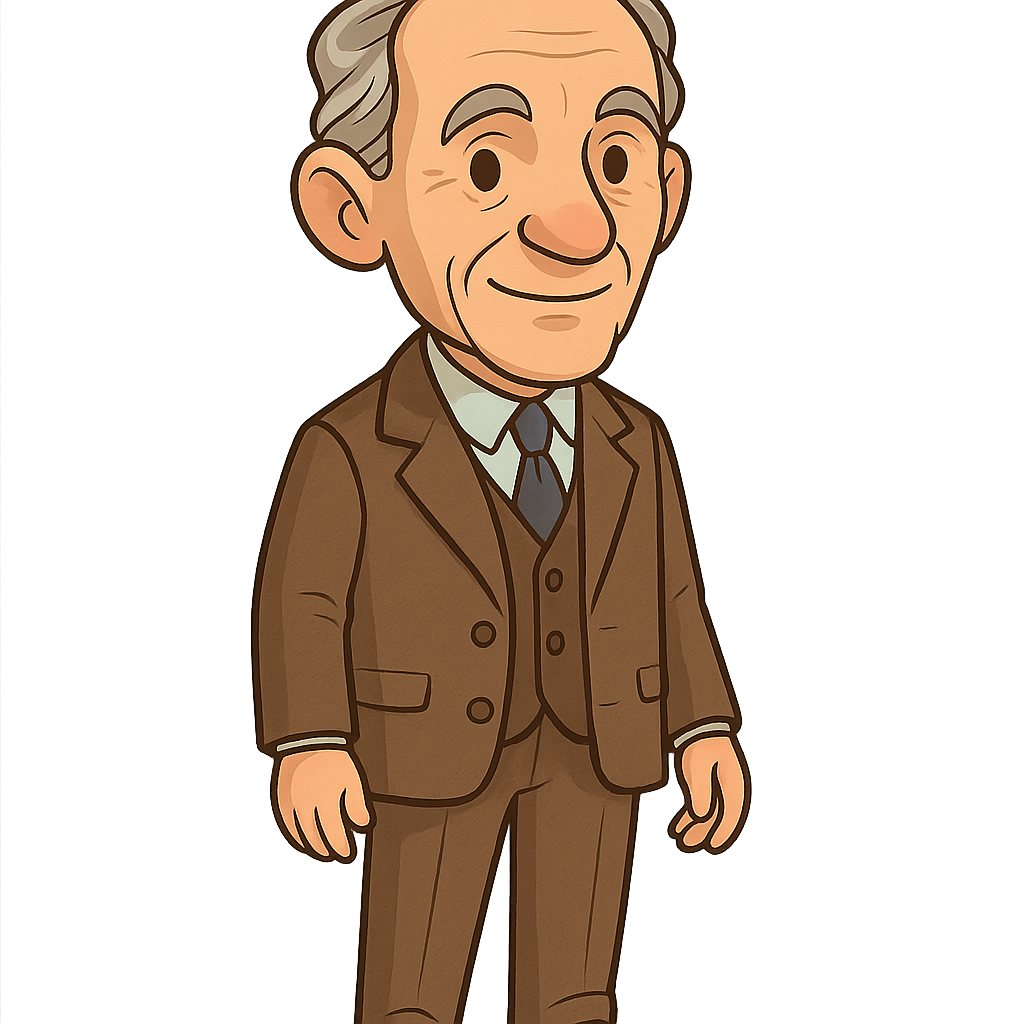
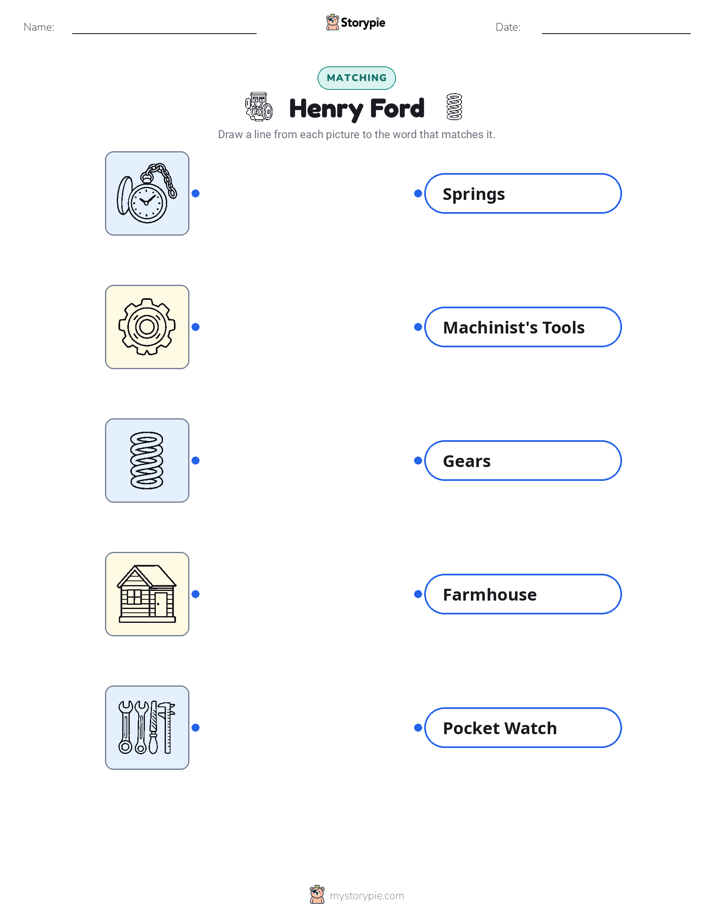
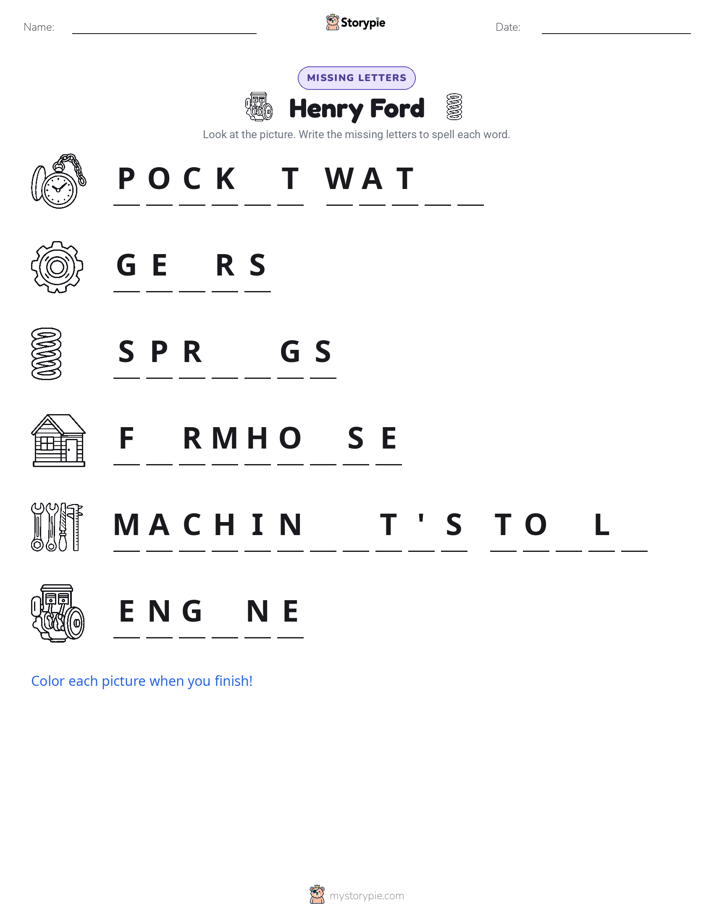
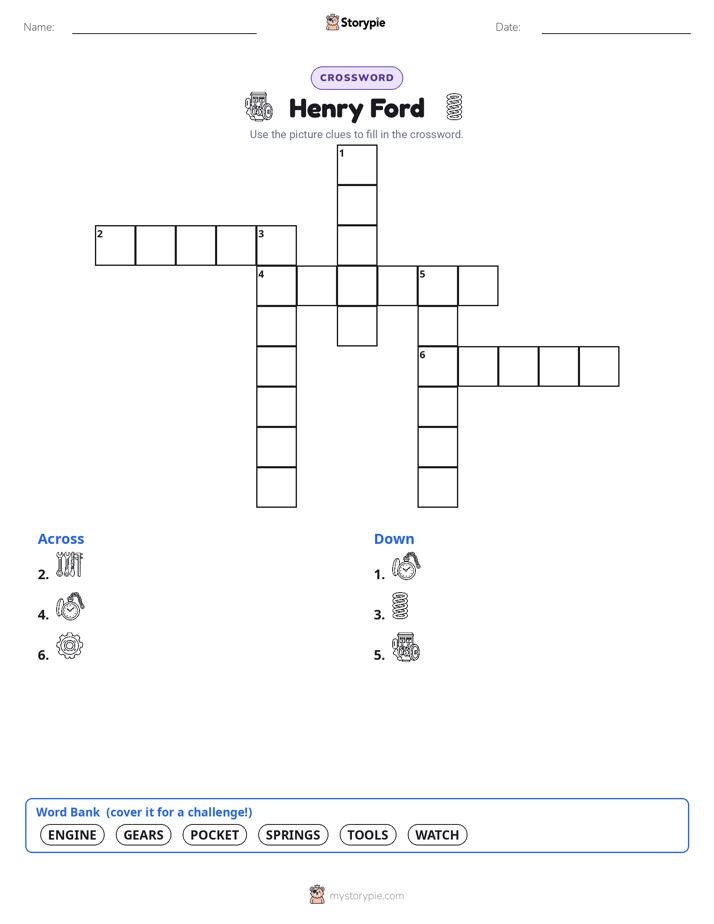
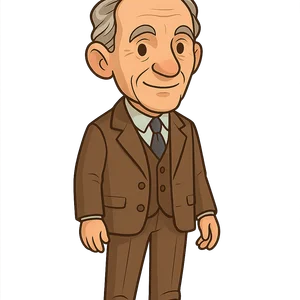
Hello, my name is Henry Ford, and I changed the way the world moves. I was born on a farm in Michigan on July 30th, 1863. Life on a farm was full of chores, but my mind was always somewhere else. While my family was busy with the land, I was fascinated by how things worked. I loved tinkering with machines more than anything. When my father gave me a pocket watch, I didn't just use it to tell time. I carefully took it apart, piece by piece, just to see the tiny gears and springs inside and understand how they all fit together. Then, I put it all back together perfectly. That curiosity for mechanics was a powerful calling. By 1879, when I was just 16 years old, I knew the farm was not my future. I packed my bags and left for the big city of Detroit to become an apprentice machinist, ready to learn everything I could about engines and machines.
In the 1890s, I found myself working for the Edison Illuminating Company, where my hard work eventually led me to become a chief engineer. It was an exciting time of new inventions, and I was especially fascinated by the new gasoline engines that were being developed. While I had a good job, my real passion project began after my work hours ended. In a small brick shed behind my house, I spent all my spare time building my own version of a “horseless carriage.” I worked late into the nights, experimenting with different parts and ideas. Then, one rainy night in 1896, it was finally ready. I wheeled my creation, which I called the Quadricycle, out into the alley. It was a simple machine with four bicycle wheels and a small engine, but it worked. I even had the chance to meet the great inventor Thomas Edison himself, who saw my plans and encouraged me. He told me to keep going, and his words gave me the confidence I needed to pursue my dream.
Henry Ford: The Man Who Put the World on Wheels
Hello, my name is Henry Ford, and I changed the way the world moves. I was born on a farm in Michigan on July 30th, 1863. Life on a farm was full of chores, but my mind was always somewhere else. While my family was busy with the land, I was fascinated by how things worked. I loved tinkering with machines more than anything. When my father gave me a pocket watch, I didn't just use it to tell time. I carefully took it apart, piece by piece, just to see the tiny gears and springs inside and understand how they all fit together. Then, I put it all back together perfectly. That curiosity for mechanics was a powerful calling. By 1879, when I was just 16 years old, I knew the farm was not my future. I packed my bags and left for the big city of Detroit to become an apprentice machinist, ready to learn everything I could about engines and machines.
In the 1890s, I found myself working for the Edison Illuminating Company, where my hard work eventually led me to become a chief engineer. It was an exciting time of new inventions, and I was especially fascinated by the new gasoline engines that were being developed. While I had a good job, my real passion project began after my work hours ended. In a small brick shed behind my house, I spent all my spare time building my own version of a “horseless carriage.” I worked late into the nights, experimenting with different parts and ideas. Then, one rainy night in 1896, it was finally ready. I wheeled my creation, which I called the Quadricycle, out into the alley. It was a simple machine with four bicycle wheels and a small engine, but it worked. I even had the chance to meet the great inventor Thomas Edison himself, who saw my plans and encouraged me. He told me to keep going, and his words gave me the confidence I needed to pursue my dream.
Building a single car was one thing, but starting a company to build many cars was a much bigger challenge. My first couple of attempts to start a business didn't succeed, but I refused to give up on my vision. On June 16th, 1903, everything came together when I founded the Ford Motor Company. My goal was very different from other car makers at the time. They were building expensive, fancy cars that only the very wealthy could afford. I wanted to do the opposite. I dreamed of building a car for the great multitude, a car that was simple to operate, easy to repair, and low enough in price that an average American family could own one. That dream became a reality with the creation of my most famous automobile, the Model T. We began selling the first Model T on October 1st, 1908, and it was an immediate success.
The Model T was so popular that we couldn't build them fast enough to keep up with all the orders. The traditional way of building cars, where a team of workers built one car at a time from the ground up, was too slow. I knew I needed a better, more efficient way to manufacture them. I looked for inspiration in other industries, like meatpacking plants, where they used moving conveyor belts to process their products. This gave me a revolutionary idea. In 1913, at my new Highland Park factory, my team and I perfected the moving assembly line for automobiles. Instead of workers moving around a stationary car, the car chassis itself moved past a line of workers. Each person was trained to do one specific job over and over again, like attaching a wheel or installing the engine. This innovation was a game-changer. It slashed the time it took to build a single Model T from over 12 hours to about 90 minutes. This incredible efficiency meant I could lower the price of the car, making it even more affordable for everyone.
Working on the assembly line was efficient, but it was also hard, repetitive work. The jobs could be tiring and boring, and many of my workers would quit after only a short time. Finding and training new people was expensive and slowed down production. I needed to find a way to keep my skilled workers happy and loyal to the company. So, on January 5th, 1914, I made an announcement that shocked the entire industry. I decided to pay my eligible workers five dollars for an eight-hour day. At the time, this was more than double the average wage for a factory worker. It was a radical idea, but it worked brilliantly. My best workers stayed, and thousands of people lined up hoping to get a job at my factory. This decision didn't just help my company; it also meant that my own employees could now afford to buy the cars they were building, creating more customers and a stronger economy.
My work helped change the face of America and the world. By making the automobile affordable, I gave millions of people the freedom to travel, to see new places, and to connect with one another like never before. The moving assembly line and my ideas about mass production transformed manufacturing, changing how almost everything was made, from radios to refrigerators. I lived a long life dedicated to innovation and problem-solving, and I lived to be 83 years old. Today, I am remembered for helping to build the modern world. I am proud that my dream of using machines to make life better and easier for everyday people came true, and that my work continues to move the world forward.
Wow facts
About
An American industrialist and business magnate who founded the Ford Motor Company and sponsored the development of the assembly line technique of mass production.
Take a Quiz
Question 1 of 5
What was Henry Ford's main motivation for creating the Model T?
Explore next






Want to do even more?
Go beyond exploring. Unlock tools that turn every story into real learning.

Storypie Plus for families
Full stories, quizzes, and printables. Nights and car rides, sorted.
- Unlimited audio stories
- Create Mode: your child stars in the story
- Offline downloads
- Printable worksheets & coloring pages

Why Storypie for Schools
Students engaged. Prep in seconds. Evenings back to you.
- Worksheets & Quizzes
- Classroom Management
- Formative Assessment
- Custom Curriculum & Lesson Plans
- 27 Languages

Why Storypie for Homeschool
Curriculum done. They'll ask for more. Hours back in your day.
- Worksheet Generator
- First-Person Audio Stories
- Built-in Comprehension Quizzes
- Custom Curriculum & Lesson Plans
- Print & Go Activities