English

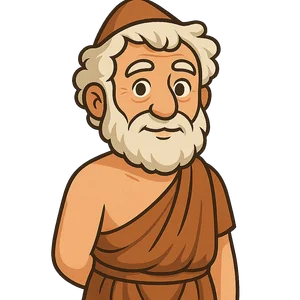
Hesiod
Hesiod was an ancient Greek poet, active between 750 and 650 BCE…
Reads at Grades 6–8 Listens at Grades 4–8
Print & create
Answer keys·No prep·Free with an account
28 worksheets · answer keys · full story · quiz · Ages 10-12 · CEFR B2
Plus adds 244,000+ more stories in 27 languages, audio for every one, and printables for all of them.
Just want Hesiod?
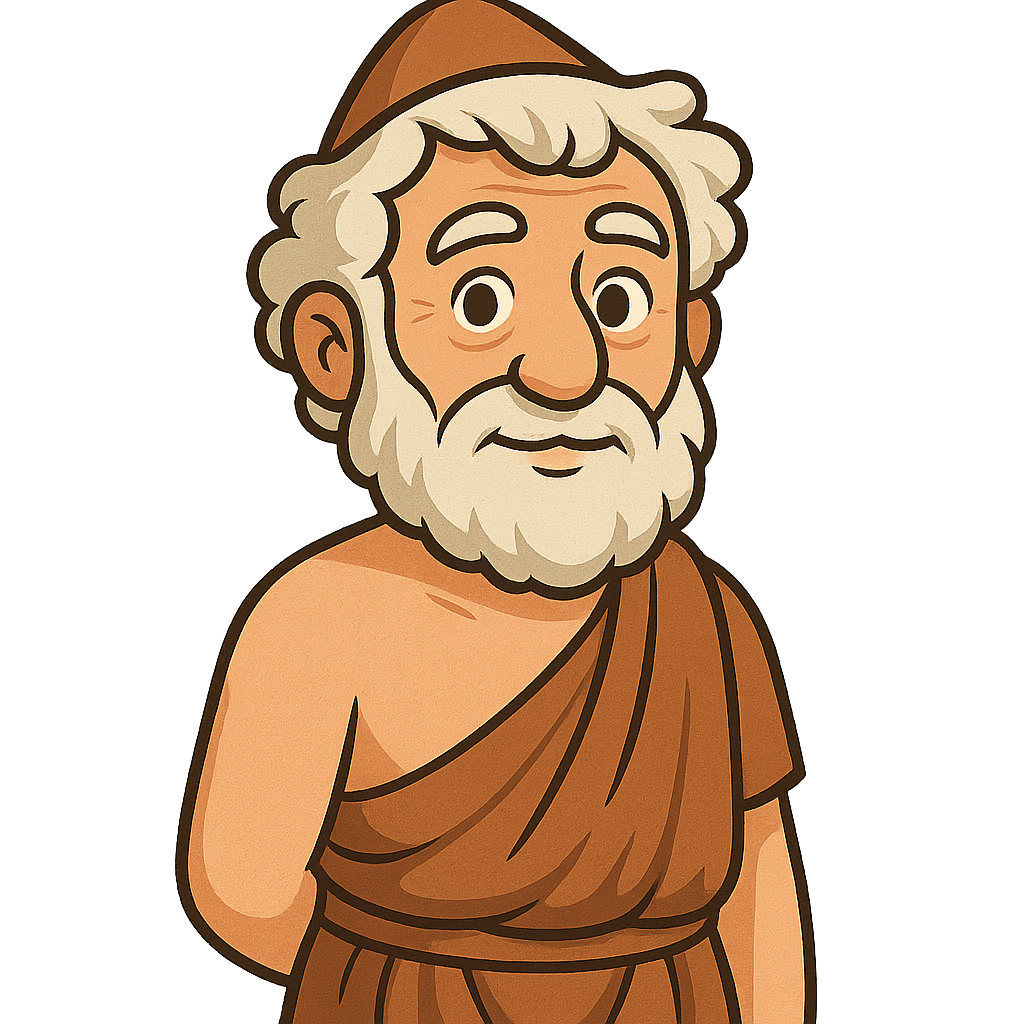
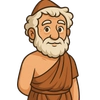
Hello. My name is Hesiod, and I was a poet in a time you know as ancient Greece. My story begins in the 8th century BCE, in a small, rugged village named Ascra, which was part of a region called Boeotia. Life here was simple and often difficult. My father had traveled across the sea from a place called Cyme to make a new home for us. Like him, I became a farmer and a shepherd. My days were spent on the slopes of the great Mount Helicon, watching over my flock of sheep. The work was demanding, but the quiet hours spent in nature gave me time to think about the world, the seasons, and the powerful forces that governed our lives. It was in this setting, surrounded by the earth and sky, that my life would be changed forever.
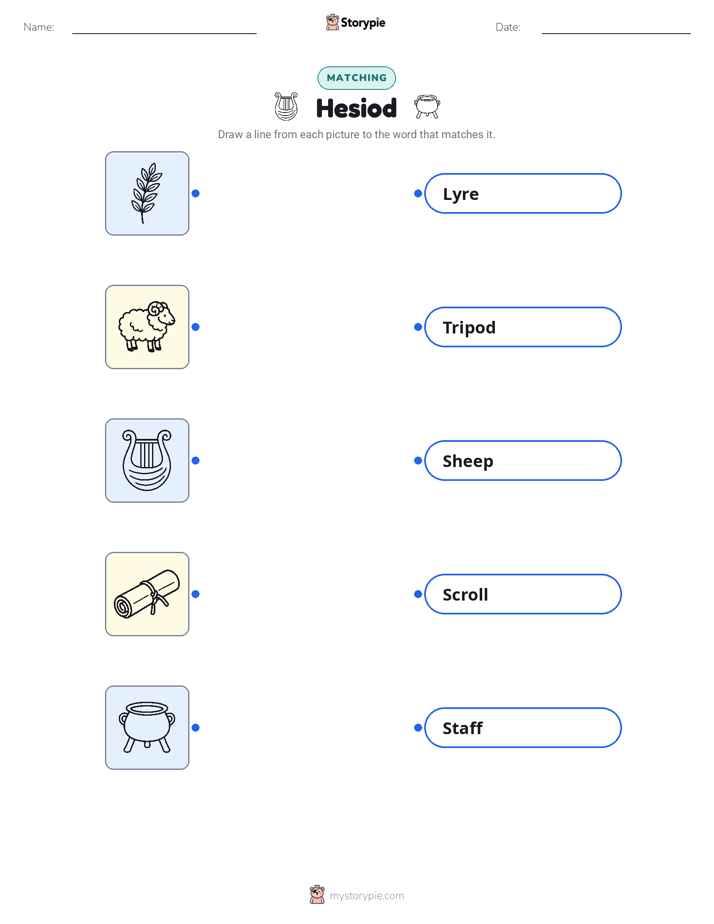
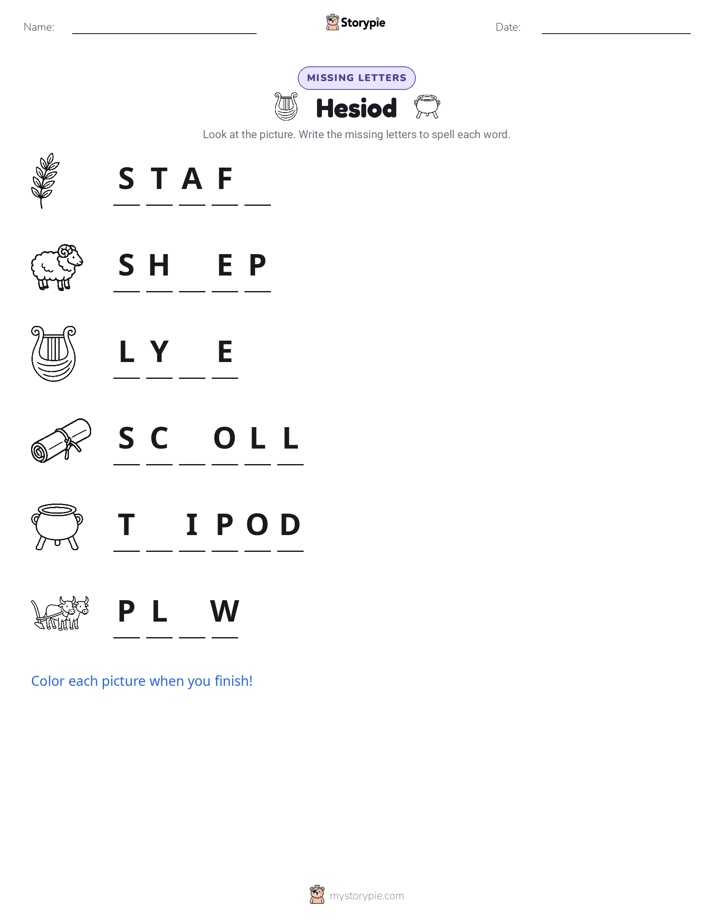
One day, while tending my flock on the sacred slopes of Mount Helicon, something extraordinary happened. It was the most important day of my life. As I watched my sheep, nine goddesses known as the Muses appeared before me. They were the daughters of the great god Zeus, and they were the goddesses of poetry, art, and science. They told me that they could speak both truths and things that seemed true. Then, they presented me with a special gift: a staff cut from a sturdy laurel branch, a symbol of honor and poetry. Most importantly, they breathed a divine voice into me. They commanded me to use this new voice to sing of things past and things to come, and especially to tell the stories of the immortal gods who ruled the world.
With the Muses' inspiration, I began to compose my first great poem around 700 BCE. I called it the Theogony, a word that means 'birth of the gods.' In this poem, I set out to explain how everything in the universe came to be. My story began not with gods, but with Chaos, a vast and empty void. From Chaos came Gaia, the Earth, and Uranus, the Sky. I described their children, the powerful Titans, and the conflicts that followed. The poem is like a giant family tree, connecting all the gods, goddesses, heroes, and even the monsters of our mythology. It explains where they all came from and how they were related. I told the story of how the wise and powerful Zeus, after a great battle, rose to become the king of all the gods on Mount Olympus, bringing order to the cosmos.
Hesiod: A Poet's Voice from Ancient Greece
Hello. My name is Hesiod, and I was a poet in a time you know as ancient Greece. My story begins in the 8th century BCE, in a small, rugged village named Ascra, which was part of a region called Boeotia. Life here was simple and often difficult. My father had traveled across the sea from a place called Cyme to make a new home for us. Like him, I became a farmer and a shepherd. My days were spent on the slopes of the great Mount Helicon, watching over my flock of sheep. The work was demanding, but the quiet hours spent in nature gave me time to think about the world, the seasons, and the powerful forces that governed our lives. It was in this setting, surrounded by the earth and sky, that my life would be changed forever.
One day, while tending my flock on the sacred slopes of Mount Helicon, something extraordinary happened. It was the most important day of my life. As I watched my sheep, nine goddesses known as the Muses appeared before me. They were the daughters of the great god Zeus, and they were the goddesses of poetry, art, and science. They told me that they could speak both truths and things that seemed true. Then, they presented me with a special gift: a staff cut from a sturdy laurel branch, a symbol of honor and poetry. Most importantly, they breathed a divine voice into me. They commanded me to use this new voice to sing of things past and things to come, and especially to tell the stories of the immortal gods who ruled the world.
With the Muses' inspiration, I began to compose my first great poem around 700 BCE. I called it the Theogony, a word that means 'birth of the gods.' In this poem, I set out to explain how everything in the universe came to be. My story began not with gods, but with Chaos, a vast and empty void. From Chaos came Gaia, the Earth, and Uranus, the Sky. I described their children, the powerful Titans, and the conflicts that followed. The poem is like a giant family tree, connecting all the gods, goddesses, heroes, and even the monsters of our mythology. It explains where they all came from and how they were related. I told the story of how the wise and powerful Zeus, after a great battle, rose to become the king of all the gods on Mount Olympus, bringing order to the cosmos.
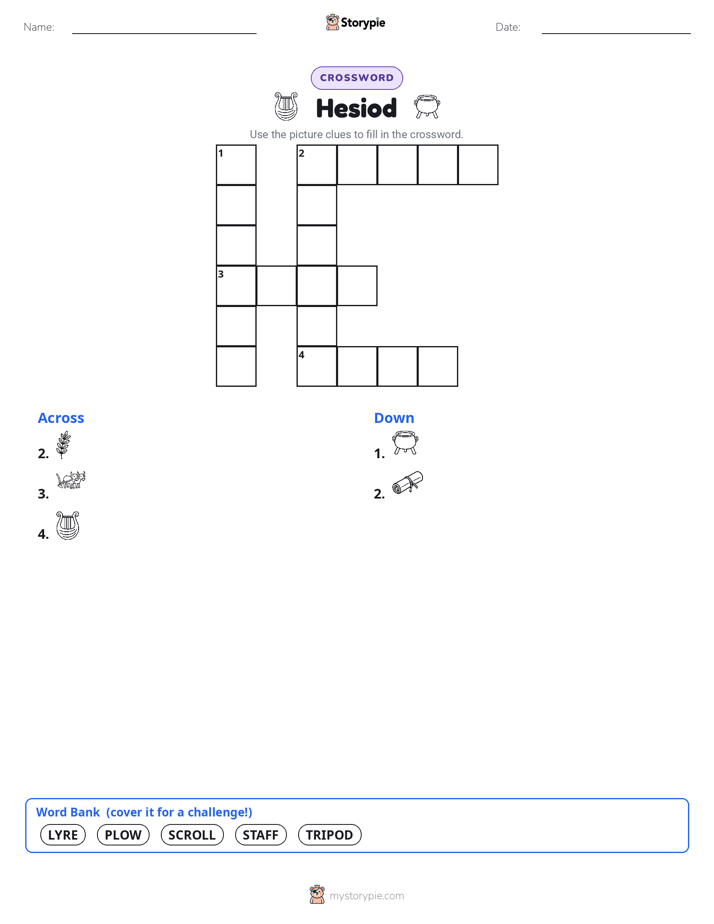
My second famous poem was called Works and Days. It was inspired by something much closer to home: a disagreement I had with my brother, Perses, over the inheritance of our family farm. I felt he had not been fair, so I wrote the poem to teach him, and others, about the value of justice and hard work. Works and Days is a practical guide for the common person. I filled it with advice for farmers, explaining the right times to plant seeds, plow fields, and harvest crops. I taught that these tasks should be guided by the changing seasons and the movements of the stars. But the poem was about more than just farming. It was a moral lesson, emphasizing that a life of honesty, diligence, and fairness was the best way to live and find favor with the gods.
After the Muses gave me my voice, I was no longer just a shepherd. I was a poet. My new path once led me on a journey to a city called Chalcis. I traveled there to attend the funeral games held in honor of a great warrior named Amphidamas. These games included many contests, not just of athletic skill but also of the mind and voice. I decided to participate in a song contest, where I performed my poetry for the crowd. To my great joy, I won. The prize was a beautiful bronze tripod, a three-legged stand often used for offerings. I did not keep it for myself. Instead, I carried it back home and dedicated it to the Muses of Mount Helicon, placing it at the site where they first gave me my gift, as a token of my unending gratitude.
I lived a full life in a time long, long ago, when the world was very different. My poems, the Theogony and Works and Days, survived through the centuries and have now been read for more than two thousand years. Alongside the tales told by another poet you may know, Homer, my stories helped the ancient Greeks make sense of their world. They learned about their gods, their history, and the right way to live their lives through my words. My words give people today a peek into what life was like for an ordinary person in ancient Greece, and I hope you see that the values of hard work and justice are as important now as they were then.
Wow facts
About
Hesiod was an ancient Greek poet, active between 750 and 650 BCE, who wrote the foundational mythological poem 'Theogony' and the didactic poem 'Works and Days.'
Take a Quiz
Question 1 of 5
In the story, I say the Muses 'breathed a divine voice into me.' What does the word 'divine' suggest about the voice they gave me?
Explore next
Want to do even more?
Go beyond exploring. Unlock tools that turn every story into real learning.

Storypie Plus for families
Full stories, quizzes, and printables. Nights and car rides, sorted.
- Unlimited audio stories
- Create Mode: your child stars in the story
- Offline downloads
- Printable worksheets & coloring pages

Why Storypie for Schools
Students engaged. Prep in seconds. Evenings back to you.
- Worksheets & Quizzes
- Classroom Management
- Formative Assessment
- Custom Curriculum & Lesson Plans
- 27 Languages

Why Storypie for Homeschool
Curriculum done. They'll ask for more. Hours back in your day.
- Worksheet Generator
- First-Person Audio Stories
- Built-in Comprehension Quizzes
- Custom Curriculum & Lesson Plans
- Print & Go Activities