English

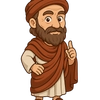
Hippocrates
An ancient Greek physician from the Age of Pericles…
Reads at Grades 6–8 Listens at Grades 4–8
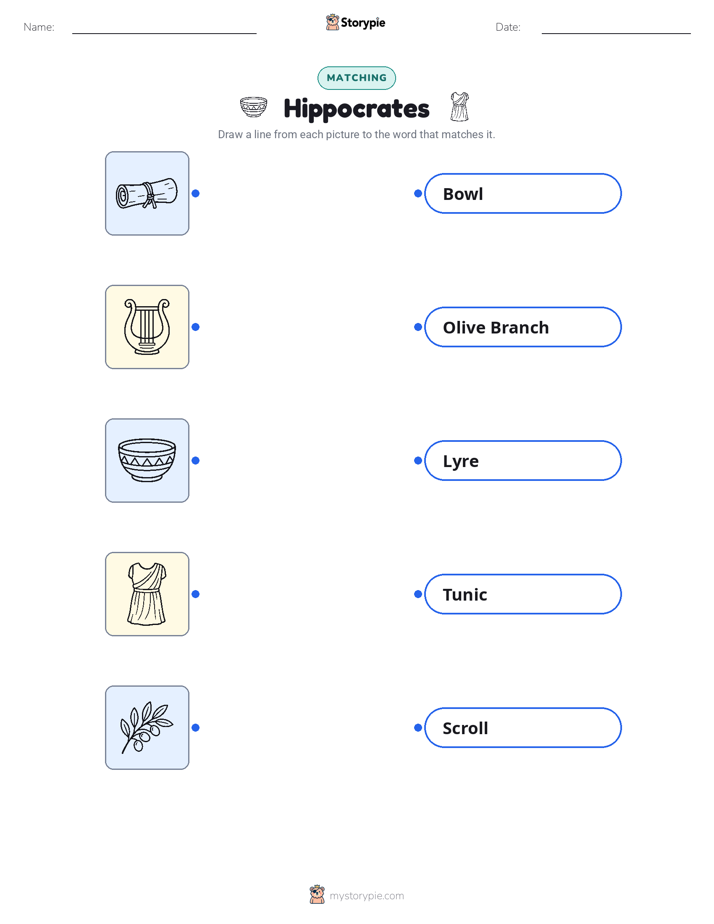
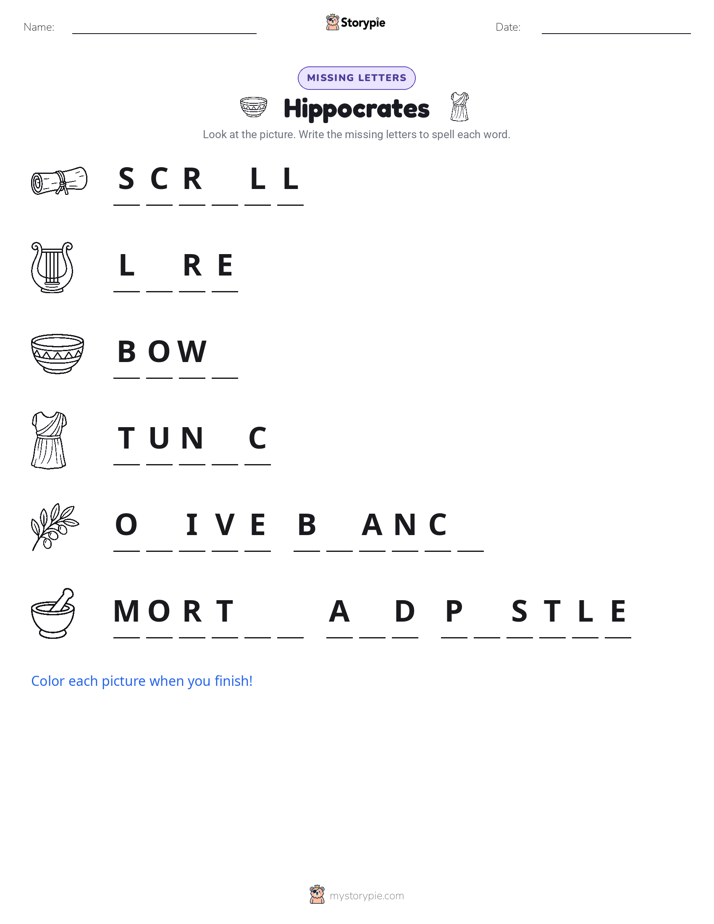
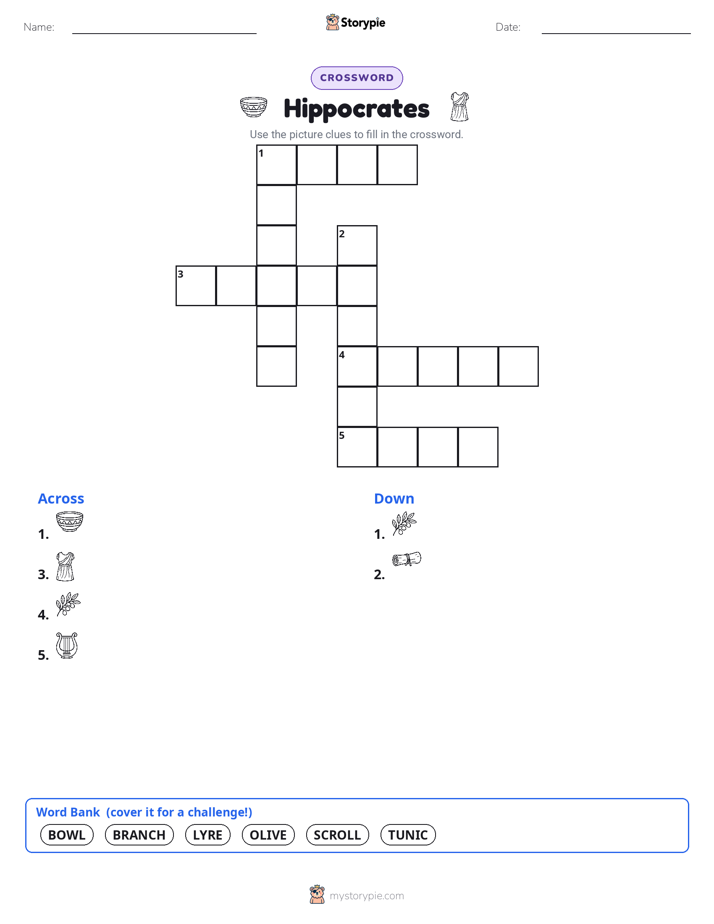
Print & create
Answer keys·No prep·Free with an account
28 worksheets · answer keys · full story · quiz · Ages 10-12 · CEFR B2
Plus adds 208,000+ more stories in 27 languages, audio for every one, and printables for all of them.
Just want Hippocrates?
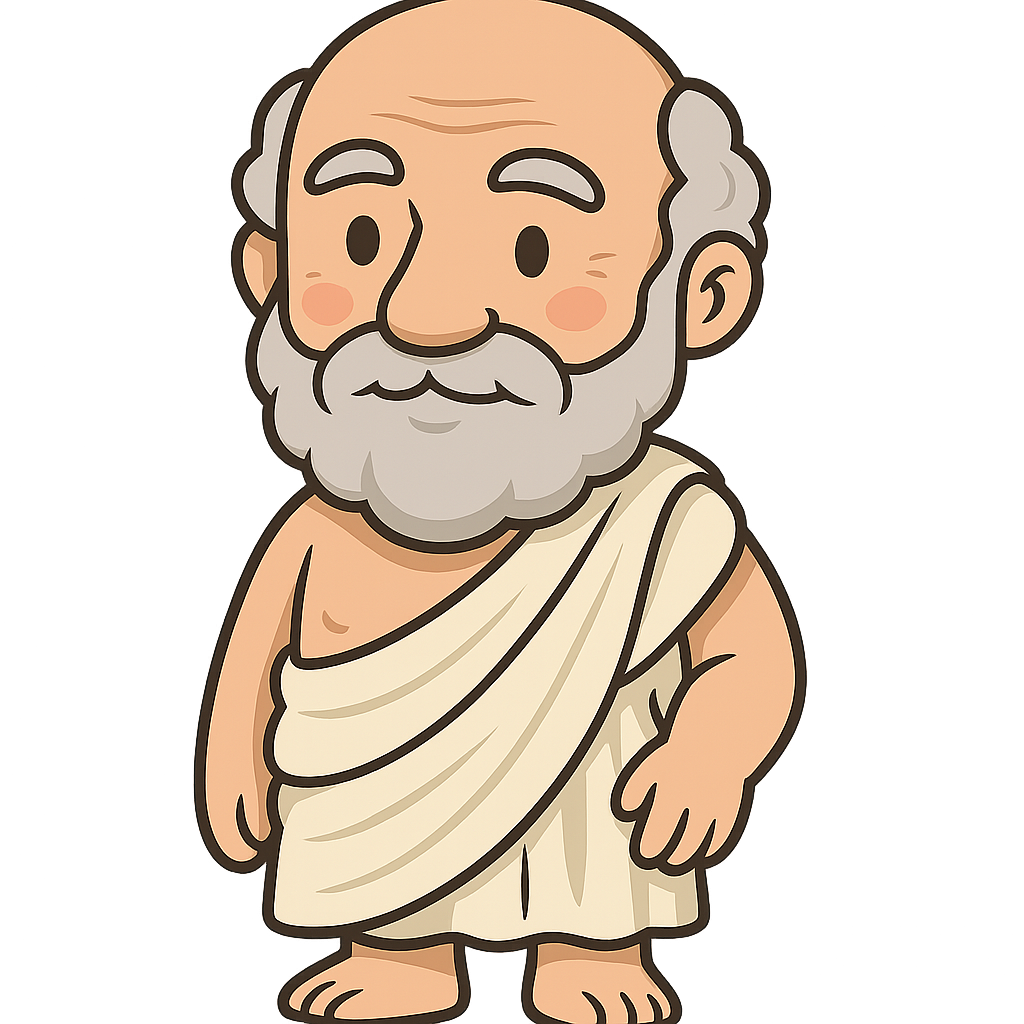
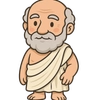
Hello, my name is Hippocrates, and I want to tell you the story of how I helped change the way we think about health and sickness. I was born around the year 460 BCE on a beautiful Greek island called Kos. The world was very different then, a place of myths and legends. My father, Heraclides, was a physician, and our family belonged to a group of healers known as the Asclepiads. From the time I was a young boy, I was surrounded by the practice of medicine. My father taught me everything he knew, showing me how to examine the human body and understand its workings. This early education was a gift, as it placed me on a path to ask questions that no one had dared to ask before.
In ancient Greece, most people believed that sickness was a punishment sent down from the gods. If you became ill, it was thought you had angered a powerful deity. But as I grew older and learned more from my father, this explanation didn't make sense to me. I began to form a new, revolutionary idea: that every illness has a natural cause. I believed that sickness wasn't about magic or divine anger, but about the world around us and the way our bodies function. To prove this, I started to do something that was very unusual at the time. I carefully observed my patients. I would sit with them, listen to their stories, and write down every detail about their symptoms and their environment. I looked for patterns, hoping to find a logical reason for their suffering.
Around the year 420 BCE, I decided to leave my home on Kos and travel. My journey took me across Greece and to other lands, which became my classroom. By visiting different places, I could see how a person's surroundings affected their health. I observed that people in swampy, wet areas suffered from different illnesses than those who lived in dry, mountainous regions. I studied how their diet and the climate they lived in played a role in their well-being. These travels were not just for my own learning. In every town and city I visited, I gathered students around me. I taught them my new methods, showing them how to look for natural causes and to think of medicine as a science based on observation and reason.
Hippocrates: The Father of Medicine
Hello, my name is Hippocrates, and I want to tell you the story of how I helped change the way we think about health and sickness. I was born around the year 460 BCE on a beautiful Greek island called Kos. The world was very different then, a place of myths and legends. My father, Heraclides, was a physician, and our family belonged to a group of healers known as the Asclepiads. From the time I was a young boy, I was surrounded by the practice of medicine. My father taught me everything he knew, showing me how to examine the human body and understand its workings. This early education was a gift, as it placed me on a path to ask questions that no one had dared to ask before.
In ancient Greece, most people believed that sickness was a punishment sent down from the gods. If you became ill, it was thought you had angered a powerful deity. But as I grew older and learned more from my father, this explanation didn't make sense to me. I began to form a new, revolutionary idea: that every illness has a natural cause. I believed that sickness wasn't about magic or divine anger, but about the world around us and the way our bodies function. To prove this, I started to do something that was very unusual at the time. I carefully observed my patients. I would sit with them, listen to their stories, and write down every detail about their symptoms and their environment. I looked for patterns, hoping to find a logical reason for their suffering.
Around the year 420 BCE, I decided to leave my home on Kos and travel. My journey took me across Greece and to other lands, which became my classroom. By visiting different places, I could see how a person's surroundings affected their health. I observed that people in swampy, wet areas suffered from different illnesses than those who lived in dry, mountainous regions. I studied how their diet and the climate they lived in played a role in their well-being. These travels were not just for my own learning. In every town and city I visited, I gathered students around me. I taught them my new methods, showing them how to look for natural causes and to think of medicine as a science based on observation and reason.
I knew that for my ideas to last, they couldn't just be spoken; they had to be written down for others to study. It was very important to me and my followers that we share our knowledge. Together, we began the enormous task of documenting everything we had learned. We wrote about diseases, symptoms, and the treatments we found effective. This effort resulted in a collection of around 60 medical texts. Over time, this collection became known as the Hippocratic Corpus. It was one of the very first libraries of medical knowledge in the world. Because of these writings, our scientific approach to medicine was preserved, allowing doctors for centuries after me to learn from our discoveries and build upon our work.
As I taught and healed, I came to believe that being a physician was more than just a job; it was a sacred duty with a great responsibility. To guide doctors in their work, I helped create a special promise, a set of ethical rules that we now call the Hippocratic Oath. The principles of this oath were simple but powerful. First, a doctor must always do what is best for the patient and use their skills to help, not to hurt. This is the famous idea to 'do no harm.' The oath also stated that a physician must respect a patient's privacy and live a life of high moral character. This promise has been a guiding light for doctors for thousands of years, reminding them of the trust and care they owe to every person they treat.
I lived a long life, to be about 90 years old, and my journey came to an end around 370 BCE. My greatest contribution was helping to separate medicine from superstition and magic, transforming it into a true science based on evidence. I am proud to be remembered as the 'Father of Medicine.' The principles of careful observation, logical reasoning, and strong ethics that I taught laid the foundation for the doctors who continue to heal and care for people all over the world today.
Wow facts
About
An ancient Greek physician from the Age of Pericles, who is considered the 'Father of Medicine' for his systematic and ethical approach to healing.
Take a Quiz
Question 1 of 5
Based on the story, what was Hippocrates' most revolutionary idea that changed medicine forever?
Explore next



Want to do even more?
Go beyond exploring. Unlock tools that turn every story into real learning.

Storypie Plus for families
Full stories, quizzes, and printables. Nights and car rides, sorted.
- Unlimited audio stories
- Create Mode: your child stars in the story
- Offline downloads
- Printable worksheets & coloring pages

Why Storypie for Schools
Students engaged. Prep in seconds. Evenings back to you.
- Worksheets & Quizzes
- Classroom Management
- Formative Assessment
- Custom Curriculum & Lesson Plans
- 27 Languages

Why Storypie for Homeschool
Curriculum done. They'll ask for more. Hours back in your day.
- Worksheet Generator
- First-Person Audio Stories
- Built-in Comprehension Quizzes
- Custom Curriculum & Lesson Plans
- Print & Go Activities