English

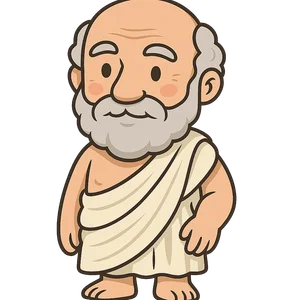
Hippocrates
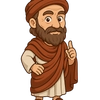
An ancient Greek physician from the Age of Pericles…
Reads at Grades 3–5 Listens at Grades 1–5
Print & create
Answer keys·No prep·Free with an account
28 worksheets · answer keys · full story · quiz · Ages 8-10 · CEFR B1
Plus adds 208,000+ more stories in 27 languages, audio for every one, and printables for all of them.
Just want Hippocrates?
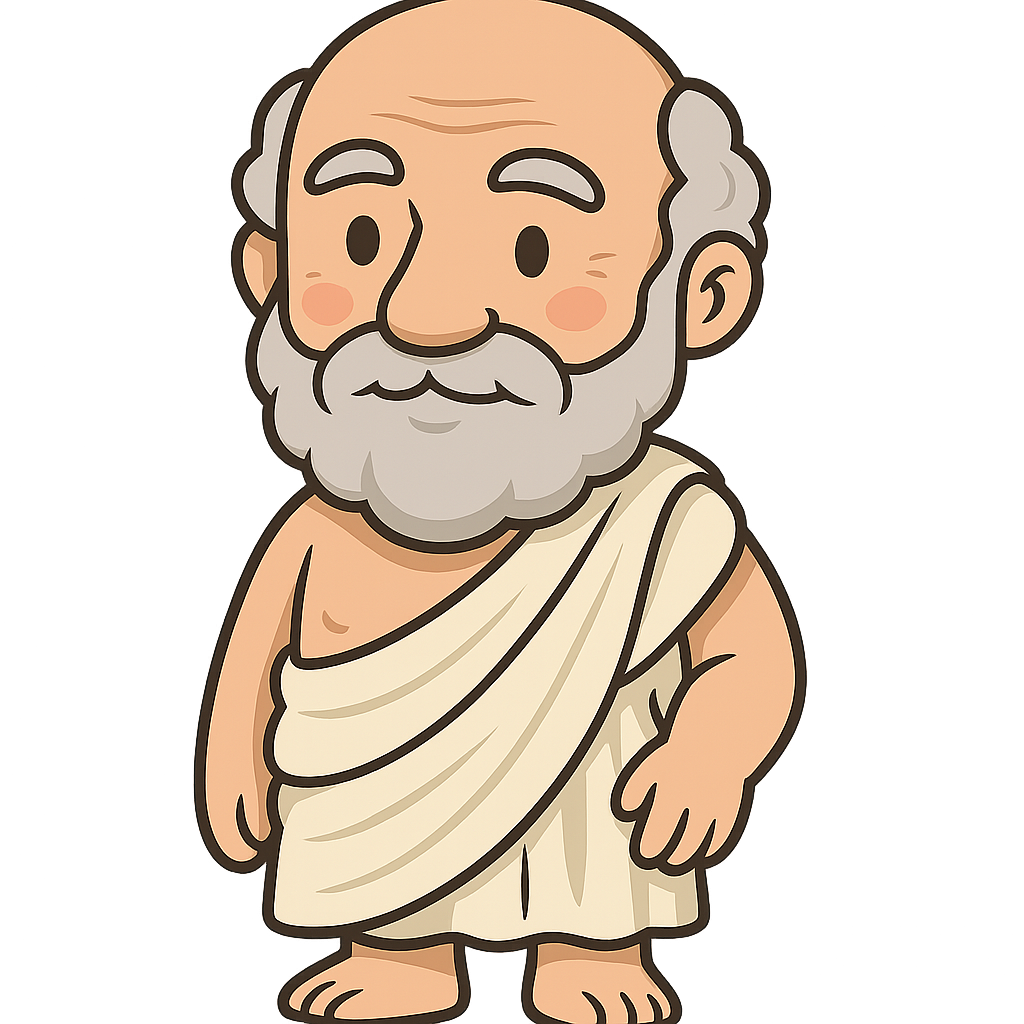
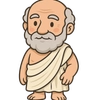
Hello! My name is Hippocrates. I was born on a sunny Greek island called Kos way back in the year 460 BCE. My father, Heraclides, was a doctor, and from the time I was a boy, I followed him and learned everything I could. In my time, most people believed that sickness was a punishment from the gods. If you got a fever, they might say you made the god Apollo angry! But I looked at the world differently. I wanted to understand how the body really worked.
I traveled all over Greece to meet people who were ill. Instead of just praying to the gods, I did something new: I watched, and I listened. I would ask my patients, 'What have you been eating? Where do you live? Are you feeling sad or worried?' I kept careful notes on everything and soon started to see patterns. I realized that what we eat, the air we breathe, and where we live can affect our health. I taught that every illness has a natural cause inside our bodies or in our environment, not a magical one. This was a huge idea that changed everything!
I believed that being a doctor was a very special job. It wasn't just about knowing things; it was about being a good person. I taught my students that a doctor must always promise to do their best for their patients. This promise became known as the Hippocratic Oath. It includes important rules, like working hard to help the sick, never giving anyone something that could hurt them on purpose, and keeping patients' secrets safe. It’s a promise to be kind, careful, and trustworthy. Even today, thousands of years later, doctors all over the world still make a similar promise when they begin their careers.
Hippocrates, the Father of Medicine
Hello! My name is Hippocrates. I was born on a sunny Greek island called Kos way back in the year 460 BCE. My father, Heraclides, was a doctor, and from the time I was a boy, I followed him and learned everything I could. In my time, most people believed that sickness was a punishment from the gods. If you got a fever, they might say you made the god Apollo angry! But I looked at the world differently. I wanted to understand how the body really worked.
I traveled all over Greece to meet people who were ill. Instead of just praying to the gods, I did something new: I watched, and I listened. I would ask my patients, 'What have you been eating? Where do you live? Are you feeling sad or worried?' I kept careful notes on everything and soon started to see patterns. I realized that what we eat, the air we breathe, and where we live can affect our health. I taught that every illness has a natural cause inside our bodies or in our environment, not a magical one. This was a huge idea that changed everything!
I believed that being a doctor was a very special job. It wasn't just about knowing things; it was about being a good person. I taught my students that a doctor must always promise to do their best for their patients. This promise became known as the Hippocratic Oath. It includes important rules, like working hard to help the sick, never giving anyone something that could hurt them on purpose, and keeping patients' secrets safe. It’s a promise to be kind, careful, and trustworthy. Even today, thousands of years later, doctors all over the world still make a similar promise when they begin their careers.
To share my ideas with as many people as possible, I started a medical school on my home island of Kos. Students came from all over to learn my methods of careful observation and gentle treatment. Together, my students and I wrote down our knowledge in a collection of about 60 books called the Hippocratic Corpus. These books covered everything from how to set a broken bone to what foods are healthy to eat. One of my favorite sayings was, 'Let food be thy medicine and medicine be thy food,' which means that eating well is a great way to stay healthy.
I lived a very long and full life, passing away around the year 370 BCE in a town called Larissa. I lived to be about 90 years old. Even though I lived so long ago, my ideas are still incredibly important. Because I was one of the first to look at medicine as a science, people today call me the 'Father of Medicine.' I am remembered for teaching the world that caring for people means using our brains to understand sickness and our hearts to be kind. My work helped begin the journey of modern medicine, which continues to help people all over the world.
Wow facts
About
An ancient Greek physician from the Age of Pericles, who is considered the 'Father of Medicine' for his systematic and ethical approach to healing.
Take a Quiz
Question 1 of 5
In Hippocrates's time, what did most people believe was the cause of sickness?
Explore next


Want to do even more?
Go beyond exploring. Unlock tools that turn every story into real learning.

Storypie Plus for families
Full stories, quizzes, and printables. Nights and car rides, sorted.
- Unlimited audio stories
- Create Mode: your child stars in the story
- Offline downloads
- Printable worksheets & coloring pages

Why Storypie for Schools
Students engaged. Prep in seconds. Evenings back to you.
- Worksheets & Quizzes
- Classroom Management
- Formative Assessment
- Custom Curriculum & Lesson Plans
- 27 Languages

Why Storypie for Homeschool
Curriculum done. They'll ask for more. Hours back in your day.
- Worksheet Generator
- First-Person Audio Stories
- Built-in Comprehension Quizzes
- Custom Curriculum & Lesson Plans
- Print & Go Activities