English


I. M. Pei
I.
Reads at Grades 3–5 Listens at Grades 1–5
Print & create
Answer keys·No prep·Free with an account
28 worksheets · answer keys · full story · quiz · Ages 8-10 · CEFR B1
Plus adds 164,000+ more stories in 27 languages, audio for every one, and printables for all of them.
Just want I. M. Pei?

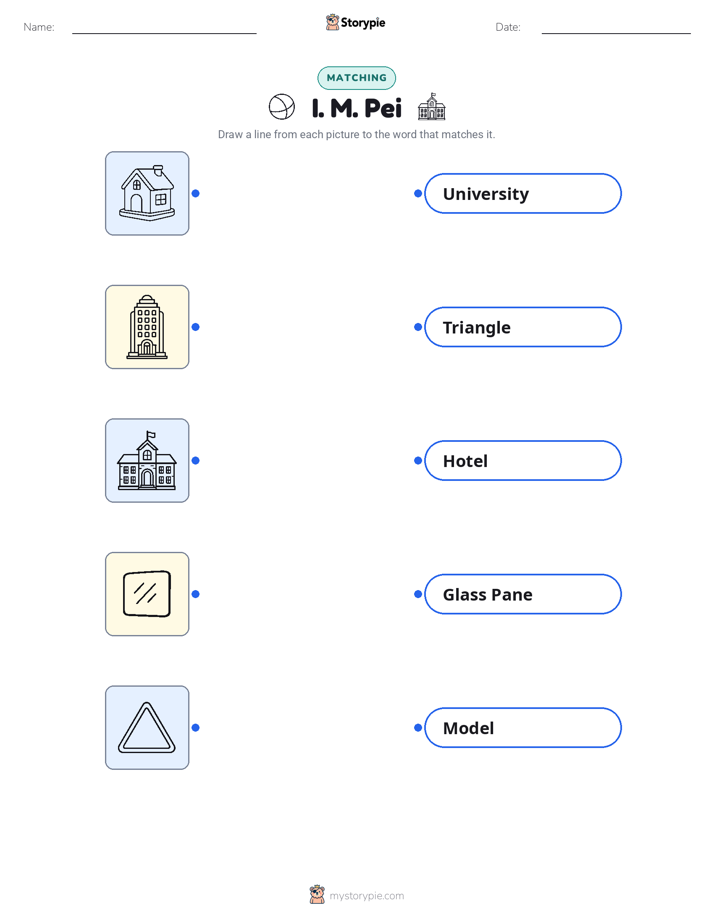
Hello, my name is Ieoh Ming Pei, but many people call me I. M. for short. I am an architect, which means I design buildings where people live, work, and learn. My story begins on April 26th, 1917, when I was born in Guangzhou, China. When I was a boy, I spent my holidays in a city called Suzhou, which was famous for its beautiful, traditional gardens. Walking through them, I learned how sunlight could play with shadows and how nature and buildings could work together in harmony. Around the year 1930, I saw something in the city of Shanghai that changed my life forever. A brand-new hotel, 25 stories tall, was being built. Watching that skyscraper rise into the air was so exciting, and it was then that I knew I wanted to spend my life creating amazing structures.
In 1935, when I was a teenager, I made a big journey across the ocean to America to study architecture. It was a whole new world for me. I went to a famous school called the Massachusetts Institute of Technology, or MIT, and later I studied at Harvard University. There, I learned from some of the greatest modern architects, including a man named Walter Gropius. He and others taught me about using simple, clean designs instead of fancy decorations. They believed that the beauty of a building came from its shape and the materials used to make it. I graduated with my master's degree in 1946, filled with these new ideas. A few years later, in 1954, I became a proud American citizen. The very next year, in 1955, I took a big step and started my own architecture company, ready to share my vision with the world.
I. M. Pei: A Life in Shapes and Light
Hello, my name is Ieoh Ming Pei, but many people call me I. M. for short. I am an architect, which means I design buildings where people live, work, and learn. My story begins on April 26th, 1917, when I was born in Guangzhou, China. When I was a boy, I spent my holidays in a city called Suzhou, which was famous for its beautiful, traditional gardens. Walking through them, I learned how sunlight could play with shadows and how nature and buildings could work together in harmony. Around the year 1930, I saw something in the city of Shanghai that changed my life forever. A brand-new hotel, 25 stories tall, was being built. Watching that skyscraper rise into the air was so exciting, and it was then that I knew I wanted to spend my life creating amazing structures.
In 1935, when I was a teenager, I made a big journey across the ocean to America to study architecture. It was a whole new world for me. I went to a famous school called the Massachusetts Institute of Technology, or MIT, and later I studied at Harvard University. There, I learned from some of the greatest modern architects, including a man named Walter Gropius. He and others taught me about using simple, clean designs instead of fancy decorations. They believed that the beauty of a building came from its shape and the materials used to make it. I graduated with my master's degree in 1946, filled with these new ideas. A few years later, in 1954, I became a proud American citizen. The very next year, in 1955, I took a big step and started my own architecture company, ready to share my vision with the world.
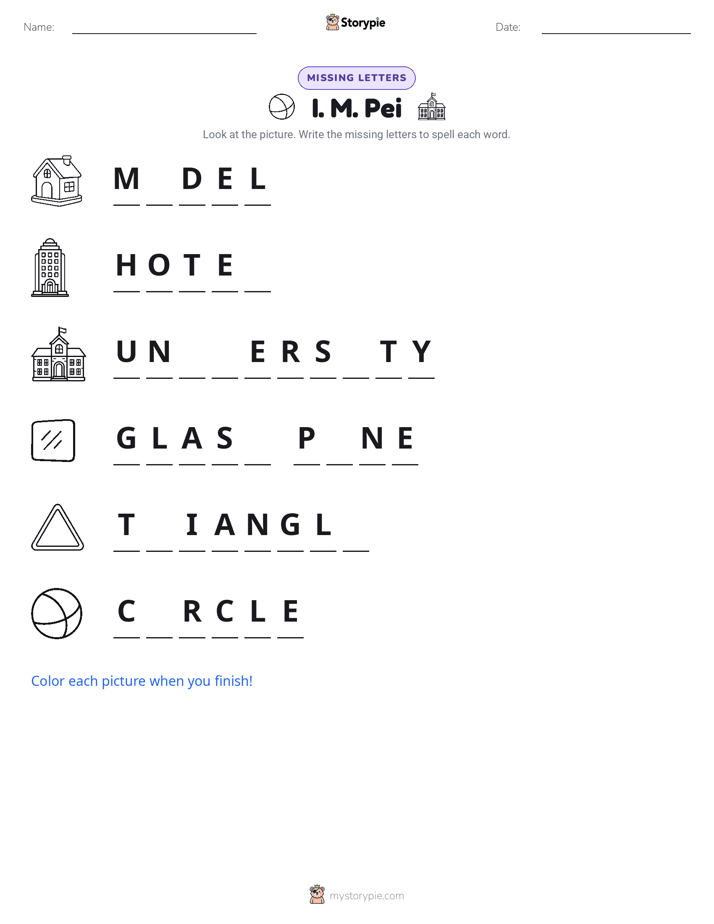
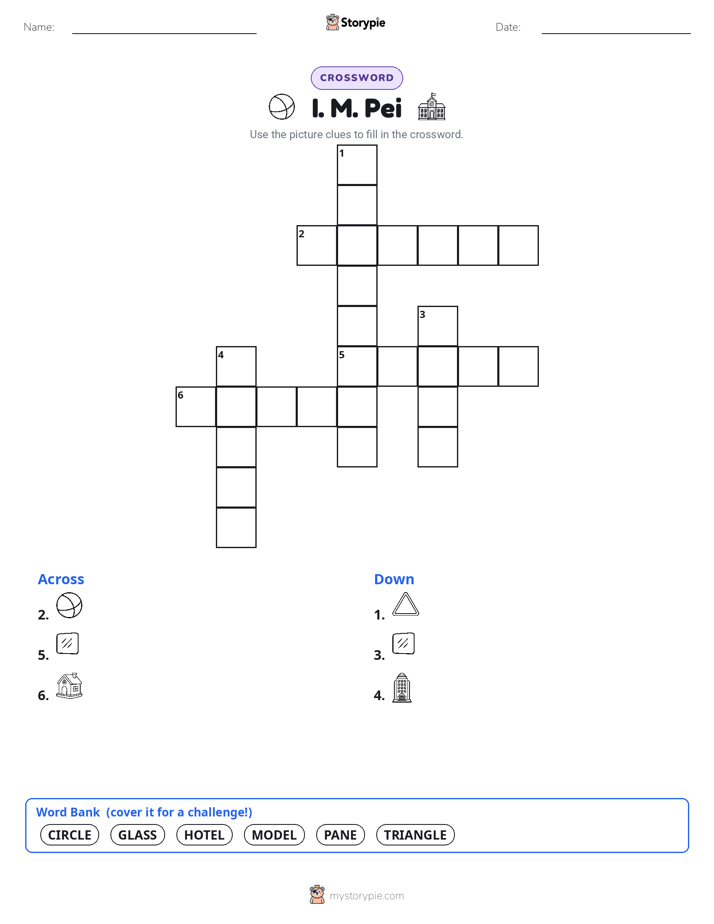
My style as an architect was all about using geometry and light. I loved to build with simple, strong shapes that everyone recognizes, like triangles, squares, and circles. I used modern materials like concrete, steel, and large panes of glass. With these, I could create buildings that felt both powerful and open, as if they were filled with sunlight. I wanted my buildings to be more than just places to be in; I wanted them to be works of art that people could experience. I was lucky to work on many important projects in America. One was the East Building of the National Gallery of Art in Washington, D.C., which opened in 1978. It was designed with two large triangles connected together. Another special project was the John F. Kennedy Presidential Library and Museum in Boston, which was dedicated in 1979 to honor a great American president. It combines a strong concrete tower with a beautiful glass pavilion that looks out over the water.
Perhaps my most famous project is one that caused a lot of discussion at first. In 1983, I was asked to design a new entrance for the Louvre Museum in Paris, France. The Louvre is one of the most famous art museums in the world, and it is housed in a grand, historic palace that was once home to kings. The museum needed a new, modern entrance that could welcome millions of visitors. My idea was bold: I designed a large pyramid made of glass and steel to be built right in the middle of the museum's main courtyard. Many people were shocked. They thought a modern glass pyramid did not belong with the classic old palace. But when the pyramid was finished in 1989, people saw how it brought sparkling sunlight down into the underground entrance hall. It quickly became a beloved symbol of Paris, mixing the old with the new.
I had a long career and was able to design buildings all over the world, from museums and libraries to skyscrapers and hospitals. I lived to be 102 years old. Today, my buildings continue to stand as places where people can gather, learn, and feel inspired. I hope that when you see them, you are reminded of the simple beauty in geometric shapes and the wonderful magic of light.
Wow facts
About
I. M. Pei was a renowned Chinese-American architect known for his modernist designs that combined geometric forms with traditional aesthetics. His most famous works include the Louvre Pyramid in Paris and the East Building of the National Gallery of Art in Washington, D.C.
Take a Quiz
Question 1 of 5
What year did I start my own architecture company?
Explore next





Want to do even more?
Go beyond exploring. Unlock tools that turn every story into real learning.

Storypie Plus for families
Full stories, quizzes, and printables. Nights and car rides, sorted.
- Unlimited audio stories
- Create Mode: your child stars in the story
- Offline downloads
- Printable worksheets & coloring pages

Why Storypie for Schools
Students engaged. Prep in seconds. Evenings back to you.
- Worksheets & Quizzes
- Classroom Management
- Formative Assessment
- Custom Curriculum & Lesson Plans
- 27 Languages

Why Storypie for Homeschool
Curriculum done. They'll ask for more. Hours back in your day.
- Worksheet Generator
- First-Person Audio Stories
- Built-in Comprehension Quizzes
- Custom Curriculum & Lesson Plans
- Print & Go Activities