English

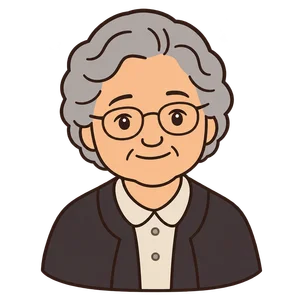
Irena Sendler
Irena Sendler was a Polish humanitarian, social worker…
Reads at Grades 6–8 Listens at Grades 4–8
Print & create
Answer keys·No prep·Free with an account
28 worksheets · answer keys · full story · quiz · Ages 10-12 · CEFR B2
Plus adds 290,000+ more stories in 27 languages, audio for every one, and printables for all of them.
Just want Irena Sendler?
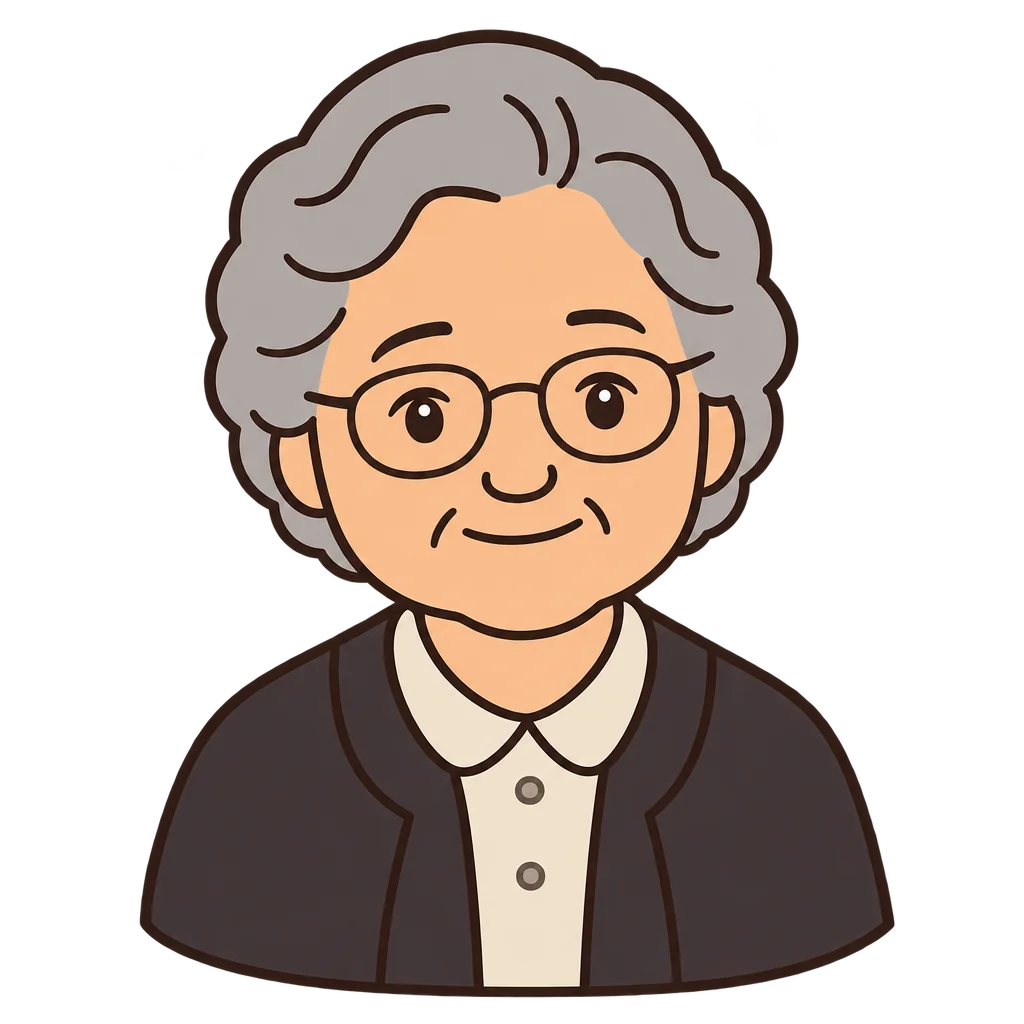
My name is Irena Sendler, and my story begins on February 15th, 1910, in Warsaw, Poland. My father, Stanisław, was a doctor, and he taught me one of the most important lessons of my life: to always help someone in need, no matter their religion or background. In our community, many people were poor, and my father spent much of his time caring for Jewish patients who couldn't afford medical care. He believed that everyone deserved compassion. Sadly, in 1917, he caught typhus from one of his patients and passed away. His selflessness left a permanent mark on me. I made a promise to myself that I would live my life according to his example, always extending a hand to those who needed it most.
I grew up and became a social worker in Warsaw, doing the work my father had inspired me to do. But in 1939, my world, and the world of everyone around me, was turned upside down. On September 1st, 1939, Germany invaded Poland, which marked the beginning of World War II. The city I loved changed before my eyes. In 1940, the invaders built a high wall around a section of Warsaw, creating what became known as the Warsaw Ghetto. All Jewish people were forced to move inside its walls, separated from the rest of the city. The conditions inside were terrible. Families were crowded into small spaces with very little food or medicine. Sickness and hunger were everywhere. Seeing this suffering from the outside, I knew I could not stand by and do nothing. My father’s lesson echoed in my mind, and I was determined to find a way to help.
Irena Sendler: Life in a Jar
My name is Irena Sendler, and my story begins on February 15th, 1910, in Warsaw, Poland. My father, Stanisław, was a doctor, and he taught me one of the most important lessons of my life: to always help someone in need, no matter their religion or background. In our community, many people were poor, and my father spent much of his time caring for Jewish patients who couldn't afford medical care. He believed that everyone deserved compassion. Sadly, in 1917, he caught typhus from one of his patients and passed away. His selflessness left a permanent mark on me. I made a promise to myself that I would live my life according to his example, always extending a hand to those who needed it most.
I grew up and became a social worker in Warsaw, doing the work my father had inspired me to do. But in 1939, my world, and the world of everyone around me, was turned upside down. On September 1st, 1939, Germany invaded Poland, which marked the beginning of World War II. The city I loved changed before my eyes. In 1940, the invaders built a high wall around a section of Warsaw, creating what became known as the Warsaw Ghetto. All Jewish people were forced to move inside its walls, separated from the rest of the city. The conditions inside were terrible. Families were crowded into small spaces with very little food or medicine. Sickness and hunger were everywhere. Seeing this suffering from the outside, I knew I could not stand by and do nothing. My father’s lesson echoed in my mind, and I was determined to find a way to help.
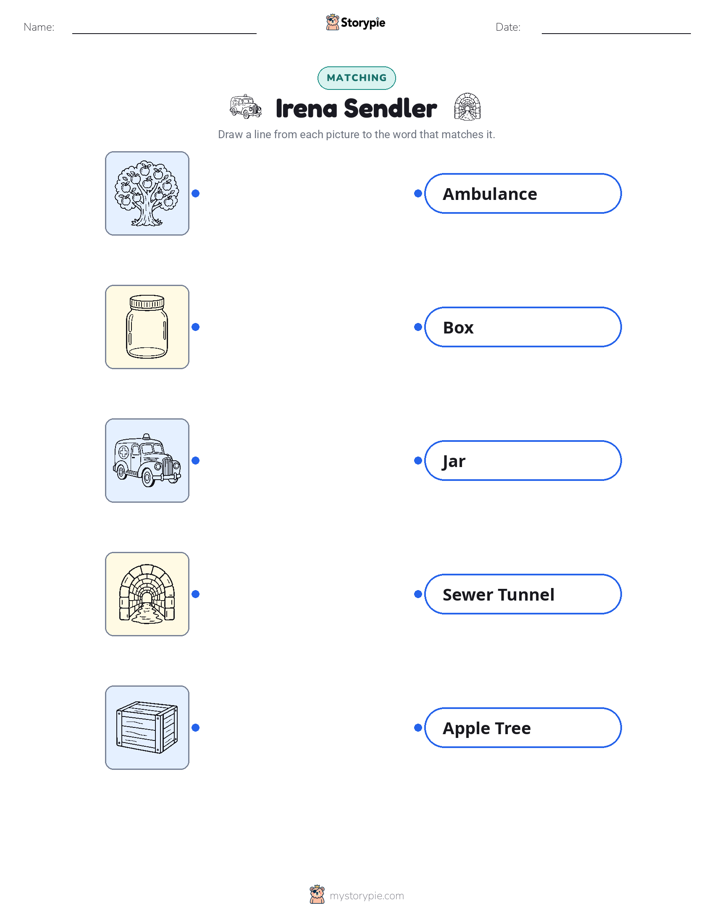
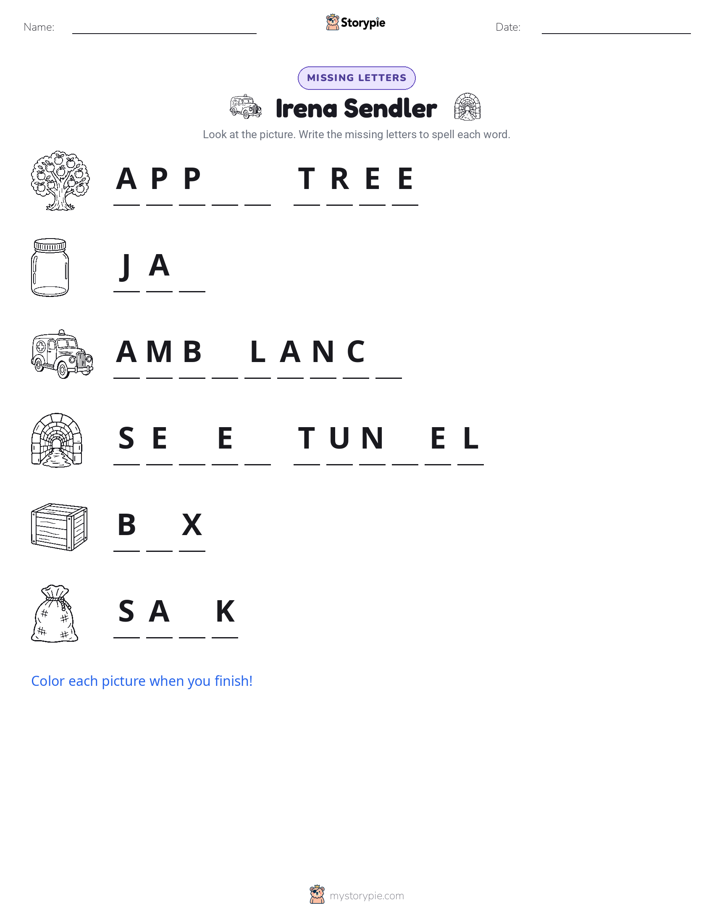
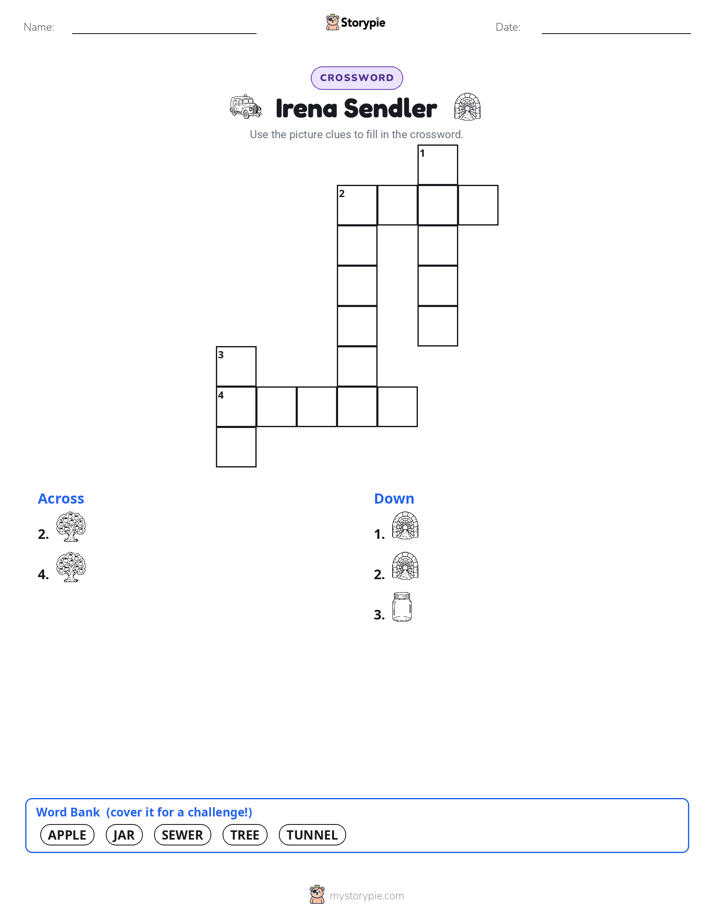
As a city social worker, I had an official pass that allowed me to enter the ghetto to inspect sanitary conditions. I used this pass as an opportunity to smuggle in food, medicine, and clothing. But I knew it wasn't enough. In 1942, I joined a secret Polish underground organization called Żegota. They trusted me with a very dangerous and important job: I was put in charge of the children's section, a special mission to rescue Jewish children from the ghetto. I gathered a small, secret network of brave friends to help me. We smuggled children to safety in the most creative and risky ways we could imagine. Some were hidden in ambulances, pretending to be sick. Others crawled through the city's dark sewer tunnels. We even tucked small children into boxes, sacks, and sometimes even coffins to get them past the guards. It was heartbreaking to see parents say goodbye to their children, but they did it out of a desperate hope that their children might survive, even if they could not.
With every child we rescued, I felt a heavy responsibility. It wasn't enough to just save their lives; I had to save their identities, too. Each child was given a new, Polish name and sent to live with a new family, in a convent, or in an orphanage. I knew that one day, when the war was over, they would want to know who they really were and where they came from. So, I created a secret list. On thin pieces of paper, I wrote down each child's original name and their family's name next to their new identity. I placed these precious lists inside glass jars. For safekeeping, I buried the jars under an apple tree in a friend's garden. On October 20th, 1943, I was arrested by the Gestapo, the secret police. They questioned me and hurt me, but I refused to tell them anything about the children or my network. Just before I was scheduled to be executed, my friends from Żegota bravely rescued me.
When the war finally ended in 1945, I went back to the garden and dug up the jars. My heart was heavy as I began the work of trying to find the children's parents. Sadly, most of them had not survived the war. For many years after, my story was not widely known. It was simply a quiet part of my past. Then, in the late 1990s, a group of high school students in America discovered my story while working on a history project. They wrote a play about me called “Life in a Jar,” and soon, the whole world learned what my friends and I had done. I lived a long and full life, to the age of 98. Today, I am remembered for helping to save around 2,500 children. My story is a reminder that even in the darkest of times, one person can light a candle of hope, and that we must always have the courage to do what is right.
Wow facts
About
Irena Sendler was a Polish humanitarian, social worker, and nurse who served in the Polish Underground Resistance during World War II. She is credited with saving approximately 2,500 Jewish children from the Warsaw Ghetto.
Take a Quiz
Question 1 of 5
Based on the story, what was Irena Sendler's primary motivation for risking her life to help others?
Explore next




Want to do even more?
Go beyond exploring. Unlock tools that turn every story into real learning.

Storypie Plus for families
Full stories, quizzes, and printables. Nights and car rides, sorted.
- Unlimited audio stories
- Create Mode: your child stars in the story
- Offline downloads
- Printable worksheets & coloring pages

Why Storypie for Schools
Students engaged. Prep in seconds. Evenings back to you.
- Worksheets & Quizzes
- Classroom Management
- Formative Assessment
- Custom Curriculum & Lesson Plans
- 27 Languages

Why Storypie for Homeschool
Curriculum done. They'll ask for more. Hours back in your day.
- Worksheet Generator
- First-Person Audio Stories
- Built-in Comprehension Quizzes
- Custom Curriculum & Lesson Plans
- Print & Go Activities