English

Irena Sendler
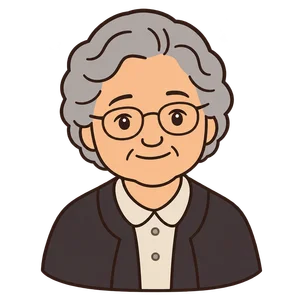
Irena Sendler was a Polish humanitarian, social worker…
Reads at Grades 3–5 Listens at Grades 1–5
Print & create
Answer keys·No prep·Free with an account
28 worksheets · answer keys · full story · quiz · Ages 8-10 · CEFR B1
Plus adds 290,000+ more stories in 27 languages, audio for every one, and printables for all of them.
Just want Irena Sendler?
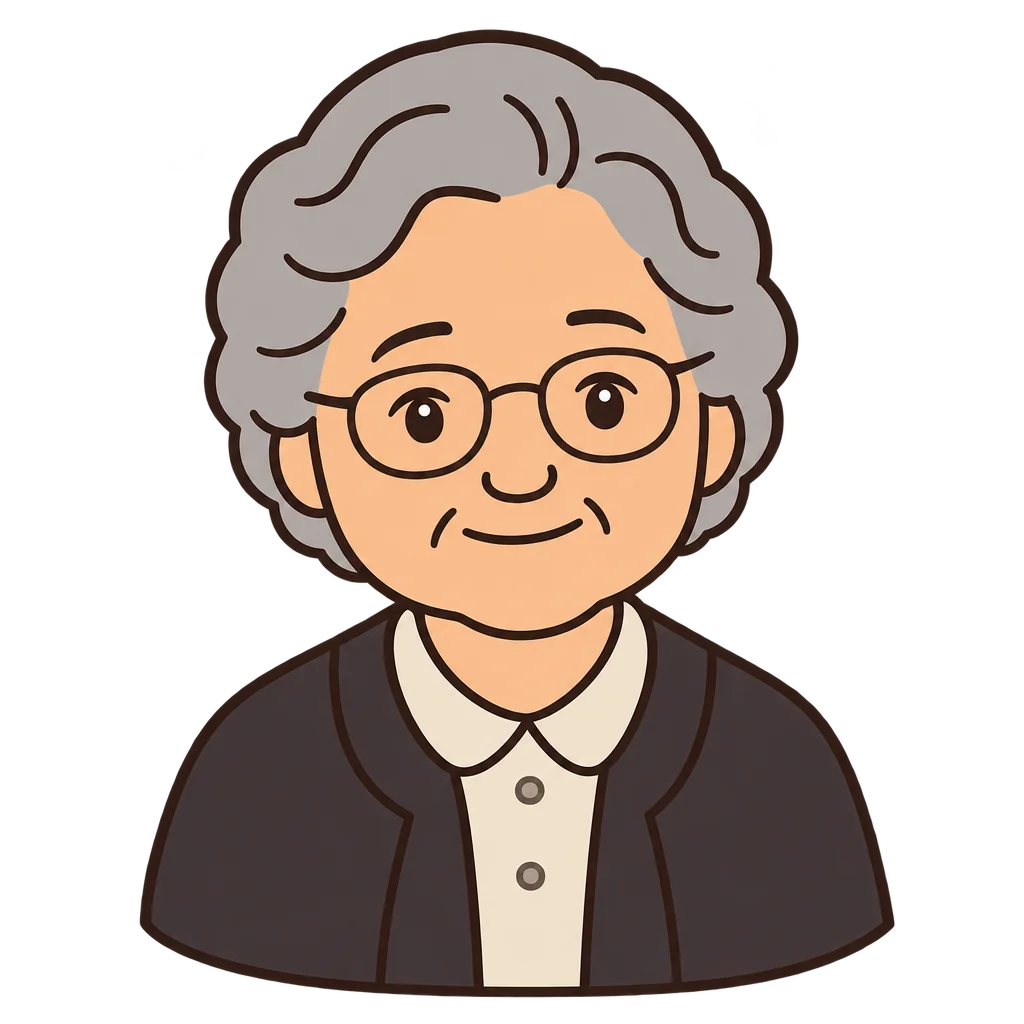
Hello, my name is Irena Sendler. My story begins in Warsaw, Poland, where I was born on February 15th, 1910. My father was a doctor, and he taught me one of the most important lessons of my life. He told me that I should always help people in need, no matter who they were or where they came from. His words stayed with me always, like a guiding star. They inspired me to become a social worker. In this job, I could spend my days helping families who were struggling and needed support. I wanted to live up to the promise I made to myself to follow my father's advice, and being a social worker felt like the perfect way to do that.
My life, and the lives of everyone in Poland, changed completely in 1939. That was the year World War II began, and German soldiers invaded my country. They created a place in my city called the Warsaw Ghetto. It was a small part of the city that was completely walled off, and Jewish people were forced to move there. They had to live in terrible, crowded conditions with very little food or medicine. Because I was a social worker, I had a special pass that allowed me to go inside the ghetto to check on people. What I saw there broke my heart. There were so many children who were hungry, cold, and sick. Looking into their sad eyes, I felt a strong feeling that I could not just stand by and do nothing. I knew I had to find a way to help them escape.
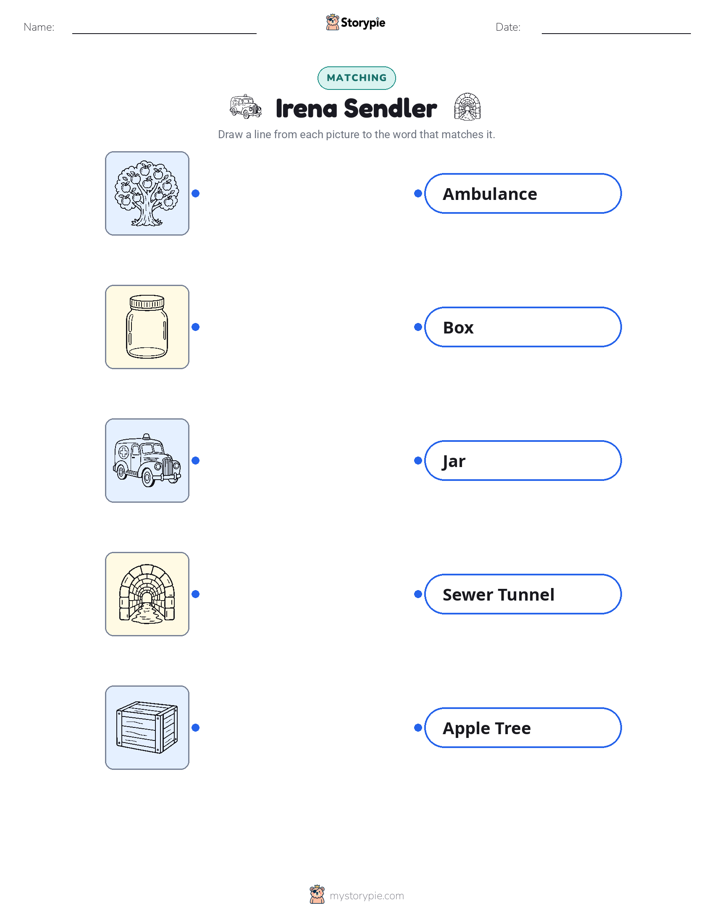
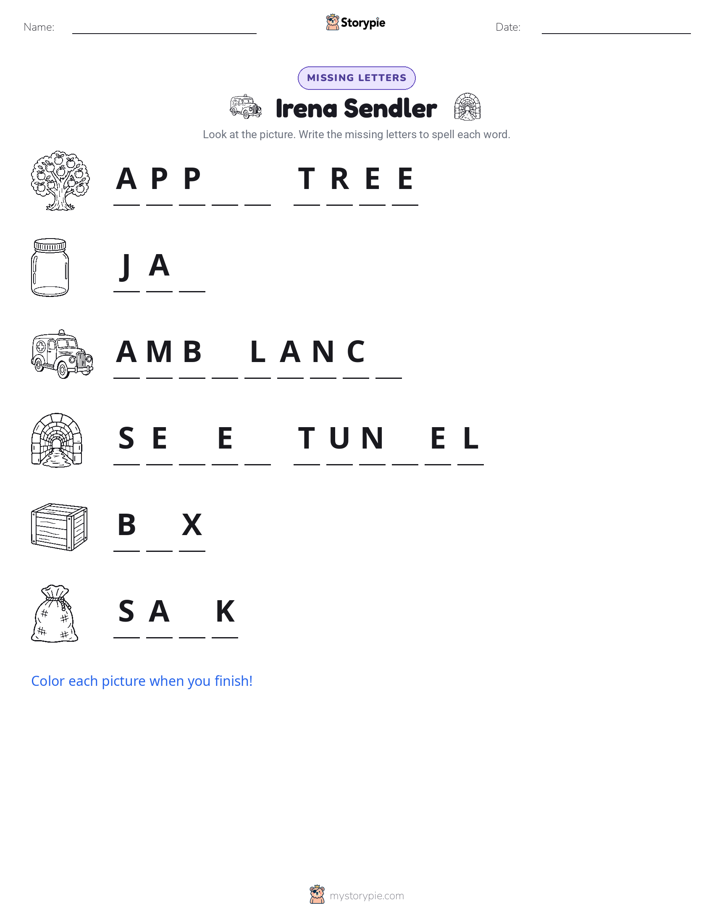
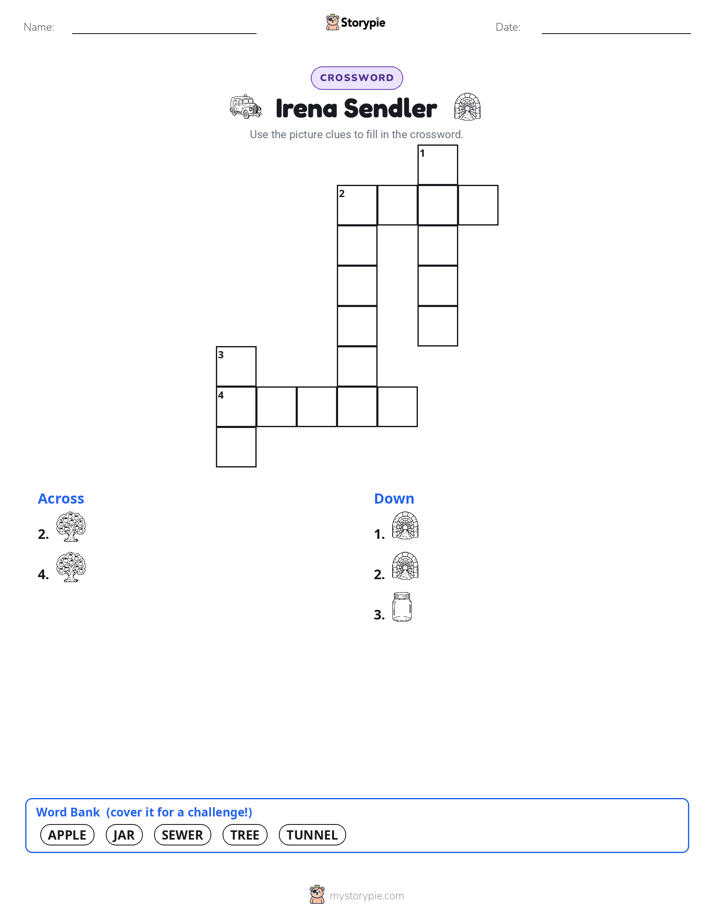
I knew I couldn't rescue the children alone, so I joined a secret group that was working against the invaders. It was a Polish resistance group called Żegota. Soon, I became the leader of a special team inside Żegota that was focused entirely on rescuing children. Our work had to be done in complete secret, and it was very dangerous. My friends and I came up with daring and creative ways to get the children out of the ghetto safely. Sometimes, a child would be hidden in the back of an ambulance, pretending to be very sick. Other times, we hid them in large boxes or sacks that were being transported out of the ghetto. We even used the city's dark, underground sewer tunnels as escape routes. Once a child was safely out, we gave them a new name and found a brave Polish family who would hide them and pretend the child was their own. It was a huge, secret mission, but every child we saved was worth the risk.
Irena Sendler: A Story of Courage
Hello, my name is Irena Sendler. My story begins in Warsaw, Poland, where I was born on February 15th, 1910. My father was a doctor, and he taught me one of the most important lessons of my life. He told me that I should always help people in need, no matter who they were or where they came from. His words stayed with me always, like a guiding star. They inspired me to become a social worker. In this job, I could spend my days helping families who were struggling and needed support. I wanted to live up to the promise I made to myself to follow my father's advice, and being a social worker felt like the perfect way to do that.
My life, and the lives of everyone in Poland, changed completely in 1939. That was the year World War II began, and German soldiers invaded my country. They created a place in my city called the Warsaw Ghetto. It was a small part of the city that was completely walled off, and Jewish people were forced to move there. They had to live in terrible, crowded conditions with very little food or medicine. Because I was a social worker, I had a special pass that allowed me to go inside the ghetto to check on people. What I saw there broke my heart. There were so many children who were hungry, cold, and sick. Looking into their sad eyes, I felt a strong feeling that I could not just stand by and do nothing. I knew I had to find a way to help them escape.
I knew I couldn't rescue the children alone, so I joined a secret group that was working against the invaders. It was a Polish resistance group called Żegota. Soon, I became the leader of a special team inside Żegota that was focused entirely on rescuing children. Our work had to be done in complete secret, and it was very dangerous. My friends and I came up with daring and creative ways to get the children out of the ghetto safely. Sometimes, a child would be hidden in the back of an ambulance, pretending to be very sick. Other times, we hid them in large boxes or sacks that were being transported out of the ghetto. We even used the city's dark, underground sewer tunnels as escape routes. Once a child was safely out, we gave them a new name and found a brave Polish family who would hide them and pretend the child was their own. It was a huge, secret mission, but every child we saved was worth the risk.
Saving the children was only the first step. I never wanted them to forget their real families or where they came from. So, I kept a secret list. For every child we rescued, I wrote down their real name and their new, hidden name on a tiny piece of paper. I collected all these slips of paper and put them inside glass jars for safekeeping. Then, I buried the jars deep in the ground under an apple tree in a friend’s garden, where I knew they would be safe. My work was very dangerous, and in 1943, I was arrested by soldiers. They hurt me and demanded to know my secrets, but I refused to tell them anything about the children or my friends. I was very fortunate because my friends in the resistance bravely organized my escape, and I was able to get away.
When the war finally ended, one of the first things I did was go back to that garden and dig up the jars full of names. My greatest hope was to use the lists to reunite the children with their parents and families. But sadly, I learned that most of their parents did not survive the war. For many years after that, my story and the work of my friends were not widely known. I lived a long life and was 98 years old when I passed away. Today, people around the world remember me and my brave network for saving the lives of about 2,500 children. My story is a reminder that even in the darkest of times, one person's kindness and courage can bring light and hope into the world.
Wow facts
About
Irena Sendler was a Polish humanitarian, social worker, and nurse who served in the Polish Underground Resistance during World War II. She is credited with saving approximately 2,500 Jewish children from the Warsaw Ghetto.
Take a Quiz
Question 1 of 5
Why did Irena decide to become a social worker?
Explore next




Want to do even more?
Go beyond exploring. Unlock tools that turn every story into real learning.

Storypie Plus for families
Full stories, quizzes, and printables. Nights and car rides, sorted.
- Unlimited audio stories
- Create Mode: your child stars in the story
- Offline downloads
- Printable worksheets & coloring pages

Why Storypie for Schools
Students engaged. Prep in seconds. Evenings back to you.
- Worksheets & Quizzes
- Classroom Management
- Formative Assessment
- Custom Curriculum & Lesson Plans
- 27 Languages

Why Storypie for Homeschool
Curriculum done. They'll ask for more. Hours back in your day.
- Worksheet Generator
- First-Person Audio Stories
- Built-in Comprehension Quizzes
- Custom Curriculum & Lesson Plans
- Print & Go Activities