English

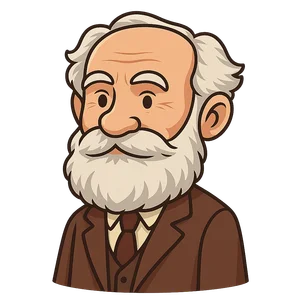
Ivan Pavlov
Ivan Pavlov was a Russian physiologist known for his groundbreaking research on digestion and the discovery…
Reads at Grades 3–5 Listens at Grades 1–5
Print & create
Answer keys·No prep·Free with an account
28 worksheets · answer keys · full story · quiz · Ages 8-10 · CEFR B1
Plus adds 244,000+ more stories in 27 languages, audio for every one, and printables for all of them.
Just want Ivan Pavlov?
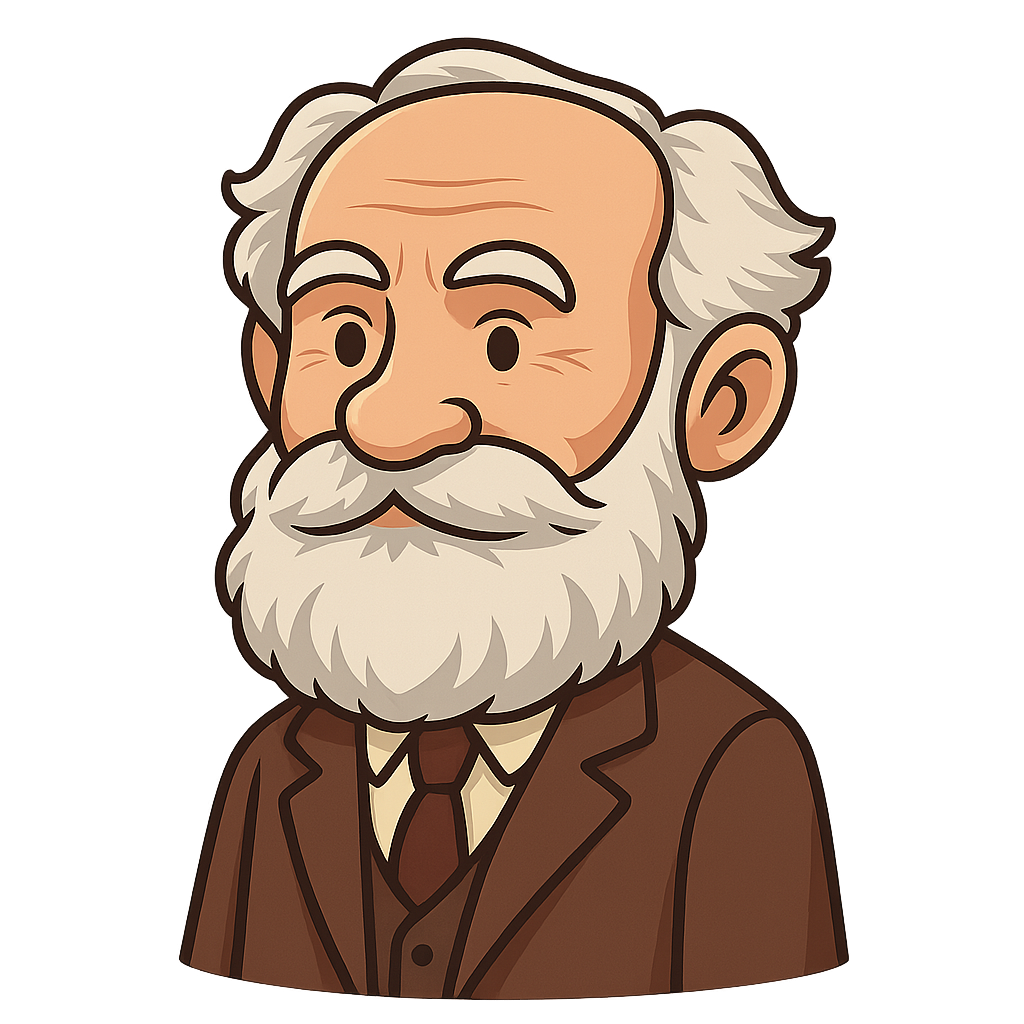
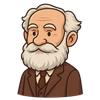
Hello! My name is Ivan Pavlov. I was born in a small town in Russia called Ryazan on September 26th, 1849. My father was a priest, and I was the oldest of his ten children. From a very young age, I was incredibly curious about everything around me. I loved spending my time reading books about science and nature, trying to understand how the world worked. While my father hoped I would follow in his footsteps, my passion was for science. In 1870, I made a big decision and traveled to the University of Saint Petersburg to study animals and the human body. I wanted to uncover the secrets of how living things functioned.
After finishing my studies, I became a physiologist, which is a scientist who studies how bodies work. I was especially fascinated by digestion. I wondered, how does a simple piece of bread turn into the energy your body needs to run and play? To find the answer, I set up a laboratory to study the stomachs of dogs. I wanted to see exactly how their bodies created special juices to break down food. It was very careful and detailed work. My research was so important that in 1904, I was awarded a very special honor: the Nobel Prize in Physiology or Medicine. I felt so proud that my hard work and curiosity were recognized by scientists all over the world.
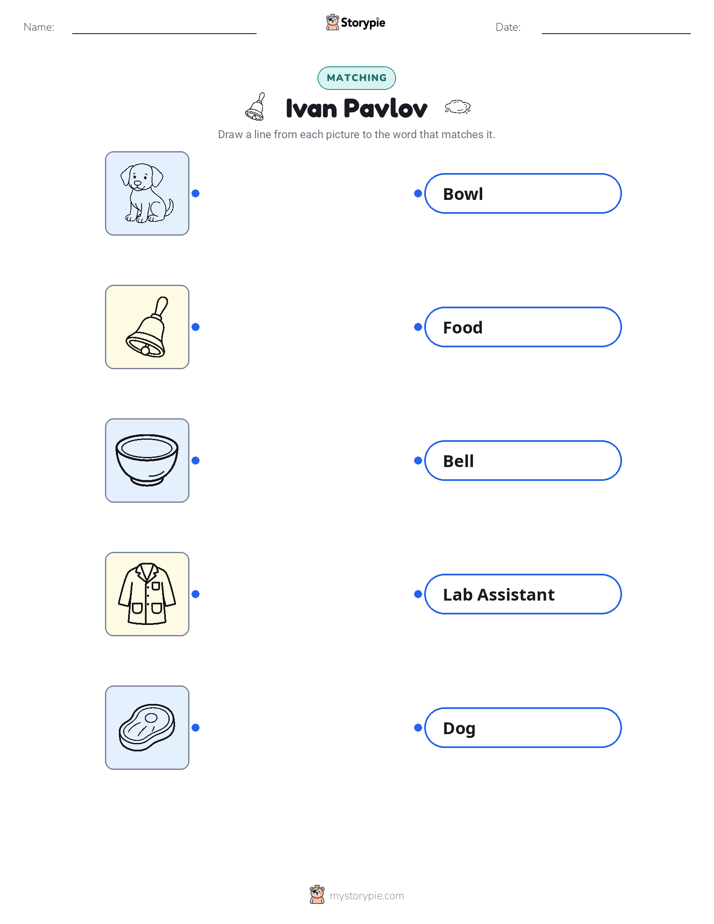
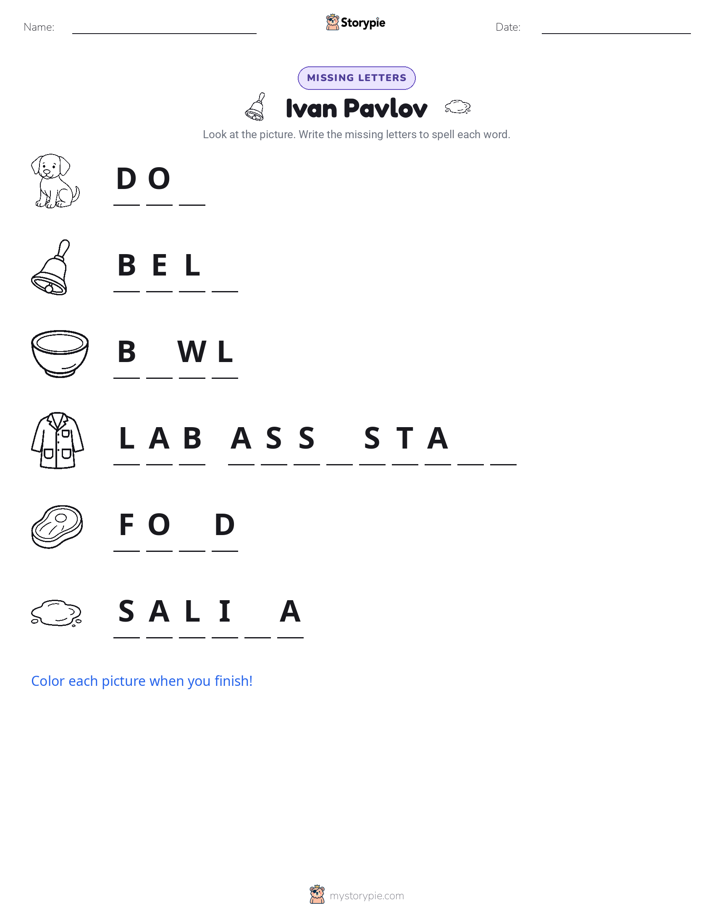
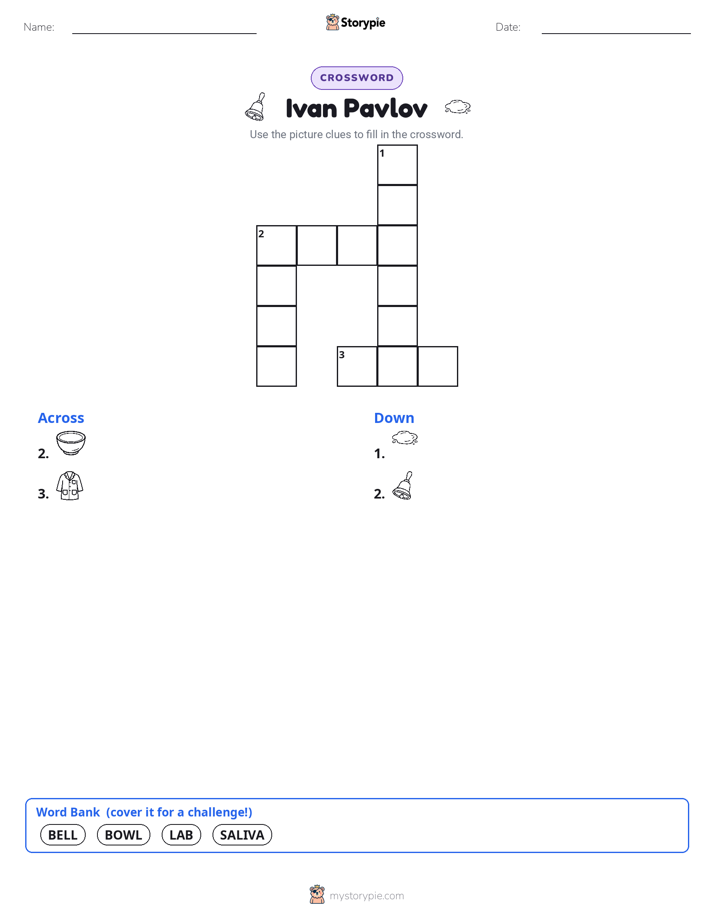
While I was busy with my digestion studies, I started to notice something peculiar. The dogs in my lab would begin to drool before their food even arrived. Just the sound of my assistant's footsteps coming down the hall was enough to make their mouths water. This sparked a new question in my mind: were the dogs *learning* to expect their meal? I decided to design an experiment to test this new idea. I began ringing a bell just a moment before I gave the dogs their food. At first, the bell was just a noise and didn't mean anything to them. But after doing this over and over again, something amazing happened. I could ring the bell without bringing any food, and the dogs would start to drool. They had learned to connect the sound of the bell with getting a meal. I called this a 'conditioned reflex.'
Ivan Pavlov: The Story of a Bell and a Curious Mind
Hello! My name is Ivan Pavlov. I was born in a small town in Russia called Ryazan on September 26th, 1849. My father was a priest, and I was the oldest of his ten children. From a very young age, I was incredibly curious about everything around me. I loved spending my time reading books about science and nature, trying to understand how the world worked. While my father hoped I would follow in his footsteps, my passion was for science. In 1870, I made a big decision and traveled to the University of Saint Petersburg to study animals and the human body. I wanted to uncover the secrets of how living things functioned.
After finishing my studies, I became a physiologist, which is a scientist who studies how bodies work. I was especially fascinated by digestion. I wondered, how does a simple piece of bread turn into the energy your body needs to run and play? To find the answer, I set up a laboratory to study the stomachs of dogs. I wanted to see exactly how their bodies created special juices to break down food. It was very careful and detailed work. My research was so important that in 1904, I was awarded a very special honor: the Nobel Prize in Physiology or Medicine. I felt so proud that my hard work and curiosity were recognized by scientists all over the world.
While I was busy with my digestion studies, I started to notice something peculiar. The dogs in my lab would begin to drool before their food even arrived. Just the sound of my assistant's footsteps coming down the hall was enough to make their mouths water. This sparked a new question in my mind: were the dogs learning to expect their meal? I decided to design an experiment to test this new idea. I began ringing a bell just a moment before I gave the dogs their food. At first, the bell was just a noise and didn't mean anything to them. But after doing this over and over again, something amazing happened. I could ring the bell without bringing any food, and the dogs would start to drool. They had learned to connect the sound of the bell with getting a meal. I called this a 'conditioned reflex.'
My discovery of the conditioned reflex showed that our brains are always making connections between things in the world, sometimes without us even realizing it. This idea, which is now called 'classical conditioning,' completely changed how scientists understood learning in both animals and people. I spent the rest of my career exploring these amazing ideas. I lived a long and fascinating life full of science and discovery and was 86 years old when I passed away in 1936. Today, people remember me for my curious dogs and the bell, and my work continues to help us understand the incredible ways our brains learn new things every single day.
Wow facts
About
Ivan Pavlov was a Russian physiologist known for his groundbreaking research on digestion and the discovery of classical conditioning, for which he won the Nobel Prize in Physiology or Medicine in 1904.
Take a Quiz
Question 1 of 5
What prestigious prize was Ivan Pavlov awarded in 1904 for his work on digestion?
Explore next






Want to do even more?
Go beyond exploring. Unlock tools that turn every story into real learning.

Storypie Plus for families
Full stories, quizzes, and printables. Nights and car rides, sorted.
- Unlimited audio stories
- Create Mode: your child stars in the story
- Offline downloads
- Printable worksheets & coloring pages

Why Storypie for Schools
Students engaged. Prep in seconds. Evenings back to you.
- Worksheets & Quizzes
- Classroom Management
- Formative Assessment
- Custom Curriculum & Lesson Plans
- 27 Languages

Why Storypie for Homeschool
Curriculum done. They'll ask for more. Hours back in your day.
- Worksheet Generator
- First-Person Audio Stories
- Built-in Comprehension Quizzes
- Custom Curriculum & Lesson Plans
- Print & Go Activities