English

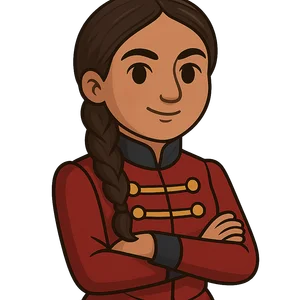
Juana Azurduy
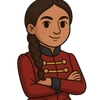
Juana Azurduy de Padilla was a South American guerrilla military leader who fought for independence from…
Reads at Grades 6–8 Listens at Grades 4–8
Print & create
Answer keys·No prep·Free with an account
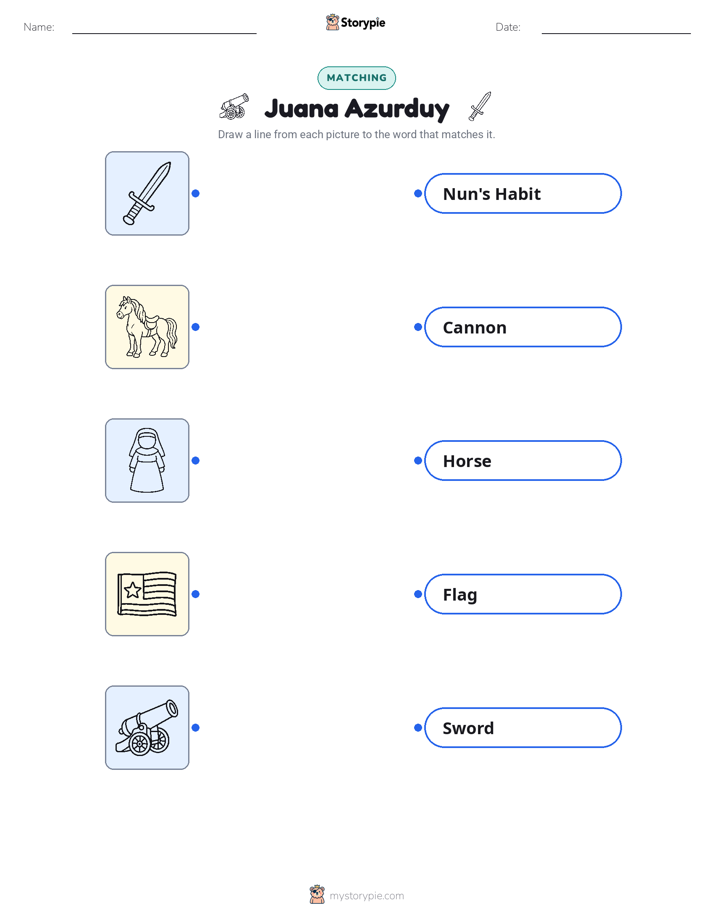
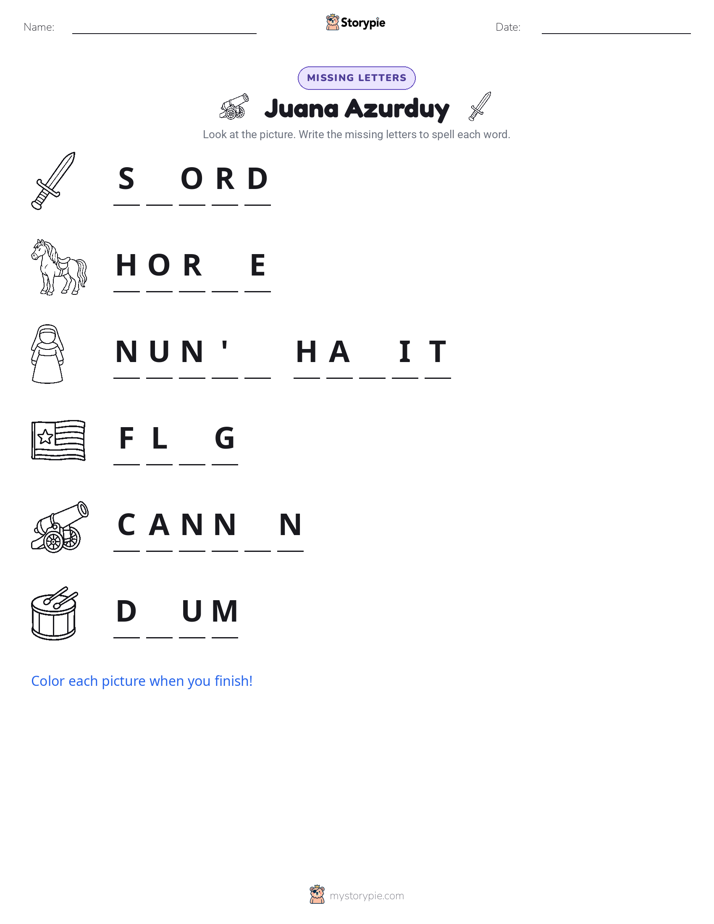
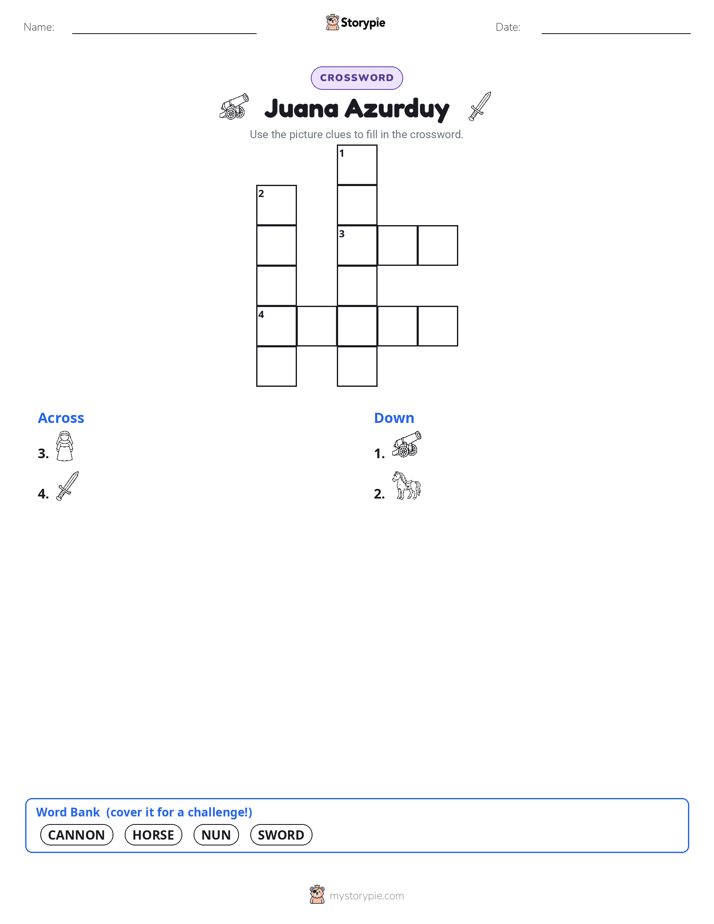
28 worksheets · answer keys · full story · quiz · Ages 10-12 · CEFR B2
Plus adds 164,000+ more stories in 27 languages, audio for every one, and printables for all of them.
Just want Juana Azurduy?
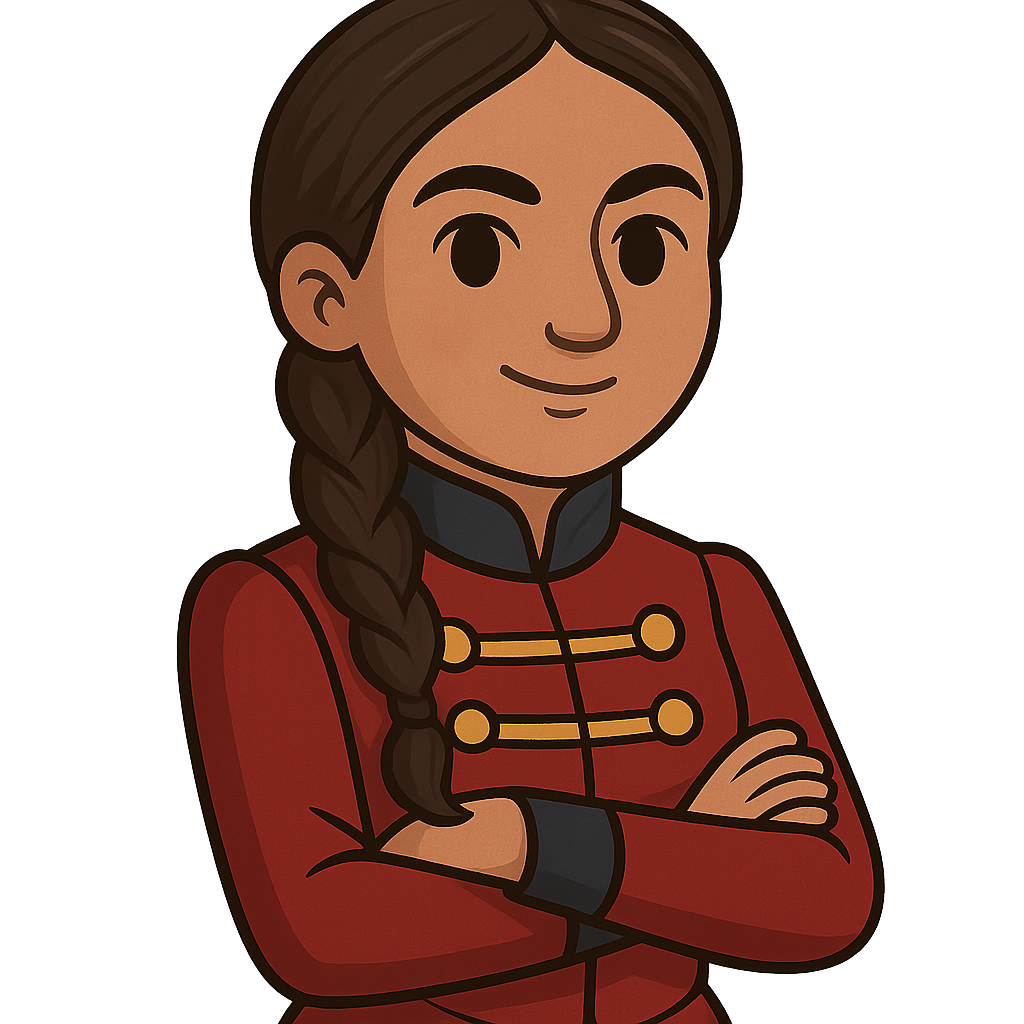
Hello, my name is Juana Azurduy, and I am a soldier who fought for the freedom of my homeland. My story begins on July 12th, 1780, in a territory that would one day become the nation of Bolivia. I was born into a world of two cultures. My father was a Spanish man, and my mother was an Indigenous woman. Because of this, I grew up speaking both the Spanish of the colonizers and the local Quechua language of my mother’s people. This gave me a unique understanding of the world I lived in. From a young age, I was not like the other girls. While they focused on household tasks, I felt a pull toward the open fields and the thrill of adventure. I loved riding horses until the wind whipped through my hair, and I insisted on learning how to use a sword, training to be strong and quick. My spirit was too wild for the quiet, structured life expected of women. Around the year 1795, I was sent to a convent to become a nun. The life there was one of prayer and silent obedience, which did not suit me at all. My independent nature and rebellious heart were too much for the convent, and in 1797, I was asked to leave. I knew then that my path was meant to be different.
The land I called home was not truly our own. For centuries, Spain had ruled over vast parts of South America, and its power was felt in every town and village. But a feeling of change was stirring among the people. We dreamed of a future where we could govern ourselves. In 1805, I married a man who shared this dream, Manuel Ascencio Padilla. He was not only my husband but my partner in the great struggle that was to come. Our lives, and the lives of everyone around us, were forever changed on May 25th, 1809. On that day, the Chuquisaca Revolution erupted. It was a bold declaration against Spanish authority and served as a spark that ignited the flames of rebellion across the continent. Manuel and I watched as the desire for independence grew into a powerful movement. We knew we could not stand by and do nothing. We made the decision to join the patriot armies, dedicating our lives to the cause of freedom. We were prepared to face any danger and make any sacrifice to see our homeland free from foreign rule.
Juana Azurduy: A Fight for Freedom
Hello, my name is Juana Azurduy, and I am a soldier who fought for the freedom of my homeland. My story begins on July 12th, 1780, in a territory that would one day become the nation of Bolivia. I was born into a world of two cultures. My father was a Spanish man, and my mother was an Indigenous woman. Because of this, I grew up speaking both the Spanish of the colonizers and the local Quechua language of my mother’s people. This gave me a unique understanding of the world I lived in. From a young age, I was not like the other girls. While they focused on household tasks, I felt a pull toward the open fields and the thrill of adventure. I loved riding horses until the wind whipped through my hair, and I insisted on learning how to use a sword, training to be strong and quick. My spirit was too wild for the quiet, structured life expected of women. Around the year 1795, I was sent to a convent to become a nun. The life there was one of prayer and silent obedience, which did not suit me at all. My independent nature and rebellious heart were too much for the convent, and in 1797, I was asked to leave. I knew then that my path was meant to be different.
The land I called home was not truly our own. For centuries, Spain had ruled over vast parts of South America, and its power was felt in every town and village. But a feeling of change was stirring among the people. We dreamed of a future where we could govern ourselves. In 1805, I married a man who shared this dream, Manuel Ascencio Padilla. He was not only my husband but my partner in the great struggle that was to come. Our lives, and the lives of everyone around us, were forever changed on May 25th, 1809. On that day, the Chuquisaca Revolution erupted. It was a bold declaration against Spanish authority and served as a spark that ignited the flames of rebellion across the continent. Manuel and I watched as the desire for independence grew into a powerful movement. We knew we could not stand by and do nothing. We made the decision to join the patriot armies, dedicating our lives to the cause of freedom. We were prepared to face any danger and make any sacrifice to see our homeland free from foreign rule.
Joining the army was not enough for me; I was destined to lead. I refused to be just another soldier following commands. Instead, I organized and commanded my own battalion of fighters. I was proud that my group included many brave women, who we called the Amazons, fighting with just as much skill and courage as the men. The war for independence demanded unimaginable sacrifices. The greatest of these for me was personal and heartbreaking. While fighting for our country's future, I lost my four young sons, not to battle, but to illness that spread through our camps. The grief was immense, but it fueled my determination to create a better world for all children. The year 1816 was a turning point, marked by both great hardship and incredible victories. My soldiers and I led a daring charge to capture the Cerro Rico of Potosí, a mountain famous for its vast silver resources, which we took from the Spanish. Later that year, during the Battle of La Laguna, I personally charged into the heart of the enemy lines and seized the Spanish flag, a powerful symbol of our victory. For this act of incredible bravery, the renowned General Manuel Belgrano honored me by promoting me to the rank of Lieutenant Colonel in the patriot army.
My journey was filled with as much sorrow as it was with triumph. In September of 1816, just as we were celebrating our victories, my beloved husband Manuel was killed in battle. I was devastated by the loss of my partner and friend, and at the time, I was expecting our fifth child, a daughter. Though my heart was broken, I knew the fight was not over. I had to carry on for the free future Manuel and I had both envisioned. After years of relentless struggle, the wars for independence finally ended, and our lands were free. But peace did not bring me comfort. I found myself living in poverty, having given everything I had to the cause. In 1825, I received a visit from the great liberator himself, Simón Bolívar. He had heard stories of my bravery but was shocked to see the conditions I was living in. To honor my immense contribution to the fight for freedom, he promoted me to the rank of Colonel and granted me a pension to support me in my later years. It was a moment of recognition for a lifetime of sacrifice.
I lived a long and eventful life, reaching the age of 81 years old. My time on this earth came to an end on May 25th, 1862, the very same date as the revolution that started my journey as a freedom fighter. For many years after I was gone, my story and my contributions were nearly forgotten by the countries I helped to liberate. But history has a way of remembering its heroes. Eventually, people began to speak my name again, recognizing the sacrifices my family and I made. Today, I am honored as a national hero in both Bolivia and Argentina. Long after my life ended, I was awarded the highest military ranks, named a General in the Argentine Army and a Marshal of Bolivia. I hope my story serves as a reminder to you that courage is not defined by gender, and that anyone with a fighting spirit can become a leader and change the world for the better.
Wow facts
About
Juana Azurduy de Padilla was a South American guerrilla military leader who fought for independence from Spain during the early 19th century. She is celebrated as a national hero in both Bolivia and Argentina.
Take a Quiz
Question 1 of 5
What is the main lesson or theme of Juana Azurduy's story?
Explore next


Want to do even more?
Go beyond exploring. Unlock tools that turn every story into real learning.

Storypie Plus for families
Full stories, quizzes, and printables. Nights and car rides, sorted.
- Unlimited audio stories
- Create Mode: your child stars in the story
- Offline downloads
- Printable worksheets & coloring pages

Why Storypie for Schools
Students engaged. Prep in seconds. Evenings back to you.
- Worksheets & Quizzes
- Classroom Management
- Formative Assessment
- Custom Curriculum & Lesson Plans
- 27 Languages

Why Storypie for Homeschool
Curriculum done. They'll ask for more. Hours back in your day.
- Worksheet Generator
- First-Person Audio Stories
- Built-in Comprehension Quizzes
- Custom Curriculum & Lesson Plans
- Print & Go Activities