English

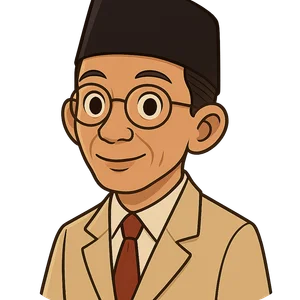
Ki Hajar Dewantara
An Indonesian independence activist, writer…
Reads at Grades 6–8 Listens at Grades 4–8
Print & create
Answer keys·No prep·Free with an account
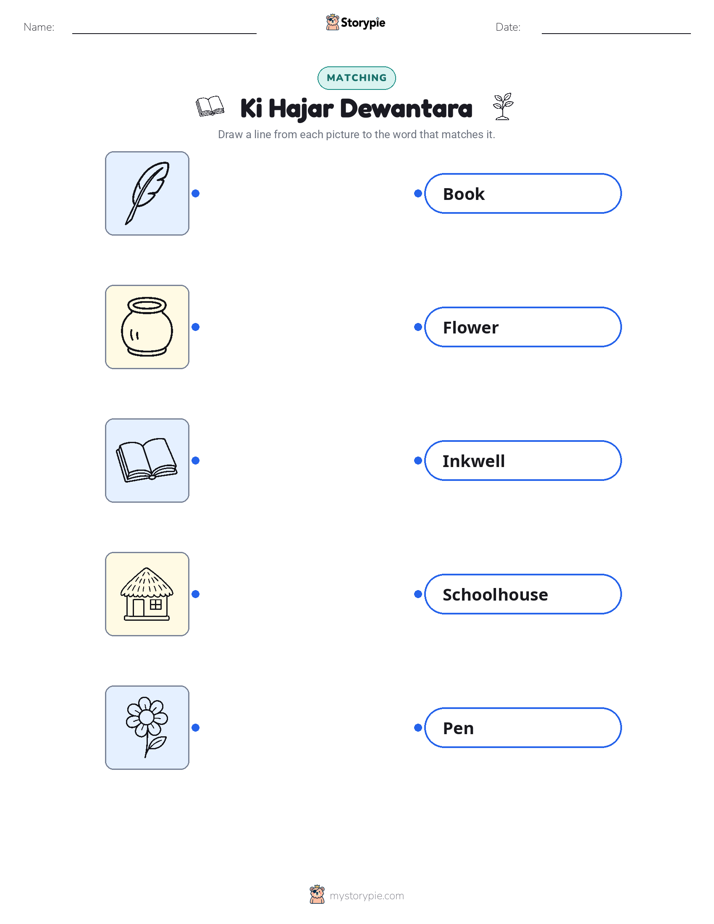
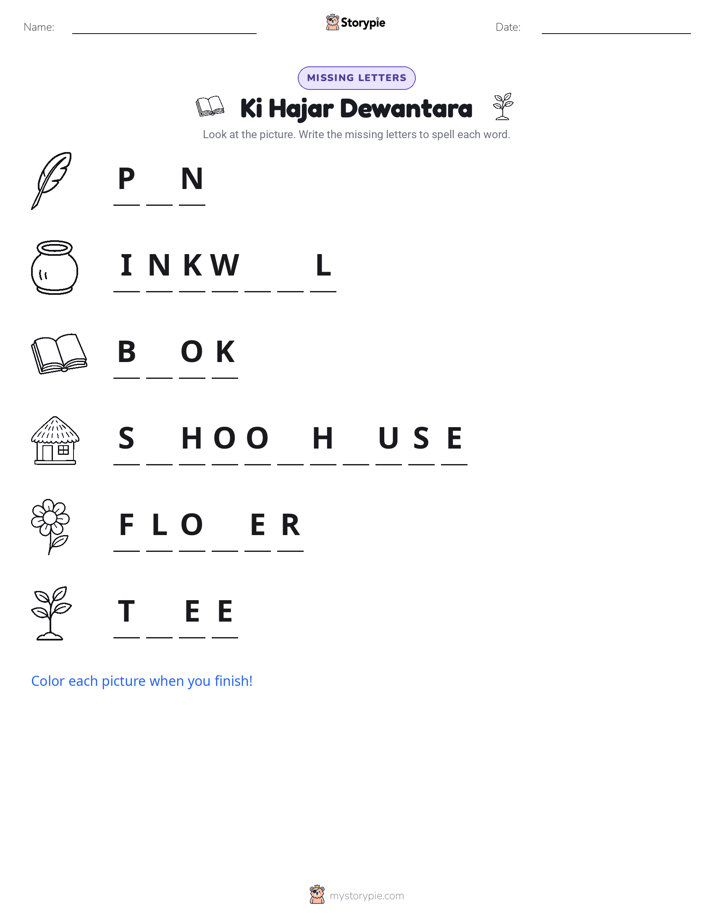
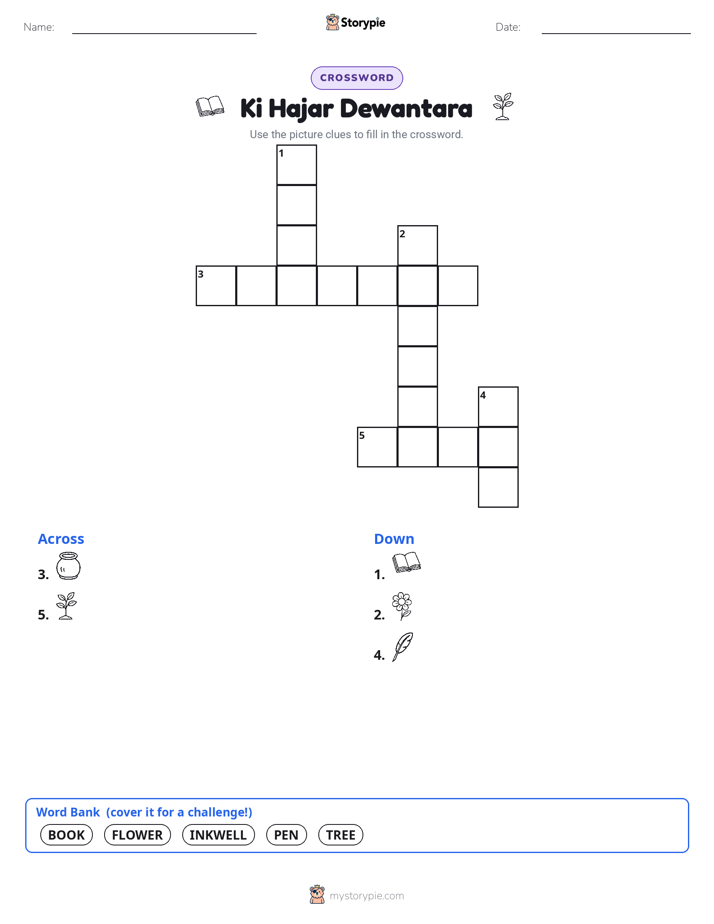
28 worksheets · answer keys · full story · quiz · Ages 10-12 · CEFR B2
Plus adds 164,000+ more stories in 27 languages, audio for every one, and printables for all of them.
Just want Ki Hajar Dewantara?
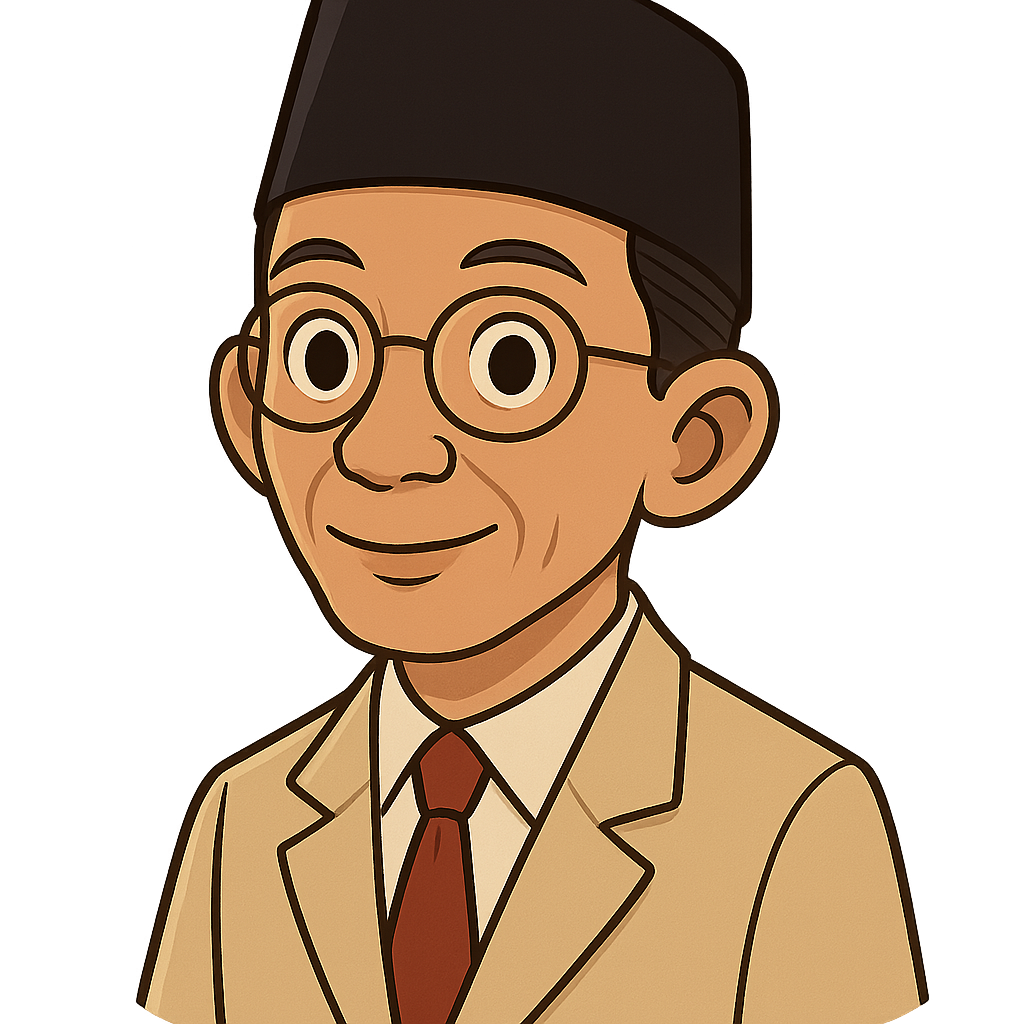
Hello! My name is Ki Hajar Dewantara, but I wasn't always called that. I was born on May 2nd, 1889, in the royal city of Yogyakarta in Java, which was then part of a land called the Dutch East Indies. My birth name was Raden Mas Soewardi Soerjaningrat, a long name for a little boy, but it showed that I was part of a noble family. Growing up in a palace gave me a special opportunity that most children didn't have: I was allowed to go to a Dutch school. It was there I learned that education was a powerful tool, but I also saw that it was not available to everyone, and that felt deeply unfair to me.
As I grew older, I became a writer and a journalist. I saw how my people were treated under Dutch rule, and I used my words to speak out. Around 1908, I joined a group called Boedi Oetomo, one of the first modern organizations for Indonesians. Later, in 1912, I helped start a political group called the Indische Partij with my friends, Ernest Douwes Dekker and Tjipto Mangoenkoesoemo. We believed that everyone living in the Indies should be treated equally. In 1913, the Dutch government was planning a big celebration, and I wrote a very direct article titled 'If I Were a Dutchman.' I asked how Indonesians could be expected to celebrate the freedom of the country that was ruling over them. My words were powerful, but they got me into trouble, and the Dutch government sent me away from my home.
I was exiled to the Netherlands from 1913 until 1919. It was difficult being so far from home, but I decided to use my time to learn as much as I could. I studied how children were taught in Europe and was inspired by thinkers like Maria Montessori. I realized that education wasn't just about learning facts from a book; it was about helping children grow into creative, independent, and confident people. I earned a European Teacher's Certificate and began dreaming of a new kind of school for my own country, one that would help free the minds of my people.
Ki Hajar Dewantara: A Garden for Students
Hello! My name is Ki Hajar Dewantara, but I wasn't always called that. I was born on May 2nd, 1889, in the royal city of Yogyakarta in Java, which was then part of a land called the Dutch East Indies. My birth name was Raden Mas Soewardi Soerjaningrat, a long name for a little boy, but it showed that I was part of a noble family. Growing up in a palace gave me a special opportunity that most children didn't have: I was allowed to go to a Dutch school. It was there I learned that education was a powerful tool, but I also saw that it was not available to everyone, and that felt deeply unfair to me.
As I grew older, I became a writer and a journalist. I saw how my people were treated under Dutch rule, and I used my words to speak out. Around 1908, I joined a group called Boedi Oetomo, one of the first modern organizations for Indonesians. Later, in 1912, I helped start a political group called the Indische Partij with my friends, Ernest Douwes Dekker and Tjipto Mangoenkoesoemo. We believed that everyone living in the Indies should be treated equally. In 1913, the Dutch government was planning a big celebration, and I wrote a very direct article titled 'If I Were a Dutchman.' I asked how Indonesians could be expected to celebrate the freedom of the country that was ruling over them. My words were powerful, but they got me into trouble, and the Dutch government sent me away from my home.
I was exiled to the Netherlands from 1913 until 1919. It was difficult being so far from home, but I decided to use my time to learn as much as I could. I studied how children were taught in Europe and was inspired by thinkers like Maria Montessori. I realized that education wasn't just about learning facts from a book; it was about helping children grow into creative, independent, and confident people. I earned a European Teacher's Certificate and began dreaming of a new kind of school for my own country, one that would help free the minds of my people.
When I finally returned home, I was ready to turn my dream into a reality. On July 3rd, 1922, I founded my own school in Yogyakarta and called it Taman Siswa, which means 'Garden of Students.' I wanted it to be a place where children could grow and learn freely, like plants in a garden. To show that I was a teacher for all people, not just nobles, I changed my name to Ki Hajar Dewantara. At my school, we blended our rich Indonesian culture with modern ideas. I developed a philosophy that is still famous today. It has three parts: Ing Ngarsa Sung Tuladha, which means 'in front, a leader gives a good example'; Ing Madya Mangun Karsa, meaning 'in the middle, a leader builds enthusiasm'; and Tut Wuri Handayani, which means 'from behind, a leader gives encouragement.'
My work at Taman Siswa continued for many years, and the schools grew across the islands. My dream, and the dream of many others, finally came true when Indonesia declared its independence in 1945. Because of my lifelong work in education, I was asked to be the very first Minister of Education and Culture for our new country. It was a great honor to help shape the future for all of Indonesia's children.
I lived a full life dedicated to education and freedom, and I passed away on April 26th, 1959. I lived to be almost 70 years old. Today, my country remembers me as a National Hero of Indonesia. My birthday, May 2nd, is celebrated every year as National Education Day. The most wonderful part is that my motto, Tut Wuri Handayani, is now the official motto of the Indonesian Ministry of Education and Culture, a reminder that the best way to lead is by encouraging others to find their own path forward.
Wow facts
About
An Indonesian independence activist, writer, and politician who founded the Taman Siswa school system and served as Indonesia's first Minister of Education and Culture. He is revered as the Father of National Education in Indonesia.
Take a Quiz
Question 1 of 5
What was the main reason Ki Hajar Dewantara was exiled to the Netherlands in 1913?
Explore next






Want to do even more?
Go beyond exploring. Unlock tools that turn every story into real learning.

Storypie Plus for families
Full stories, quizzes, and printables. Nights and car rides, sorted.
- Unlimited audio stories
- Create Mode: your child stars in the story
- Offline downloads
- Printable worksheets & coloring pages

Why Storypie for Schools
Students engaged. Prep in seconds. Evenings back to you.
- Worksheets & Quizzes
- Classroom Management
- Formative Assessment
- Custom Curriculum & Lesson Plans
- 27 Languages

Why Storypie for Homeschool
Curriculum done. They'll ask for more. Hours back in your day.
- Worksheet Generator
- First-Person Audio Stories
- Built-in Comprehension Quizzes
- Custom Curriculum & Lesson Plans
- Print & Go Activities