English

Maurice Ravel
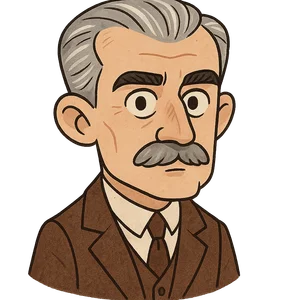
Maurice Ravel was a French composer, pianist, and conductor whose music shows features of Impressionism…
Reads at Grades 3–5 Listens at Grades 1–5
Print & create
Answer keys·No prep·Free with an account
28 worksheets · answer keys · full story · quiz · Ages 8-10 · CEFR B1
Plus adds 244,000+ more stories in 27 languages, audio for every one, and printables for all of them.
Just want Maurice Ravel?
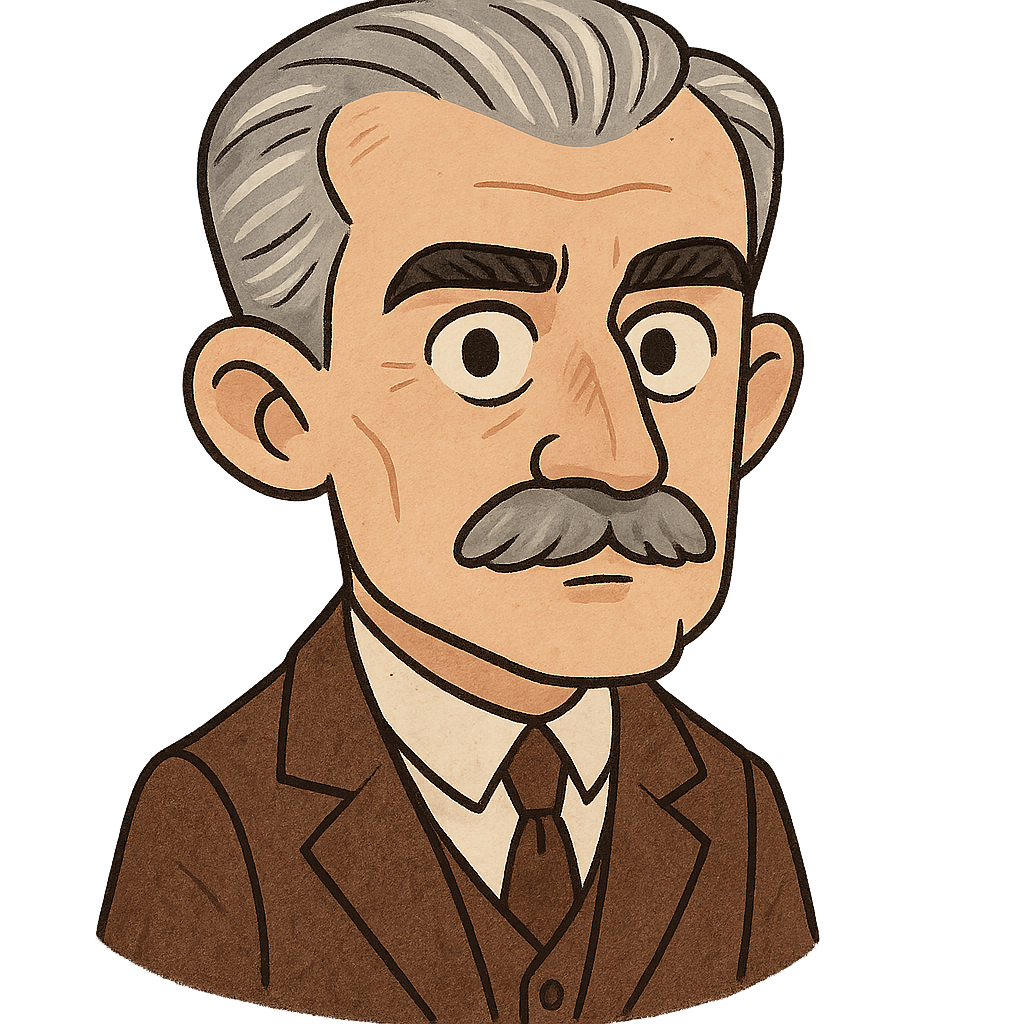
Hello! My name is Maurice Ravel, and I am a composer, which means I write music. I was born on March 7th, 1875, in a little town in France called Ciboure, right near the border of Spain. My mother, Marie, was from the Basque region, and she would sing me beautiful folk songs from her home. Those melodies were some of the first music I ever heard. When I was just a baby, my family moved to the amazing city of Paris. My father, Joseph, was a clever inventor, and our home was always filled with interesting ideas and, of course, music. I started playing the piano when I was seven years old, and I knew right away that music was my passion. The sounds and feelings I could create with my fingertips felt like magic. By the time I was 14, in 1889, I was good enough to be accepted into the famous Paris Conservatoire, the best music school in the country! I was on my way to making my dream of creating my own music come true.
At the Conservatoire, I learned so much from my teachers, especially the kind and brilliant Gabriel Fauré. But I wasn't a student who just followed the rules. I wanted my music to sound completely new and unique, like a painting made of sounds. I loved experimenting with different harmonies and rhythms that other people found strange. There was a very important music prize called the Prix de Rome, and I tried to win it five times between 1900 and 1905. I never won, which caused a big fuss because many people thought my music was some of the most exciting in France! This didn't stop me, though. During this time, I wrote some of my first famous pieces. In 1899, I wrote 'Pavane pour une infante défunte,' which is like a slow, graceful dance for a princess from long ago. A couple of years later, in 1901, I wrote 'Jeux d'eau,' which sounds just like sparkling water splashing in a fountain. I found inspiration everywhere—in old stories, in the rhythms of Spanish music, and even in the precise workings of machines, which I learned about from my father.
Maurice Ravel: A Musical Magician
Hello! My name is Maurice Ravel, and I am a composer, which means I write music. I was born on March 7th, 1875, in a little town in France called Ciboure, right near the border of Spain. My mother, Marie, was from the Basque region, and she would sing me beautiful folk songs from her home. Those melodies were some of the first music I ever heard. When I was just a baby, my family moved to the amazing city of Paris. My father, Joseph, was a clever inventor, and our home was always filled with interesting ideas and, of course, music. I started playing the piano when I was seven years old, and I knew right away that music was my passion. The sounds and feelings I could create with my fingertips felt like magic. By the time I was 14, in 1889, I was good enough to be accepted into the famous Paris Conservatoire, the best music school in the country! I was on my way to making my dream of creating my own music come true.
At the Conservatoire, I learned so much from my teachers, especially the kind and brilliant Gabriel Fauré. But I wasn't a student who just followed the rules. I wanted my music to sound completely new and unique, like a painting made of sounds. I loved experimenting with different harmonies and rhythms that other people found strange. There was a very important music prize called the Prix de Rome, and I tried to win it five times between 1900 and 1905. I never won, which caused a big fuss because many people thought my music was some of the most exciting in France! This didn't stop me, though. During this time, I wrote some of my first famous pieces. In 1899, I wrote 'Pavane pour une infante défunte,' which is like a slow, graceful dance for a princess from long ago. A couple of years later, in 1901, I wrote 'Jeux d'eau,' which sounds just like sparkling water splashing in a fountain. I found inspiration everywhere—in old stories, in the rhythms of Spanish music, and even in the precise workings of machines, which I learned about from my father.
My life wasn't always just about music. During World War I, starting in 1915, I served my country as a truck driver near the battlefield. It was a difficult and sad time, and it changed the way I saw the world. To honor my friends who were lost in the war, I composed a piece called 'Le Tombeau de Couperin' between 1914 and 1917. Each part of the music was dedicated to a friend's memory, a way to remember them through beautiful sounds instead of sadness. A decade later, in 1928, I wrote the piece that I am most famous for: 'Boléro'! A dancer named Ida Rubinstein asked me to write a ballet for her. I came up with a simple, catchy tune and decided to repeat it over and over, starting very quietly with just one or two instruments. Then, slowly, more and more instruments join in, and the music gets louder and grander until the whole orchestra is playing! That same year, I took a big trip to the United States and Canada, where I met wonderful musicians like the jazz composer George Gershwin.
As I got older, a strange illness made it very difficult for me to write down the music that I could still hear so clearly in my head. It was the saddest time of my life to have so much music inside me with no way to share it. I lived to be 62 years old, and my time came to a close in Paris on December 28th, 1937. Today, people all over the world still listen to my music. Orchestras play my symphonies, and pianists perform my pieces in grand concert halls. People say I was a 'magician of the orchestra' because of the way I combined the sounds of different instruments to create colorful musical pictures. I hope that when you hear my music, especially the exciting build-up of 'Boléro,' you feel a sense of wonder and are inspired to create something beautiful of your own.
Wow facts
About
Maurice Ravel was a French composer, pianist, and conductor whose music shows features of Impressionism, but he himself did not like being called an Impressionist. He is best known for his masterpiece, 'Boléro'.
Take a Quiz
Question 1 of 5
Why did I write the piece 'Le Tombeau de Couperin'?
Explore next





Want to do even more?
Go beyond exploring. Unlock tools that turn every story into real learning.

Storypie Plus for families
Full stories, quizzes, and printables. Nights and car rides, sorted.
- Unlimited audio stories
- Create Mode: your child stars in the story
- Offline downloads
- Printable worksheets & coloring pages

Why Storypie for Schools
Students engaged. Prep in seconds. Evenings back to you.
- Worksheets & Quizzes
- Classroom Management
- Formative Assessment
- Custom Curriculum & Lesson Plans
- 27 Languages

Why Storypie for Homeschool
Curriculum done. They'll ask for more. Hours back in your day.
- Worksheet Generator
- First-Person Audio Stories
- Built-in Comprehension Quizzes
- Custom Curriculum & Lesson Plans
- Print & Go Activities