English

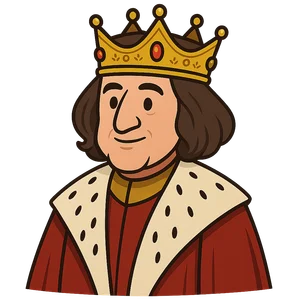
Maximilian I, Holy Roman Emperor
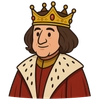
Maximilian I was a Holy Roman Emperor from the House of Habsburg who greatly expanded his family's influence…
Reads at Grades 6–8 Listens at Grades 4–8
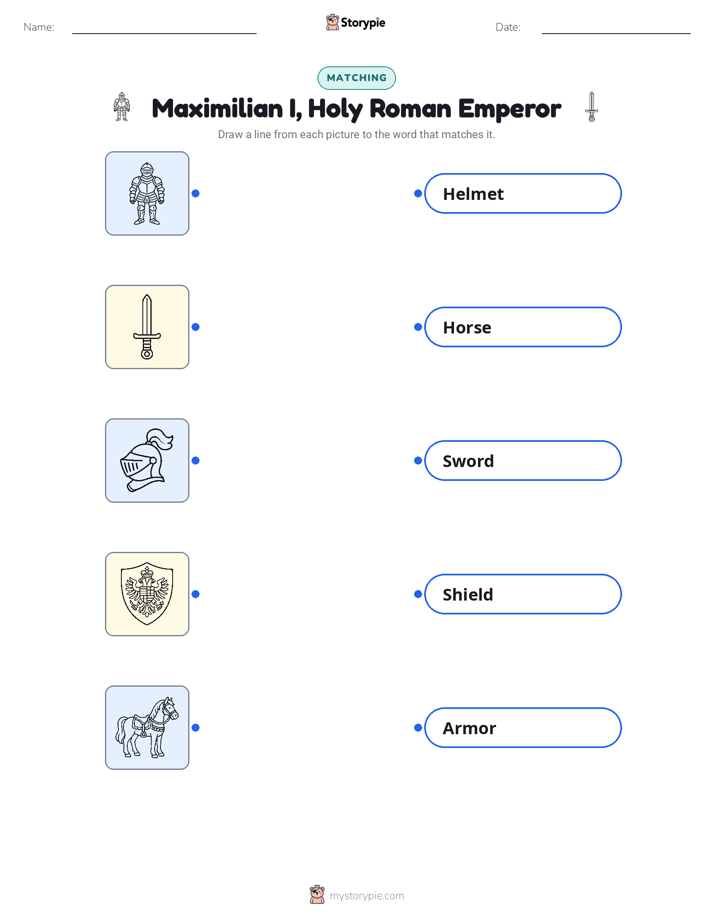
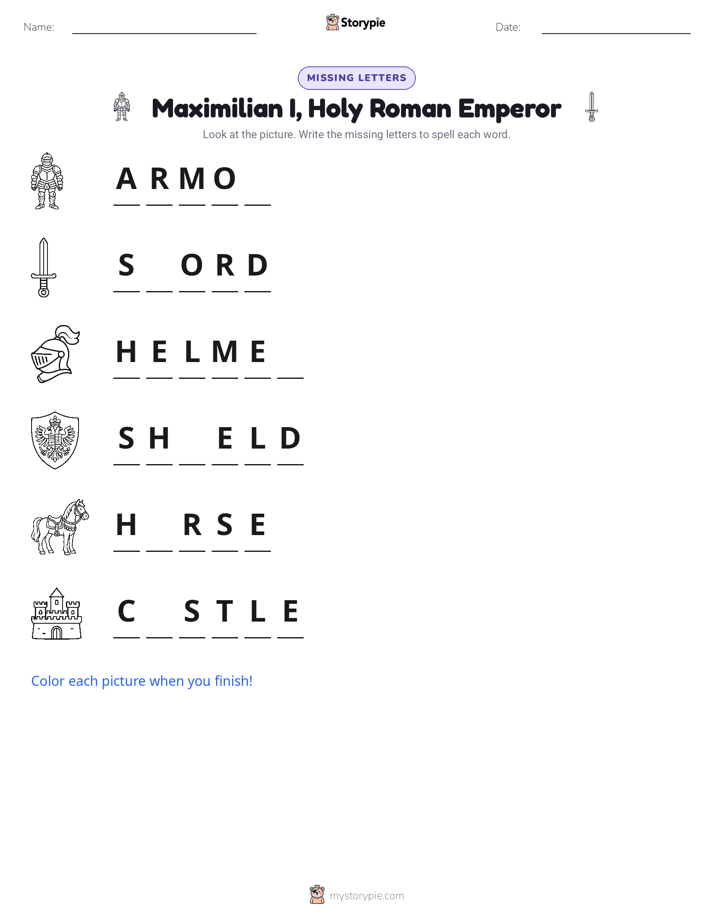
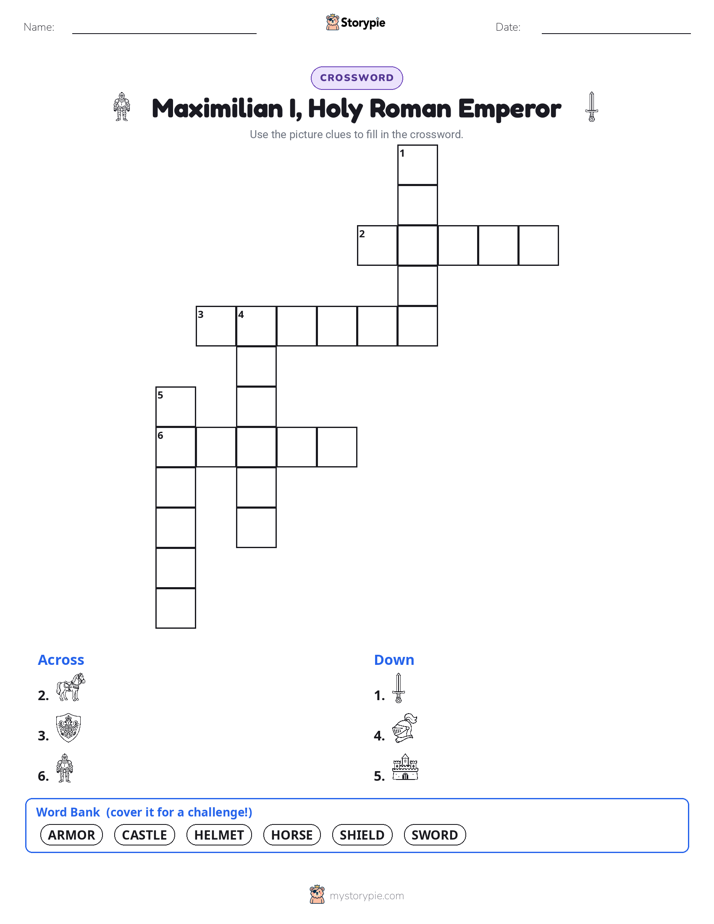
Print & create
Answer keys·No prep·Free with an account
28 worksheets · answer keys · full story · quiz · Ages 10-12 · CEFR B2
Plus adds 244,000+ more stories in 27 languages, audio for every one, and printables for all of them.
Just want Maximilian I, Holy Roman Emperor?
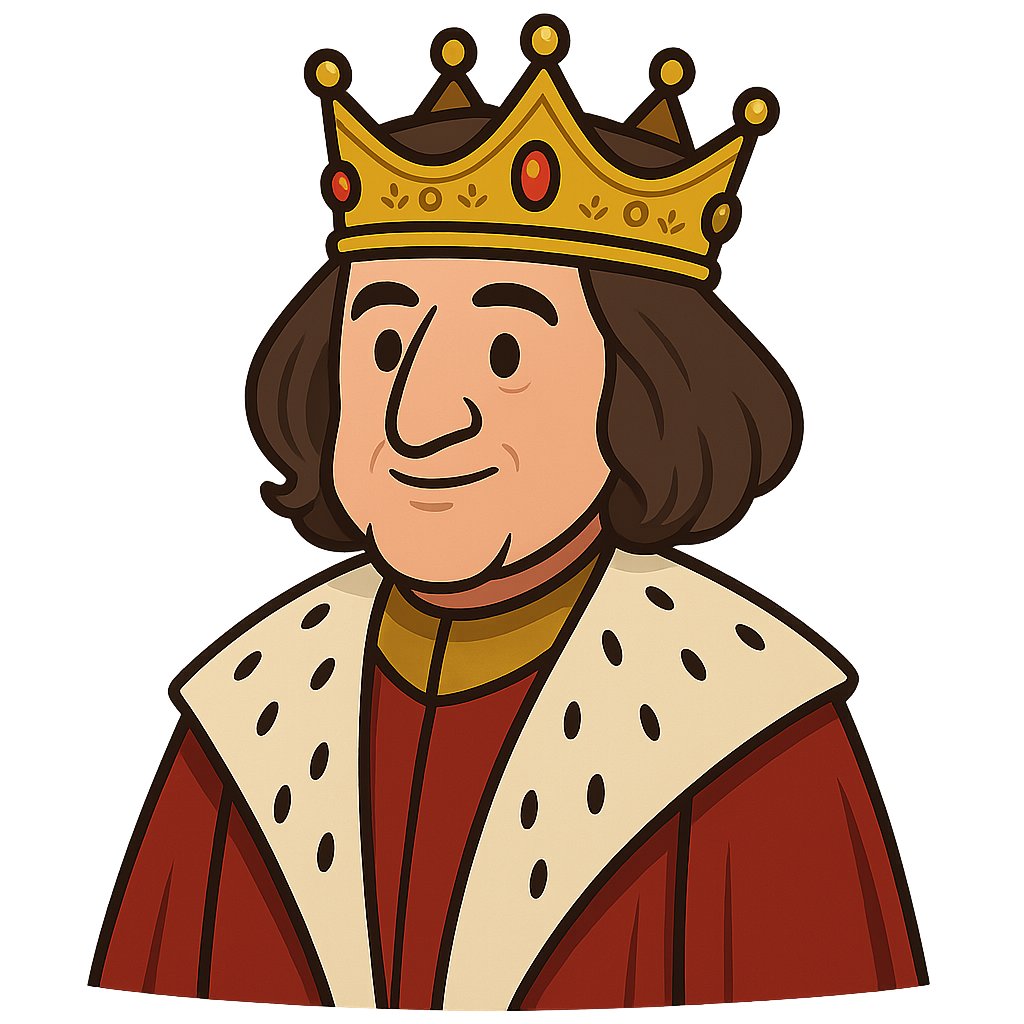
Hello! My name is Maximilian, and I was a prince who grew up to become a Holy Roman Emperor. I was born on March 22nd, 1459, in a grand castle in a town called Wiener Neustadt in Austria. My father was the emperor, Frederick III, which meant that from a young age, I was preparing for a life of leadership. But I was also a boy who loved adventure. I spent my days learning the arts of knighthood—jousting in tournaments, hunting in the vast forests, and studying the strategies of battle. I dreamed of being a great knight, just like the heroes in the stories I read and admired.
When I was 18 years old, in 1477, I traveled to a land called Burgundy for the most important event of my young life: my marriage to its ruler, Mary of Burgundy. She was smart, brave, and beloved by her people, and we quickly grew to love each other deeply. Her lands, which included parts of modern-day France, Belgium, and the Netherlands, were among the wealthiest in Europe. Our marriage meant that these lands would become part of my family's domain. But our happiness was challenged. The King of France also wanted her lands, and we had to fight to protect them. Tragically, just five years later, in 1482, Mary died after a fall from her horse. I was heartbroken, but I knew I had to be strong for our two children, Philip and Margaret, and protect their inheritance.
After Mary's death, I focused on my duties as a ruler and a father. In 1486, I was elected King of the Romans, which was the title given to the person who would one day become the Holy Roman Emperor. This was a great honor and a significant step in my journey. When my father passed away in 1493, I officially became the ruler of my family's Austrian lands. However, becoming the official Holy Roman Emperor was a bit tricky. Traditionally, an emperor had to be crowned by the Pope in Rome. My enemies in Italy made this journey impossible by blocking my path. So, in 1508, I did something new. With the Pope's agreement, I declared myself 'Elected Roman Emperor.' This set a new standard, showing that the German princes' choice was enough to make an emperor, even without a coronation in Rome.
Maximilian I: The Last Knight
Hello! My name is Maximilian, and I was a prince who grew up to become a Holy Roman Emperor. I was born on March 22nd, 1459, in a grand castle in a town called Wiener Neustadt in Austria. My father was the emperor, Frederick III, which meant that from a young age, I was preparing for a life of leadership. But I was also a boy who loved adventure. I spent my days learning the arts of knighthood—jousting in tournaments, hunting in the vast forests, and studying the strategies of battle. I dreamed of being a great knight, just like the heroes in the stories I read and admired.
When I was 18 years old, in 1477, I traveled to a land called Burgundy for the most important event of my young life: my marriage to its ruler, Mary of Burgundy. She was smart, brave, and beloved by her people, and we quickly grew to love each other deeply. Her lands, which included parts of modern-day France, Belgium, and the Netherlands, were among the wealthiest in Europe. Our marriage meant that these lands would become part of my family's domain. But our happiness was challenged. The King of France also wanted her lands, and we had to fight to protect them. Tragically, just five years later, in 1482, Mary died after a fall from her horse. I was heartbroken, but I knew I had to be strong for our two children, Philip and Margaret, and protect their inheritance.
After Mary's death, I focused on my duties as a ruler and a father. In 1486, I was elected King of the Romans, which was the title given to the person who would one day become the Holy Roman Emperor. This was a great honor and a significant step in my journey. When my father passed away in 1493, I officially became the ruler of my family's Austrian lands. However, becoming the official Holy Roman Emperor was a bit tricky. Traditionally, an emperor had to be crowned by the Pope in Rome. My enemies in Italy made this journey impossible by blocking my path. So, in 1508, I did something new. With the Pope's agreement, I declared myself 'Elected Roman Emperor.' This set a new standard, showing that the German princes' choice was enough to make an emperor, even without a coronation in Rome.
People often call me 'The Last Knight' because I loved the traditions of chivalry and armor. I had a great passion for knightly culture and even designed my own special suits of armor. But I was also a very modern ruler who understood that the world was changing. In 1495, I held a great meeting called the Diet of Worms, where I helped create new laws and courts to make the huge and complicated Holy Roman Empire run more smoothly. This was a major reform that helped unify the empire. I was also a great supporter of the arts and new technology. I hired famous artists like Albrecht Dürer to create paintings and woodcuts, and I used the amazing new invention of the printing press to create books that celebrated my achievements and spread my image far and wide.
I believed that the best way to make my family, the Habsburgs, powerful was not through war, but through smart alliances. I lived by the motto: 'Let others wage war: thou, happy Austria, marry!'. This meant that while other rulers fought battles, I would secure my family's future through strategic marriages. I arranged important marriages for my children and grandchildren to connect our family with other powerful royal houses. The most important of these was for my son, Philip, to marry Joanna, the daughter of the king and queen of Spain. This single marriage had enormous consequences. It meant that my grandson, Charles V, would one day inherit not just my lands, but also Spain and its vast empire across the ocean in the Americas. Through these peaceful plans, I helped make the Habsburgs one of the most powerful families in the world for centuries.
My life was full of adventure, love, loss, and big changes. I passed away on January 12th, 1519. I lived to be 59 years old. Today, people remember me as a bridge between the old world of knights and castles and the new world of the Renaissance. I am remembered for being a patron of the arts, a reformer of my empire, and a clever ruler whose plans for his family shaped the map of Europe for hundreds of years. My story shows how a leader can honor the past while embracing the future.
Wow facts
About
Maximilian I was a Holy Roman Emperor from the House of Habsburg who greatly expanded his family's influence through strategic marriages and had an interest in the arts and commissioned works, but his role as a major supporter of Renaissance art is less prominent compared to other famous people of his time. He is often called 'the last knight' for his love of chivalry and tournaments.
Take a Quiz
Question 1 of 5
What is the main theme of Maximilian's story regarding how he expanded his family's power?
Explore next


Want to do even more?
Go beyond exploring. Unlock tools that turn every story into real learning.

Storypie Plus for families
Full stories, quizzes, and printables. Nights and car rides, sorted.
- Unlimited audio stories
- Create Mode: your child stars in the story
- Offline downloads
- Printable worksheets & coloring pages

Why Storypie for Schools
Students engaged. Prep in seconds. Evenings back to you.
- Worksheets & Quizzes
- Classroom Management
- Formative Assessment
- Custom Curriculum & Lesson Plans
- 27 Languages

Why Storypie for Homeschool
Curriculum done. They'll ask for more. Hours back in your day.
- Worksheet Generator
- First-Person Audio Stories
- Built-in Comprehension Quizzes
- Custom Curriculum & Lesson Plans
- Print & Go Activities