English

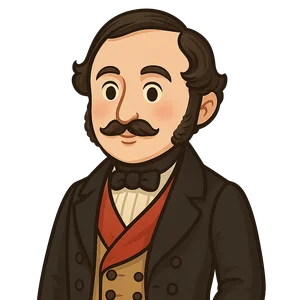
Prince Albert of Saxe-Coburg and Gotha
Prince Albert was the husband and consort of Queen Victoria of the United Kingdom.
Reads at Grades 6–8 Listens at Grades 4–8
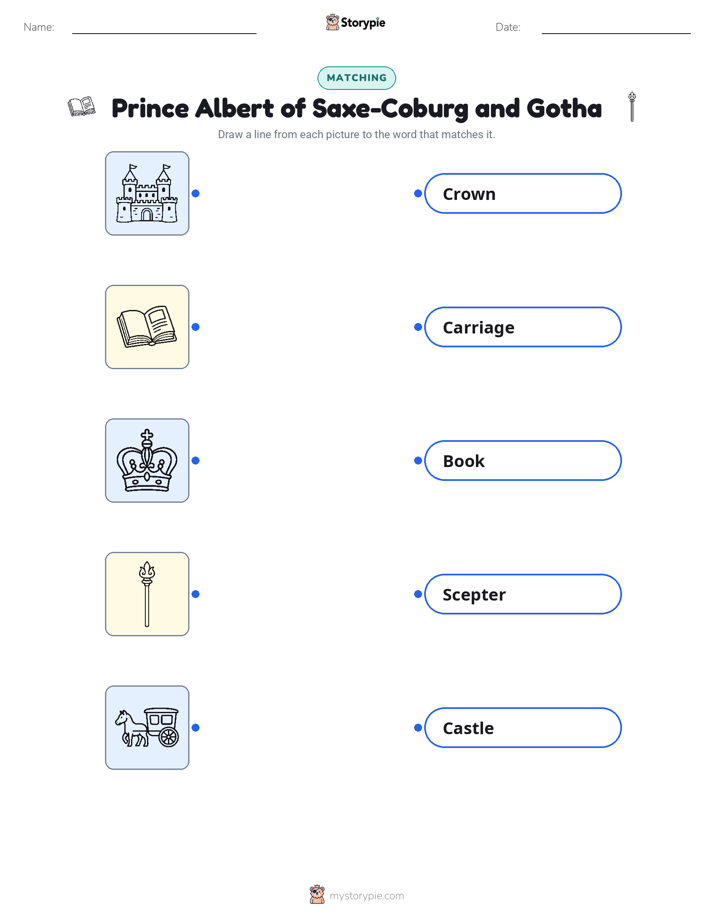
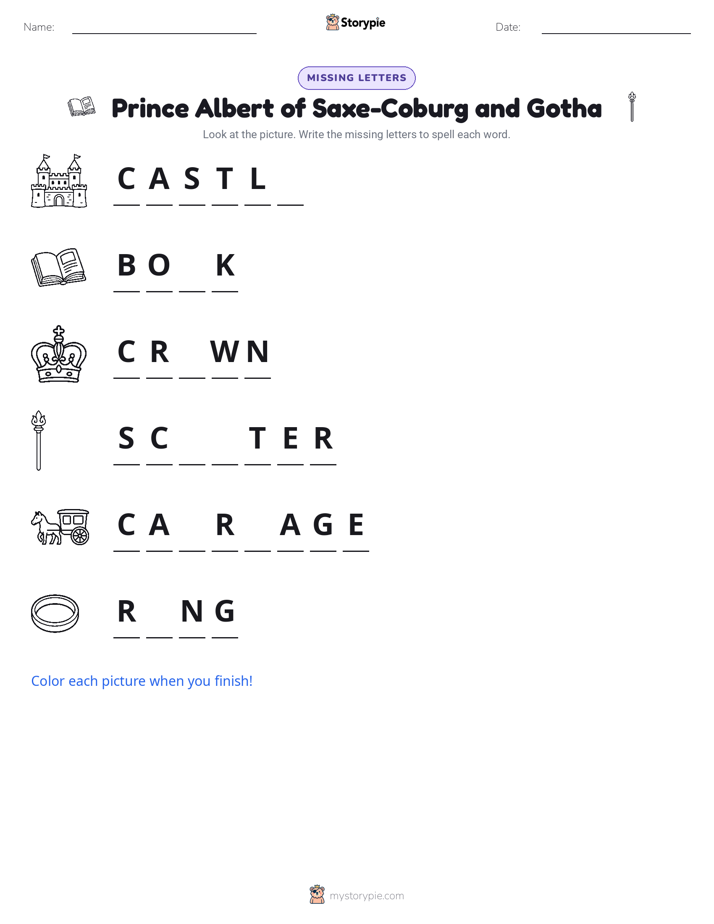
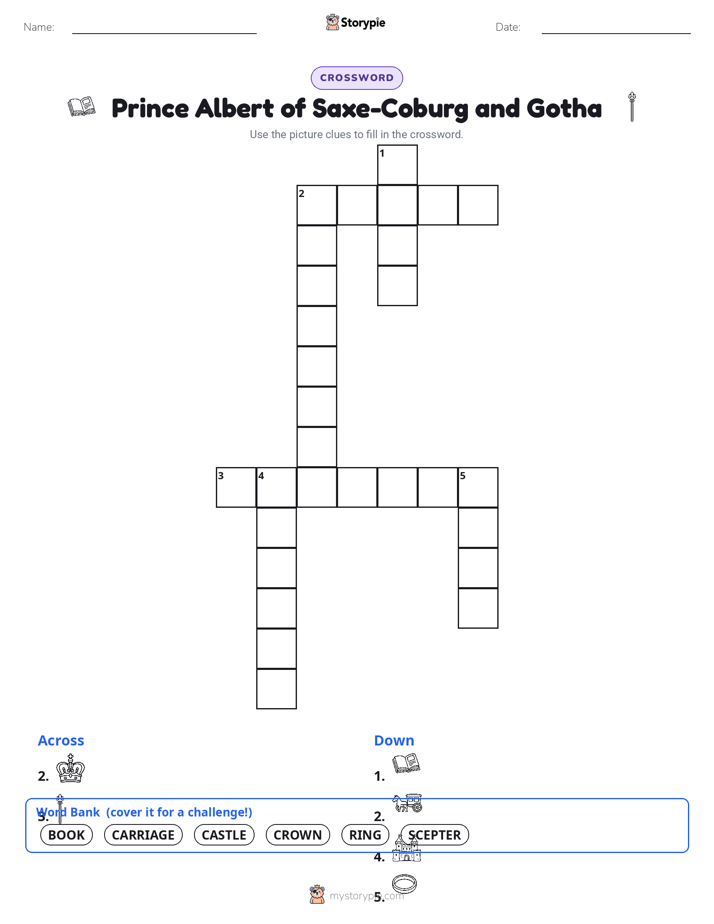
Print & create
Answer keys·No prep·Free with an account
28 worksheets · answer keys · full story · quiz · Ages 10-12 · CEFR B2
Plus adds 244,000+ more stories in 27 languages, audio for every one, and printables for all of them.
Just want Prince Albert of Saxe-Coburg and Gotha?
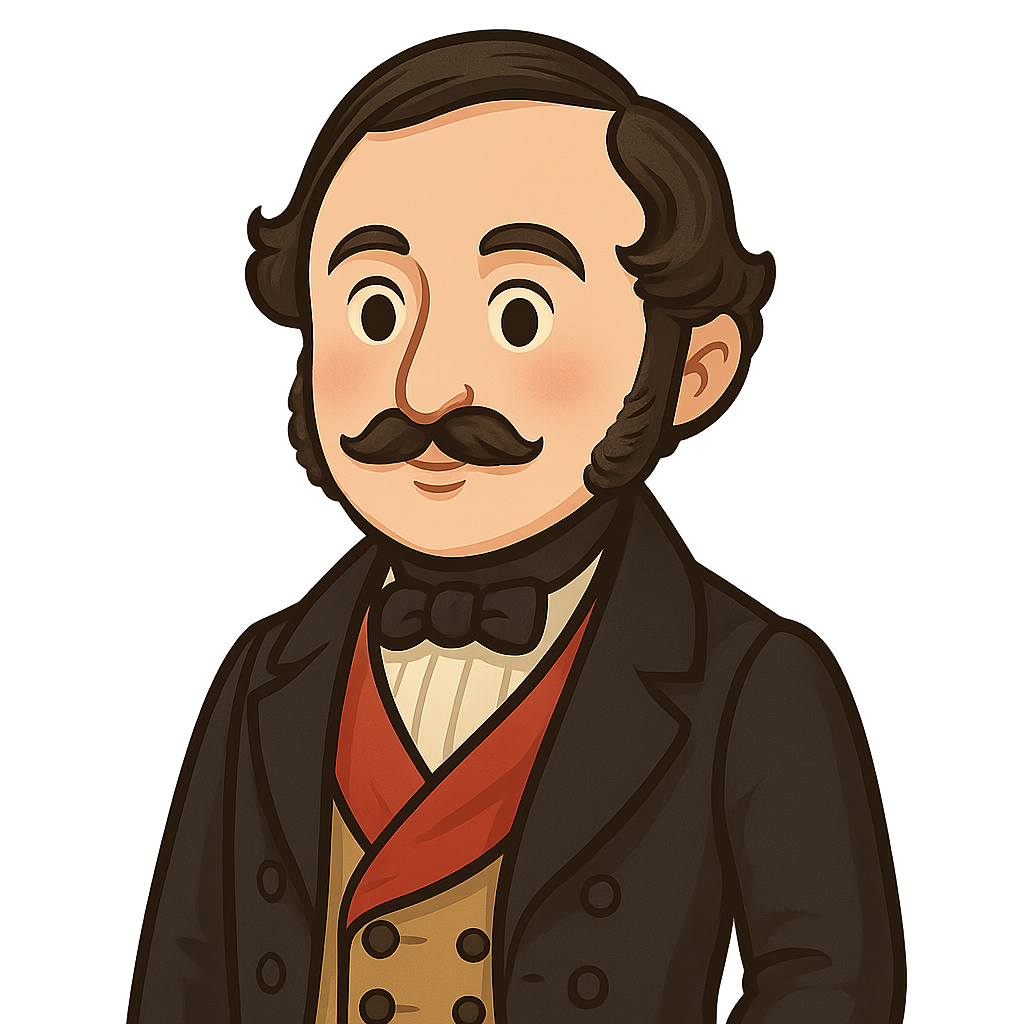
Hello, my name is Prince Albert of Saxe-Coburg and Gotha, and I want to share my story with you. My life began on August 26th, 1819, inside a beautiful castle in Germany called Schloss Rosenau. I grew up in a small duchy, but my childhood was rich with discovery. My older brother, Ernest, and I were inseparable. Together, we explored the world through books and nature. We studied everything from science and philosophy to art and music. Our curiosity was endless. Even though our home was small compared to the great empires of Europe, our family was connected to many of the continent's royal houses. One of those connections was to the powerful royal family of Great Britain, a fact that would shape the entire course of my life.
In 1836, when I was just a teenager, I traveled to England to meet my cousin, Victoria, for the first time. We discovered we had much in common, from our love of music to our serious approach to our duties, and we formed a special bond. A few years later, in 1839, her life changed forever when she became Queen of the British Empire. I visited her again that same year at Windsor Castle. It was during that visit, on October 15th, 1839, that she did something quite remarkable for the time—she asked me to marry her. Leaving my homeland to move to England and marry the most powerful woman on Earth was a daunting prospect, but I accepted. We were married on February 10th, 1840, ready to face the world together.
My new life in Britain was not easy at first. As a foreigner, many people were suspicious of me and my intentions. I often felt lonely, and my official role as the Queen's husband was not clearly defined. However, Victoria had complete faith in me. She saw my dedication and intelligence, and soon I became her most trusted advisor. I helped her by reading official government papers and offering my thoughts on important matters. I was passionate about using my position to help others. I dedicated myself to social reform, working to improve the poor housing conditions for working families. I also held a strong conviction that slavery should be abolished everywhere in the world. I worked tirelessly behind the scenes, helping to modernize the royal family’s finances and reorganize the army to make it more efficient and prepared.
Prince Albert: A Life of Purpose and Progress
Hello, my name is Prince Albert of Saxe-Coburg and Gotha, and I want to share my story with you. My life began on August 26th, 1819, inside a beautiful castle in Germany called Schloss Rosenau. I grew up in a small duchy, but my childhood was rich with discovery. My older brother, Ernest, and I were inseparable. Together, we explored the world through books and nature. We studied everything from science and philosophy to art and music. Our curiosity was endless. Even though our home was small compared to the great empires of Europe, our family was connected to many of the continent's royal houses. One of those connections was to the powerful royal family of Great Britain, a fact that would shape the entire course of my life.
In 1836, when I was just a teenager, I traveled to England to meet my cousin, Victoria, for the first time. We discovered we had much in common, from our love of music to our serious approach to our duties, and we formed a special bond. A few years later, in 1839, her life changed forever when she became Queen of the British Empire. I visited her again that same year at Windsor Castle. It was during that visit, on October 15th, 1839, that she did something quite remarkable for the time—she asked me to marry her. Leaving my homeland to move to England and marry the most powerful woman on Earth was a daunting prospect, but I accepted. We were married on February 10th, 1840, ready to face the world together.
My new life in Britain was not easy at first. As a foreigner, many people were suspicious of me and my intentions. I often felt lonely, and my official role as the Queen's husband was not clearly defined. However, Victoria had complete faith in me. She saw my dedication and intelligence, and soon I became her most trusted advisor. I helped her by reading official government papers and offering my thoughts on important matters. I was passionate about using my position to help others. I dedicated myself to social reform, working to improve the poor housing conditions for working families. I also held a strong conviction that slavery should be abolished everywhere in the world. I worked tirelessly behind the scenes, helping to modernize the royal family’s finances and reorganize the army to make it more efficient and prepared.
My greatest ambition was to bring nations together not for war, but for progress. In 1849, I proposed an idea for a grand international fair: The Great Exhibition of the Works of Industry of All Nations. My vision was to create a space where countries could display their greatest achievements in art, science, and technology. To house this incredible event, we constructed a revolutionary building made almost entirely of iron and glass, which became famously known as the Crystal Palace. On May 1st, 1851, the Great Exhibition opened its doors to the world. The excitement was overwhelming. Millions of people, from all walks of life, came to see amazing inventions and cultural treasures from across the globe. The exhibition was a tremendous success, proving that people from different nations could unite in a spirit of peaceful competition and shared learning.
My life with Victoria was filled with love, and we were blessed with nine children whom we adored. However, my constant work and dedication to my duties eventually took a toll on my health. I became very ill, and in 1861, my life came to an end at Windsor Castle. I lived to be 42 years old. Victoria was heartbroken by my loss, but the work we had started together lived on. The profits from the Great Exhibition were used to create a remarkable center for learning and culture in London. This area now includes great museums, such as the Victoria and Albert Museum, and a magnificent concert hall named in my honor, the Royal Albert Hall. I am remembered not just as a queen's husband, but as a prince who used his influence to champion progress, education, and art for the benefit of all people.
Wow facts
About
Prince Albert was the husband and consort of Queen Victoria of the United Kingdom. A devoted partner and advisor, he was a major force in promoting advancements in science and the arts, most famously through the Great Exhibition of 1851.
Take a Quiz
Question 1 of 5
In your own words, describe the Great Exhibition of 1851 and what its main purpose was.
Explore next





Want to do even more?
Go beyond exploring. Unlock tools that turn every story into real learning.

Storypie Plus for families
Full stories, quizzes, and printables. Nights and car rides, sorted.
- Unlimited audio stories
- Create Mode: your child stars in the story
- Offline downloads
- Printable worksheets & coloring pages

Why Storypie for Schools
Students engaged. Prep in seconds. Evenings back to you.
- Worksheets & Quizzes
- Classroom Management
- Formative Assessment
- Custom Curriculum & Lesson Plans
- 27 Languages

Why Storypie for Homeschool
Curriculum done. They'll ask for more. Hours back in your day.
- Worksheet Generator
- First-Person Audio Stories
- Built-in Comprehension Quizzes
- Custom Curriculum & Lesson Plans
- Print & Go Activities