English

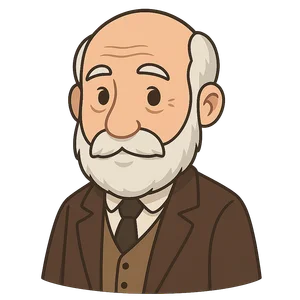
Santiago Ramón y Cajal
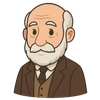
Santiago Ramón y Cajal was a Spanish neuroscientist, pathologist…
Reads at Grades K-2 Listens at K–3
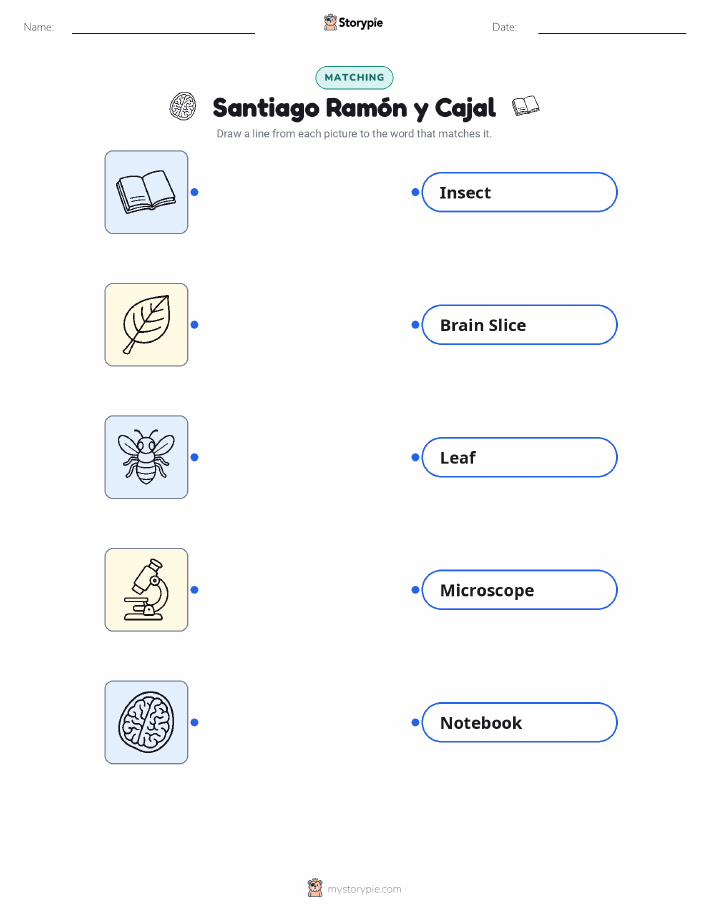
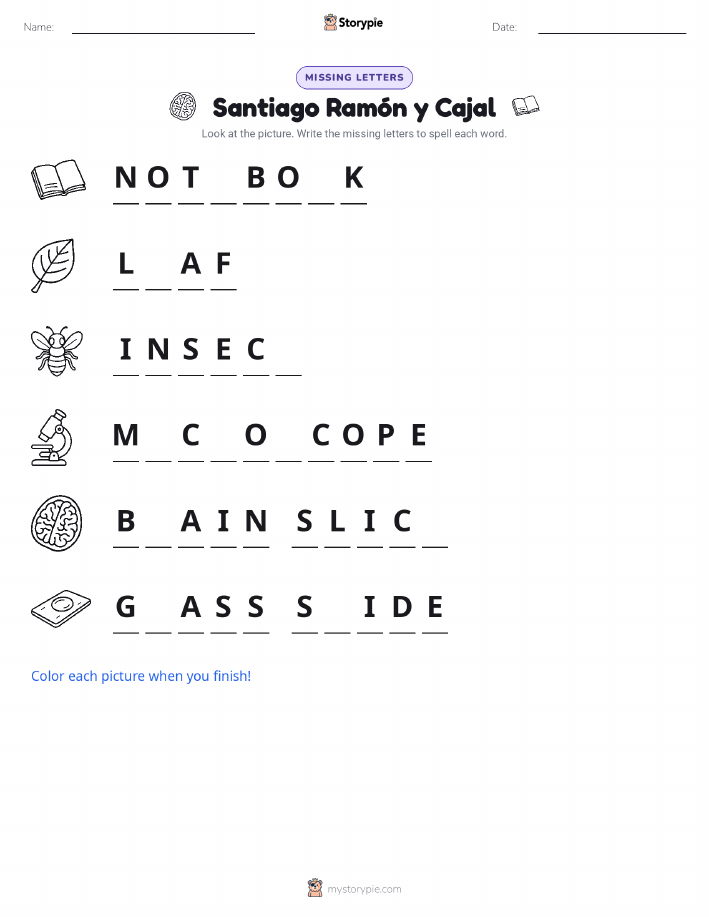
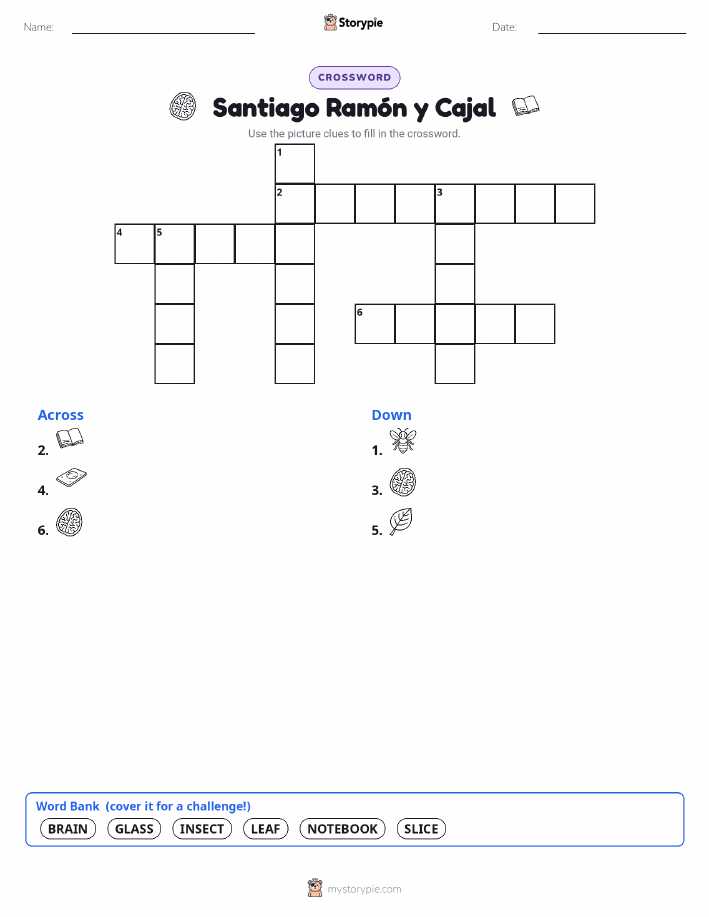
Print & create
Answer keys·No prep·Free with an account
28 worksheets · answer keys · full story · quiz · Ages 6-8 · CEFR A2
Plus adds 280,000+ more stories in 27 languages, audio for every one, and printables for all of them.
Just want Santiago Ramón y Cajal?
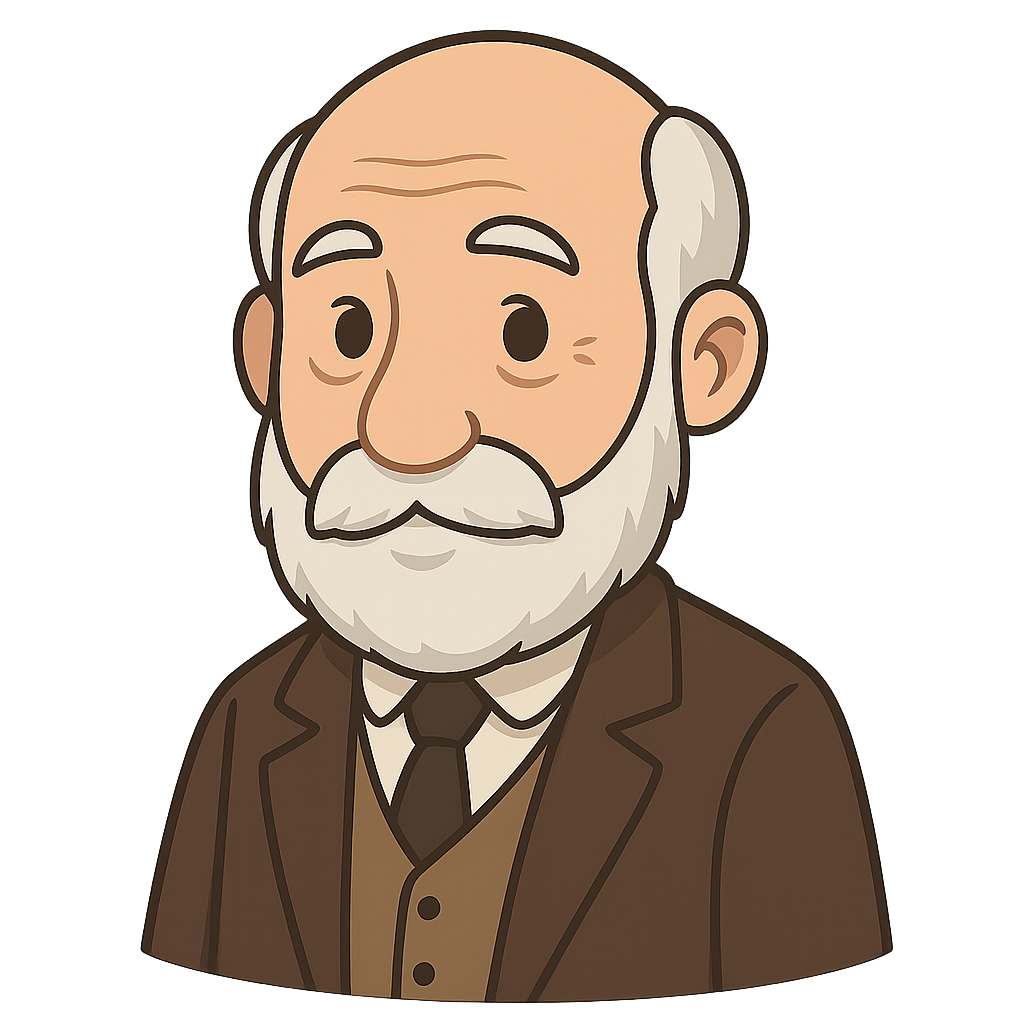
Hello! My name is Santiago Ramón y Cajal. I was born on May 1st, 1852, in a small town in Spain. When I was a little boy, I didn't dream of becoming a scientist. My biggest dream was to be an artist! I loved to draw more than anything. I would sketch on walls, notebooks, and any piece of paper I could find. My father was a doctor, and he hoped that one day I would become a doctor, too. He thought that art was just a hobby and a waste of time. But for me, drawing was everything. It was how I explored the world and showed others what I saw. I loved capturing all the little details of leaves, insects, and people's faces. My art was my way of understanding things.
Even though my heart wanted to be an artist, I also wanted to make my father happy. So, I went to school to study medicine and became a doctor. I graduated in the year 1873. My life changed forever the first time I looked through a microscope. I saw a secret, tiny world that was invisible to our eyes! It was amazing. I was so excited by the little cells that make up our bodies. I saved up my money and bought my very own microscope. I would spend hours and hours in my room, looking at tiny, thin slices of the brain. And guess what? My love for drawing turned out to be my most important tool! I used my artist's skills to draw everything I saw, capturing every tiny detail of the brain's hidden world.
An Italian scientist named Camillo Golgi had found a special way to color brain cells so you could see them better. Using his method, I was able to see the cells, which we now call neurons, more clearly than anyone had before. Back then, most scientists believed the brain was like one big, tangled net where everything was connected together. But as I drew what I saw under my microscope, I noticed something different. My drawings showed that the brain was actually made of billions of individual neurons. These tiny cells were very, very close to each other, but they didn't touch. I realized they acted like little messengers, sending signals across tiny gaps to talk to each other. This idea completely changed how we understood the brain, and it became known as the 'neuron doctrine.' Because of this huge discovery, I was given a very special award called the Nobel Prize in 1906.
Santiago Ramón y Cajal: The Artist Who Drew the Brain
Hello! My name is Santiago Ramón y Cajal. I was born on May 1st, 1852, in a small town in Spain. When I was a little boy, I didn't dream of becoming a scientist. My biggest dream was to be an artist! I loved to draw more than anything. I would sketch on walls, notebooks, and any piece of paper I could find. My father was a doctor, and he hoped that one day I would become a doctor, too. He thought that art was just a hobby and a waste of time. But for me, drawing was everything. It was how I explored the world and showed others what I saw. I loved capturing all the little details of leaves, insects, and people's faces. My art was my way of understanding things.
Even though my heart wanted to be an artist, I also wanted to make my father happy. So, I went to school to study medicine and became a doctor. I graduated in the year 1873. My life changed forever the first time I looked through a microscope. I saw a secret, tiny world that was invisible to our eyes! It was amazing. I was so excited by the little cells that make up our bodies. I saved up my money and bought my very own microscope. I would spend hours and hours in my room, looking at tiny, thin slices of the brain. And guess what? My love for drawing turned out to be my most important tool! I used my artist's skills to draw everything I saw, capturing every tiny detail of the brain's hidden world.
An Italian scientist named Camillo Golgi had found a special way to color brain cells so you could see them better. Using his method, I was able to see the cells, which we now call neurons, more clearly than anyone had before. Back then, most scientists believed the brain was like one big, tangled net where everything was connected together. But as I drew what I saw under my microscope, I noticed something different. My drawings showed that the brain was actually made of billions of individual neurons. These tiny cells were very, very close to each other, but they didn't touch. I realized they acted like little messengers, sending signals across tiny gaps to talk to each other. This idea completely changed how we understood the brain, and it became known as the 'neuron doctrine.' Because of this huge discovery, I was given a very special award called the Nobel Prize in 1906.
I lived to be 82 years old, and I never stopped being curious about the amazing world inside our heads. I spent my whole life exploring the mysteries of the brain. Today, people call me the 'father of modern neuroscience.' My drawings of neurons were so detailed and accurate that scientists and students still use them to learn about the brain. I'm so happy that I was able to combine my two great loves—art and science—to help everyone understand the amazing universe we all carry around.
Wow facts
About
Santiago Ramón y Cajal was a Spanish neuroscientist, pathologist, and histologist who is widely considered the father of modern neuroscience. His pioneering work on the microscopic structure of the nervous system led to the establishment of the Neuron Doctrine and earned him the Nobel Prize in Physiology or Medicine in 1906.
Take a Quiz
Question 1 of 4
Why was drawing so important for my work as a scientist?
Explore next


Want to do even more?
Go beyond exploring. Unlock tools that turn every story into real learning.

Storypie Plus for families
Full stories, quizzes, and printables. Nights and car rides, sorted.
- Unlimited audio stories
- Create Mode: your child stars in the story
- Offline downloads
- Printable worksheets & coloring pages

Why Storypie for Schools
Students engaged. Prep in seconds. Evenings back to you.
- Worksheets & Quizzes
- Classroom Management
- Formative Assessment
- Custom Curriculum & Lesson Plans
- 27 Languages

Why Storypie for Homeschool
Curriculum done. They'll ask for more. Hours back in your day.
- Worksheet Generator
- First-Person Audio Stories
- Built-in Comprehension Quizzes
- Custom Curriculum & Lesson Plans
- Print & Go Activities