English

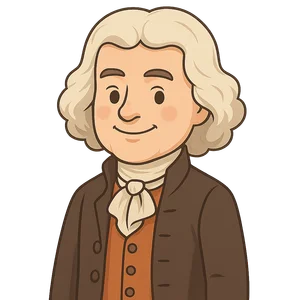
Thomas Jefferson
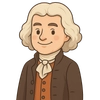
Thomas Jefferson was an American Founding Father, the primary drafter of the Declaration of Independence…
Reads at Grades 3–5 Listens at Grades 1–5
Print & create
Answer keys·No prep·Free with an account
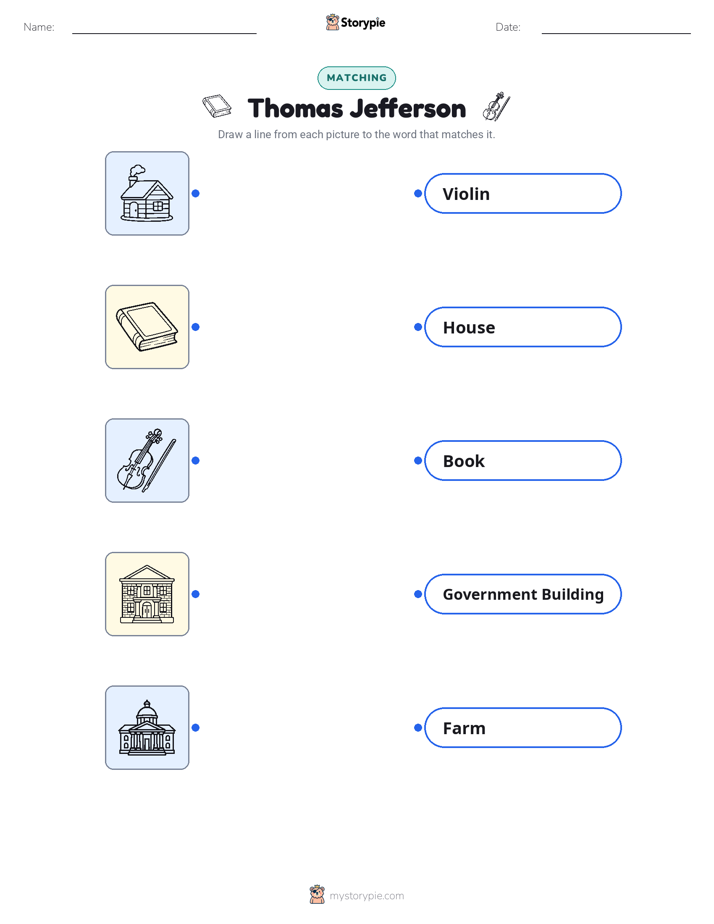
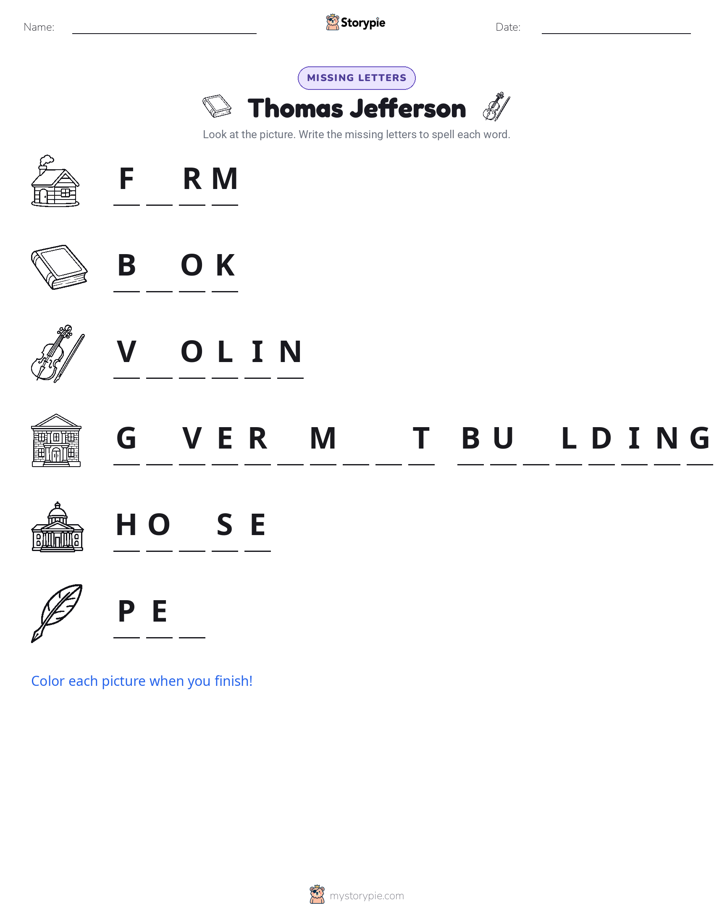
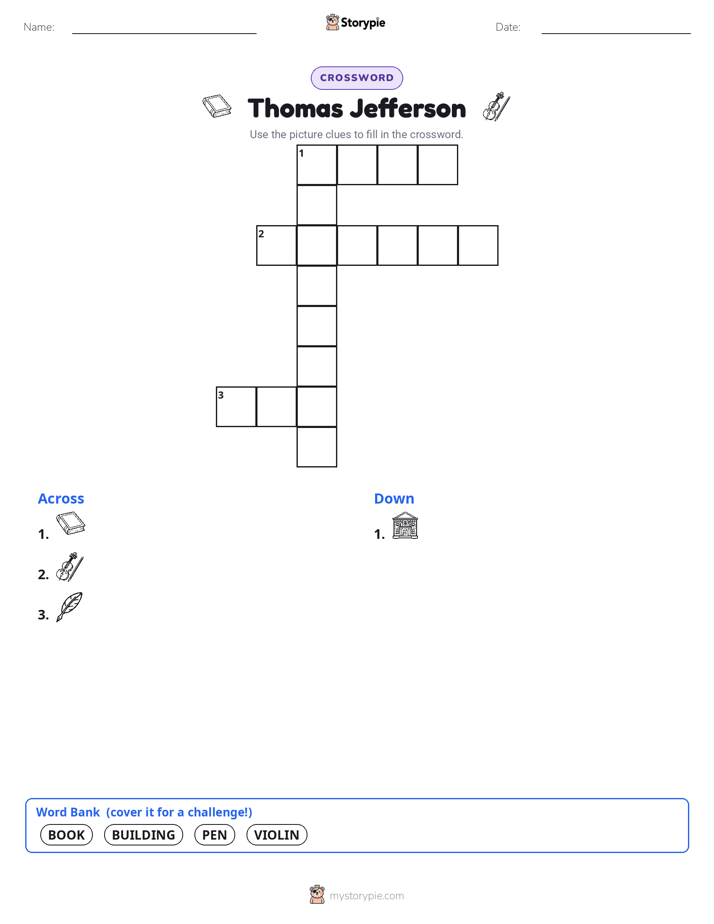
28 worksheets · answer keys · full story · quiz · Ages 8-10 · CEFR B1
Plus adds 102,000+ more stories in 27 languages, audio for every one, and printables for all of them.
Just want Thomas Jefferson?
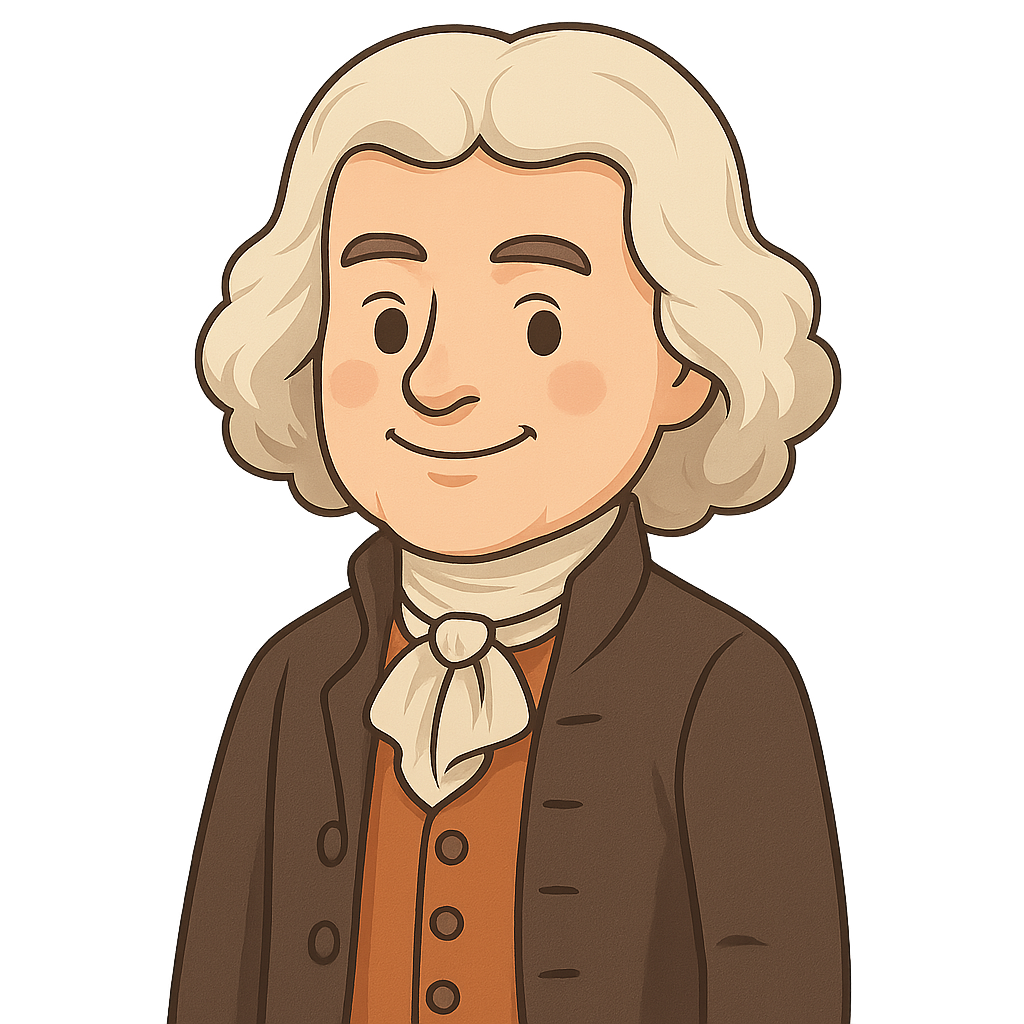
Hello! My name is Thomas Jefferson. I was born on April 13th, 1743, in Virginia, which was then a British colony. From a young age, I absolutely loved to read. I could spend hours and hours with my books, learning all about science, history, and the way the world worked. I also found great joy in playing my violin and exploring the beautiful outdoors around my family’s farm. My childhood home was a plantation called Shadwell. Later in my life, I would get to design and build my very own home, which I named Monticello. It's important to know that, like other plantations at that time, Monticello was a place where enslaved people lived and were forced to do most of the work.
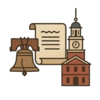
As I grew into a young man, I noticed that many people in the American colonies were starting to feel that it was time to be independent from Great Britain. In the hot summer of 1776, a group of colonial leaders gathered together in Philadelphia. They gave me a very important job: to write a document that would explain to the world why we wanted to be a free country. For days, I sat at my desk, thinking carefully and choosing each word with great precision. This document became the Declaration of Independence. I included some ideas that were new and powerful for that time, such as 'all men are created equal' and that everyone has the right to 'Life, Liberty and the pursuit of Happiness.' On July 4th, 1776, our leaders officially approved the Declaration, and with those words, a new nation was born.
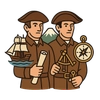
After the United States won its freedom in the Revolutionary War, I continued to serve our new country in many different ways. It was a great honor when, in 1801, I was elected to be the third president of the United States. One of the biggest and most exciting things that happened while I was president was the Louisiana Purchase in 1803. We bought a gigantic piece of land from France, which was so large that it nearly doubled the size of our young country! I was incredibly curious about what this new territory was like. I wanted to know about its rivers, mountains, plants, and animals. So, I asked two brave explorers, Meriwether Lewis and William Clark, to lead an expedition on a long journey to map it all out. Their amazing adventure helped Americans learn so much about the West.
Thomas Jefferson: A Founding Father's Story
Hello! My name is Thomas Jefferson. I was born on April 13th, 1743, in Virginia, which was then a British colony. From a young age, I absolutely loved to read. I could spend hours and hours with my books, learning all about science, history, and the way the world worked. I also found great joy in playing my violin and exploring the beautiful outdoors around my family’s farm. My childhood home was a plantation called Shadwell. Later in my life, I would get to design and build my very own home, which I named Monticello. It's important to know that, like other plantations at that time, Monticello was a place where enslaved people lived and were forced to do most of the work.
As I grew into a young man, I noticed that many people in the American colonies were starting to feel that it was time to be independent from Great Britain. In the hot summer of 1776, a group of colonial leaders gathered together in Philadelphia. They gave me a very important job: to write a document that would explain to the world why we wanted to be a free country. For days, I sat at my desk, thinking carefully and choosing each word with great precision. This document became the Declaration of Independence. I included some ideas that were new and powerful for that time, such as 'all men are created equal' and that everyone has the right to 'Life, Liberty and the pursuit of Happiness.' On July 4th, 1776, our leaders officially approved the Declaration, and with those words, a new nation was born.
After the United States won its freedom in the Revolutionary War, I continued to serve our new country in many different ways. It was a great honor when, in 1801, I was elected to be the third president of the United States. One of the biggest and most exciting things that happened while I was president was the Louisiana Purchase in 1803. We bought a gigantic piece of land from France, which was so large that it nearly doubled the size of our young country! I was incredibly curious about what this new territory was like. I wanted to know about its rivers, mountains, plants, and animals. So, I asked two brave explorers, Meriwether Lewis and William Clark, to lead an expedition on a long journey to map it all out. Their amazing adventure helped Americans learn so much about the West.
After serving two terms as president, I decided it was time to return to my home, Monticello. I retired from public life but I never stopped being busy. Monticello was my special project, and I was always tinkering with its design, adding new rooms, and filling it with my large collection of books, maps, and interesting inventions. I held a strong belief that education was one of the most important things for a country to have if it was going to succeed. I dreamed of creating a special place where people could study any subject they wanted. So, in 1819, I put my ideas into action and designed and founded the University of Virginia. Seeing it come to life was one of my proudest achievements.
I lived to be 83 years old. In a surprising twist of history, my life ended on July 4th, 1826—exactly 50 years to the day after the Declaration of Independence was adopted. Today, people remember me as one of America's Founding Fathers, the author of those powerful words about freedom, and a president who helped our nation grow. My ideas about liberty and learning continue to inspire people around the world, even as they also study the difficult parts of my story, like the fact that I owned enslaved people while writing about the importance of freedom for all.
Wow facts
About
Thomas Jefferson was an American Founding Father, the primary drafter of the Declaration of Independence, and the third President of the United States from 1801 to 1809.
Take a Quiz
Question 1 of 5
What was the name of the important document Thomas Jefferson wrote in 1776?
Explore next


Want to do even more?
Go beyond exploring. Unlock tools that turn every story into real learning.

Storypie Plus for families
Full stories, quizzes, and printables. Nights and car rides, sorted.
- Unlimited audio stories
- Create Mode: your child stars in the story
- Offline downloads
- Printable worksheets & coloring pages

Why Storypie for Schools
Students engaged. Prep in seconds. Evenings back to you.
- Worksheets & Quizzes
- Classroom Management
- Formative Assessment
- Custom Curriculum & Lesson Plans
- 27 Languages

Why Storypie for Homeschool
Curriculum done. They'll ask for more. Hours back in your day.
- Worksheet Generator
- First-Person Audio Stories
- Built-in Comprehension Quizzes
- Custom Curriculum & Lesson Plans
- Print & Go Activities