English

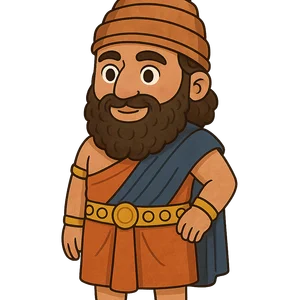
Ur-Nammu
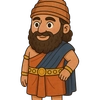
Ur-Nammu was the founder of the Sumerian Third Dynasty of Ur in ancient Mesopotamia.
Reads at Grades 6–8 Listens at Grades 4–8
Print & create
Answer keys·No prep·Free with an account
28 worksheets · answer keys · full story · quiz · Ages 10-12 · CEFR B2
Plus adds 280,000+ more stories in 27 languages, audio for every one, and printables for all of them.
Just want Ur-Nammu?
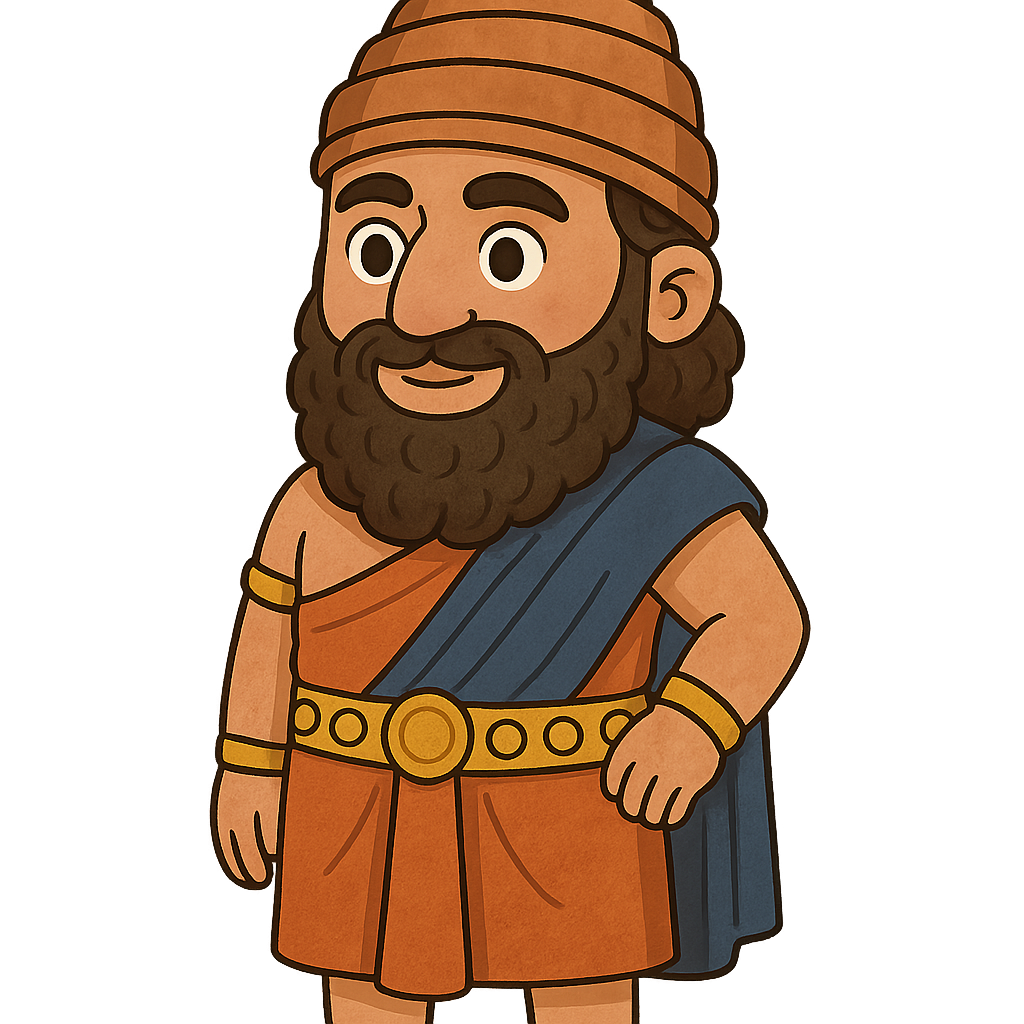
Hello, my name is Ur-Nammu. I lived a very long time ago in a land called Sumer, a part of the region you know as Mesopotamia. My story begins in a world of bustling cities built along the great Tigris and Euphrates rivers. This was a time of great change, as the powerful Akkadian Empire had fallen, leaving many lands in chaos. Before I became a king, I served the city of Ur as a general and a governor. I saw that our people needed a strong leader to bring back the peace and prosperity they once knew. The world around me was fragmented, and I believed it was my duty to restore order and protect our ancient traditions from being lost.
Around the year 2047 BCE, I saw an opportunity to unite the scattered cities of our land. I led my armies not just to conquer, but to bring people together. I became the king of Ur and started what historians now call the Third Dynasty of Ur. My goal was to forge a new kingdom, uniting the different cities of Sumer and Akkad under one peaceful rule. I didn't want to rule through fear; I wanted to create a society where people felt safe and could thrive. My mission was to repair what had been broken during the years of turmoil and build a strong foundation for the future.
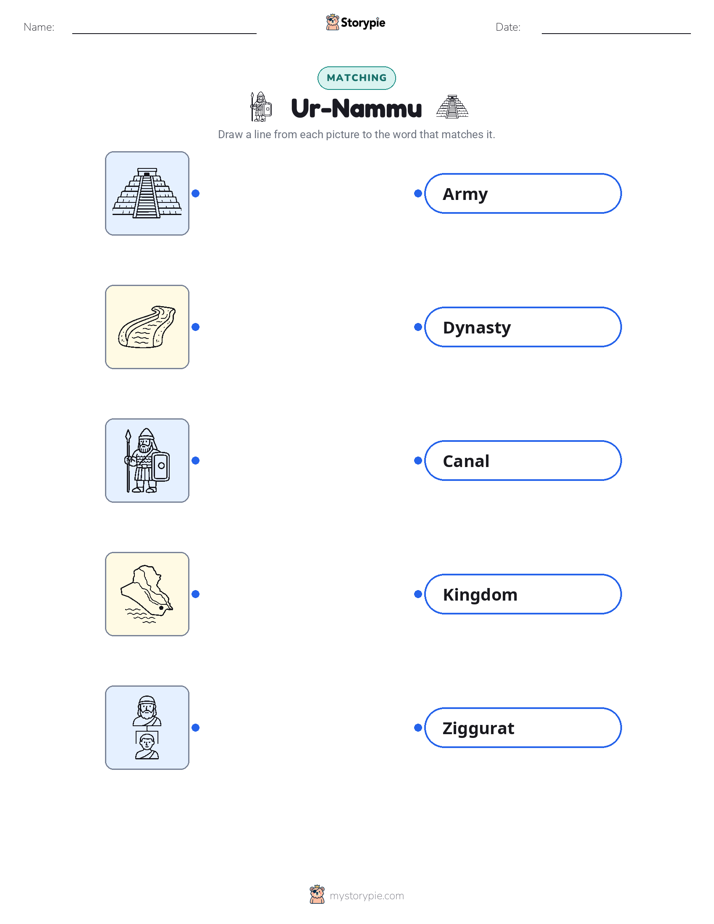
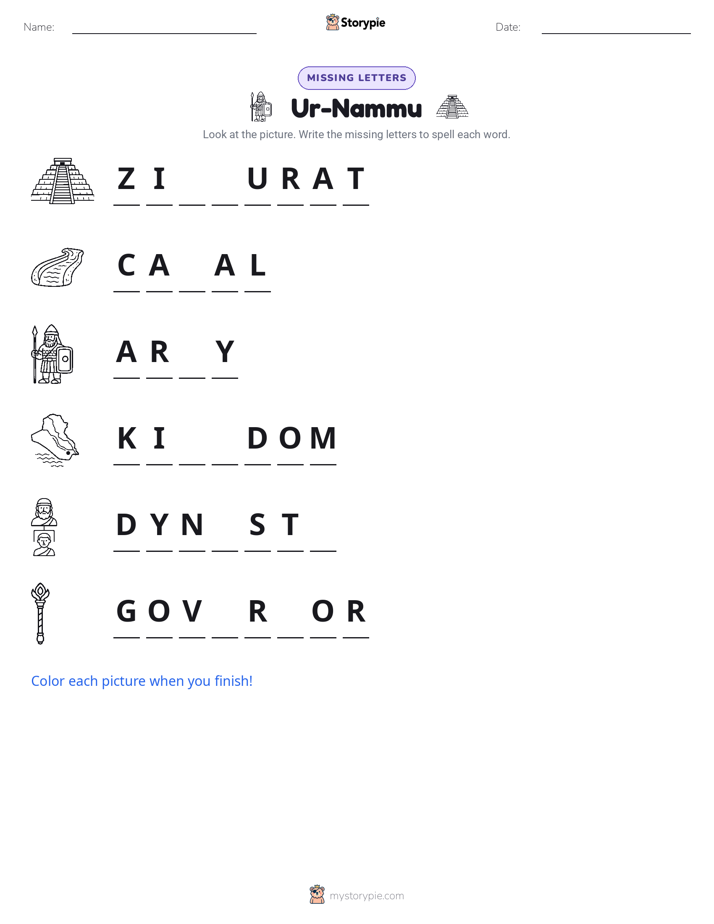
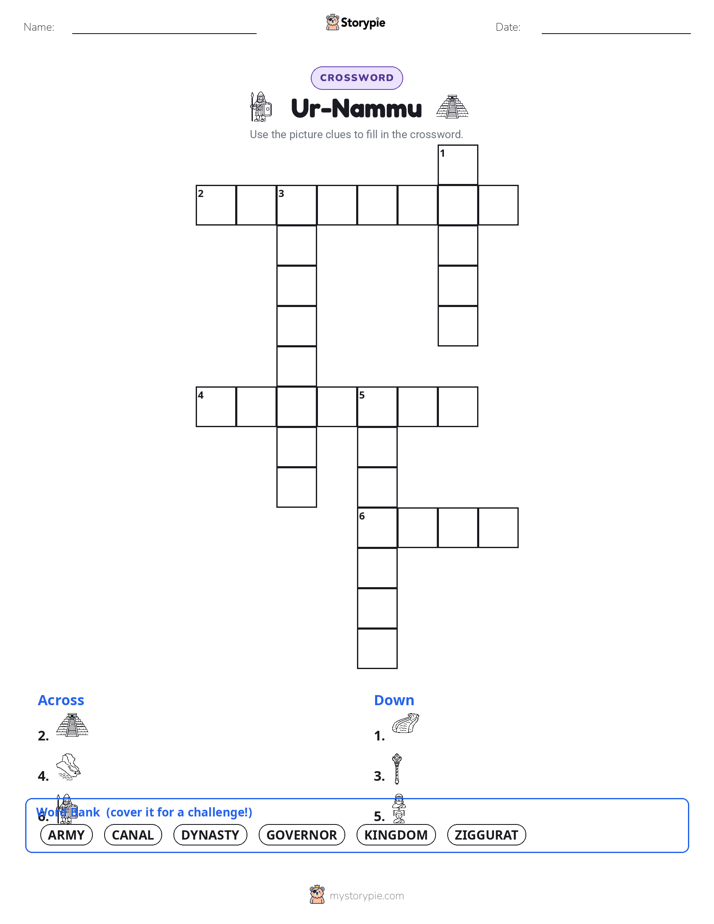
A king has a duty to honor the gods and care for his people, and I took these responsibilities seriously. I began many building projects across my kingdom to show our devotion and improve daily life. My most famous project was the Great Ziggurat in my capital city of Ur. This was a massive, stepped pyramid built to honor our city's patron god, Nanna, the god of the moon. It was more than just a temple; it was a powerful symbol of our city's connection to the heavens and a landmark that could be seen from miles away. To help my people, I also ordered the construction of new canals. These waterways brought water from the rivers to our farms, which helped our crops grow and ensured that everyone had enough to eat. I wanted my kingdom to be remembered for its beauty, its strength, and its prosperity.
Ur-Nammu: King of Sumer and Akkad
Hello, my name is Ur-Nammu. I lived a very long time ago in a land called Sumer, a part of the region you know as Mesopotamia. My story begins in a world of bustling cities built along the great Tigris and Euphrates rivers. This was a time of great change, as the powerful Akkadian Empire had fallen, leaving many lands in chaos. Before I became a king, I served the city of Ur as a general and a governor. I saw that our people needed a strong leader to bring back the peace and prosperity they once knew. The world around me was fragmented, and I believed it was my duty to restore order and protect our ancient traditions from being lost.
Around the year 2047 BCE, I saw an opportunity to unite the scattered cities of our land. I led my armies not just to conquer, but to bring people together. I became the king of Ur and started what historians now call the Third Dynasty of Ur. My goal was to forge a new kingdom, uniting the different cities of Sumer and Akkad under one peaceful rule. I didn't want to rule through fear; I wanted to create a society where people felt safe and could thrive. My mission was to repair what had been broken during the years of turmoil and build a strong foundation for the future.
A king has a duty to honor the gods and care for his people, and I took these responsibilities seriously. I began many building projects across my kingdom to show our devotion and improve daily life. My most famous project was the Great Ziggurat in my capital city of Ur. This was a massive, stepped pyramid built to honor our city's patron god, Nanna, the god of the moon. It was more than just a temple; it was a powerful symbol of our city's connection to the heavens and a landmark that could be seen from miles away. To help my people, I also ordered the construction of new canals. These waterways brought water from the rivers to our farms, which helped our crops grow and ensured that everyone had enough to eat. I wanted my kingdom to be remembered for its beauty, its strength, and its prosperity.
Perhaps my most important work was not something you could see, like a building, but an idea that would shape civilizations for thousands of years. I believed that justice was the foundation of any strong kingdom. To make this a reality, I created a set of laws for all my people to follow. This collection of laws is known today as the Code of Ur-Nammu, and it is one of the very first times a ruler wrote down laws for everyone to see and understand. My laws were designed to be fair. They protected the most vulnerable members of society, like widows and orphans, and made sure that the powerful could not take advantage of the weak. Instead of harsh physical punishments for every crime, many of my laws required people to pay fines, which was a new concept. I wanted to create a society based on truth and equity, where everyone was treated justly.
My reign as king lasted for about 18 years, and it came to an end around 2030 BCE. It is believed that my life ended on the battlefield, where I fell while fighting to protect the kingdom I had worked so hard to build. After my time, my son, Shulgi, became king. He continued my work, completing the Great Ziggurat and expanding our dynasty's influence even further. Though my life ended, my ideas lived on. I am remembered today as a unifier who brought peace to a fractured land, a great builder who honored the gods, and one of the first kings in history to write down laws that sought justice for all people. The foundation I laid helped the Sumerian culture flourish for many years to come.
Wow facts
About
Ur-Nammu was the founder of the Sumerian Third Dynasty of Ur in ancient Mesopotamia. He is best known for creating one of the earliest known law codes, the Code of Ur-Nammu, and for starting the building of the Ziggurat of Ur, which was finished by his son, Shulgi.
Take a Quiz
Question 1 of 5
According to the story, what was Ur-Nammu's primary goal when he became king around 2047 BCE?
Explore next




Want to do even more?
Go beyond exploring. Unlock tools that turn every story into real learning.

Storypie Plus for families
Full stories, quizzes, and printables. Nights and car rides, sorted.
- Unlimited audio stories
- Create Mode: your child stars in the story
- Offline downloads
- Printable worksheets & coloring pages

Why Storypie for Schools
Students engaged. Prep in seconds. Evenings back to you.
- Worksheets & Quizzes
- Classroom Management
- Formative Assessment
- Custom Curriculum & Lesson Plans
- 27 Languages

Why Storypie for Homeschool
Curriculum done. They'll ask for more. Hours back in your day.
- Worksheet Generator
- First-Person Audio Stories
- Built-in Comprehension Quizzes
- Custom Curriculum & Lesson Plans
- Print & Go Activities