English

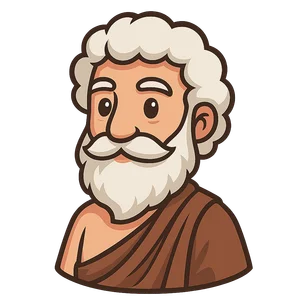
Vitruvius
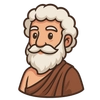
Marcus Vitruvius Pollio was a Roman architect, engineer, and author…
Reads at Grades 6–8 Listens at Grades 4–8
Print & create
Answer keys·No prep·Free with an account
28 worksheets · answer keys · full story · quiz · Ages 10-12 · CEFR B2
Plus adds 244,000+ more stories in 27 languages, audio for every one, and printables for all of them.
Just want Vitruvius?
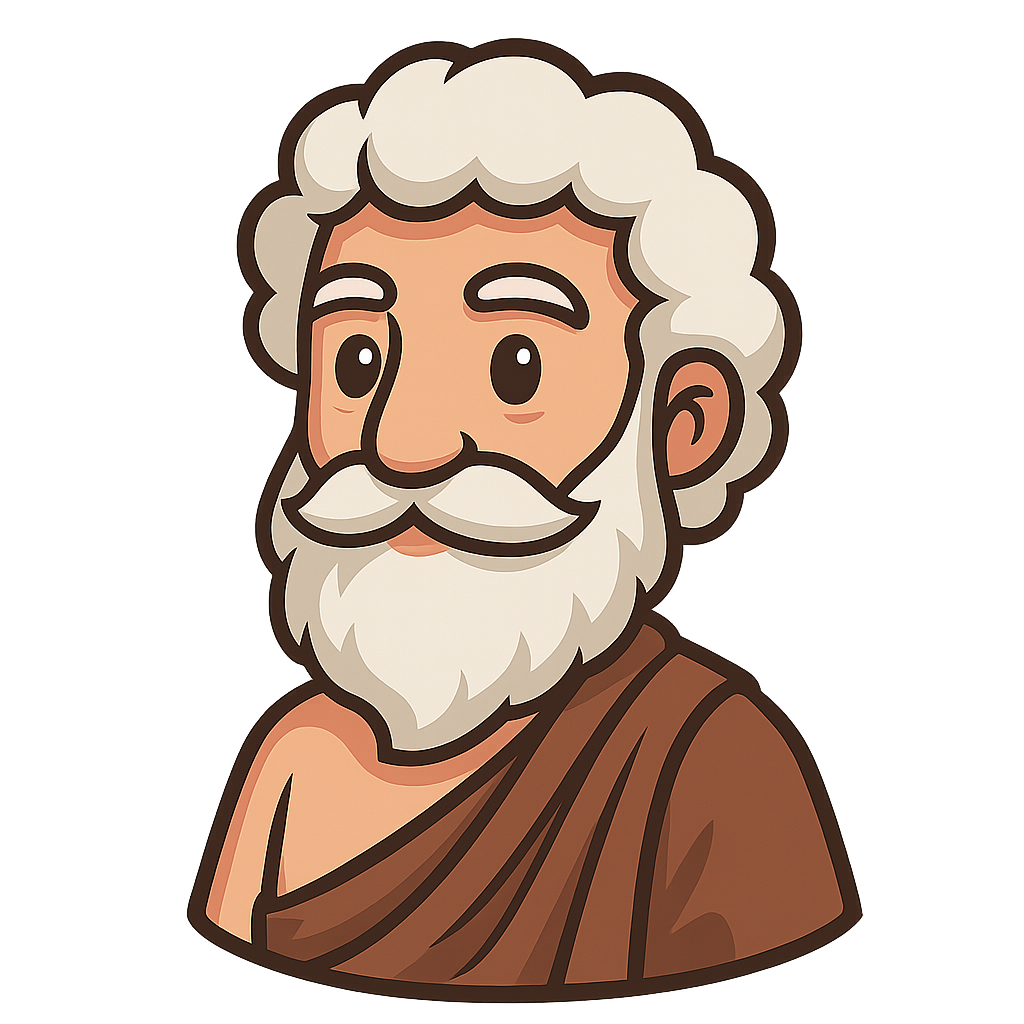
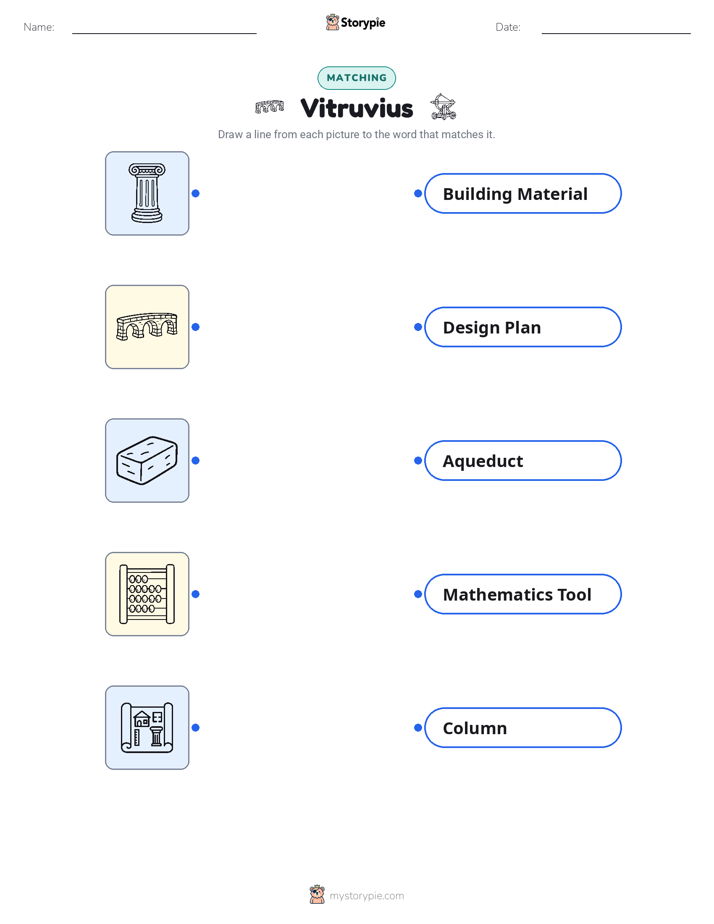
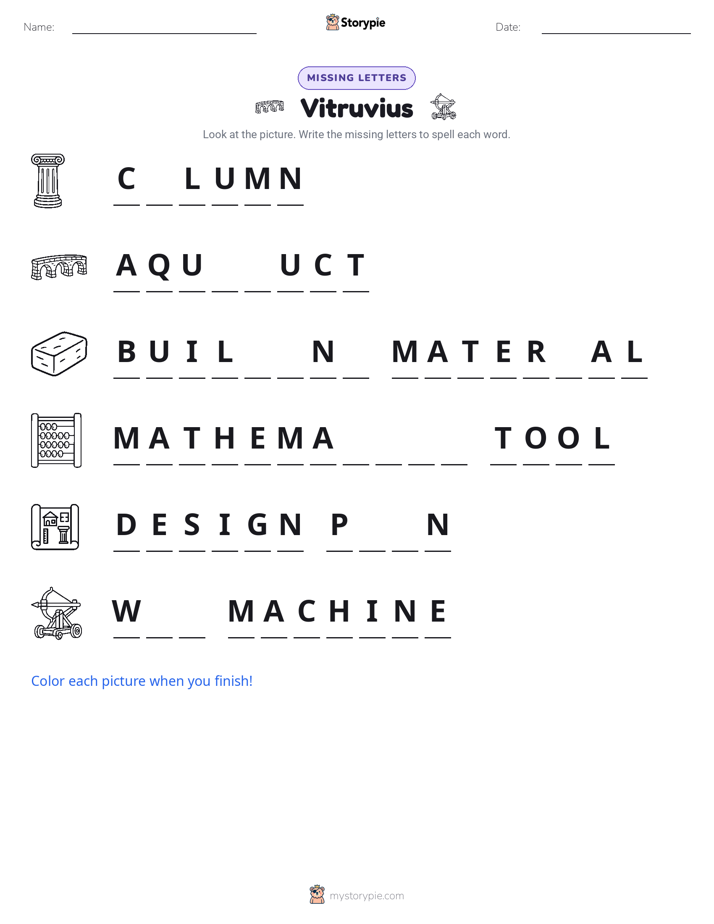
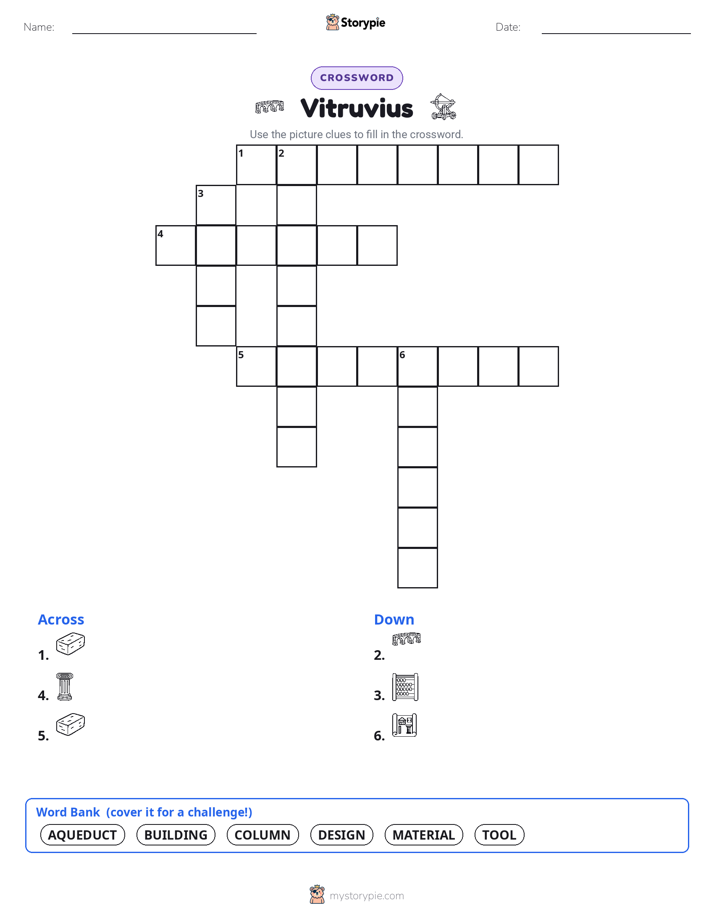
Hello! My name is Marcus Vitruvius Pollio, and I want to tell you my story. I was born in the Roman Republic around the year 80 BCE. The world I grew up in was a marvel of construction. Even as a boy, I was fascinated by how things were put together. I would look at our temples with their towering columns, our aqueducts that carried water for miles, and our perfectly straight roads and wonder, 'How did they do that?' This curiosity drove me to learn everything I could about building materials, mathematics, and design. I spent my youth studying the principles behind these great works, dreaming that one day I would create magnificent structures myself that would stand the test of time.
When I grew up, I joined the Roman army, but not as a typical soldier who fought with a sword and shield. My skills were with plans and machines. I served as a military engineer under the great general Julius Caesar during his campaigns in Gaul, which began around 58 BCE. My job was to design and build powerful war machines to help the legions succeed. I was in charge of the artillery, like the *ballista*, which was a giant crossbow that could launch heavy darts over long distances, and the *scorpio*, a smaller but equally mighty projectile launcher. It was my mind, not just my muscle, that helped Rome expand its influence. Traveling with the army was a unique education; it taught me so much about building in different lands and with different materials, adapting my designs to the challenges of new environments.
Vitruvius: The Architect of Rome
Hello! My name is Marcus Vitruvius Pollio, and I want to tell you my story. I was born in the Roman Republic around the year 80 BCE. The world I grew up in was a marvel of construction. Even as a boy, I was fascinated by how things were put together. I would look at our temples with their towering columns, our aqueducts that carried water for miles, and our perfectly straight roads and wonder, 'How did they do that?' This curiosity drove me to learn everything I could about building materials, mathematics, and design. I spent my youth studying the principles behind these great works, dreaming that one day I would create magnificent structures myself that would stand the test of time.
When I grew up, I joined the Roman army, but not as a typical soldier who fought with a sword and shield. My skills were with plans and machines. I served as a military engineer under the great general Julius Caesar during his campaigns in Gaul, which began around 58 BCE. My job was to design and build powerful war machines to help the legions succeed. I was in charge of the artillery, like the ballista, which was a giant crossbow that could launch heavy darts over long distances, and the scorpio, a smaller but equally mighty projectile launcher. It was my mind, not just my muscle, that helped Rome expand its influence. Traveling with the army was a unique education; it taught me so much about building in different lands and with different materials, adapting my designs to the challenges of new environments.
After years of war, Rome entered a new era. The Republic, which had governed us for centuries, ended, and in 27 BCE, our first emperor, Augustus, came to power. This was a time of great change. Augustus wanted to transform Rome from a city of brick into a city of marble, making it the most beautiful and impressive city in the world. Fortunately for me, the emperor knew of my work and granted me a pension. This regular payment meant I had the freedom and financial security to step away from military life and focus on my true passion: architecture. Though I advised on many projects during this time of peace, I personally wrote about overseeing the construction of a grand public building, a basilica, in a town called Fanum Fortunae. It was a place for law courts and business, and I designed it carefully to be strong, useful, and beautiful.
As I grew older, I realized that all the knowledge I had gained over my lifetime—from studying Greek philosophy to engineering Roman war machines—could be lost if it wasn't recorded. So, I decided to write it all down for future generations. Between the years 30 and 15 BCE, I wrote a comprehensive ten-volume book called De architectura, which means 'On Architecture.' I dedicated this great work to Emperor Augustus, hoping to provide him with principles for his ambitious building program. In my book, I explained that every building must have three essential qualities: firmitas (strength), utilitas (usefulness), and venustas (beauty). I wrote about everything from city planning and building materials to water clocks and acoustics. I even described how the proportions of the human body could be a model for the perfect temple, an idea about a person fitting perfectly inside a circle and a square.
I lived a full life dedicated to the art and science of building. After I was gone, my book, De architectura, was copied by hand by scribes, but over the centuries, it became very rare. For more than a thousand years, my work was almost forgotten, hidden away in monasteries. Then, in the year 1414, a complete copy was discovered. It was like my voice could speak again to a whole new world! My ideas about proportion, harmony, and design inspired a whole new era of art and building called the Renaissance. A brilliant artist and inventor named Leonardo da Vinci was so inspired that he drew a famous picture based on my words about the human body's proportions, which you might know today as the 'Vitruvian Man'. My belief that buildings should be strong, useful, and beautiful still guides architects all over the world, showing that good ideas can last forever.
Wow facts
About
Marcus Vitruvius Pollio was a Roman architect, engineer, and author, best known for his multi-volume treatise 'De architectura,' which outlined the principles of classical architecture and engineering.
Take a Quiz
Question 1 of 5
What is the main idea of the section 'My Great Book: De architectura'?
Explore next




Want to do even more?
Go beyond exploring. Unlock tools that turn every story into real learning.

Storypie Plus for families
Full stories, quizzes, and printables. Nights and car rides, sorted.
- Unlimited audio stories
- Create Mode: your child stars in the story
- Offline downloads
- Printable worksheets & coloring pages

Why Storypie for Schools
Students engaged. Prep in seconds. Evenings back to you.
- Worksheets & Quizzes
- Classroom Management
- Formative Assessment
- Custom Curriculum & Lesson Plans
- 27 Languages

Why Storypie for Homeschool
Curriculum done. They'll ask for more. Hours back in your day.
- Worksheet Generator
- First-Person Audio Stories
- Built-in Comprehension Quizzes
- Custom Curriculum & Lesson Plans
- Print & Go Activities