English

Acids and Bases
Acids and Bases are two fundamental categories of chemical compounds that exhibit opposite properties…
Reads at Grades K-2 Listens at K–3
Print & create
Answer keys·No prep·Free with an account
28 worksheets · answer keys · full story · quiz · Ages 6-8 · CEFR A2
Plus adds 244,000+ more stories in 27 languages, audio for every one, and printables for all of them.
Just want Acids and Bases?
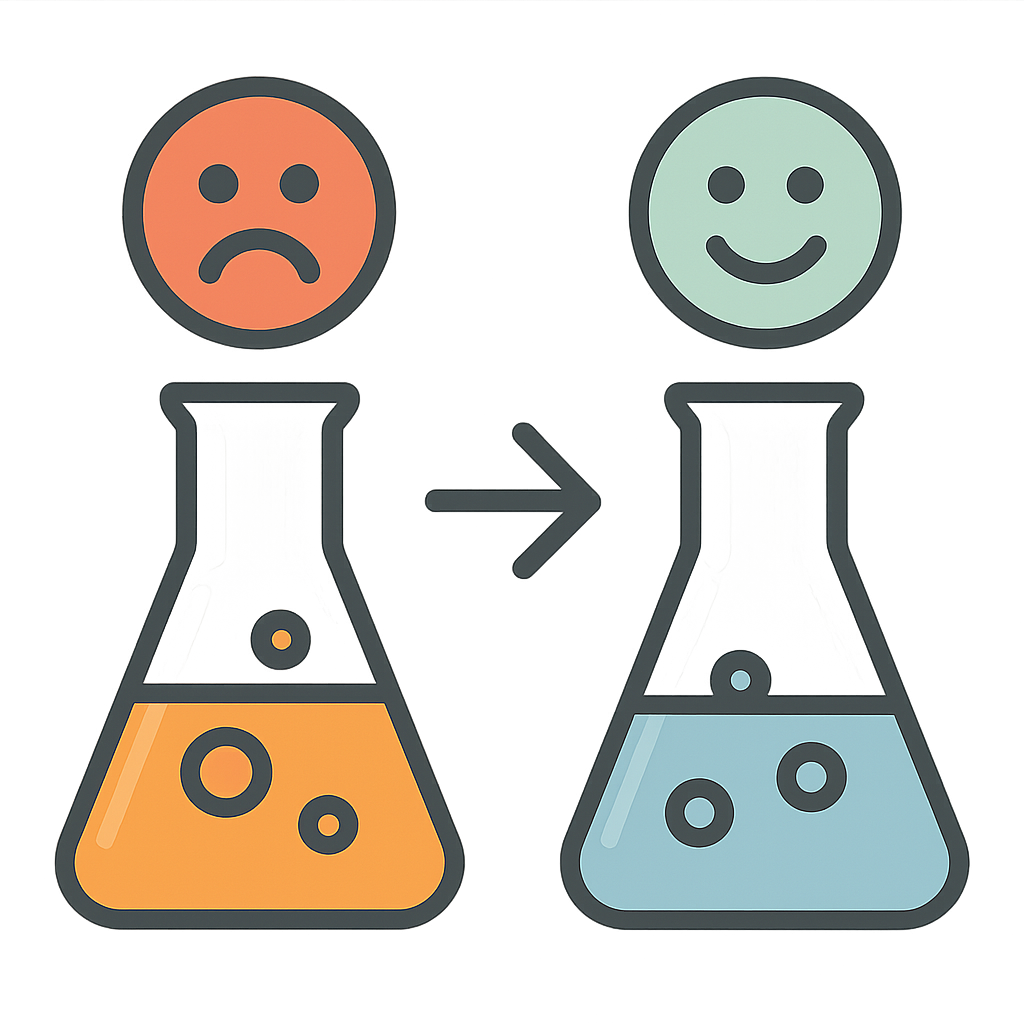
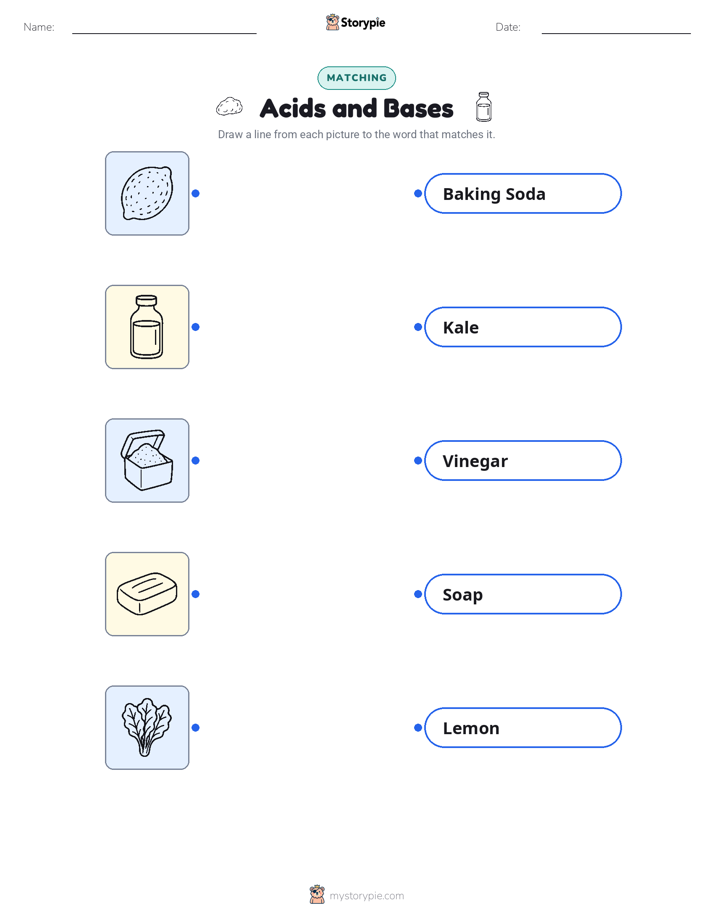
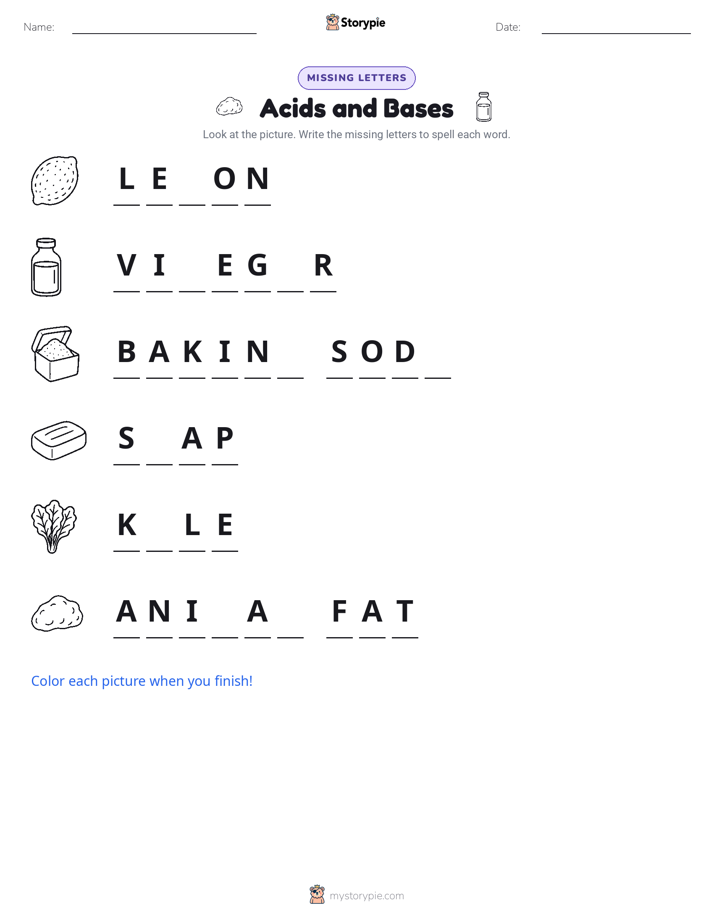
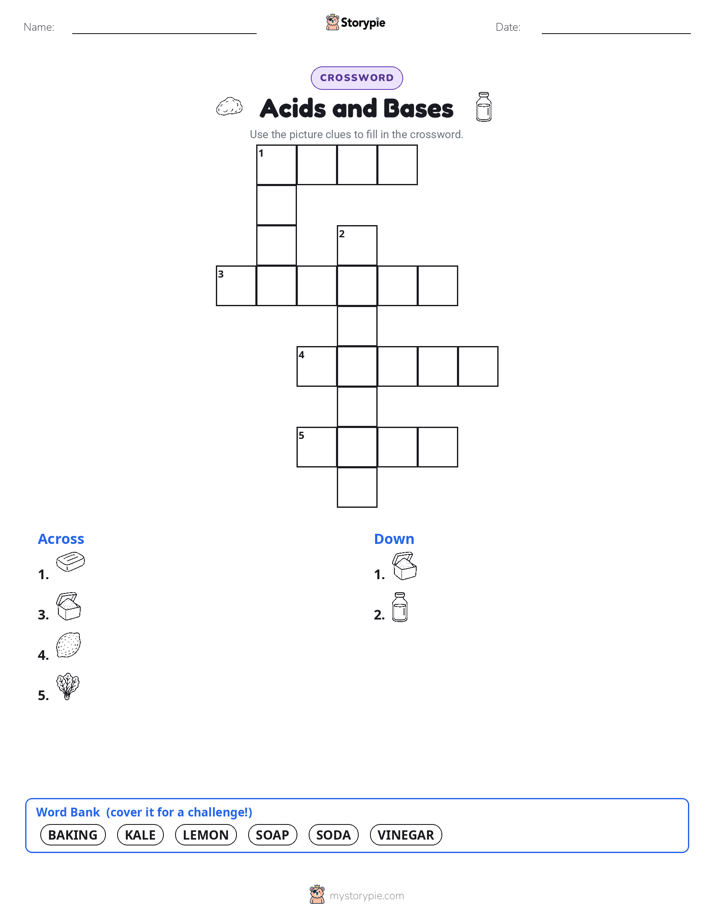
Have you ever bitten into a bright yellow lemon and felt your whole face pucker up. That zesty, super-sour taste is one part of me. Now, think about washing your hands. Have you ever noticed how a bar of soap feels all slithery and slippery between your fingers. That smooth, calming feeling is my other side. You might think we are completely different, like a lion and a lamb, but we are actually part of a secret team of opposites. One of us is zappy and sharp, and the other is gentle and smooth. You can find us everywhere—in the orange juice you drink, deep inside your tummy helping you digest your lunch, and even in the soap you use to get squeaky clean. We are opposites, but we work together. We are Acids and Bases.
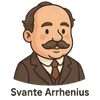
For a very, very long time, people knew about me, but only by how I tasted and felt. Way back in ancient Egypt and Rome, people used my sour acid side, which they found in vinegar, to keep their food fresh so it wouldn't spoil. They also figured out how to use my slippery base side. They took the ashes from burnt plants, which were full of bases, and mixed them with oils to create the world’s very first soaps. For centuries, that’s all people knew. Then, around the 8th century, a famous and curious person called an alchemist, named Jābir ibn Hayyān, started studying me very closely. He mixed me and measured me, trying to figure out my secrets. But my biggest tricks were still hidden. Hundreds of years later, in the year 1661, a scientist named Robert Boyle made an amazing discovery. He found out that I could change the colors of things. He saw that if he dipped a red flower petal into an acid, it might turn an even brighter red, but if he put it in a base, it could turn blue. He realized that acids and bases had special, predictable powers. Finally, in 1884, another scientist named Svante Arrhenius figured out my secret identity. He explained what made me an acid or a base at a tiny, invisible level that no one could see.
A Tale of Two Tastes
Have you ever bitten into a bright yellow lemon and felt your whole face pucker up. That zesty, super-sour taste is one part of me. Now, think about washing your hands. Have you ever noticed how a bar of soap feels all slithery and slippery between your fingers. That smooth, calming feeling is my other side. You might think we are completely different, like a lion and a lamb, but we are actually part of a secret team of opposites. One of us is zappy and sharp, and the other is gentle and smooth. You can find us everywhere—in the orange juice you drink, deep inside your tummy helping you digest your lunch, and even in the soap you use to get squeaky clean. We are opposites, but we work together. We are Acids and Bases.
For a very, very long time, people knew about me, but only by how I tasted and felt. Way back in ancient Egypt and Rome, people used my sour acid side, which they found in vinegar, to keep their food fresh so it wouldn't spoil. They also figured out how to use my slippery base side. They took the ashes from burnt plants, which were full of bases, and mixed them with oils to create the world’s very first soaps. For centuries, that’s all people knew. Then, around the 8th century, a famous and curious person called an alchemist, named Jābir ibn Hayyān, started studying me very closely. He mixed me and measured me, trying to figure out my secrets. But my biggest tricks were still hidden. Hundreds of years later, in the year 1661, a scientist named Robert Boyle made an amazing discovery. He found out that I could change the colors of things. He saw that if he dipped a red flower petal into an acid, it might turn an even brighter red, but if he put it in a base, it could turn blue. He realized that acids and bases had special, predictable powers. Finally, in 1884, another scientist named Svante Arrhenius figured out my secret identity. He explained what made me an acid or a base at a tiny, invisible level that no one could see.
Once my secrets were out, people could use my superpowers to do all sorts of incredible things. In 1909, a scientist named Søren Sørensen even invented a special ruler just for me called the pH scale. This scale helps measure my strength, from very acidic to very basic, so people know exactly how to use me safely. My powers are all around you, and even inside you. Your stomach uses a very strong acid to mash up all the food you eat for lunch. I am also in your kitchen. Have you ever helped bake a fluffy cake. That’s me at work. The baking soda you use is one of my bases, and it creates tiny bubbles that make the cake rise up tall and light. I also help keep the water in swimming pools clean so you can splash and play without worry. My energy helps power the batteries in your favorite toys, and I even help farmers grow the healthy, delicious food you eat. I am all about balance, and by understanding me, you help make the world a healthier, safer, and much more delicious place.
Wow facts
About
Acids and Bases are two fundamental categories of chemical compounds that exhibit opposite properties, react to neutralize each other, and are defined by their interactions involving protons or ions in a solution.
Take a Quiz
Question 1 of 4
What did people in ancient Egypt and Rome use the acid in vinegar for?
Explore next




Want to do even more?
Go beyond exploring. Unlock tools that turn every story into real learning.

Storypie Plus for families
Full stories, quizzes, and printables. Nights and car rides, sorted.
- Unlimited audio stories
- Create Mode: your child stars in the story
- Offline downloads
- Printable worksheets & coloring pages

Why Storypie for Schools
Students engaged. Prep in seconds. Evenings back to you.
- Worksheets & Quizzes
- Classroom Management
- Formative Assessment
- Custom Curriculum & Lesson Plans
- 27 Languages

Why Storypie for Homeschool
Curriculum done. They'll ask for more. Hours back in your day.
- Worksheet Generator
- First-Person Audio Stories
- Built-in Comprehension Quizzes
- Custom Curriculum & Lesson Plans
- Print & Go Activities