English

Cubism
An early-20th-century art movement, developed primarily by Pablo Picasso and Georges Braque…
Reads at Grades K-2 Listens at K–3
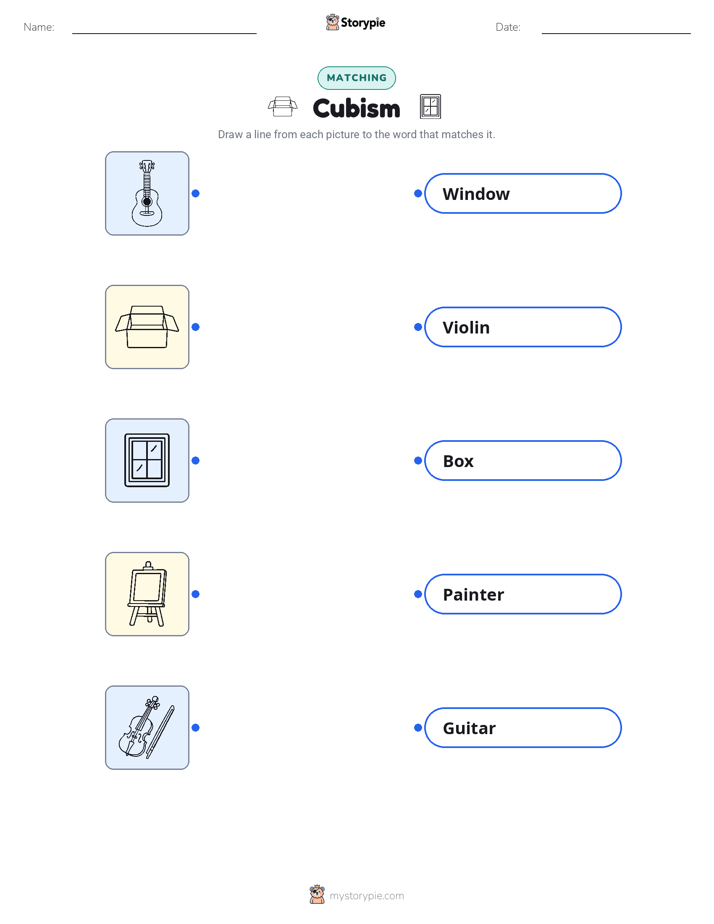
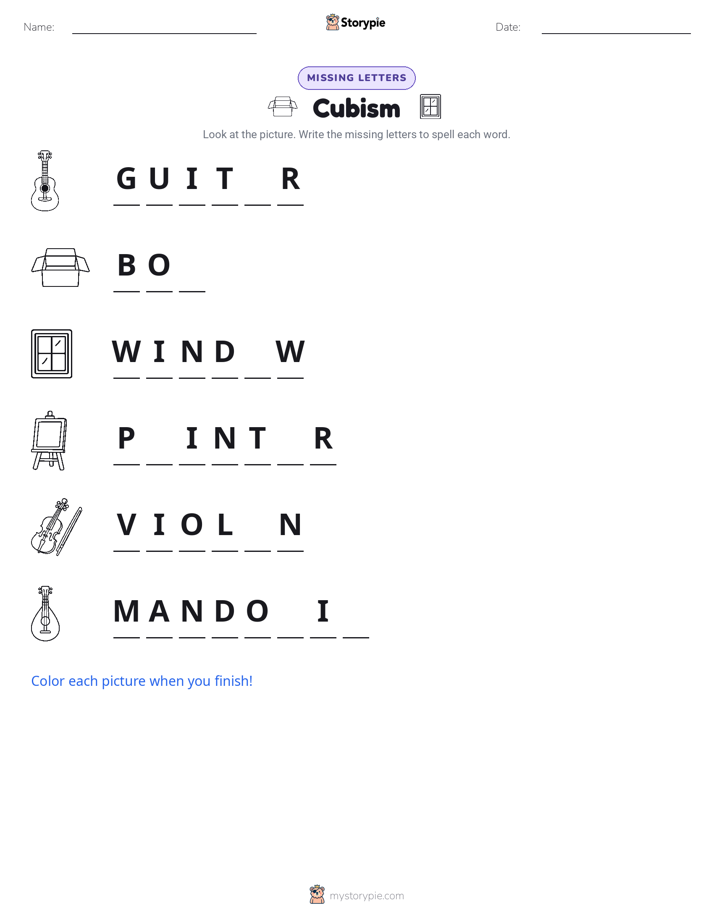
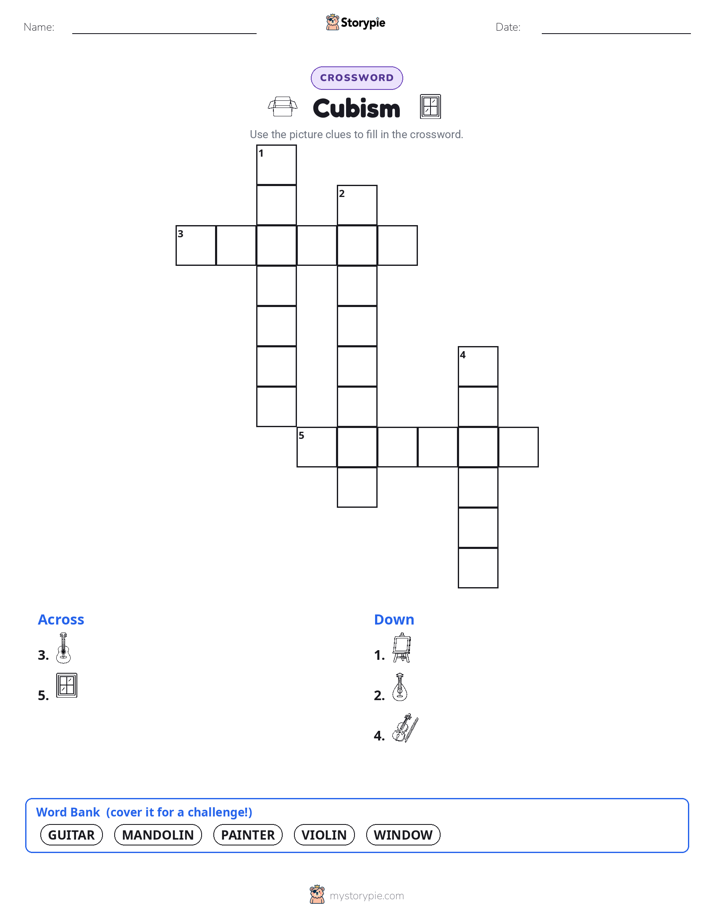
Print & create
Answer keys·No prep·Free with an account
28 worksheets · answer keys · full story · quiz · Ages 6-8 · CEFR A2
Plus adds 164,000+ more stories in 27 languages, audio for every one, and printables for all of them.
Just want Cubism?
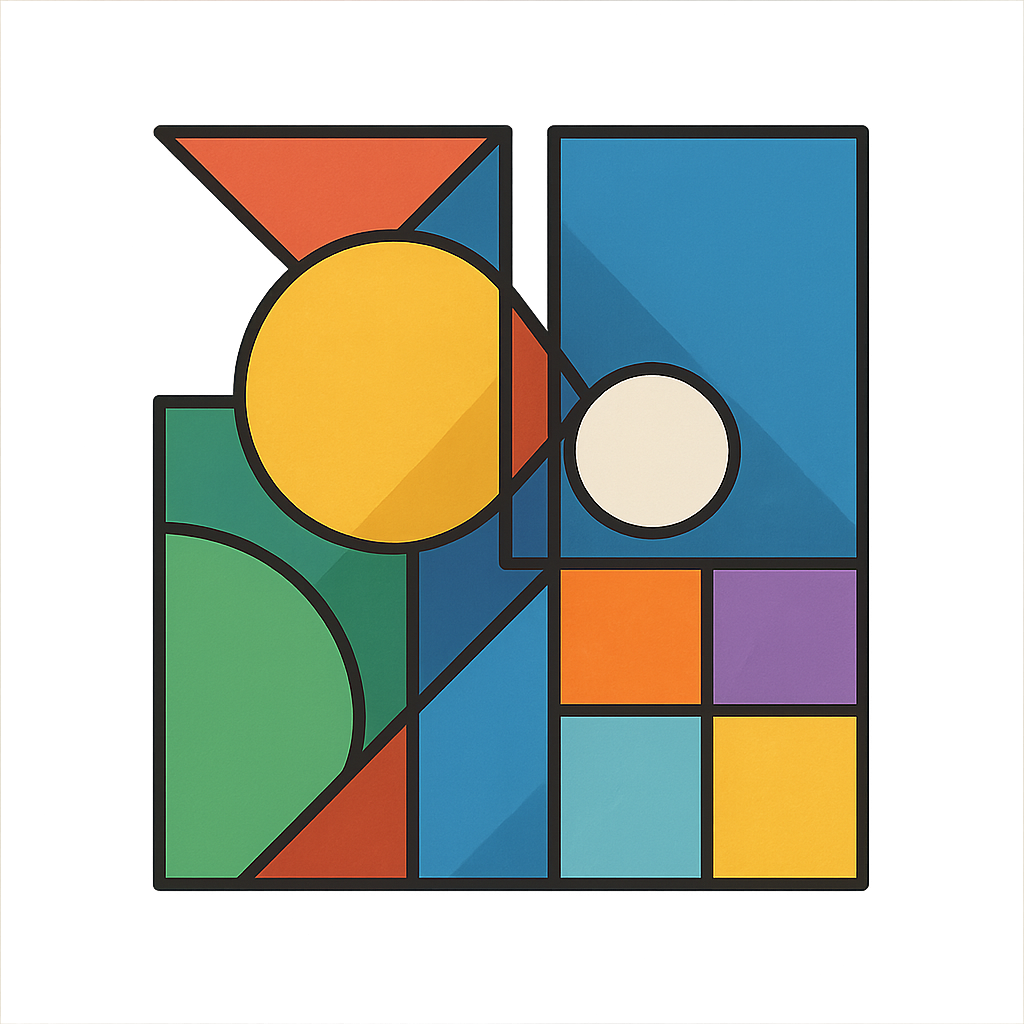
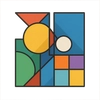
Imagine you could see the front, back, and sides of a juicy red apple all at the same time in one picture. It would look a little jumbled, like a fun puzzle, wouldn't it. Before I came along, paintings usually looked like a snapshot through a window, showing only one view of things. But I had a big idea and thought, 'Why not show ALL the views at once.'. I love to take things apart and see them as little shapes, like squares, circles, and triangles, and then put them back together in a brand new way. I am a new style of art that helps you see with your imagination, and my name is Cubism.
I came to life in a busy, beautiful city called Paris, France, a long, long time ago, around the year 1907. Two good friends who were artists, named Pablo Picasso and Georges Braque, helped the world meet me. They were getting a little tired of painting things to look exactly like they do in real life. They wanted to show more than just what your eye sees in a single peek. In 1907, Pablo painted a very famous picture called 'Les Demoiselles d'Avignon'. It showed people in a way no one had ever seen before, with sharp angles and flat-looking shapes. It was a big surprise for everyone. Soon after, he and Georges started working together, like two explorers on an exciting adventure. They would paint guitars, bowls of fruit, and people, but they would show them from the top, the bottom, and the sides, all mixed together in one picture. This first part of my life was called Analytical Cubism, because they were analyzing, or studying, objects by breaking them apart into shapes.
I Am Cubism
Imagine you could see the front, back, and sides of a juicy red apple all at the same time in one picture. It would look a little jumbled, like a fun puzzle, wouldn't it. Before I came along, paintings usually looked like a snapshot through a window, showing only one view of things. But I had a big idea and thought, 'Why not show ALL the views at once.'. I love to take things apart and see them as little shapes, like squares, circles, and triangles, and then put them back together in a brand new way. I am a new style of art that helps you see with your imagination, and my name is Cubism.
I came to life in a busy, beautiful city called Paris, France, a long, long time ago, around the year 1907. Two good friends who were artists, named Pablo Picasso and Georges Braque, helped the world meet me. They were getting a little tired of painting things to look exactly like they do in real life. They wanted to show more than just what your eye sees in a single peek. In 1907, Pablo painted a very famous picture called 'Les Demoiselles d'Avignon'. It showed people in a way no one had ever seen before, with sharp angles and flat-looking shapes. It was a big surprise for everyone. Soon after, he and Georges started working together, like two explorers on an exciting adventure. They would paint guitars, bowls of fruit, and people, but they would show them from the top, the bottom, and the sides, all mixed together in one picture. This first part of my life was called Analytical Cubism, because they were analyzing, or studying, objects by breaking them apart into shapes.
After a few years of exploring, around the year 1912, Pablo and Georges started playing with me in another new way. It was a big change. Instead of just using paint, they began adding real things right onto their paintings. They would glue on newspaper clippings, pretty bits of wallpaper, and even pieces of string. This was called Synthetic Cubism, because they were synthesizing, or building, their pictures with different materials. I wasn't just about paint anymore; I was about feeling different textures and seeing real-world objects in a new home. I was showing everyone that art could be made of anything at all and could look any way an artist imagined. I changed art forever by proving that there isn't just one single right way to see the world.
Today, I still inspire artists all over the world to look at things differently. I am a reminder that it’s a good thing to see things from many points of view, not just your own. It helps you understand things better. The next time you visit a museum and see a painting that looks like a colorful puzzle of shapes, you'll know me. I am Cubism, and I am here to help you see the whole, beautiful, jumbled-up picture of life.
Wow facts
About
An early-20th-century art movement, developed primarily by Pablo Picasso and Georges Braque, that depicts subjects from multiple viewpoints simultaneously using geometric shapes.
Take a Quiz
Question 1 of 4
Who were the two artist friends who helped the world meet Cubism?
Explore next



Want to do even more?
Go beyond exploring. Unlock tools that turn every story into real learning.

Storypie Plus for families
Full stories, quizzes, and printables. Nights and car rides, sorted.
- Unlimited audio stories
- Create Mode: your child stars in the story
- Offline downloads
- Printable worksheets & coloring pages

Why Storypie for Schools
Students engaged. Prep in seconds. Evenings back to you.
- Worksheets & Quizzes
- Classroom Management
- Formative Assessment
- Custom Curriculum & Lesson Plans
- 27 Languages

Why Storypie for Homeschool
Curriculum done. They'll ask for more. Hours back in your day.
- Worksheet Generator
- First-Person Audio Stories
- Built-in Comprehension Quizzes
- Custom Curriculum & Lesson Plans
- Print & Go Activities