English

Dew
Dew is water in the form of droplets that appears on surfaces near the ground in the morning or evening…
Reads at Grades 6–8 Listens at Grades 4–8
Print & create
Answer keys·No prep·Free with an account
28 worksheets · answer keys · full story · quiz · Ages 10-12 · CEFR B2
Plus adds 164,000+ more stories in 27 languages, audio for every one, and printables for all of them.
Just want Dew?
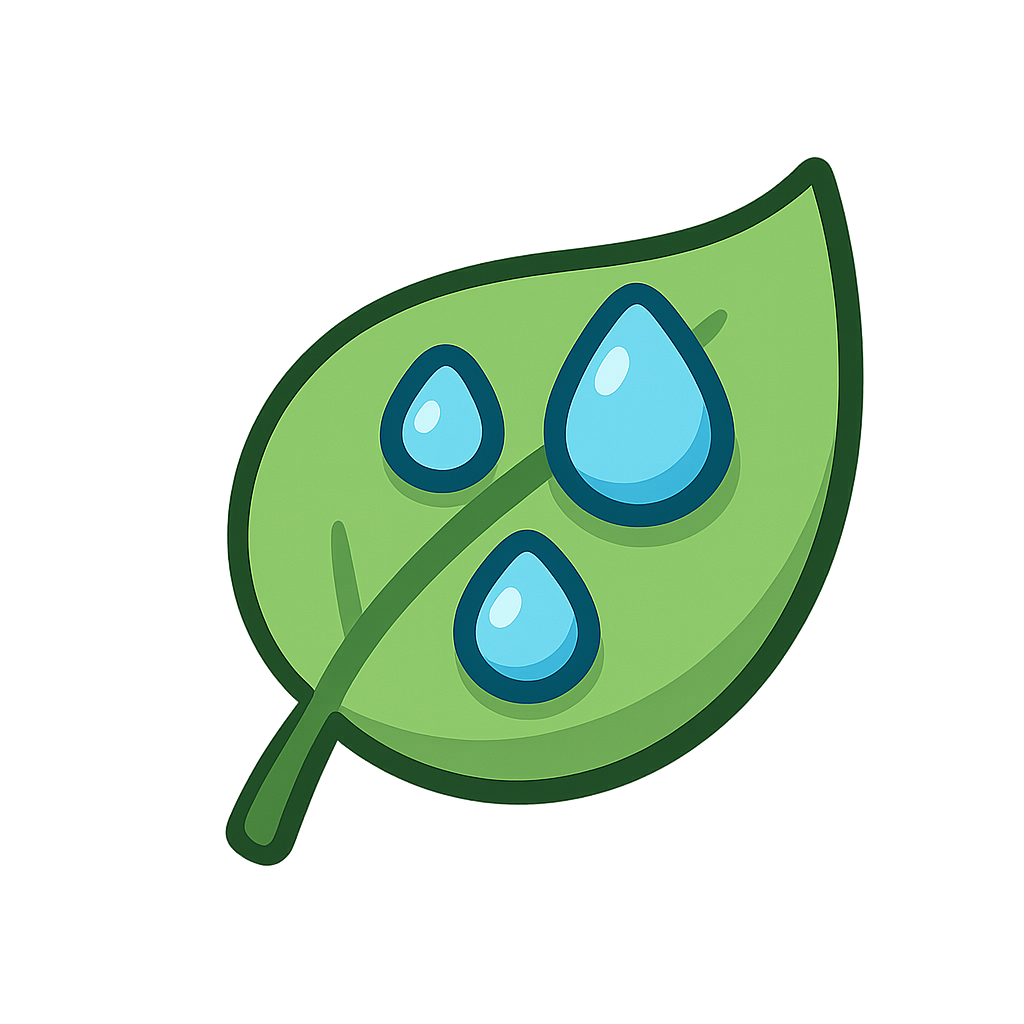
Before the sun peeks over the horizon, while the world is still hushed and sleeping, I get to work. I am a secret artist, a silent decorator of the night. With an invisible brush, I paint the world in millions of tiny, sparkling jewels. I trace the delicate lines of a spiderweb until it looks like a diamond necklace. I place a single, perfect droplet on the tip of a blade of grass. I gather on the soft petals of a rose, making it glisten as the first rays of dawn arrive. Have you ever walked outside in the very early morning and felt the cool, damp grass beneath your feet? Have you wondered where all that water came from, especially on a night with no clouds in the sky? That was me, paying a visit. I am not the rain; I don't rumble in the clouds or fall from great heights. I am a much quieter guest. I arrive only on still, clear nights when the air is calm. I am the cool breath of the earth itself, made visible. I am Dew.
For thousands of years, humans looked at me with wonder and tried to solve the puzzle of my existence. Your ideas were clever, but for a very long time, they were not quite right. A brilliant Greek philosopher named Aristotle, who lived way back in the 4th century BCE, spent a lot of time thinking about me. He decided I must be a special kind of rain, a gentle moisture that fell from the lower parts of the atmosphere when the air was clear. His ideas were so respected that for over two thousand years, that’s what most people believed. I would sparkle on the leaves, listening to people say, 'Ah, the dew has fallen,' and I would think to myself, 'Not quite!'. It was a grand misunderstanding. The real breakthrough in cracking my code didn't happen until much later. In 1751, a French physician named Charles Le Roy was observing me and noticed a critical clue. He realized that I only ever appeared on objects that were colder than the air around them. This was the key that would eventually unlock my secret. But the person who truly put all the pieces together was a dedicated doctor and scientist from London, William Charles Wells. He spent years conducting careful experiments, placing plates of glass and bits of wool outside on clear nights, measuring temperatures, and taking detailed notes. Finally, in 1814, he published a book called 'An Essay on Dew,' and the truth was revealed. He proved that I do not fall from the sky at all. I am born right where you find me. The air all around you holds water as an invisible gas called water vapor. Throughout the day, the sun warms the earth, but on a clear night, the ground and everything on it—grass, leaves, car roofs—loses its heat and gets cold. When the warm, moist air drifts by and touches these cold surfaces, it gets chilled. Cold air cannot hold as much water vapor as warm air, so it has to let some go. Right there, on that cool surface, the invisible vapor transforms into a liquid drop. That droplet is me.
The Secret of the Sparkling Grass
Before the sun peeks over the horizon, while the world is still hushed and sleeping, I get to work. I am a secret artist, a silent decorator of the night. With an invisible brush, I paint the world in millions of tiny, sparkling jewels. I trace the delicate lines of a spiderweb until it looks like a diamond necklace. I place a single, perfect droplet on the tip of a blade of grass. I gather on the soft petals of a rose, making it glisten as the first rays of dawn arrive. Have you ever walked outside in the very early morning and felt the cool, damp grass beneath your feet? Have you wondered where all that water came from, especially on a night with no clouds in the sky? That was me, paying a visit. I am not the rain; I don't rumble in the clouds or fall from great heights. I am a much quieter guest. I arrive only on still, clear nights when the air is calm. I am the cool breath of the earth itself, made visible. I am Dew.
For thousands of years, humans looked at me with wonder and tried to solve the puzzle of my existence. Your ideas were clever, but for a very long time, they were not quite right. A brilliant Greek philosopher named Aristotle, who lived way back in the 4th century BCE, spent a lot of time thinking about me. He decided I must be a special kind of rain, a gentle moisture that fell from the lower parts of the atmosphere when the air was clear. His ideas were so respected that for over two thousand years, that’s what most people believed. I would sparkle on the leaves, listening to people say, 'Ah, the dew has fallen,' and I would think to myself, 'Not quite!'. It was a grand misunderstanding. The real breakthrough in cracking my code didn't happen until much later. In 1751, a French physician named Charles Le Roy was observing me and noticed a critical clue. He realized that I only ever appeared on objects that were colder than the air around them. This was the key that would eventually unlock my secret. But the person who truly put all the pieces together was a dedicated doctor and scientist from London, William Charles Wells. He spent years conducting careful experiments, placing plates of glass and bits of wool outside on clear nights, measuring temperatures, and taking detailed notes. Finally, in 1814, he published a book called 'An Essay on Dew,' and the truth was revealed. He proved that I do not fall from the sky at all. I am born right where you find me. The air all around you holds water as an invisible gas called water vapor. Throughout the day, the sun warms the earth, but on a clear night, the ground and everything on it—grass, leaves, car roofs—loses its heat and gets cold. When the warm, moist air drifts by and touches these cold surfaces, it gets chilled. Cold air cannot hold as much water vapor as warm air, so it has to let some go. Right there, on that cool surface, the invisible vapor transforms into a liquid drop. That droplet is me.
My existence is more than just a clever scientific puzzle. I am a tiny drop of big importance. In the driest places on Earth, like vast deserts where rain is a rare gift, I am a lifeline. I provide the only moisture that small plants and insects might get for weeks, a crucial sip of water that allows them to survive until the next rainfall. Understanding my secret helps humans in very practical ways, too. Farmers know that if the conditions are right for me to form, they might also be right for my colder cousin, frost. Knowing this helps them protect their precious crops. Meteorologists, the scientists who forecast the weather, use something called the 'dew point'. That’s the exact temperature at which I will start to appear, and it gives them vital clues about the moisture in the air, helping them predict fog, clouds, and even storms. But my work isn't all about survival and science. I am a symbol of a fresh start, of the quiet beauty that arrives with every new day. I am a reminder that even the smallest things in nature hold incredible, complex stories. I represent the magic of transformation, turning the unseen into the seen. So, the next time you wake up early, I encourage you to go outside. Find me sparkling on a flower petal or a fence post. Touch a single, cool drop and remember the long journey of discovery it took to understand me, and the quiet, amazing science that brings me to life, night after night.
Wow facts
About
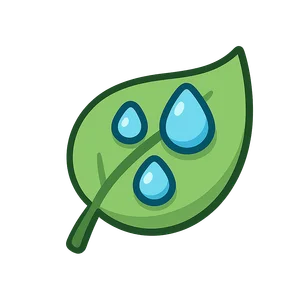
Dew is water in the form of droplets that appears on surfaces near the ground in the morning or evening, formed by the condensation of atmospheric water vapor.
Take a Quiz
Question 1 of 5
What is the main reason William Charles Wells is important in the story of Dew?
Explore next




Want to do even more?
Go beyond exploring. Unlock tools that turn every story into real learning.

Storypie Plus for families
Full stories, quizzes, and printables. Nights and car rides, sorted.
- Unlimited audio stories
- Create Mode: your child stars in the story
- Offline downloads
- Printable worksheets & coloring pages

Why Storypie for Schools
Students engaged. Prep in seconds. Evenings back to you.
- Worksheets & Quizzes
- Classroom Management
- Formative Assessment
- Custom Curriculum & Lesson Plans
- 27 Languages

Why Storypie for Homeschool
Curriculum done. They'll ask for more. Hours back in your day.
- Worksheet Generator
- First-Person Audio Stories
- Built-in Comprehension Quizzes
- Custom Curriculum & Lesson Plans
- Print & Go Activities