English


Herbivore
A herbivore is an animal anatomically and physiologically adapted to eating plant material, such as foliage…
Reads at Grades K-2 Listens at K–3
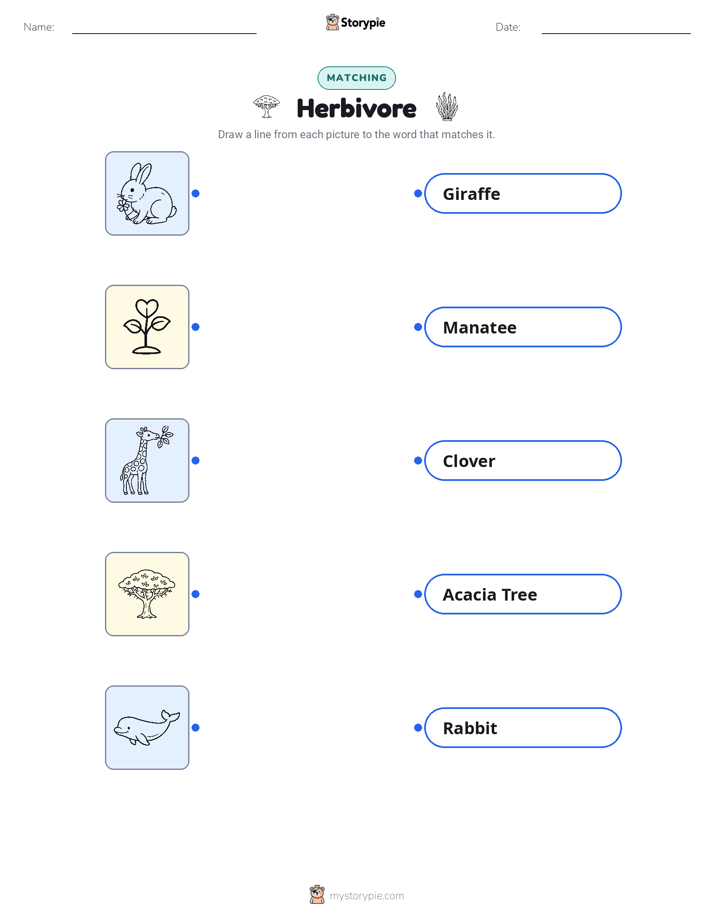
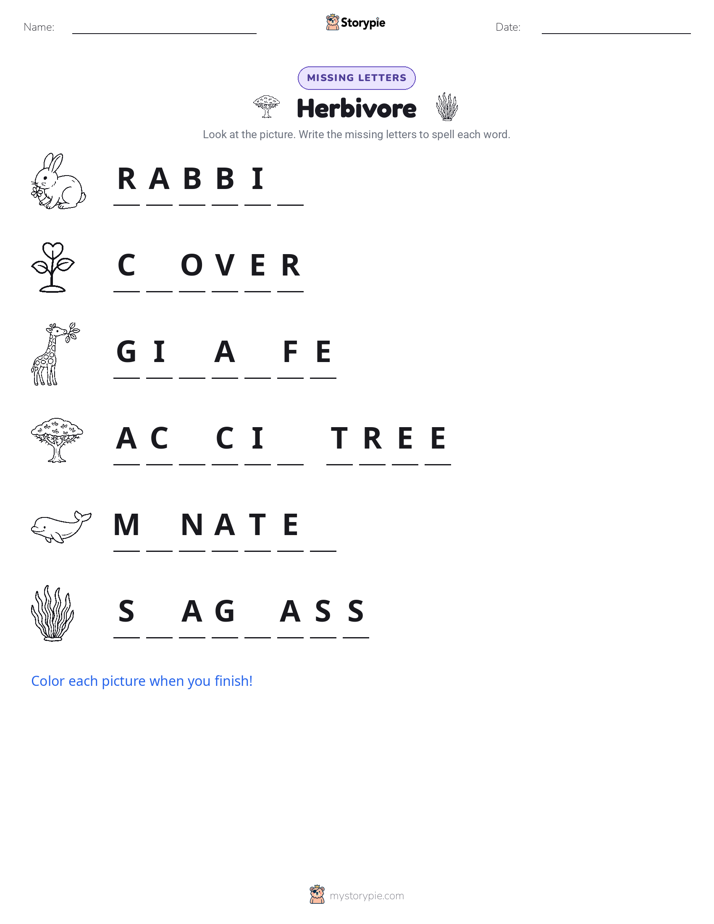
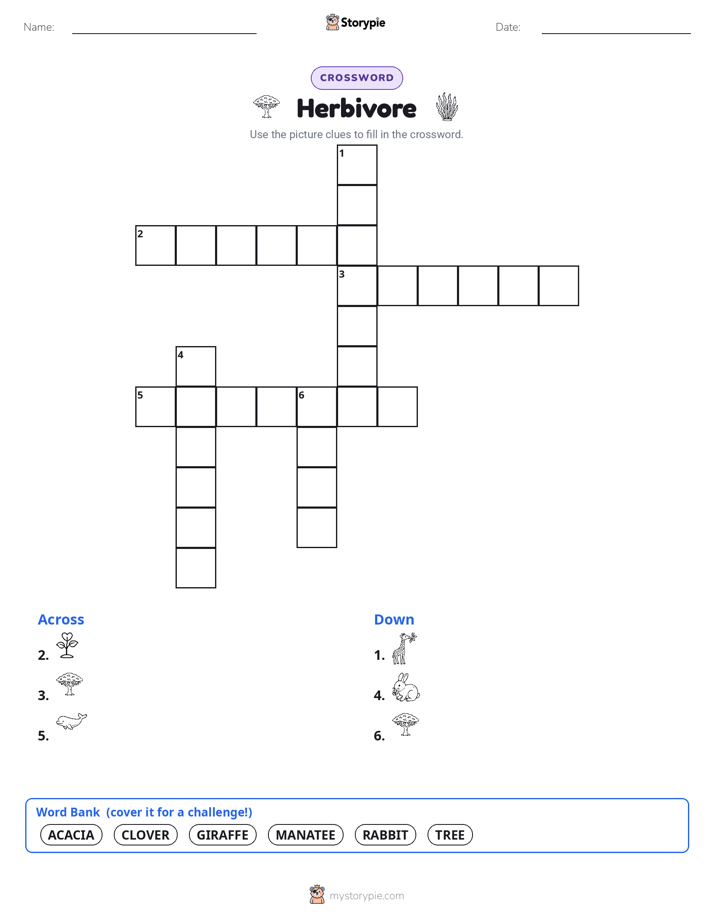
Print & create
Answer keys·No prep·Free with an account
28 worksheets · answer keys · full story · quiz · Ages 6-8 · CEFR A2
Plus adds 291,000+ more stories in 27 languages, audio for every one, and printables for all of them.
Just want Herbivore?

Do you ever wonder what it feels like to spend your day munching on crunchy leaves and sweet berries? Imagine having special flat teeth, perfect for grinding up yummy grass, or a long neck to reach the tastiest leaves high up in a tree. I get my energy straight from the plants, which get their power from the sun. I am a Herbivore, and my name means 'plant-eater.' From the tiniest caterpillar wiggling on a leaf to the biggest elephant stomping in the savanna, we are all part of my big family. We come in all shapes and sizes, but we all love the taste of green, growing things. It is a full-time job finding the best branches and juiciest fruits, but it is a delicious one.
My story began a very, very long time ago, even before the dinosaurs stomped the Earth. After the first plants started growing on land, it was not long before tiny bug-like creatures called arthropods began to nibble on them. The first clues of my existence are from a time called the Silurian period. It took a while for bigger animals to learn how to eat tough plants. During the Late Carboniferous period, about 300 million years ago, the first four-legged plant-eaters appeared. They had strong jaws and special teeth that could grind down chewy, fibrous meals. Later, huge dinosaurs like the ones in the Ornithischia group were all herbivores. For a long, long time, people just called us 'plant-eaters.' Then, in 1830, a scientist named Charles Lyell used a special Latin name for us: 'herbivora.' A little later, in 1854, another scientist named Richard Owen started using the English word you know today: Herbivore.
The Great Plant-Muncher
Do you ever wonder what it feels like to spend your day munching on crunchy leaves and sweet berries? Imagine having special flat teeth, perfect for grinding up yummy grass, or a long neck to reach the tastiest leaves high up in a tree. I get my energy straight from the plants, which get their power from the sun. I am a Herbivore, and my name means 'plant-eater.' From the tiniest caterpillar wiggling on a leaf to the biggest elephant stomping in the savanna, we are all part of my big family. We come in all shapes and sizes, but we all love the taste of green, growing things. It is a full-time job finding the best branches and juiciest fruits, but it is a delicious one.
My story began a very, very long time ago, even before the dinosaurs stomped the Earth. After the first plants started growing on land, it was not long before tiny bug-like creatures called arthropods began to nibble on them. The first clues of my existence are from a time called the Silurian period. It took a while for bigger animals to learn how to eat tough plants. During the Late Carboniferous period, about 300 million years ago, the first four-legged plant-eaters appeared. They had strong jaws and special teeth that could grind down chewy, fibrous meals. Later, huge dinosaurs like the ones in the Ornithischia group were all herbivores. For a long, long time, people just called us 'plant-eaters.' Then, in 1830, a scientist named Charles Lyell used a special Latin name for us: 'herbivora.' A little later, in 1854, another scientist named Richard Owen started using the English word you know today: Herbivore.
Being a herbivore is a very important job. In nature’s food chain, I am what is called a primary consumer. That is a fancy way of saying I take the energy from plants and turn it into energy for myself. Then, other animals, called carnivores, might eat me, passing that energy along. Think of cows grazing in a field, rabbits nibbling on clover, or even your pet guinea pig munching happily on hay. When you see them, you are watching my story in action. We are all part of a big, beautiful cycle that keeps the world going strong. By eating plants, I help move energy all the way from the sun to so many amazing animals. I am the bridge that connects the power of sunshine and plants to the rest of the animal kingdom.
Wow facts
About
A herbivore is an animal anatomically and physiologically adapted to eating plant material, such as foliage, fruits, or seeds, as the main component of its diet.
Take a Quiz
Question 1 of 4
What does the name 'Herbivore' mean?
Explore next





Want to do even more?
Go beyond exploring. Unlock tools that turn every story into real learning.
Storypie Plus for families
Full stories, quizzes, and printables. Nights and car rides, sorted.
- Unlimited audio stories
- Create Mode: your child stars in the story
- Offline downloads
- Printable worksheets & coloring pages

Why Storypie for Schools
Students engaged. Prep in seconds. Evenings back to you.
- Worksheets & Quizzes
- Classroom Management
- Formative Assessment
- Custom Curriculum & Lesson Plans
- 27 Languages

Why Storypie for Homeschool
Curriculum done. They'll ask for more. Hours back in your day.
- Worksheet Generator
- First-Person Audio Stories
- Built-in Comprehension Quizzes
- Custom Curriculum & Lesson Plans
- Print & Go Activities