English

IUCN Endangered Species
A system of classifying species at high risk of global extinction…
Reads at Grades 3–5 Listens at Grades 1–5
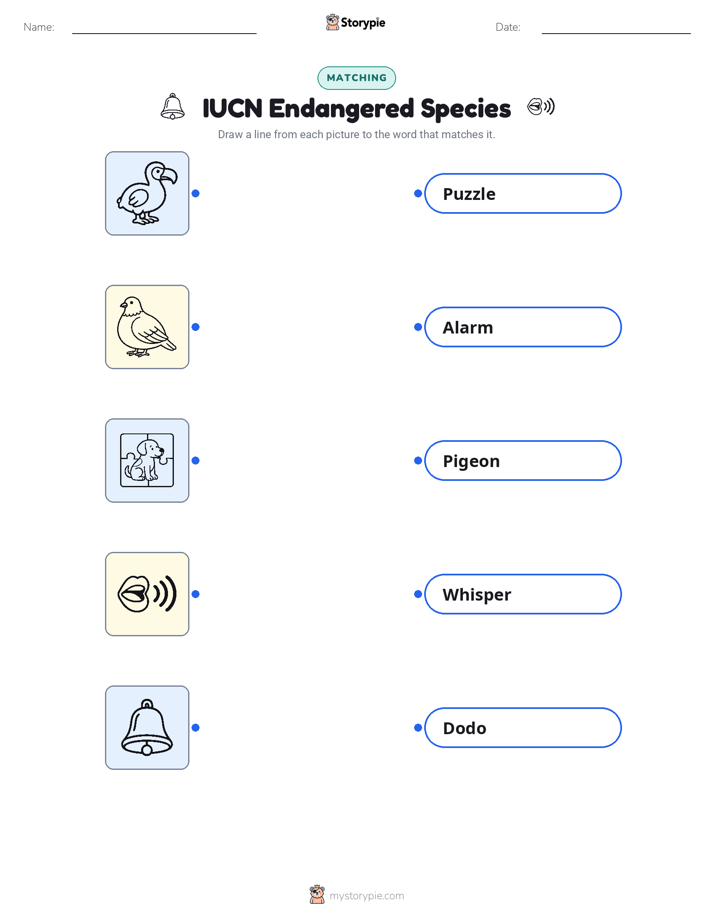
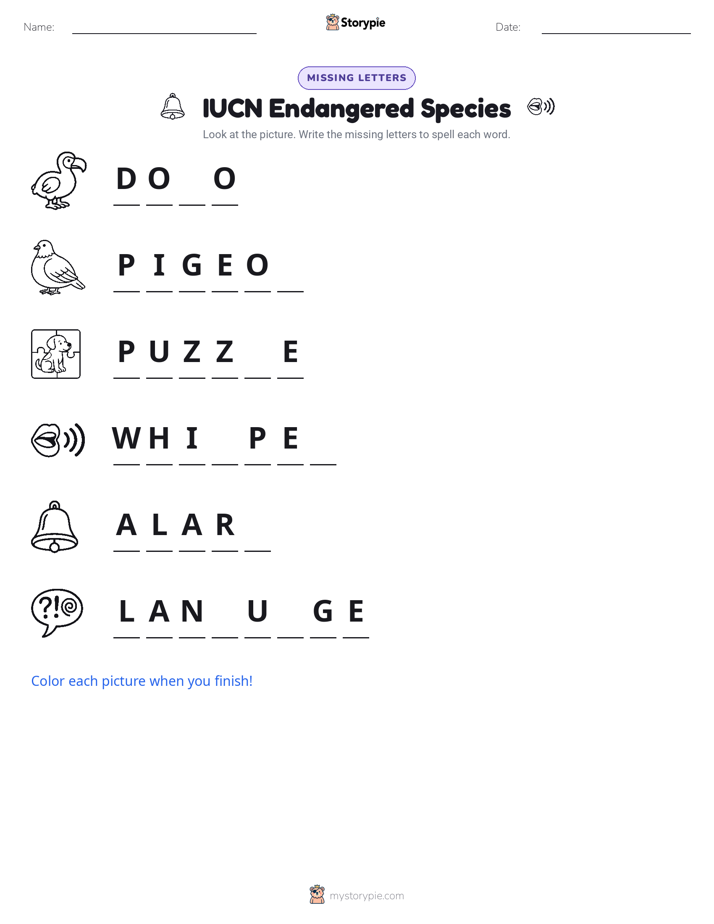
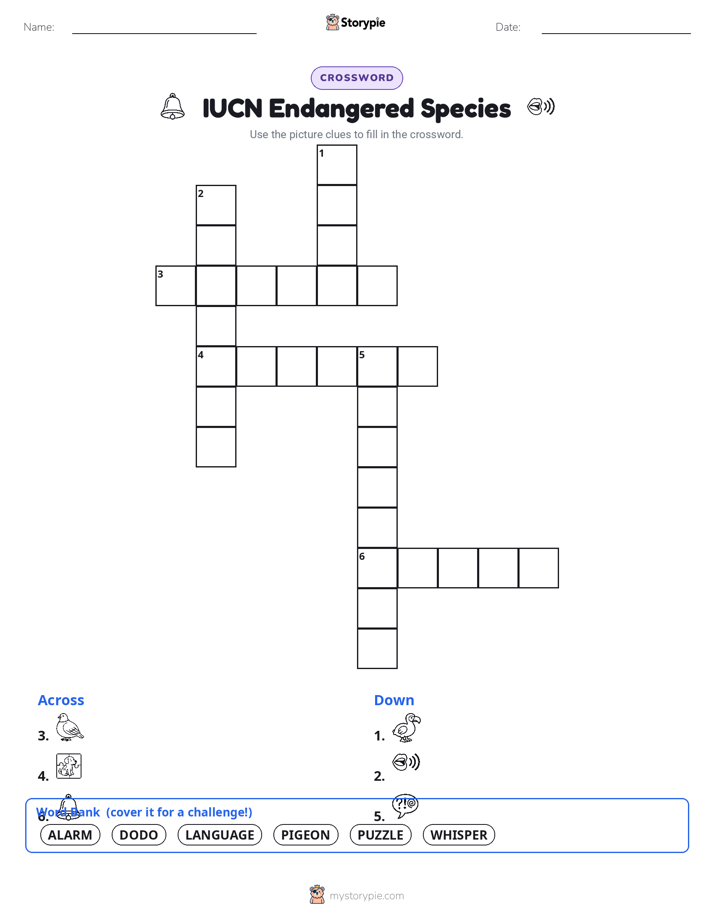
Print & create
Answer keys·No prep·Free with an account
28 worksheets · answer keys · full story · quiz · Ages 8-10 · CEFR B1
Plus adds 244,000+ more stories in 27 languages, audio for every one, and printables for all of them.
Just want IUCN Endangered Species?
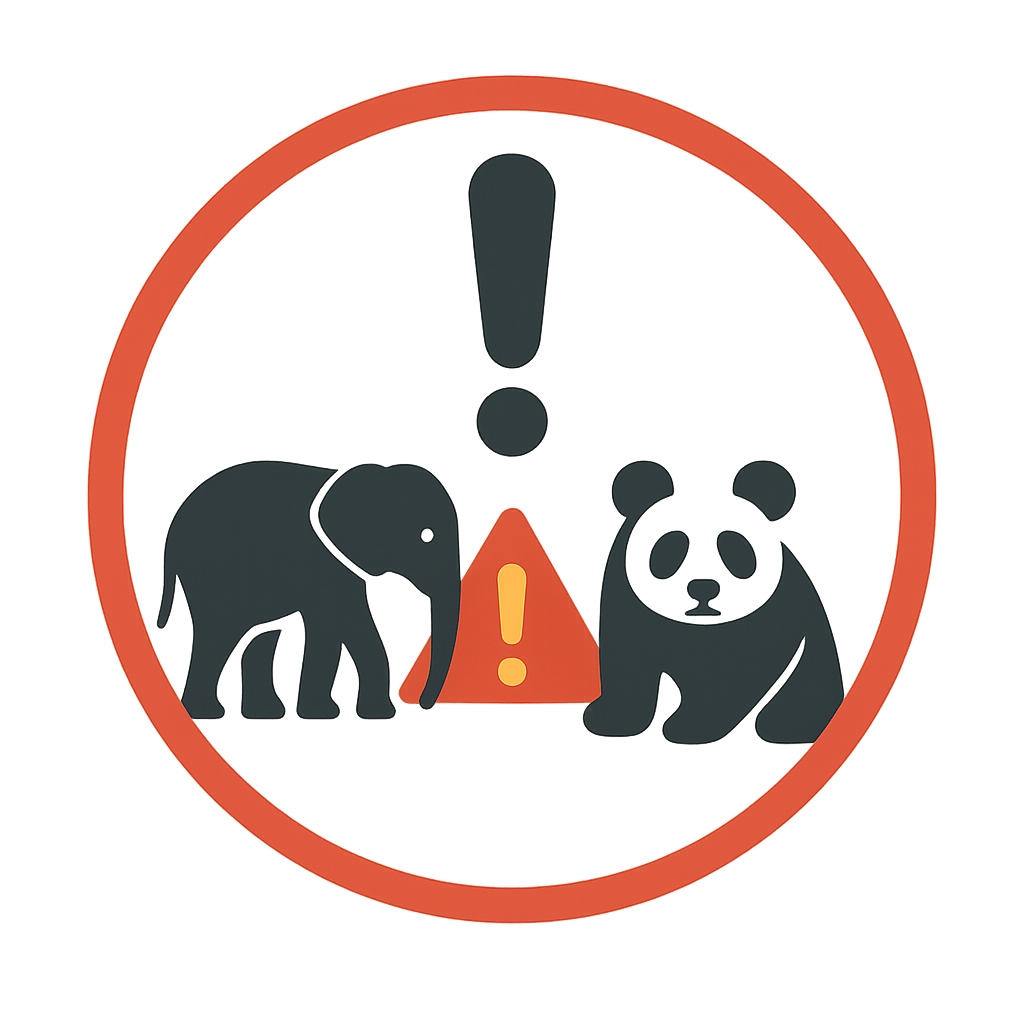
I listen to the world’s beautiful music—the roar of a lion, the buzz of a bee, the song of a whale. For a long time, this music was full and loud. But then, some voices started to disappear. First one, then another. The sound of the world grew a little quieter, a little sadder. People noticed it too. They told stories about the Dodo bird, a friendly, flightless bird that vanished from its island home in the 1600s. They remembered the Passenger Pigeon, whose flocks once darkened the skies, but whose very last bird, a female named Martha, died all alone in a zoo on September 1st, 1914. A worrying question began to whisper around the world: How many of our animal and plant friends are in trouble. And how can we know which ones need our help the most before their music fades away completely. That's where I come in. I am an idea, a promise to keep track, a special kind of health chart for all of nature.
For a long time, I was just a worried thought in the minds of people who loved nature. But after many years, some very smart and caring people decided to give me a proper job. On October 5th, 1948, scientists and nature lovers from all over the world met in a beautiful town called Fontainebleau in France. They formed a group with a very important name: the International Union for Conservation of Nature, or IUCN for short. They knew that just worrying wasn't enough; they needed a clear, scientific way to track which species were struggling and which were doing okay. So, in 1964, they officially created me. I am the IUCN Red List of Threatened Species. At first, I was a small book with a bright red cover—like a warning light on a dashboard or a stop sign. Inside, scientists like Sir Peter Scott helped list all the animals and plants they were worried about. They gave me special categories, like levels in a video game, to show how much danger a species was in. 'Vulnerable' means 'be careful.' 'Endangered' means 'this friend is in big trouble.' And 'Critically Endangered' means 'we need all hands on deck to help right now.' I wasn't meant to be a sad list of goodbyes; I was designed to be a guide for heroes, showing them exactly where their help was needed most.
The World's Health Chart
I listen to the world’s beautiful music—the roar of a lion, the buzz of a bee, the song of a whale. For a long time, this music was full and loud. But then, some voices started to disappear. First one, then another. The sound of the world grew a little quieter, a little sadder. People noticed it too. They told stories about the Dodo bird, a friendly, flightless bird that vanished from its island home in the 1600s. They remembered the Passenger Pigeon, whose flocks once darkened the skies, but whose very last bird, a female named Martha, died all alone in a zoo on September 1st, 1914. A worrying question began to whisper around the world: How many of our animal and plant friends are in trouble. And how can we know which ones need our help the most before their music fades away completely. That's where I come in. I am an idea, a promise to keep track, a special kind of health chart for all of nature.
For a long time, I was just a worried thought in the minds of people who loved nature. But after many years, some very smart and caring people decided to give me a proper job. On October 5th, 1948, scientists and nature lovers from all over the world met in a beautiful town called Fontainebleau in France. They formed a group with a very important name: the International Union for Conservation of Nature, or IUCN for short. They knew that just worrying wasn't enough; they needed a clear, scientific way to track which species were struggling and which were doing okay. So, in 1964, they officially created me. I am the IUCN Red List of Threatened Species. At first, I was a small book with a bright red cover—like a warning light on a dashboard or a stop sign. Inside, scientists like Sir Peter Scott helped list all the animals and plants they were worried about. They gave me special categories, like levels in a video game, to show how much danger a species was in. 'Vulnerable' means 'be careful.' 'Endangered' means 'this friend is in big trouble.' And 'Critically Endangered' means 'we need all hands on deck to help right now.' I wasn't meant to be a sad list of goodbyes; I was designed to be a guide for heroes, showing them exactly where their help was needed most.
Today, I am bigger than ever, and I don't live in just one book anymore. I live on the internet where everyone, including you, can see me. I keep track of thousands and thousands of species, from the tiniest frogs hiding in the rainforest to the giant blue whales swimming in the ocean. When a species gets my 'Endangered' label, it's a signal to the world. It tells scientists where to focus their research and helps governments create new parks and laws to protect them. I'm not just about bad news. I also get to share amazing success stories. When people work together, they can change an animal’s story from one of sadness to one of hope. The Giant Panda, for example, used to be 'Endangered,' but thanks to a lot of hard work protecting its bamboo forests, its status improved to 'Vulnerable.' The Bald Eagle in North America is another friend who made a great comeback from the brink. I am more than just a list of names; I am a tool that turns worry into action. I am a promise that we are all connected and that by paying attention, we can make sure the world's beautiful music never fades away.
Wow facts
About
A system of classifying species at high risk of global extinction, maintained by the International Union for Conservation of Nature (IUCN) through its Red List of Threatened Species.
Take a Quiz
Question 1 of 5
The story says the Red List is like a 'health chart for all of nature.' What does this mean?
Explore next

Want to do even more?
Go beyond exploring. Unlock tools that turn every story into real learning.

Storypie Plus for families
Full stories, quizzes, and printables. Nights and car rides, sorted.
- Unlimited audio stories
- Create Mode: your child stars in the story
- Offline downloads
- Printable worksheets & coloring pages

Why Storypie for Schools
Students engaged. Prep in seconds. Evenings back to you.
- Worksheets & Quizzes
- Classroom Management
- Formative Assessment
- Custom Curriculum & Lesson Plans
- 27 Languages

Why Storypie for Homeschool
Curriculum done. They'll ask for more. Hours back in your day.
- Worksheet Generator
- First-Person Audio Stories
- Built-in Comprehension Quizzes
- Custom Curriculum & Lesson Plans
- Print & Go Activities