English

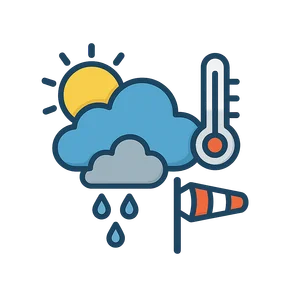
Meteorology
Meteorology is the scientific study of the atmosphere, focusing on weather processes and forecasting.
Reads at Grades K-2 Listens at K–3
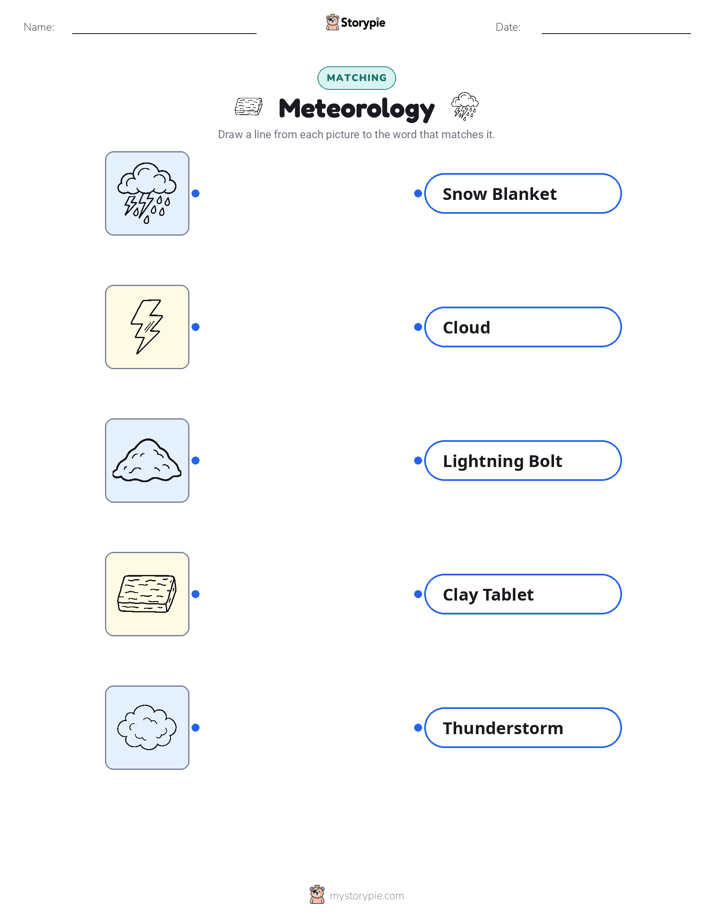
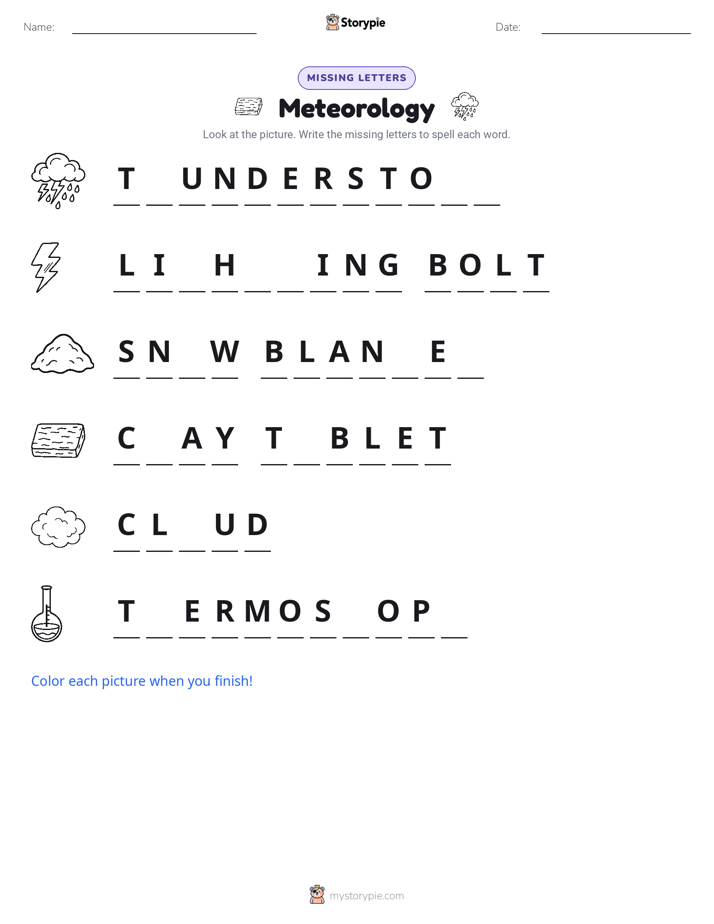
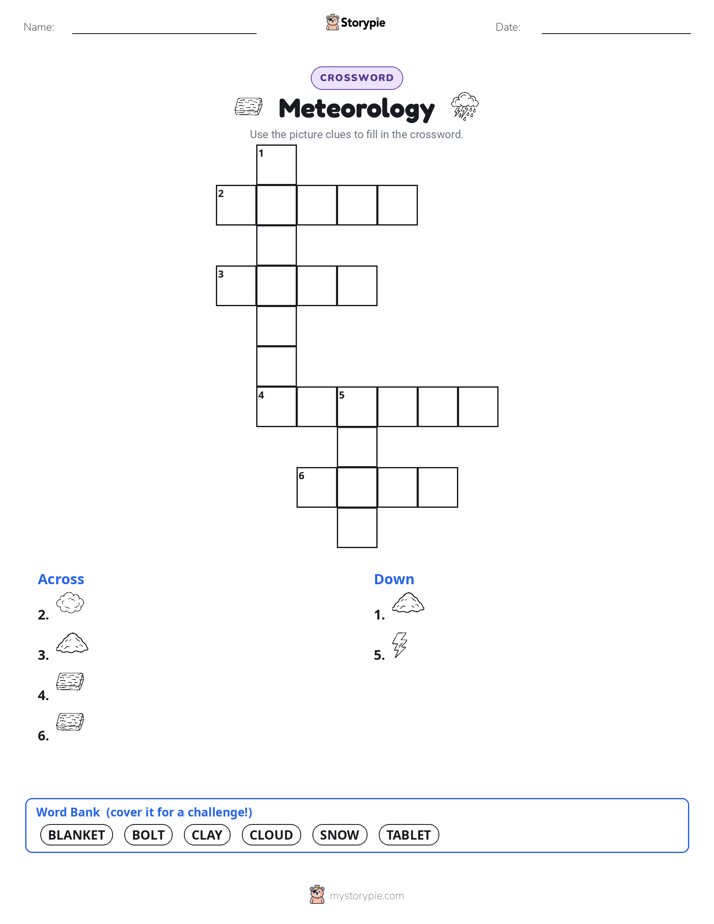
Print & create
Answer keys·No prep·Free with an account
28 worksheets · answer keys · full story · quiz · Ages 6-8 · CEFR A2
Plus adds 102,000+ more stories in 27 languages, audio for every one, and printables for all of them.
Just want Meteorology?
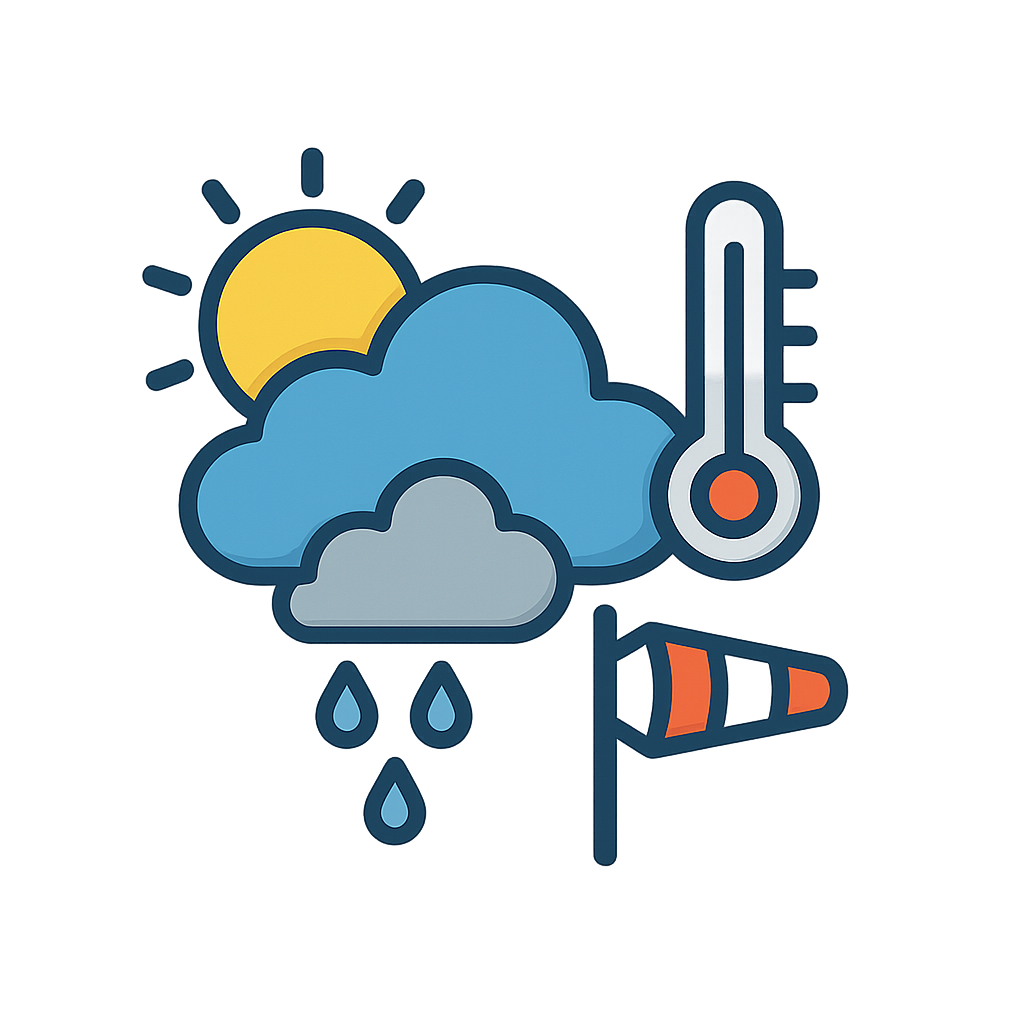
Have you ever looked up at the clouds and seen shapes like fluffy sheep or long, wispy feathers. Have you felt a cool breeze brush against your cheek or the warm sun tickle your nose. That’s me, working my magic. I am the reason you might need a raincoat and puddle-stomping boots one day, and sunglasses for a sunny picnic the next. I whisper secrets in the rustling leaves of tall trees and paint beautiful rainbows across the sky after a big rainstorm. For a long, long time, people just knew me as… the weather. I was a big mystery that everyone wanted to solve.
For thousands of years, people watched me and wondered about my changing moods. Way back around 650 BCE, very clever observers in a land called Babylonia would watch the clouds to help them know the best time to plant their crops. But it was a Greek thinker named Aristotle who finally gave me a proper name around 340 BCE. He wrote a whole book about me called *Meteorologica*, which means the study of things high up in the air. That’s when I officially became known as Meteorology. For many centuries after that, people still tried to guess what I would do next. Then, things got really exciting. In the late 16th century, a smart man named Galileo Galilei invented a tool called a thermometer to measure how hot or cold things were. Then, in the year 1643, another scientist named Evangelista Torricelli invented the barometer, which could measure the air's pressure. This was like giving people secret decoder rings to understand my messages. With these new tools, and another invention called the telegraph that sent messages super fast, the very first daily weather forecasts started appearing in a London newspaper on August 1st, 1861. Now, sailors and farmers could get a hint about my plans.
The Sky's Secret Story
Have you ever looked up at the clouds and seen shapes like fluffy sheep or long, wispy feathers. Have you felt a cool breeze brush against your cheek or the warm sun tickle your nose. That’s me, working my magic. I am the reason you might need a raincoat and puddle-stomping boots one day, and sunglasses for a sunny picnic the next. I whisper secrets in the rustling leaves of tall trees and paint beautiful rainbows across the sky after a big rainstorm. For a long, long time, people just knew me as… the weather. I was a big mystery that everyone wanted to solve.
For thousands of years, people watched me and wondered about my changing moods. Way back around 650 BCE, very clever observers in a land called Babylonia would watch the clouds to help them know the best time to plant their crops. But it was a Greek thinker named Aristotle who finally gave me a proper name around 340 BCE. He wrote a whole book about me called Meteorologica, which means the study of things high up in the air. That’s when I officially became known as Meteorology. For many centuries after that, people still tried to guess what I would do next. Then, things got really exciting. In the late 16th century, a smart man named Galileo Galilei invented a tool called a thermometer to measure how hot or cold things were. Then, in the year 1643, another scientist named Evangelista Torricelli invented the barometer, which could measure the air's pressure. This was like giving people secret decoder rings to understand my messages. With these new tools, and another invention called the telegraph that sent messages super fast, the very first daily weather forecasts started appearing in a London newspaper on August 1st, 1861. Now, sailors and farmers could get a hint about my plans.
Today, I'm more helpful than ever before. On April 1st, 1960, a huge moment happened when the very first weather satellite, named TIROS-1, was launched into outer space. Now, hundreds of satellites are my eyes in the sky. They watch me from way up high, taking pictures of giant, swirling hurricanes and tracking big snowstorms as they move across the land. Scientists who study me are called meteorologists. They use powerful computers and all the information from my satellites and tools to tell you if you should build a snowman tomorrow or plan a trip to the swimming pool. I help pilots fly their airplanes safely through the sky and help farmers grow all the yummy food we eat. I’m not just something to talk about; I am an important science that keeps you safe and helps you understand our amazing planet. So the next time you see a weather forecast on TV, give a little wave to the sky. I’ll be up there, getting ready for our next adventure together.
Wow facts
About
Meteorology is the scientific study of the atmosphere, focusing on weather processes and forecasting.
Take a Quiz
Question 1 of 4
Who was the person that first gave me the name Meteorology?
Explore next

Want to do even more?
Go beyond exploring. Unlock tools that turn every story into real learning.

Storypie Plus for families
Full stories, quizzes, and printables. Nights and car rides, sorted.
- Unlimited audio stories
- Create Mode: your child stars in the story
- Offline downloads
- Printable worksheets & coloring pages

Why Storypie for Schools
Students engaged. Prep in seconds. Evenings back to you.
- Worksheets & Quizzes
- Classroom Management
- Formative Assessment
- Custom Curriculum & Lesson Plans
- 27 Languages

Why Storypie for Homeschool
Curriculum done. They'll ask for more. Hours back in your day.
- Worksheet Generator
- First-Person Audio Stories
- Built-in Comprehension Quizzes
- Custom Curriculum & Lesson Plans
- Print & Go Activities